East Rockaway's Older Homes Deserve More Than a Demo Crew
When more than half the homes in East Rockaway were built before 1950, demolition isn’t just a labor job — it’s a licensed one. We handle the full picture for East Rockaway residents: permits, hazardous materials, and the actual demo work, all under one roof.
I needed a professional consultation explanation of procedure for safe removal of Asbestos in my apartment complex. Without having an account yet, I was very impressed with the caring, knowledgeable and generous advice offered by Jessica, and will look forward to doing business in the future. Thank you so much! I feel much more informed about a sometimes scary endeavor. Peace. Nancy Silva Mineola, NY.
Mia Munoz
Used this company to clean up some water flood in my house. They were fast and easy to work with.very professional, Would recommend to anyone!
Nini Valle
Great company, had a flood and they responded quickly and efficiently. Billed my insurance company directly. I highly recommend this company!
joe colapietro, jr
I had pipe freeze in my basement right before a snow storm and they made to within an hour to help start the clean up process. They we by our side throughout the entire process and even helped with the insurance company. They did such a great job with the cleanup, repair, remidiation, I contracted them to perform the repairs and finishes in the basement. They came with enough manpower and material to get the job done. Leo and Jessica were nothing but a pleasure to deal with!!
Cristian Arredondo c
I had some water damage in my home and Green Island was able to take care of my issue quickly and effectively. I am very pleased with the work they did. They responded quickly and were very professional.
Michael M
Outstanding service! From the office to the field crew everyone was friendly, helpful and responsive. I highly recommend Green Island Group.
Most East Rockaway homeowners calling about demolition aren’t just thinking about tearing something down. They’re thinking about what’s behind the walls — and whether the contractor they hire is actually equipped to deal with it. In a village where the median home was built in 1949, that’s not paranoia. That’s just reality.
When you hire a contractor who holds both demolition and NYS-licensed asbestos handling credentials in-house, the project doesn’t stop the moment something unexpected turns up. No scrambling to find a separate abatement company. No weeks of waiting while your renovation sits frozen. The work continues, handled by the same team that started it.
East Rockaway’s South Shore location adds another layer. Properties near the waterfront and tidal areas have dealt with flood damage, and storm-compromised walls don’t just have structural problems — they often have mold, disturbed insulation, and materials that require proper containment before a single thing gets removed. Getting that handled correctly the first time means no insurance headaches, no regulatory problems, and no surprises when you go to sell.
One License Covers What Most Contractors Can't Touch
We’re based on Long Island and have been serving Nassau County communities — including East Rockaway — across demolition, asbestos abatement, mold remediation, and storm damage restoration. We’ve worked in the pre-war Capes and colonials near Waverly Park. We know what the Village of East Rockaway’s building department requires, and we pull permits in our name — not yours.
What makes the difference here isn’t just experience. It’s the combination of licenses that lets us legally handle whatever a pre-1950 home in East Rockaway reveals. Asbestos floor tile adhesive, textured ceilings, pipe wrap — we’ve seen it in homes throughout the 11518 area, and we’re equipped to deal with it without stopping the job. That’s not a selling point. That’s just how compliant demolition work in this village actually has to be done.
Here's What the Process Looks Like in an East Rockaway Home
It starts with a site assessment. Before anything is touched, we walk the property and evaluate the scope — what’s coming down, what’s staying, and what the structure looks like from a hazardous materials standpoint. In East Rockaway’s pre-1980 housing stock, this step isn’t optional. It’s what determines whether the project needs asbestos sampling, lead paint assessment, or both before demolition can legally begin.
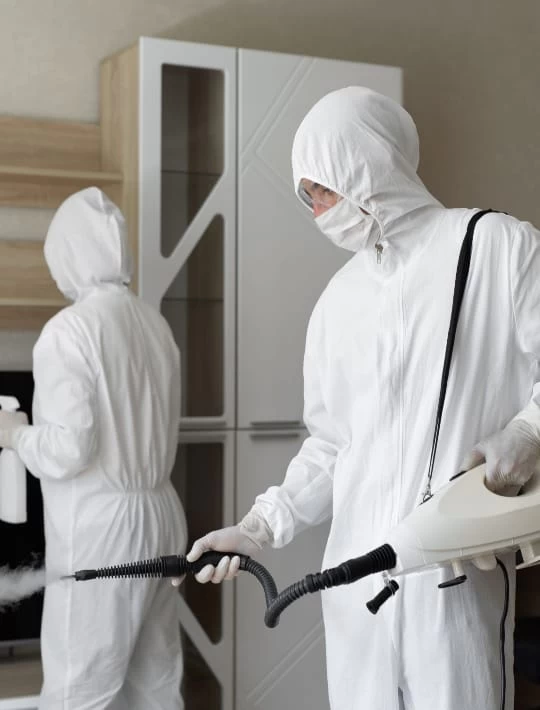
If sampling confirms the presence of asbestos-containing materials, abatement happens first. Our team handles containment, removal, and disposal — all documented with a chain-of-custody manifest that tracks the material from your property to a licensed facility. Post-abatement air clearance testing by a licensed NYS DOL Air Monitor confirms the space is clean before demo resumes. You get that documentation in writing.
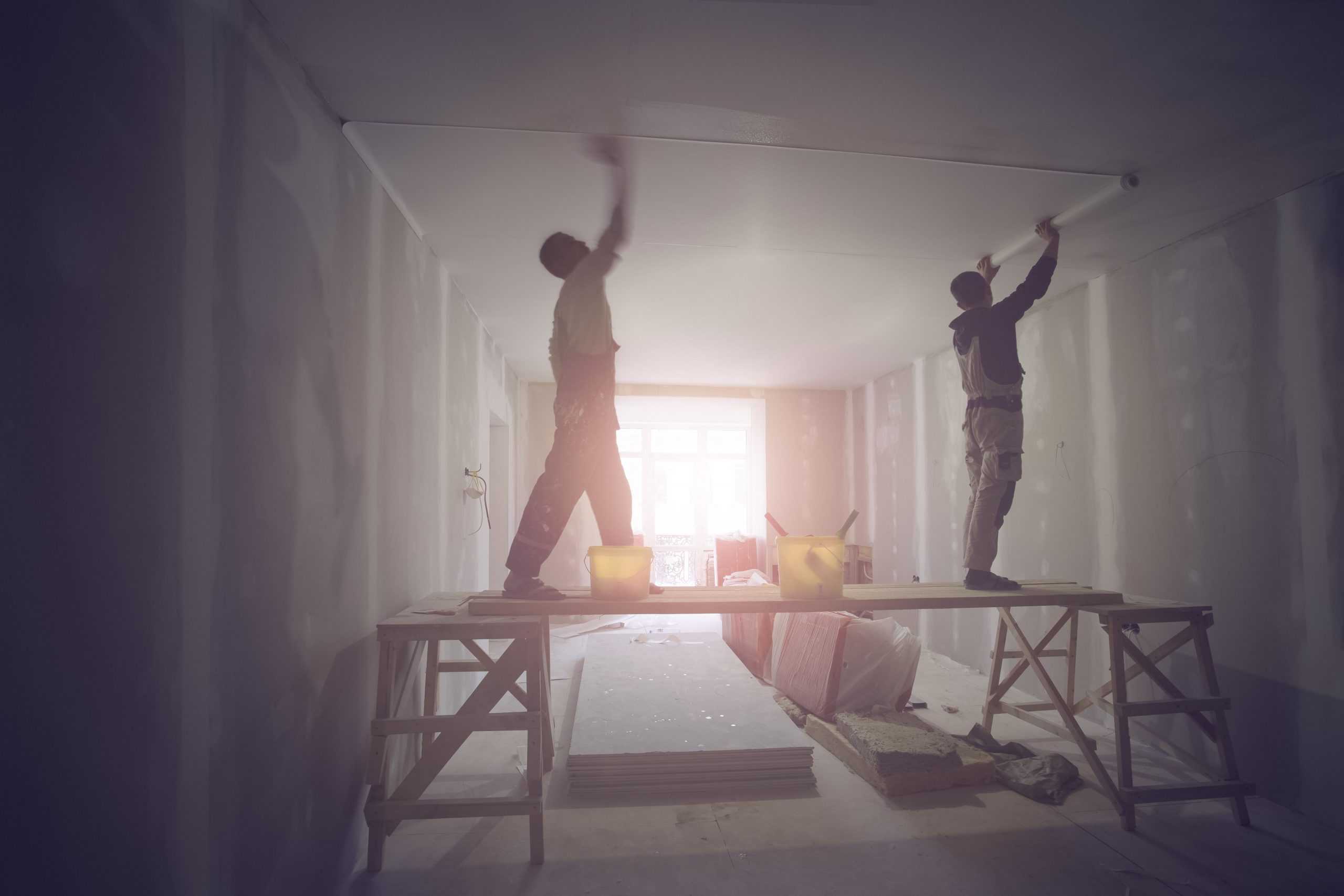
From there, demolition proceeds according to the agreed scope. We coordinate with the Village of East Rockaway’s building department — including the written notice to demolish required under Village Code Chapter 101, submitted to the Superintendent of Construction — and with Nassau County’s permit office when applicable. When the job is done, the site is clean, the paperwork is complete, and you have everything you need to move forward with the next phase of your project.
Commercial Demolition Contractors East Rockaway NY
Every Project in East Rockaway Gets the Full Compliance Treatment
Whether it’s a kitchen gut in a 1940s Cape Cod near Waverly Park, a basement teardown in one of the village’s post-war colonials, or a commercial interior along the Main Street corridor, our approach doesn’t change. Every project gets a proper assessment, licensed handling of anything hazardous, permit coordination, and disposal documentation. That’s not a premium add-on — it’s the legal baseline for demolition work in East Rockaway, and we don’t cut corners on it.
For residential clients, that means interior selective demolition, full structural demolition, and everything in between — handled by a team that understands the density of this village. At nearly 10,000 people per square mile, your neighbor’s foundation is close. We plan around that from day one, using controlled techniques and proper containment to protect adjacent properties throughout the job.
For commercial and multi-unit property owners — including those managing buildings along East Rockaway’s four business districts or older apartment stock south of Merrick Road — we bring the same compliance framework to larger-scale work. Regulatory documentation, disposal manifests, and clearance testing are standard deliverables on every project, residential or commercial. If you’re dealing with a post-storm situation, we also handle the mold and water-damaged material removal that almost always comes with flood-affected structures in this coastal community.
Do I need a permit for demolition work in East Rockaway, NY?
Yes — and East Rockaway has a specific process that goes beyond just filing for a building permit. Under Village Code Chapter 101, you’re required to submit a written notice to demolish to the Village Superintendent of Construction before any demolition work begins. This applies to full structural demolition and to interior selective demolition that involves structural elements. It’s a village-specific procedural step that isn’t universal across Nassau County, and missing it can result in a stop-work order.
We handle this entire process on your behalf. We pull permits in our name as the licensed contractor of record, submit the required documentation to the Village, and coordinate with Nassau County’s demolition permit office at (516) 571-3678 when applicable. If a contractor ever asks you to pull your own demolition permit, that’s often a sign they’re not licensed to do it themselves — which should be a red flag before you sign anything.
What happens if asbestos is found during demolition in my East Rockaway home?
In East Rockaway, finding asbestos during a demolition project isn’t a rare surprise — it’s close to the expected outcome. With more than half of the village’s homes built before 1950, asbestos-containing materials show up regularly in floor tile adhesive, textured ceilings, pipe insulation, and joint compound. The question isn’t just whether it’s there. It’s whether your contractor is licensed to deal with it.
If sampling confirms asbestos above threshold levels, work in the affected area stops until abatement is complete. Our team handles containment, licensed removal, and transport to a certified disposal facility — all documented with a disposal manifest. A licensed NYS DOL Air Monitor then conducts post-clearance testing to confirm the space is safe before demolition resumes. Because we hold our NYS DOL Asbestos Handling Contractor License in-house, this doesn’t mean bringing in a separate company and waiting weeks for their availability. The same team that started your project finishes it.
How much does interior demolition typically cost in East Rockaway?
Interior demolition costs in East Rockaway vary depending on the size of the space, what materials are present, and whether hazardous materials testing and abatement are required — which, in a pre-1950 home, they often are. A straightforward kitchen gut in a home with no confirmed hazardous materials will cost less than the same project in a home where asbestos floor tile or lead paint is confirmed and needs to be properly abated before demo can proceed.
What you should be cautious about is a quote that seems significantly lower than others without any explanation of how asbestos and lead paint are being handled. In East Rockaway’s housing stock, skipping that step isn’t a savings — it’s a liability. Improper disturbance of asbestos-containing materials can trigger regulatory action and create remediation costs that far exceed what proper abatement would have cost upfront. When you call us, we’ll walk you through what’s driving the cost of your specific project so you understand exactly what you’re paying for and why.
Can a demolition contractor handle flood-damaged materials in East Rockaway after a storm?
This is one of the more common calls we get from East Rockaway specifically. The village’s South Shore location and its history with Hurricane Sandy — and the nor’easters that hit the area regularly — mean that storm-related demolition is a recurring reality here, not a once-in-a-decade event. The Village even maintains a dedicated Flood Damage Prevention chapter in its municipal code, which reflects how seriously the community takes coastal exposure.
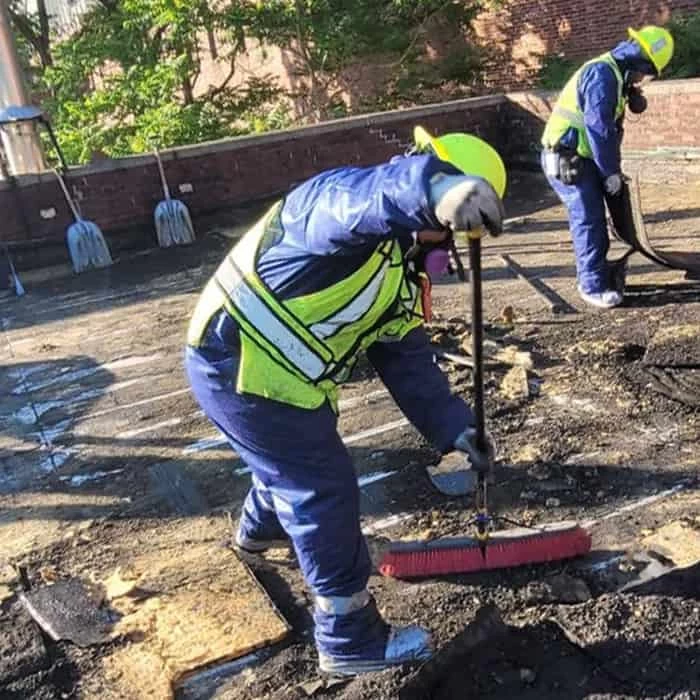
The challenge with post-flood demolition in older East Rockaway homes is that water-damaged walls almost always involve more than just wet drywall. Flood-affected structures built before 1980 frequently have disturbed insulation, mold development within 24 to 48 hours of water intrusion, and hazardous materials that were contained before the storm and are now compromised. We handle the full scope — structural demolition, mold remediation, and hazardous materials removal — and provide the documentation that insurance adjusters typically require to process storm damage claims. If you’re dealing with a post-storm situation, call us early. The faster the response, the less secondary damage you’re managing.
What's the difference between selective demolition and full demolition for a renovation project?
Selective demolition means removing specific elements — a wall, a kitchen, a bathroom, a basement ceiling — while leaving the rest of the structure intact. It’s the most common type of demolition work in East Rockaway’s residential renovation market, where homeowners are updating older homes rather than tearing them down entirely. Full structural demolition means the entire building comes down, typically when a property is being cleared for new construction or when the structure is too compromised to renovate.
In practice, the distinction matters because the permit requirements, the scope of hazardous materials assessment, and the logistics are different for each. Selective interior demolition in a pre-1950 East Rockaway home still requires a hazardous materials survey before walls are opened — you can’t assume what’s in the materials just by looking at them. Full structural demolition triggers additional EPA NESHAP notification requirements if asbestos is present above threshold quantities, which means a 10-working-day advance notice to the appropriate regulatory agency before work begins. We’ll tell you upfront which requirements apply to your specific project.
How do I know if my East Rockaway home needs asbestos testing before starting a renovation?
If your home was built before 1980, you should assume asbestos testing is needed before any demolition or renovation work that disturbs building materials. In East Rockaway, where 39% of homes predate the 1940s and another 12% were built during that decade, this applies to the overwhelming majority of properties in the village. The materials most commonly found to contain asbestos in homes of this era include floor tile and the adhesive beneath it, textured ceiling finishes, pipe and duct insulation, and certain types of joint compound.
Testing involves collecting samples of suspect materials and sending them to a certified laboratory for analysis. This is not something a general contractor can legally perform — it requires a qualified professional, and in New York, abatement work that follows a positive result requires a NYS DOL-licensed contractor. The cost of testing is modest relative to the cost of discovering mid-project that your contractor isn’t equipped to handle what they found. We can coordinate the full process — assessment, testing, abatement if needed, and clearance — so you’re not managing multiple vendors or trying to sequence it yourself.