Elwood's 1960s Homes Deserve a Demolition Crew That Knows What's Inside Them
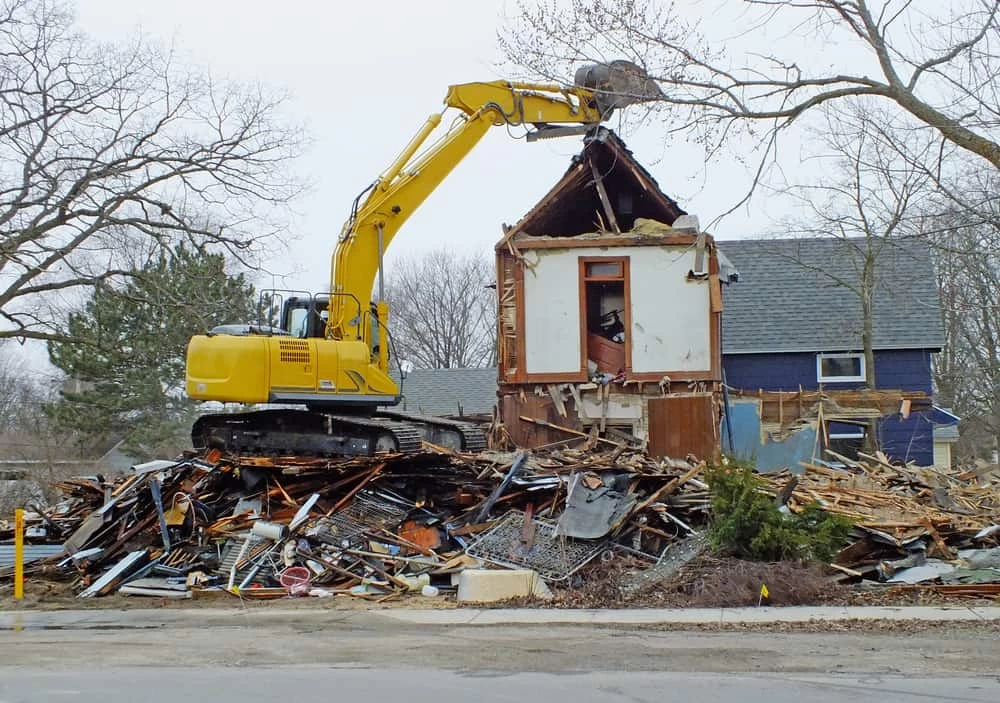
Most homes in Elwood were built between 1940 and 1969. That means asbestos is almost always part of the picture and most demolition contractors aren’t licensed to deal with it. We handle licensed demolition and asbestos abatement under one roof, so your project doesn’t stop the moment something gets discovered.
I needed a professional consultation explanation of procedure for safe removal of Asbestos in my apartment complex. Without having an account yet, I was very impressed with the caring, knowledgeable and generous advice offered by Jessica, and will look forward to doing business in the future. Thank you so much! I feel much more informed about a sometimes scary endeavor. Peace. Nancy Silva Mineola, NY.
Mia Munoz
Used this company to clean up some water flood in my house. They were fast and easy to work with.very professional, Would recommend to anyone!
Nini Valle
Great company, had a flood and they responded quickly and efficiently. Billed my insurance company directly. I highly recommend this company!
joe colapietro, jr
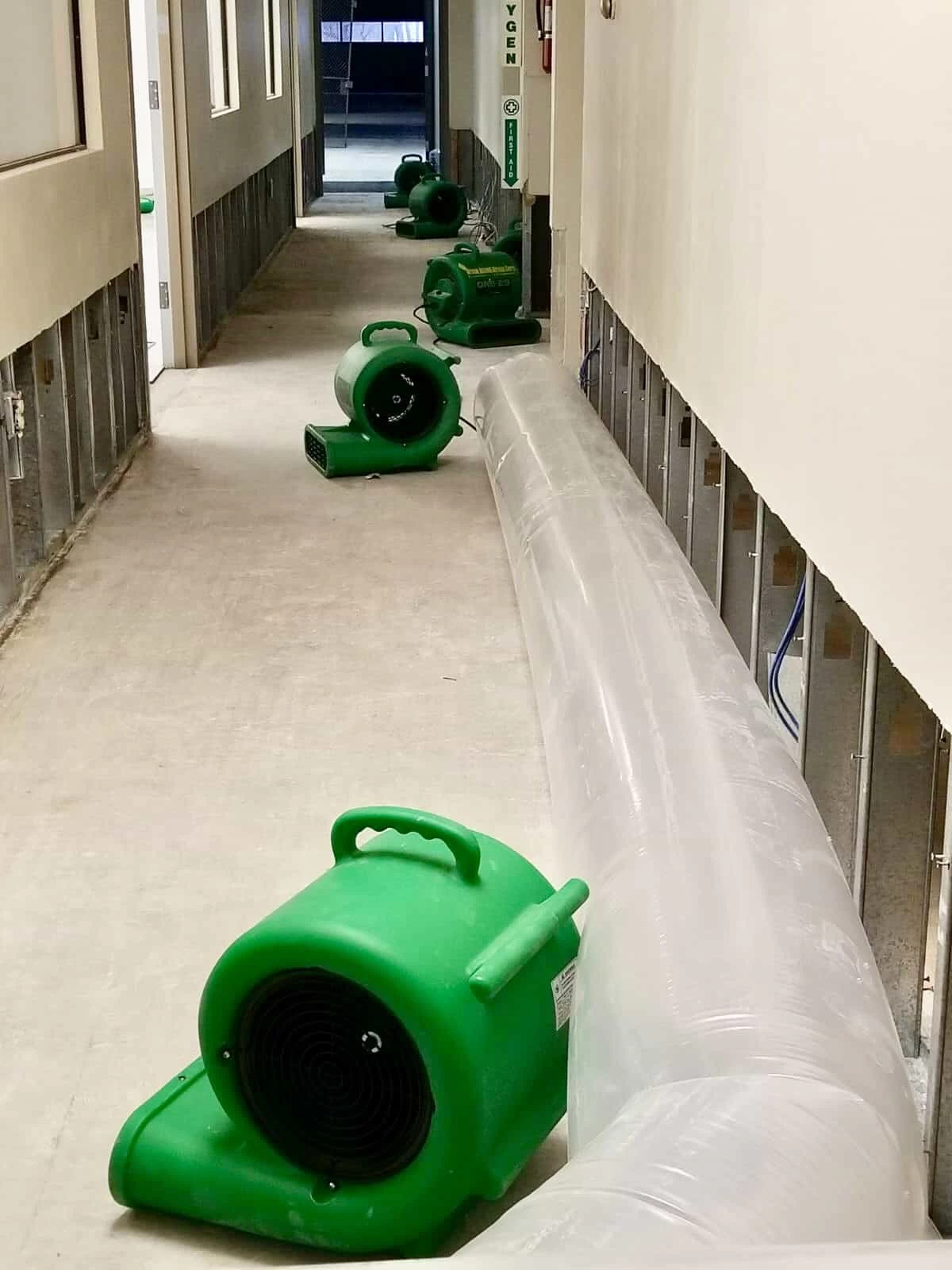
I had pipe freeze in my basement right before a snow storm and they made to within an hour to help start the clean up process. They we by our side throughout the entire process and even helped with the insurance company. They did such a great job with the cleanup, repair, remidiation, I contracted them to perform the repairs and finishes in the basement. They came with enough manpower and material to get the job done. Leo and Jessica were nothing but a pleasure to deal with!!
Cristian Arredondo c
I had some water damage in my home and Green Island was able to take care of my issue quickly and effectively. I am very pleased with the work they did. They responded quickly and were very professional.
Michael M
Outstanding service! From the office to the field crew everyone was friendly, helpful and responsive. I highly recommend Green Island Group.
When you hire a demolition contractor in Elwood who isn’t licensed for asbestos abatement, you’re one surprise away from a stopped project. A crew finds pipe insulation, floor tiles, or ceiling texture that tests positive and suddenly they’re legally required to walk off the job. Now you’re scrambling for a second contractor, your timeline is gone, and you’re paying for two separate scopes. That’s the most likely scenario in Elwood. With a median construction year of 1963, it’s not a worst-case possibility it’s predictable.
When you work with a contractor who handles both sides in-house, that risk disappears. The project keeps moving because the same licensed crew that does the demolition is certified to identify and remove asbestos-containing materials on the spot. No handoffs, no delays, no second contract to negotiate mid-job.
The other thing that changes is the permit process. Demolition in Elwood falls under the Town of Huntington’s jurisdiction, and the requirements are specific Form 87-04, a mandatory asbestos survey, utility disconnection letters, and proof of a Suffolk County contractor license, all before a single wall comes down. If any piece of that package is missing, the permit doesn’t get issued. If you start work before it’s issued, the Town charges three times the normal permit fee as a penalty. Having a contractor who knows this process and manages it from the start means you’re not learning these rules the hard way.
12 Years In, 5,000 Projects Deep This Is All We Do
We’re a full-service demolition and environmental remediation company based in Bohemia, NY right in Suffolk County, and already well-established throughout the Town of Huntington, including Northport and the surrounding communities. This isn’t a general contractor who added demolition to our service list. It’s the core of what we do, and we’ve been doing it for over 12 years across Long Island and New York City.
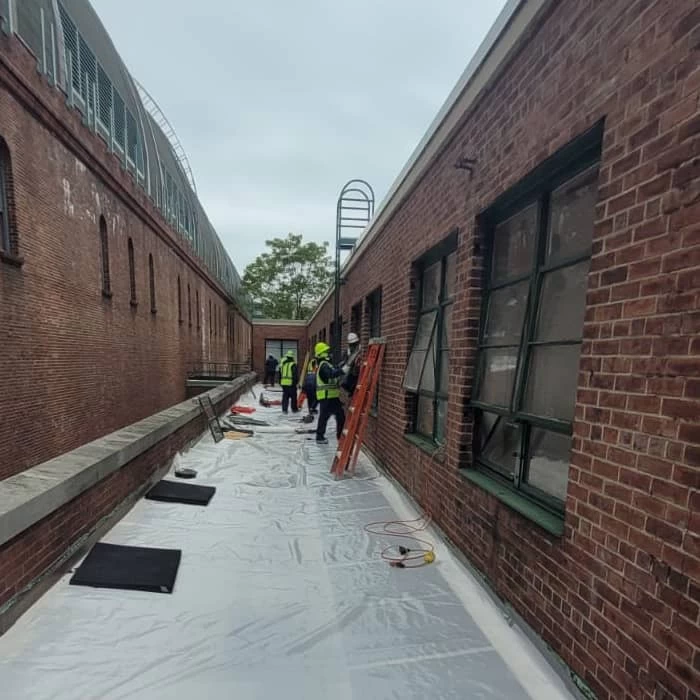
More than 5,000 completed projects. Active NYS Department of Labor asbestos contractor certification. $2M+ in general liability coverage. MWBE-certified. NYC Department of Buildings registered. These aren’t just credentials on a website they’re the baseline for working legally and safely in a community like Elwood, where the housing stock almost guarantees you’ll encounter hazardous materials before the job is done.
What you actually get is a contractor who handles the whole scope: permits, asbestos abatement, physical demolition, debris removal, and site preparation without handing pieces of your project off to someone else.
From Permit Application to Clean Site Here's the Honest Walkthrough
It starts with an assessment. Before anything is scheduled or quoted, we define the scope of work what’s coming down, what’s staying, and what the structure likely contains based on its age and construction type. For a home built in the 1950s or 1960s in Elwood, that assessment includes evaluating where asbestos-containing materials are most likely to be present: pipe insulation, floor tiles, roofing, ceiling texture. This isn’t a formality it’s what makes the rest of the project go smoothly.
From there, the permit process begins. We prepare and submit the Town of Huntington demolition permit application (Form 87-04), coordinate the required asbestos survey, and obtain the utility disconnection letters from your electric, gas, water, and sewer providers. This step takes time, and it’s the step most homeowners underestimate. The Town of Huntington’s Department of Engineering Services at 100 Main Street in Huntington reviews the full package before issuing anything and they will not issue a permit with missing documentation. Having a contractor who knows exactly what’s required means you’re not losing weeks to back-and-forth.
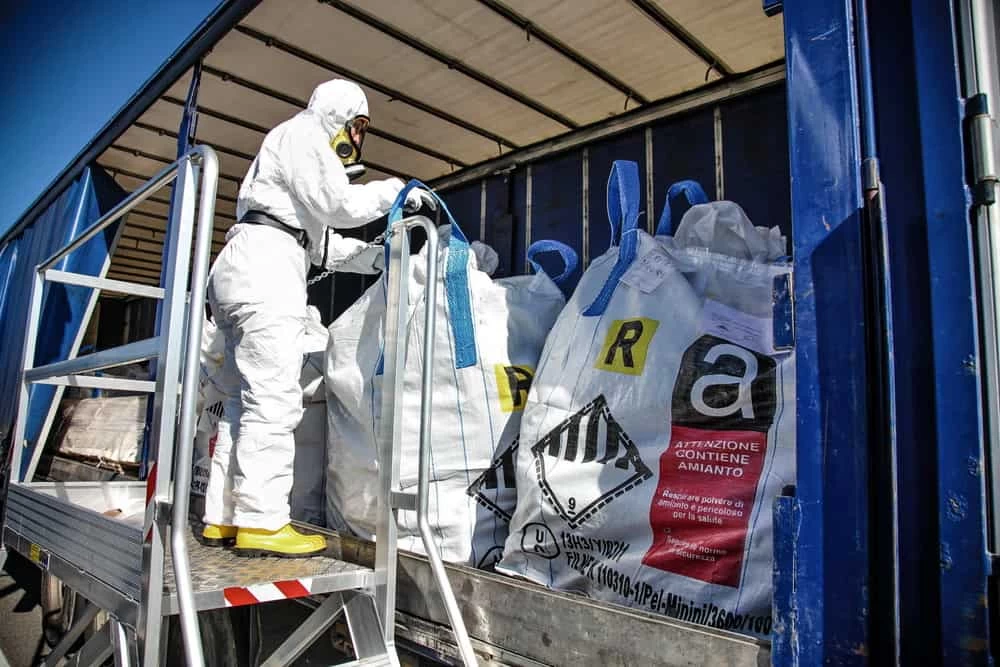
Once the permit is in hand, the physical work begins. If asbestos is present, abatement happens first contained, documented, and disposed of in full compliance with NYS DOL Industrial Code Rule 56. Then demolition proceeds, followed by debris removal and site prep. When we leave, the site is clean, documented, and ready for whatever comes next.
Everything the Job Requires Not Just the Easy Parts
Elwood is almost entirely single-family homes Cape Cods, hi-ranches, and ranches built across a 30-year window that ended just before the federal asbestos ban. That means nearly every demolition project here, whether it’s a full teardown or a gut renovation of a kitchen and two bathrooms, carries real regulatory weight. Our services are built around that reality, not around a simplified version of it.
For residential demolition contractors in Elwood, the scope typically includes pre-demolition environmental assessment, asbestos abatement where required, selective or full structural demolition, debris hauling, and site preparation for new construction or renovation. For commercial demolition in the Town of Huntington area, the same integrated approach applies with additional documentation requirements that we handle directly.
What doesn’t happen here is a crew showing up to knock things down and leaving the hazmat question for someone else. The asbestos abatement is in-house. The permit coordination is in-house. The debris removal is in-house. For homeowners in Elwood who are protecting a $574,000+ asset and paying over $10,000 a year in property taxes, that level of accountability isn’t optional it’s the minimum standard. And for anyone dealing with storm damage, a burst pipe, or fire damage, we also have direct experience working with insurance carriers to document scope and support the claims process, so you’re not managing that alone on top of everything else.
Do I need a demolition permit for interior work in Elwood, NY?
Yes and this surprises a lot of homeowners in Elwood. In the Town of Huntington, a building permit is required not just for full teardowns but for any alteration, modification, or partial demolition of a structure. That includes interior gut renovations: removing walls, taking out a finished basement, stripping a kitchen down to the studs. If the work changes the structure in any meaningful way, a permit is required before it starts.
The consequences for skipping that step are real. The Town of Huntington charges three times the normal permit fee for any work started without authorization. Beyond the financial penalty, unpermitted demolition work can create serious problems when you go to sell your home especially in a market like Elwood where buyers and their attorneys look closely at permit history. The right move is to have a licensed contractor pull the permit before the first wall comes down, not after.
Is an asbestos survey actually required before demolition in the Town of Huntington?
It is and it’s not optional or situational. The Town of Huntington’s demolition permit application package explicitly requires an asbestos survey as a standard component. This applies to all demolition projects in unincorporated areas of the Town, which includes Elwood. The survey has to be completed by a qualified professional and submitted along with Form 87-04, utility disconnection letters, and proof of contractor licensing before the permit is issued.
The reason this requirement exists is straightforward. Elwood’s housing stock is dominated by homes built between 1940 and 1969 a construction era when asbestos was used in floor tiles, pipe insulation, roofing materials, ceiling textures, and more. Disturbing those materials without proper identification and abatement is a health hazard and a legal violation under NYS DOL Industrial Code Rule 56. The survey is the step that determines what’s there and what has to be handled before demolition proceeds.
What happens if asbestos is found during a demolition project in Elwood?
If your contractor isn’t licensed for asbestos abatement, the answer is usually: the project stops. They’re legally required to halt work when regulated materials are discovered, and you’re left finding a separate abatement contractor, waiting for their schedule to open up, and restarting the permit and inspection process. In Elwood, where the median home was built in 1963, this isn’t a rare edge case it’s a predictable outcome when you hire a demolition crew that only handles the physical work.
When your demolition contractor holds an active NYS Department of Labor asbestos contractor certification, the process looks completely different. The abatement happens in sequence with the demolition, under the same contract, by the same crew. Materials are contained, removed, and disposed of in compliance with state regulations documented properly so there’s no liability left behind. The project stays on schedule, and you’re not managing two separate contractors trying to coordinate around each other’s timelines.
How long does it take to get a demolition permit in the Town of Huntington?
The honest answer is that it depends on how complete your application is when you submit it. The Town of Huntington’s Department of Engineering Services at 100 Main Street reviews the full permit package before issuing anything and if a document is missing or incomplete, the review stops until it’s corrected. The required package includes Form 87-04, a property survey, an asbestos survey, utility disconnection letters from every applicable provider, a Certificate of Workers’ Compensation, and a Suffolk County contractor license. That’s a substantial list, and assembling it takes time even when everything goes smoothly.
Homeowners who try to manage this process themselves often underestimate how long the utility disconnection letters take to obtain, or they submit an incomplete asbestos survey and have to start that piece over. Working with a contractor who has done this repeatedly in the Town of Huntington means the application goes in complete the first time, and the review process moves without unnecessary delays. Realistically, you should build several weeks into your project timeline for permit approval before any physical work begins.
Can a demolition contractor in Elwood help with insurance claims after storm damage?
Yes and for homeowners in Elwood dealing with nor’easter damage or a major storm event, having a contractor who understands the insurance process is genuinely valuable. Long Island’s nor’easters have produced wind gusts documented at 57 to 60 mph in the Huntington area, and Elwood’s established neighborhoods with mature tree canopy and aging rooflines on homes built in the 1950s and 1960s are particularly exposed when those storms come through. When a tree comes through a roof or a structure is compromised by wind and water, the demolition and the insurance claim have to happen at the same time.
We have direct experience working with insurance carriers on behalf of homeowners handling the documentation, scope of work descriptions, and coordination that insurers require before they authorize payment. That means you’re not alone trying to translate contractor language into insurance language while also managing a damaged property. It’s one less thing to carry during an already difficult situation.
What's the difference between full demolition and selective interior demolition in Elwood?
Full demolition means the entire structure comes down foundation to roofline and the site is cleared and prepped for new construction. Selective or interior demolition means specific parts of the structure are removed while the rest stays intact: gutting a kitchen, removing a finished basement, taking out an addition, stripping walls down to the framing for a major renovation. Both require permits in the Town of Huntington, and both carry asbestos risk in Elwood’s older housing stock.
The distinction matters because the scope of work, the permit requirements, and the abatement process differ between the two. Interior demolition in a 1963 Cape Cod in Elwood often involves more asbestos risk per square foot than a full teardown, because the materials are concentrated in specific areas floor tiles under the kitchen linoleum, pipe wrap around the boiler, texture on the bathroom ceiling and the work happens in enclosed spaces. A contractor who understands both types of projects will scope them differently and handle the regulatory requirements accordingly, rather than treating every job as the same.