When the Peninsula's Oldest Homes Finally Come Down, Do It Right
Far Rockaway’s housing stock is aging, Sandy-tested, and full of materials that require more than just a sledgehammer. We’re a licensed demolition contractor serving Far Rockaway with the permits, the certifications, and the real experience to back it up.
I needed a professional consultation explanation of procedure for safe removal of Asbestos in my apartment complex. Without having an account yet, I was very impressed with the caring, knowledgeable and generous advice offered by Jessica, and will look forward to doing business in the future. Thank you so much! I feel much more informed about a sometimes scary endeavor. Peace. Nancy Silva Mineola, NY.
Mia Munoz
Used this company to clean up some water flood in my house. They were fast and easy to work with.very professional, Would recommend to anyone!
Nini Valle
Great company, had a flood and they responded quickly and efficiently. Billed my insurance company directly. I highly recommend this company!
joe colapietro, jr
I had pipe freeze in my basement right before a snow storm and they made to within an hour to help start the clean up process. They we by our side throughout the entire process and even helped with the insurance company. They did such a great job with the cleanup, repair, remidiation, I contracted them to perform the repairs and finishes in the basement. They came with enough manpower and material to get the job done. Leo and Jessica were nothing but a pleasure to deal with!!
Cristian Arredondo c
I had some water damage in my home and Green Island was able to take care of my issue quickly and effectively. I am very pleased with the work they did. They responded quickly and were very professional.
Michael M
Outstanding service! From the office to the field crew everyone was friendly, helpful and responsive. I highly recommend Green Island Group.
Most of the homes in Far Rockaway were built before 1980. That means before any wall comes down, any floor tile gets pulled, or any pipe insulation gets disturbed, New York City law requires an asbestos investigation no exceptions. If asbestos is found, licensed abatement has to happen before demolition can even begin. When you hire a contractor who can only do one or the other, you’re coordinating two separate companies, two separate timelines, and two separate bills. We handle both under one contract.
That matters even more here than it does in most of Queens. The peninsula’s geography means every crew, every piece of equipment, and every debris load has to cross the Cross Bay Veterans Memorial Bridge or come in through the Nassau County side. Delays compound fast when you’re working on a barrier island with limited access points. Having one team that owns the full scope asbestos survey, abatement, demolition, debris removal, and permits keeps your project moving without the coordination gaps that slow everything down.
For property owners dealing with storm damage or flood-affected structures, that speed is critical. Mold starts growing within 24 to 48 hours of water intrusion. The longer a damaged structure sits, the worse the problem gets and the more complicated the project becomes.
340+ Projects. Every License That Matters in New York City.
We’ve been doing demolition and environmental remediation work across Long Island and all five boroughs for over 12 years. That includes Far Rockaway and the surrounding Rockaway Peninsula. This isn’t a company that occasionally picks up a demo job demolition and abatement is our entire operation.
The credentials that matter for Far Rockaway work are all in place: NYC Department of Buildings demolition contractor license, NYC DEP certification for asbestos investigation and removal, NYS Department of Labor compliance under Industrial Code Rule 56, and USEPA NESHAP compliance for air quality during demolition. Those aren’t optional in this city. They’re what separates a legal project from a stop-work order.
For homeowners near the Nassau County border in Bayswater, along Seagirt Boulevard, or anywhere in the 11691 and 11692 ZIP codes it’s worth knowing that Nassau County contractors are not licensed to pull NYC DOB demolition permits. We are. That distinction protects you legally and keeps your project on the right side of the city’s requirements.
From the First Call to a Clear Site Here's What to Expect
It starts with a site assessment. Before any pricing is finalized, our team evaluates the structure, identifies what materials are present, and determines what the project actually requires. For any pre-1980 building in Far Rockaway which covers the vast majority of the residential housing stock that includes a DEP-certified asbestos investigation. NYC’s Local Law 76 makes this mandatory, and the NYC DOB will not issue a full demolition permit without an ACP-5 form confirming the structure has been assessed. We manage that process from start to finish.
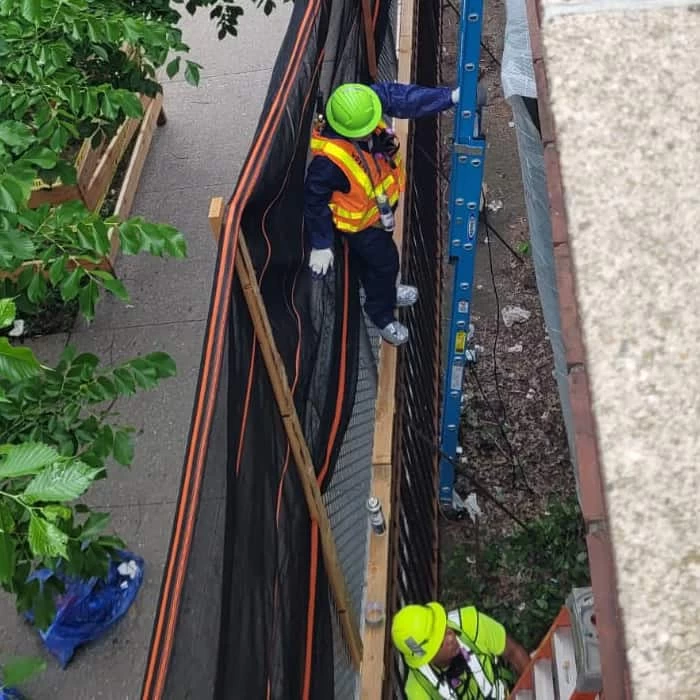
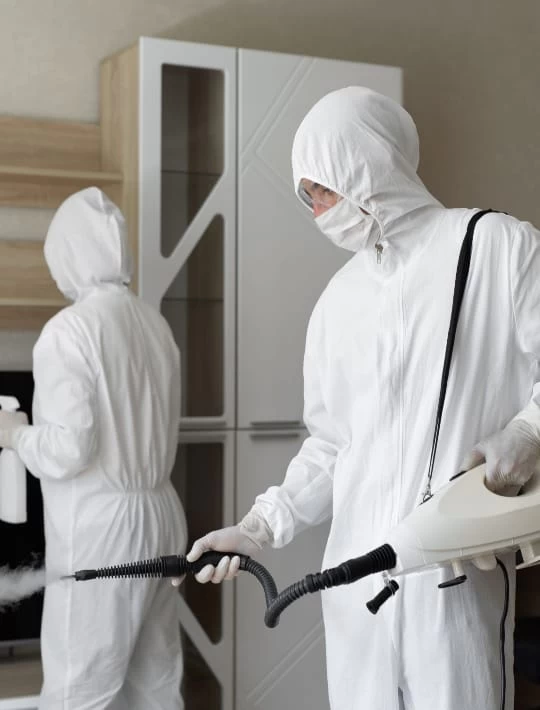
Once the investigation is complete, permits get filed with the NYC DOB and any required notifications go to the relevant agencies DEP, NYS DOL, and USEPA depending on the scope of the project. If abatement is needed, that work is completed first, with licensed workers, air monitoring, and proper hazardous waste disposal handled in full compliance with state and federal requirements. After clearance is confirmed, structural demolition proceeds.
Debris removal and site preparation are included. When the work is done, the site is clear and ready for whatever comes next whether that’s new construction, a foundation pour, or a sale. For properties damaged by flooding or storm events, emergency permits through NYC DEP can move significantly faster than standard review timelines, and we have experience navigating that process specifically for coastal and flood-zone properties.
Commercial and Residential Demolition Far Rockaway NY
Full Demolition Scope Built for Far Rockaway's Real Conditions
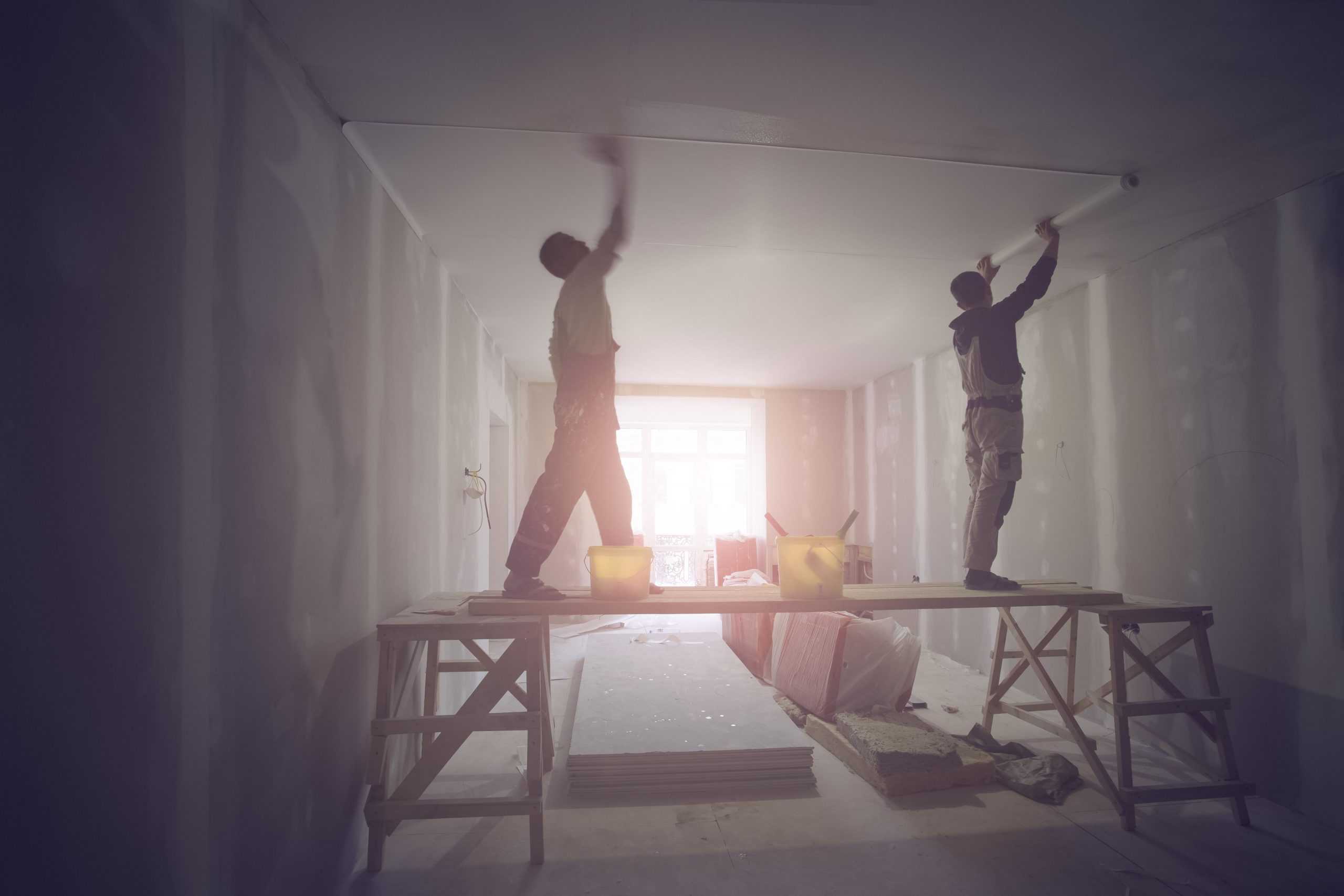
We handle the full range of demolition work that Far Rockaway properties actually require. That includes complete residential teardowns, interior gut renovations, selective demolition for remodels, and commercial demolition for the kind of projects happening right now along the Mott Avenue and Central Avenue corridor as part of the downtown revitalization effort. If you’re a developer working on infill housing or an investor preparing a site for new construction, we have the commercial demolition capacity and the multi-agency permit experience to keep a construction timeline intact.
For homeowners in Far Rockaway, the most common projects involve pre-war and mid-century homes in the older residential blocks between Beach 9th and Beach 32nd Streets structures that almost always require asbestos and lead paint assessment before any interior work begins. We conduct pre-demolition hazardous material surveys as standard practice, so there are no mid-project surprises and no emergency change orders when asbestos turns up in the floor tiles or pipe insulation.
Storm-damage and flood-damage demolition is also a core part of what we do here. Far Rockaway sits in a FEMA flood zone, and properties that sustain damage above 50% of their pre-damage value are often required to be demolished and rebuilt to current elevation standards. We understand that regulatory pathway, bill insurance carriers directly, and operate 24/7 for emergency response when a storm event creates an immediate structural safety issue.
Do I need an asbestos test before demolishing my Far Rockaway home?
Yes and this isn’t optional. Under NYC Local Law 76, an asbestos investigation is required before any renovation or demolition of a pre-1987 building in New York City. Far Rockaway’s housing stock makes this especially relevant: approximately 18% of homes in the neighborhood were built before 1940, and the median construction year is 1969. That means the vast majority of residential structures here predate both the 1978 lead paint ban and the 1980 asbestos threshold.
The investigation must be conducted by a DEP-certified asbestos investigator, who submits an ACP-5 form to the NYC Department of Buildings. The DOB will not issue a full demolition permit without it. Standard DEP review takes roughly 3 to 10 business days, though emergency permits for casualty situations fire damage, flood damage, structural failure can move faster. If asbestos is found, licensed abatement must be completed before any structural demolition begins. We handle the investigation, the abatement, and the demolition, so you’re not managing three separate contractors to get through a process that’s legally required regardless.
How much does demolition cost in Far Rockaway, NY?
Demolition costs in New York City are meaningfully higher than national averages, and Far Rockaway projects carry a few additional cost factors worth understanding upfront. Asbestos removal in New York runs approximately $20 to $65 per square foot, depending on the material type and extent of contamination. Independent air monitoring required by New York State law after abatement typically runs $600 to $1,200 per day. A pre-renovation asbestos survey generally costs between $650 and $2,200. Total residential asbestos abatement projects in New York commonly run between $3,000 and $15,000 or more depending on scope.
Beyond hazmat, Far Rockaway’s peninsula geography adds a logistical layer that affects pricing. All equipment and debris removal must transit the Cross Bay Veterans Memorial Bridge or come in through the Nassau County side that affects mobilization costs and debris hauling in ways that don’t apply to inland Queens neighborhoods. Contractors who quote unusually low prices for Far Rockaway demolition work are almost always excluding legally required line items the asbestos survey, air monitoring, licensed disposal, permit fees that get added back later or, worse, get skipped entirely and create liability for the property owner. A complete, accurate quote upfront is worth more than a low number that changes mid-project.
Can a Nassau County contractor do demolition work in Far Rockaway?
Not legally, no. Far Rockaway is in Queens, which is in New York City, which means all demolition work is subject to NYC Department of Buildings jurisdiction. Only contractors licensed by the NYC DOB can pull demolition permits for properties in Far Rockaway a Nassau County or Suffolk County contractor license does not authorize that work.
This is a real issue for homeowners in the eastern part of Far Rockaway and in Bayswater, where the Nassau County border is close and some residents are more familiar with Long Island-based contractors. Hiring a contractor who isn’t NYC DOB licensed can result in unpermitted work, stop-work orders, fines, and personal legal liability for the property owner even if the contractor was the one who skipped the permit. We’re based on Long Island and know the Nassau County border area well, but we hold full NYC DOB licensing and DEP certification, which means we can legally and properly handle demolition work anywhere in Far Rockaway’s ZIP codes.
My Far Rockaway home was damaged in a flood what's the demolition process?
Flood-damaged structures in Far Rockaway require a few specific considerations that don’t apply to standard demolition projects. First, if the property is in a FEMA-designated flood zone which covers a significant portion of Far Rockaway given its coastal and bay-adjacent location and the damage exceeds 50% of the structure’s pre-damage market value, the property may be required to be demolished and rebuilt to current floodplain elevation standards. That’s a regulatory requirement, not a contractor recommendation, and it affects permitting and rebuild planning from the start.
Second, mold becomes a factor almost immediately after water intrusion growth can begin within 24 to 48 hours. A flood-damaged structure that sits for days or weeks before demolition begins is a structure where the remediation scope is actively expanding. We operate 24/7 and can mobilize to the peninsula for emergency response, including navigating the Cross Bay Bridge to reach properties that need immediate attention. We also bill insurance carriers directly, which removes a significant administrative burden from property owners who are already managing displacement, insurance claims, and a damaged home at the same time.
What permits are required for demolition in Far Rockaway, NY?
A full demolition in Far Rockaway requires permits and notifications across multiple agencies, and the list depends on the scope of the project. At minimum, you need a demolition permit from the NYC Department of Buildings, which requires a licensed contractor to file on your behalf. Before that permit is issued, the DOB requires an ACP-5 form from a DEP-certified asbestos investigator confirming the structure has been assessed for asbestos-containing materials.
If asbestos is present and abatement is required, that work triggers NYS Department of Labor compliance under Industrial Code Rule 56, which governs worker licensing, air monitoring, and hazardous waste disposal. For projects above certain asbestos quantity thresholds, advance notification to the US EPA under NESHAP regulations is also required. If the property is within or adjacent to the Bungalow Historic District on Beach 24th through 26th Streets, NYC Landmarks Preservation Commission review may apply to exterior work. We manage the full permit and notification process filing with DOB, coordinating with DEP, and handling all required agency communications so the property owner isn’t trying to navigate a multi-agency process while also managing a construction timeline.
Does Green Island Group handle demolition for the redevelopment projects in Far Rockaway?
Yes. The development activity currently underway in Far Rockaway including the Edgemere Commons project bringing 2,050 units of affordable housing through 2031, the Arverne East development, and the infill projects along the Mott Avenue and Central Avenue corridor all require demolition of existing structures before new construction can begin. These are complex, permitted, multi-agency projects in an active urban environment, and they require a contractor with commercial demolition capacity and documented experience managing the NYC DOB, DEP, and DOL permitting process simultaneously.
We have that capacity. Beyond the permitting side, commercial demolition in Far Rockaway involves the same peninsula logistics that affect every project here equipment access, debris removal through limited bridge and road access points, and coordination with city agencies that have jurisdiction over a neighborhood undergoing significant change. We’ve completed demolition projects across Queens and Long Island, including in coastal and redevelopment contexts, and understand how to keep a commercial demo project on schedule in an environment where logistical and regulatory delays are the norm when a contractor isn’t prepared for them.