I needed a professional consultation explanation of procedure for safe removal of Asbestos in my apartment complex. Without having an account yet, I was very impressed with the caring, knowledgeable and generous advice offered by Jessica, and will look forward to doing business in the future. Thank you so much! I feel much more informed about a sometimes scary endeavor. Peace. Nancy Silva Mineola, NY.
Mia Munoz
Used this company to clean up some water flood in my house. They were fast and easy to work with.very professional, Would recommend to anyone!
Nini Valle
Great company, had a flood and they responded quickly and efficiently. Billed my insurance company directly. I highly recommend this company!
joe colapietro, jr
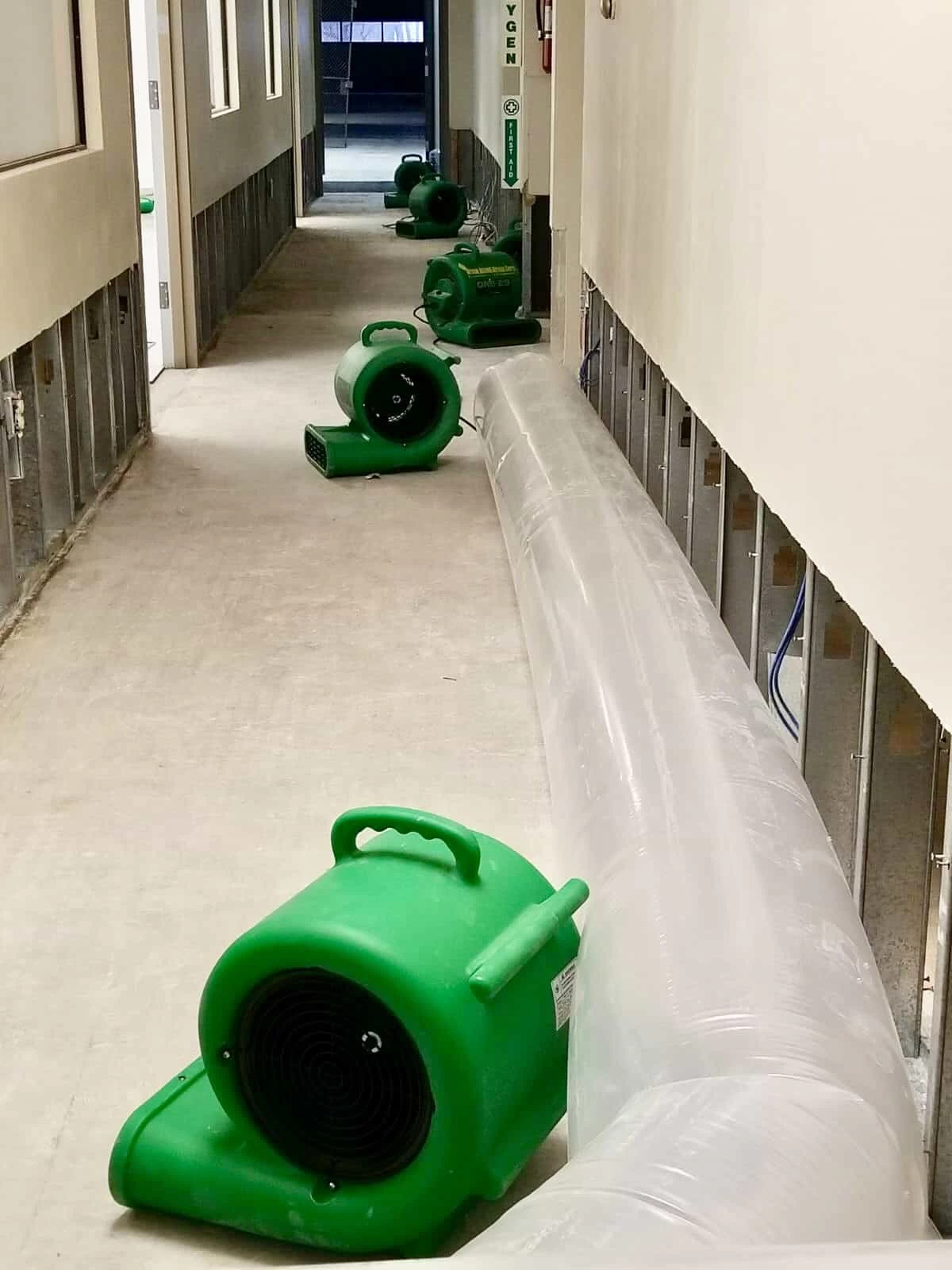
I had pipe freeze in my basement right before a snow storm and they made to within an hour to help start the clean up process. They we by our side throughout the entire process and even helped with the insurance company. They did such a great job with the cleanup, repair, remidiation, I contracted them to perform the repairs and finishes in the basement. They came with enough manpower and material to get the job done. Leo and Jessica were nothing but a pleasure to deal with!!
Cristian Arredondo c
I had some water damage in my home and Green Island was able to take care of my issue quickly and effectively. I am very pleased with the work they did. They responded quickly and were very professional.
Michael M
Outstanding service! From the office to the field crew everyone was friendly, helpful and responsive. I highly recommend Green Island Group.
What Changes When Your Contractor Knows Fire Island's Real Constraints
Most property owners on Fire Island have already made one mistake: hiring a contractor who treated the job like any other Suffolk County project. They showed up without an NPS driving permit. They didn’t know building materials can’t go on the passenger ferry on weekends. They found asbestos in the floor tiles of a 1960s cottage and had to stop everything mid-project to call someone else. That’s not a minor inconvenience out here. That’s weeks of lost time, a missed summer rental window, and a bill that looks nothing like the original quote.
When you work with a contractor who actually understands Fire Island, the project moves differently. Permits get pulled from the right building department whether that’s the Town of Islip, the Town of Brookhaven, or the Village of Ocean Beach because your community’s jurisdiction isn’t an afterthought. Freight scheduling gets built into the timeline from day one. And if asbestos or lead paint turns up in a pre-1980 structure, it gets handled in-house without stopping the clock.
The island’s housing stock is aging, and the Atlantic doesn’t give it much mercy. Salt air, storm surge, and decades of coastal humidity break structures down faster than anything you’d find in a mainland neighborhood. That’s exactly why the contractor you hire here needs to be ready for what they find not scrambling to figure it out after the demo has already started.
5,000 Projects In. Zero Surprises Left to Surprise Us.
We’re based in Bohemia, NY about 15 miles from the Bay Shore ferry terminal, which means we’re not a distant contractor treating Fire Island as an afterthought. We’re a Suffolk County operation that knows the south shore, understands the ferry system, and has worked in the same regulatory environment that governs your Fire Island project.
Over 12 years and more than 5,000 completed projects across Long Island and New York City, we’ve handled demolition in some of the most permit-heavy, logistically complex environments in the region. We’re licensed by the NYS Department of Labor for asbestos abatement, carry $2 million in general liability coverage, and operate 24/7 including emergency response for storm-damaged properties.
Fire Island has been hit hard. Hurricane Sandy alone destroyed roughly 200 homes on the island. The Army Corps of Engineers was still executing emergency shoreline repair contracts as recently as 2024. When the next storm causes damage to your Fire Island home, you want a contractor who picks up the phone and knows exactly what steps come next not one who’s figuring out the NPS permit process for the first time.
It starts with a thorough assessment of the structure and property. Before anything gets touched, we identify what’s there the age of the building, likely materials, flood zone designation, and which governing authority holds jurisdiction over your specific Fire Island community. A property in Fair Harbor falls under the Town of Islip. One in Davis Park falls under the Town of Brookhaven. That distinction matters when it comes to pulling permits, and getting it wrong costs time.
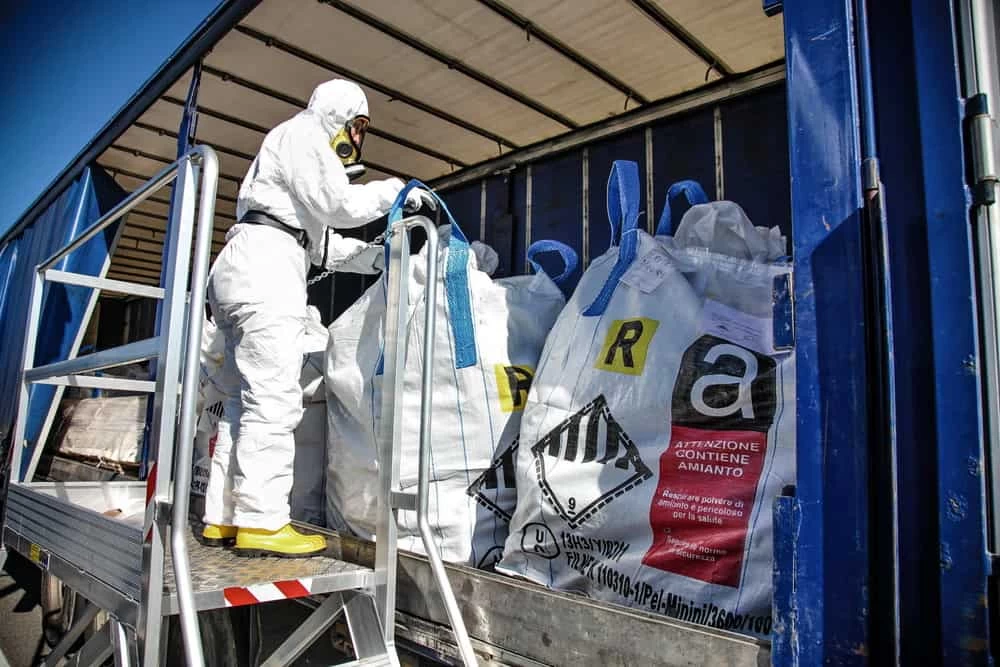
From there, we handle the pre-demolition asbestos survey. Under NYS Department of Labor regulations, a licensed inspector must evaluate the structure before demo begins. If regulated asbestos-containing material is found which is common in Fire Island’s post-war cottage stock we handle abatement in-house. No second contractor. No project pause while someone else figures out the ferry schedule.
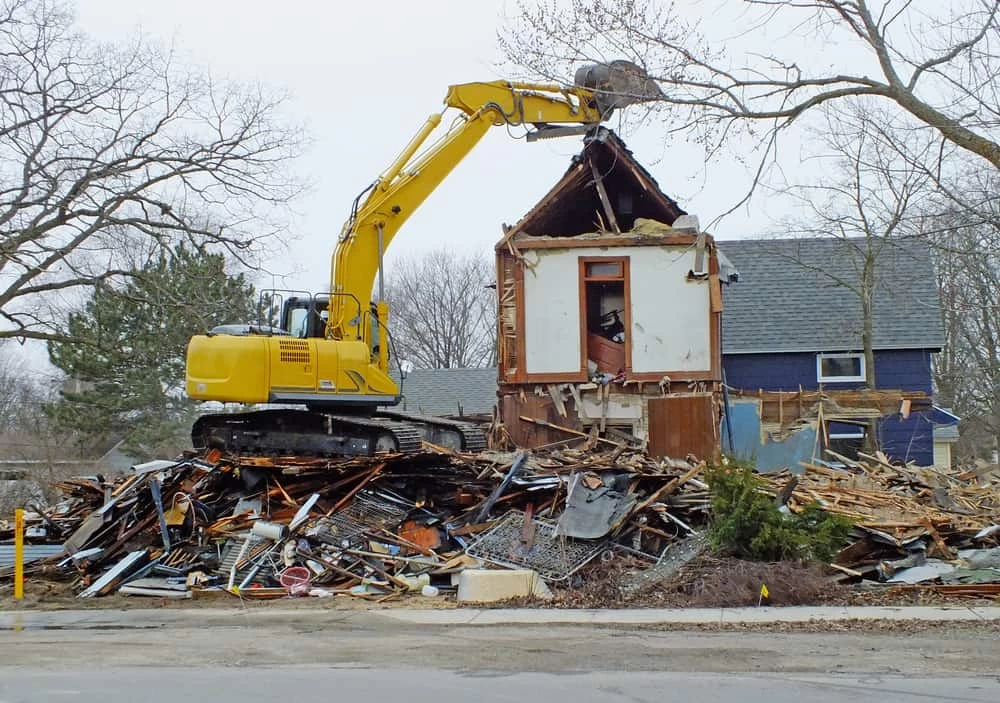
Once clearance is confirmed and permits are in hand, we coordinate the logistics: NPS driving permits, freight ferry scheduling for equipment and debris removal, and on-island material handling via the unpaved service paths. Demo proceeds in a controlled sequence, with debris removed according to all applicable environmental regulations. Throughout the project, we communicate proactively because we know most Fire Island property owners are managing this remotely from the mainland and shouldn’t have to chase updates.
Full Demo, Abatement, and Permits One Contractor, One Call
What makes demolition on Fire Island different from anywhere else in Suffolk County isn’t just the ferry. It’s the layered regulatory environment that most contractors don’t see coming. You’ve got National Park Service oversight across most of the island’s land area. You’ve got FEMA Special Flood Hazard Area designations that trigger strict rules the moment storm damage crosses the 50% substantial damage threshold which often means the existing structure has to come down entirely before new construction can begin. And you’ve got building departments from three different towns, plus village-level review in Ocean Beach and Saltaire, all potentially involved in a single Fire Island project.
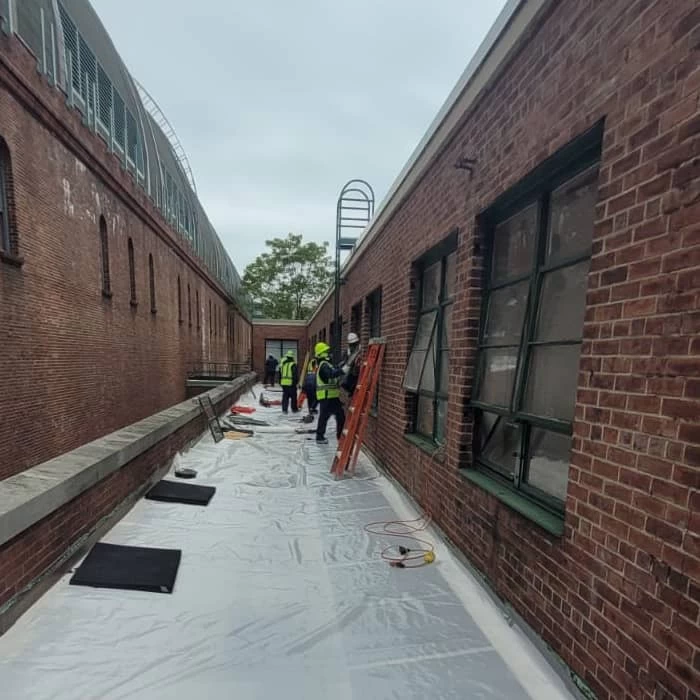
We handle residential demolition, selective interior demolition, commercial demolition, and full structural teardowns. We manage the complete permit process across all applicable jurisdictions not just the standard building permit, but the full regulatory picture. Our asbestos abatement team is NYS DOL-certified and works alongside our demolition crew, which means the project doesn’t stop if hazardous materials are discovered in a pre-1980 structure. Lead paint, mold, and environmental remediation are all handled under the same roof.
We also work directly with insurance companies. If your property sustained storm damage and you’re navigating a FEMA claim or private insurance settlement, we support the documentation process alongside the physical work. For Fire Island property owners racing to complete demo before the summer rental season opens, that kind of coordination isn’t a bonus it’s what keeps the project on schedule.
Do demolition contractors on Fire Island need a special permit to work?
Yes and it’s one of the details that catches a lot of contractors off guard. Any contractor operating a motor vehicle on Fire Island must obtain a driving permit from the National Park Service before work begins. This is completely separate from the building permit you’d pull from the Town of Islip, Town of Brookhaven, or Town of Babylon depending on which community your property is in. Skipping this step doesn’t just create a compliance problem it can shut down your project entirely.
Beyond the NPS driving permit, demolition on Fire Island typically requires a building permit from the applicable town or village building department, pre-demolition asbestos clearance documentation, and in many cases, FEMA flood zone compliance review if the structure has sustained significant storm damage. We manage all of this upfront, so you’re not discovering a missing permit layer three weeks into the job.
What happens if asbestos is found during a demolition project on Fire Island?
It’s more common than most people expect. A significant portion of Fire Island’s housing stock was built between the 1940s and 1970s, when asbestos was used routinely in floor tiles, pipe insulation, joint compound, roofing underlayment, and boiler wrap. Under NYS Department of Labor regulations and USEPA NESHAP rules, a licensed asbestos inspector must survey the structure before demolition begins. If regulated asbestos-containing material is found above threshold quantities, abatement must be completed by a licensed contractor before demo can proceed.
On the mainland, this means a scheduling delay and a second contractor. On Fire Island, it means that second contractor also has to navigate the ferry, the NPS permit process, and the freight scheduling which can add weeks to your timeline. We handle asbestos abatement in-house with a NYS DOL-certified team, so when it turns up, the project keeps moving. No stoppage, no scrambling for a second crew, no missed summer window.
How does FEMA's substantial damage rule affect demolition decisions on Fire Island?
Fire Island is entirely within FEMA-designated Special Flood Hazard Areas, which means this rule applies to every property on the island. The threshold is 50%: if your home sustains damage that exceeds 50% of its pre-damage market value whether from a single storm event or cumulative damage FEMA requires that any replacement structure be brought into full compliance with current flood zone elevation standards. In practical terms, that almost always means the existing structure needs to come down before new construction can begin.
This rule has been triggered repeatedly on Fire Island since Hurricane Sandy, and it continues to apply after every significant storm event. If you’re unsure whether your property crosses the threshold, the first step is a damage assessment through your local building department and FEMA. We can work alongside that process we understand what substantial damage determinations mean for demo scope, timeline, and what documentation your insurance claim will need to support the work.
How do building materials and equipment actually get to a Fire Island demolition site?
Everything travels by ferry and the scheduling rules matter more than most people realize. Building materials and heavy equipment cannot be transported on passenger ferries on weekends. A dedicated freight boat is required, and that freight service only runs on weekdays. For a demolition project, that means debris removal, equipment transport, and any materials needed for site prep all have to be coordinated around the weekday freight schedule. Miss a window and you’re waiting until the following week.
Once on the island, there are no paved roads in the residential communities. All on-site material handling is done on foot, by wagon, or by small utility vehicle on unpaved service paths. We build all of this into the project plan before work begins freight scheduling, NPS vehicle permits, on-island logistics so the timeline you’re quoted actually reflects how the job runs on Fire Island, not how it would run on a mainland site.
Can a demolition contractor on Fire Island help with storm damage insurance claims?
Yes, and it’s something worth asking about directly before you hire anyone. Post-storm demolition on Fire Island is frequently insurance-driven between FEMA claims, private homeowner policies, and in some cases New York Rising rebuilding program involvement, the documentation requirements can be significant. A contractor who understands how to support that process providing accurate scope documentation, damage assessments, and clear records of what was removed and why can make a real difference in how smoothly your claim moves.
We have direct experience working alongside insurance companies on storm-damaged properties across Long Island. Given that Fire Island has been hit hard by Sandy and multiple subsequent storm events, and that the Army Corps of Engineers was still working on emergency shoreline repairs in 2024, this isn’t a rare scenario out here it’s a regular part of how demolition projects on this island start. We can help you navigate the claim process alongside the physical work, so you’re not managing two separate tracks on your own from the mainland.
What's the best time of year to schedule a demolition project on Fire Island?
For most Fire Island property owners, the answer is as early in the spring as possible. The island’s construction window is compressed by its seasonal nature the majority of homeowners want demolition and rebuilding completed before summer, when rental income kicks in and the island fills up. That creates a concentrated period of high demand and limited contractor availability between roughly March and May, which means the earlier you book, the better your scheduling options.
The off-season November through March has fewer ferry runs, reduced freight capacity, and weather that can complicate outdoor demo work. That said, emergency demolition after a nor’easter or storm surge event can happen any time of year, and we operate 24/7 for exactly that reason. If your property sustains damage in the fall or winter, waiting until spring isn’t always an option especially if the structure poses a safety risk or if your insurance claim requires documented removal within a specific timeframe.