In Hamilton Grange, almost every building predates 1930. That means asbestos, lead paint, LPC oversight, and permits before a single wall comes down we handle all of it.
I needed a professional consultation explanation of procedure for safe removal of Asbestos in my apartment complex. Without having an account yet, I was very impressed with the caring, knowledgeable and generous advice offered by Jessica, and will look forward to doing business in the future. Thank you so much! I feel much more informed about a sometimes scary endeavor. Peace. Nancy Silva Mineola, NY.
Mia Munoz
Used this company to clean up some water flood in my house. They were fast and easy to work with.very professional, Would recommend to anyone!
Nini Valle
Great company, had a flood and they responded quickly and efficiently. Billed my insurance company directly. I highly recommend this company!
joe colapietro, jr
I had pipe freeze in my basement right before a snow storm and they made to within an hour to help start the clean up process. They we by our side throughout the entire process and even helped with the insurance company. They did such a great job with the cleanup, repair, remidiation, I contracted them to perform the repairs and finishes in the basement. They came with enough manpower and material to get the job done. Leo and Jessica were nothing but a pleasure to deal with!!
Cristian Arredondo c
I had some water damage in my home and Green Island was able to take care of my issue quickly and effectively. I am very pleased with the work they did. They responded quickly and were very professional.
Michael M
Outstanding service! From the office to the field crew everyone was friendly, helpful and responsive. I highly recommend Green Island Group.
What Actually Changes When You Work With a Contractor Who Handles Everything
Most demolition headaches in Hamilton Grange don’t start with the demo itself. They start before it when a property owner finds out their 1908 brownstone on Convent Avenue requires an asbestos assessment before the DOB will even issue a permit. Then they find out their contractor doesn’t handle that. Then the project stalls for weeks while they track down a separate abatement crew. That’s the version of this story you want to avoid.
When you work with us a contractor who handles demolition and asbestos abatement under the same roof the project doesn’t stop at the first complication. The assessment gets done, the ACP-5 gets filed with NYC DEP, and the work moves forward on a timeline that actually holds. For gut renovations in pre-war co-ops along Amsterdam Avenue or rowhouses in the Sugar Hill Historic District, that continuity is the difference between a six-week project and a four-month one.
There’s also the regulatory layer that catches people off guard. Hamilton Grange sits within multiple Landmarks Preservation Commission historic districts. If your property is in one of them, exterior work requires LPC review before you touch anything. A contractor who doesn’t know that going in will cost you time, money, and possibly a stop-work order. You need someone who’s already navigated that process not someone learning it on your project.
We’ve been doing demolition and environmental work across New York State for over 12 years, with more than 5,000 completed projects and 340+ specifically within New York City’s five boroughs. That’s not a number pulled from a brochure it reflects years of working inside Manhattan’s regulatory framework, including the DOB permit process, DEP asbestos certifications, and LPC historic district requirements that apply directly to properties in Hamilton Grange.
We’re EPA and OSHA certified, hold NYC DOB Special Contractor registration, and carry Minority and Woman-Owned Business Enterprise (MWBE) certification from New York State which matters if you’re managing a project at City College of New York or any other public institution in the Community Board 9 district. We’re also an approved contractor for various New York State agencies, which means the vetting has already been done at the government level.
What you actually get is a team that handles demolition, asbestos abatement, lead paint removal, and site prep without handing you off to someone else mid-project. One call. One crew. One timeline.
It starts with a site assessment. Before anything gets quoted or scheduled, our team walks the property and identifies what’s actually in front of us structural layout, material hazards, access constraints, and permit requirements. In Hamilton Grange, that last part matters more than most places. If your building predates 1987, which nearly every building here does, an asbestos assessment is mandatory before a DOB demolition permit can be issued. We handle that assessment in-house, file the required ACP-5 or ACP-7 form with NYC DEP, and don’t hand you a clipboard and tell you to figure it out.
Once permits are in order, the actual demolition work begins whether that’s a full interior gut, selective structural demo, or targeted removal in a specific area. If you’re in a co-op building, we coordinate directly with building management to provide the insurance certificates, work plans, and documentation the board requires before any crew sets foot on the property. That step alone saves most Manhattan clients a significant amount of back-and-forth.
After demolition, the site is cleared, debris is removed, and the space is left ready for whatever comes next renovation, reconstruction, or inspection. If asbestos abatement was required, independent air monitoring confirms clearance before the project is closed out. The whole process is documented, permitted, and compliant from start to finish.
Commercial Demolition Contractors Hamilton Grange NY
Every Scope Hamilton Grange Actually Throws at a Demo Crew
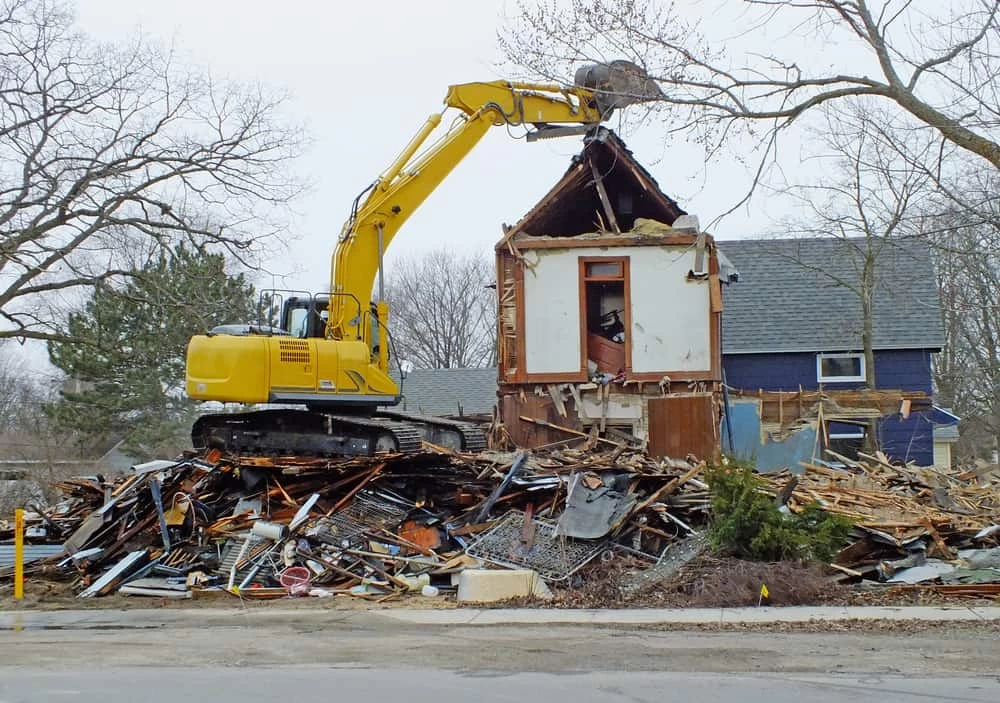
Hamilton Grange isn’t a single type of demolition market. On any given block between 135th and 155th Streets, you might have a brownstone gut renovation, a co-op unit being fully stripped before resale, a fire-damaged apartment that needs immediate partial demolition, or an institutional space at City College getting reconfigured for a new program. We handle all of it interior demolition, full structural teardown, selective demo, emergency response, and everything in between.
The environmental piece is built into every project, not treated as an add-on. Given that virtually every structure in Hamilton Grange predates 1978 and most predate 1930 asbestos in pipe insulation, floor tiles, and plaster is common. Lead paint is standard in pre-1978 buildings. Both are addressed before demolition begins, not discovered halfway through. We’re EPA-certified for abatement and handle all DEP filings, so you’re not managing two separate contractors and two separate compliance tracks.
For properties within the Hamilton Heights Historic District or the Hamilton Heights/Sugar Hill Historic District, we’re familiar with what LPC review requires and how to keep a project moving through that process. For institutional clients in the CB9 district, our MWBE certification means we already meet procurement requirements. And for anyone dealing with water damage, fire damage, or storm-related structural failure, our 24/7 availability means the response happens when you need it not the next business day.
Do I need an asbestos test before demolishing walls in my Hamilton Grange apartment?
Yes and in Hamilton Grange, this applies to virtually every property. Under NYC Department of Buildings rules, any building constructed before 1987 requires an asbestos assessment before a demolition permit can be issued. Given that nearly all of Hamilton Heights’ housing stock dates from the late 19th and early 20th centuries, this isn’t an edge case. It’s the baseline.
The assessment must be conducted by a DEP-Certified Asbestos Investigator. If asbestos is found at project-level concentrations, an ACP-7 Asbestos Project Notification must be filed with NYC DEP before work begins. If the assessment comes back clean, an ACP-5 exemption form is filed instead, and the DOB permit process can move forward. We handle both the assessment and the filing in-house, so you’re not left coordinating between multiple parties before your project can even start. The permit process in Manhattan is layered enough without adding unnecessary handoffs.
How does the NYC Landmarks Preservation Commission affect demolition in Hamilton Heights?
If your property falls within one of Hamilton Grange’s designated historic districts the Hamilton Heights Historic District, the Hamilton Heights/Sugar Hill Historic District, or the Hamilton Heights/Sugar Hill Northwest Historic District any work that changes the exterior appearance of the building requires review and approval from the NYC Landmarks Preservation Commission before it can proceed. That includes façade alterations, window replacements, and exterior demolition work on contributing structures.
This doesn’t mean demolition is off the table. It means the process requires an additional step that many contractors aren’t prepared for. LPC review requires specific documentation, and depending on the scope, a Certificate of Appropriateness may need to be issued before work begins. Interior demolition in most cases does not trigger LPC review, but it’s worth confirming before you start. Working with a contractor who already understands this process and knows how to keep the project timeline intact while navigating it is one of the more practical decisions you can make before starting a gut renovation in Hamilton Grange.
What does interior demolition actually cost in upper Manhattan?
Interior demolition in Manhattan typically runs between $4 and $17 per square foot, depending on the scope of work, the materials involved, and what’s discovered once the walls open up. In Hamilton Grange specifically, the pre-war nature of the building stock means asbestos abatement is a realistic line item for most gut renovation projects and that cost needs to be factored in from the beginning, not treated as a surprise once demo starts.
The most common reason costs run over in this neighborhood isn’t the demolition itself it’s the discovery of hazardous materials that weren’t accounted for in the original scope. A contractor who includes asbestos assessment as part of the initial walkthrough, rather than quoting demolition alone and flagging abatement later, gives you a much more accurate number upfront. Get an itemized quote that breaks out demolition, abatement (if required), permit costs, and debris removal separately. That’s the version of a quote that actually holds.
Can a demolition contractor in Hamilton Grange handle both asbestos removal and the demo itself?
Yes and that’s exactly the setup you want for pre-war Manhattan work. The alternative is hiring a demolition contractor who stops work when asbestos is found, then waiting for a separate licensed abatement crew to complete removal, then restarting demolition after clearance air monitoring is done. In a co-op building where the board has approved a specific work window, or in a renovation with a fixed move-in deadline, that kind of delay is a real problem.
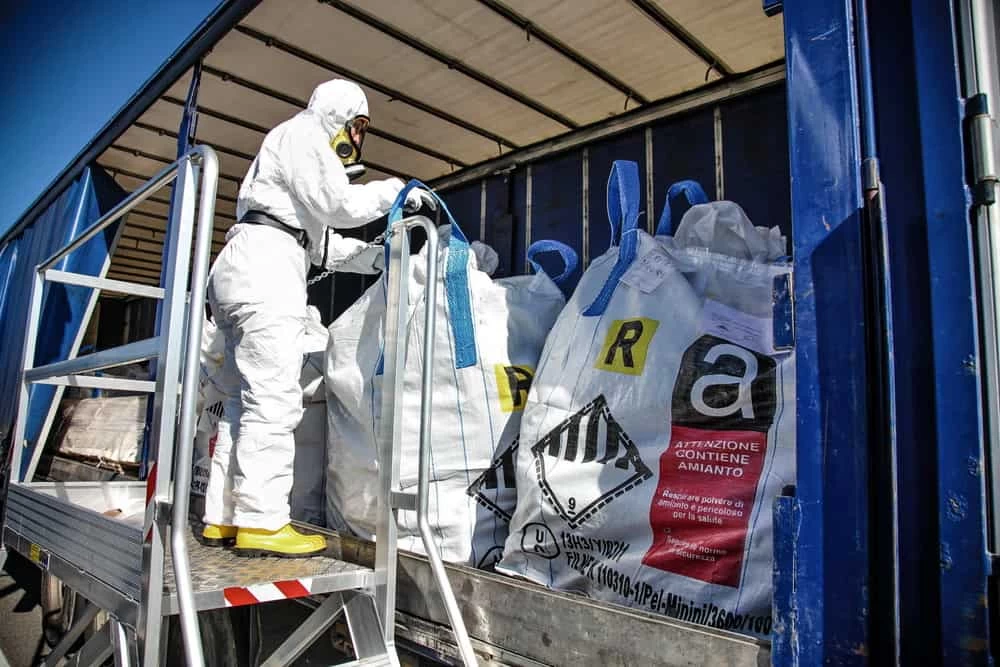
We’re EPA and OSHA certified for asbestos abatement and handle it as part of the same project scope as the demolition work. The assessment, the DEP filings, the abatement, the air monitoring, and the demolition are all managed by one team on one timeline. For Hamilton Grange brownstones and pre-war apartment buildings where asbestos in floor tiles, pipe insulation, and plaster is common, having that handled under one roof isn’t a convenience it’s a practical necessity for keeping the project on schedule.
Does my co-op board in Hamilton Heights need to approve my demolition contractor?
Most co-op buildings in Manhattan require contractors to submit documentation to the building’s management before any work begins. That typically includes a current certificate of insurance naming the building as an additional insured, a scope of work or work plan, proof of NYC DOB licensing, and sometimes a pre-work walkthrough with the building’s superintendent. The specific requirements vary by building, but in Hamilton Grange’s pre-war co-op stock, some version of this process is standard.
What this means practically is that your contractor needs to be prepared to provide that documentation quickly and completely because the building board won’t approve work based on a verbal description or a one-page estimate. We’ve worked in Manhattan co-op buildings and handle this coordination directly with building management as part of the project intake process. You don’t have to serve as the go-between. The paperwork gets submitted, the requirements get met, and the work gets scheduled without you spending a week chasing down insurance certificates.
Is Green Island Group available for emergency demolition in Hamilton Grange?
Yes 24 hours a day, seven days a week. In a neighborhood where the majority of buildings date back over a century, emergency situations aren’t rare. A burst pipe in a 1910 rowhouse in the middle of February, fire damage in a pre-war apartment building, or structural failure following a severe storm can all require immediate partial or full demolition before any reconstruction can begin. Waiting until the next business day isn’t always an option.
We have a documented track record of responding to emergency calls within an hour in Manhattan. For Hamilton Grange property owners dealing with water damage or fire damage, we also coordinate directly with insurance carriers providing the documentation insurers require and handling the claims communication so you’re not managing that on top of an already stressful situation. If the damage is covered, the process of getting the work authorized and started moves faster when your contractor already knows how to talk to adjusters. That’s a meaningful difference when you’re dealing with an active emergency in your building.