Hampton Bays Teardowns Done Right Permits, Asbestos, and All
Most demolition jobs in Hampton Bays hit a wall the moment asbestos shows up or the Southampton Town permit process kicks in. We handle both so your project keeps moving.
I needed a professional consultation explanation of procedure for safe removal of Asbestos in my apartment complex. Without having an account yet, I was very impressed with the caring, knowledgeable and generous advice offered by Jessica, and will look forward to doing business in the future. Thank you so much! I feel much more informed about a sometimes scary endeavor. Peace. Nancy Silva Mineola, NY.
Mia Munoz
Used this company to clean up some water flood in my house. They were fast and easy to work with.very professional, Would recommend to anyone!
Nini Valle
Great company, had a flood and they responded quickly and efficiently. Billed my insurance company directly. I highly recommend this company!
joe colapietro, jr
I had pipe freeze in my basement right before a snow storm and they made to within an hour to help start the clean up process. They we by our side throughout the entire process and even helped with the insurance company. They did such a great job with the cleanup, repair, remidiation, I contracted them to perform the repairs and finishes in the basement. They came with enough manpower and material to get the job done. Leo and Jessica were nothing but a pleasure to deal with!!
Cristian Arredondo c
I had some water damage in my home and Green Island was able to take care of my issue quickly and effectively. I am very pleased with the work they did. They responded quickly and were very professional.
Michael M
Outstanding service! From the office to the field crew everyone was friendly, helpful and responsive. I highly recommend Green Island Group.
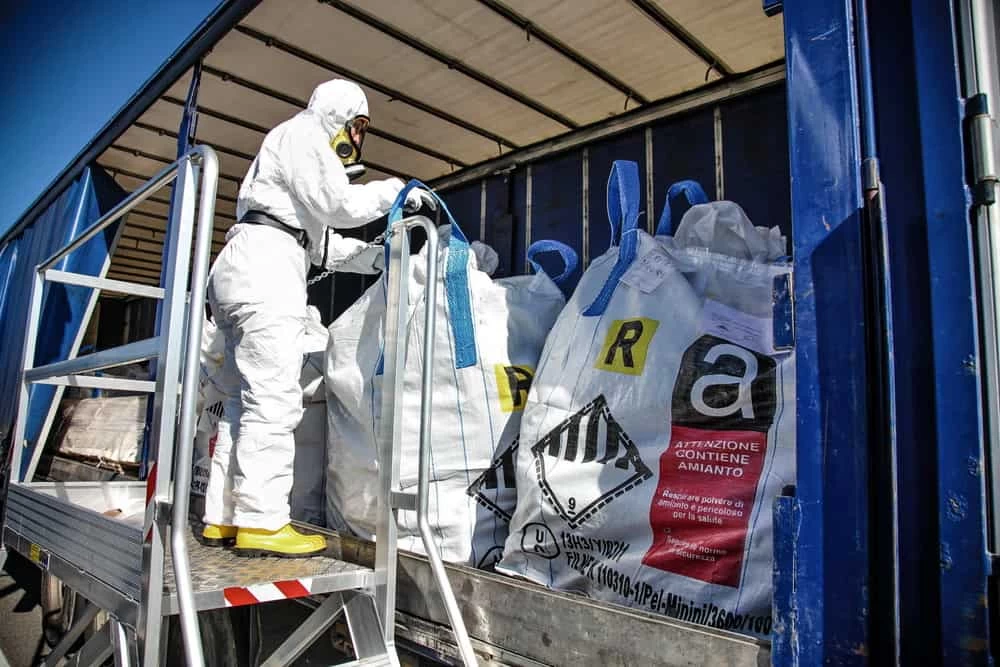
Hampton Bays has one of the oldest housing stocks on the South Fork. With a median construction year of 1975 and a large portion of homes built in the 1950s and 1960s, the reality is that most full demolitions here will turn up asbestos in the insulation, the floor tiles, the roofing, or the ceiling materials. When that happens mid-project with the wrong contractor, work stops. With us, it doesn’t. We handle asbestos abatement in-house with a team holding active NYS Department of Labor certifications, which means no second contractor, no remobilization fee, and no delay to your builder’s schedule.
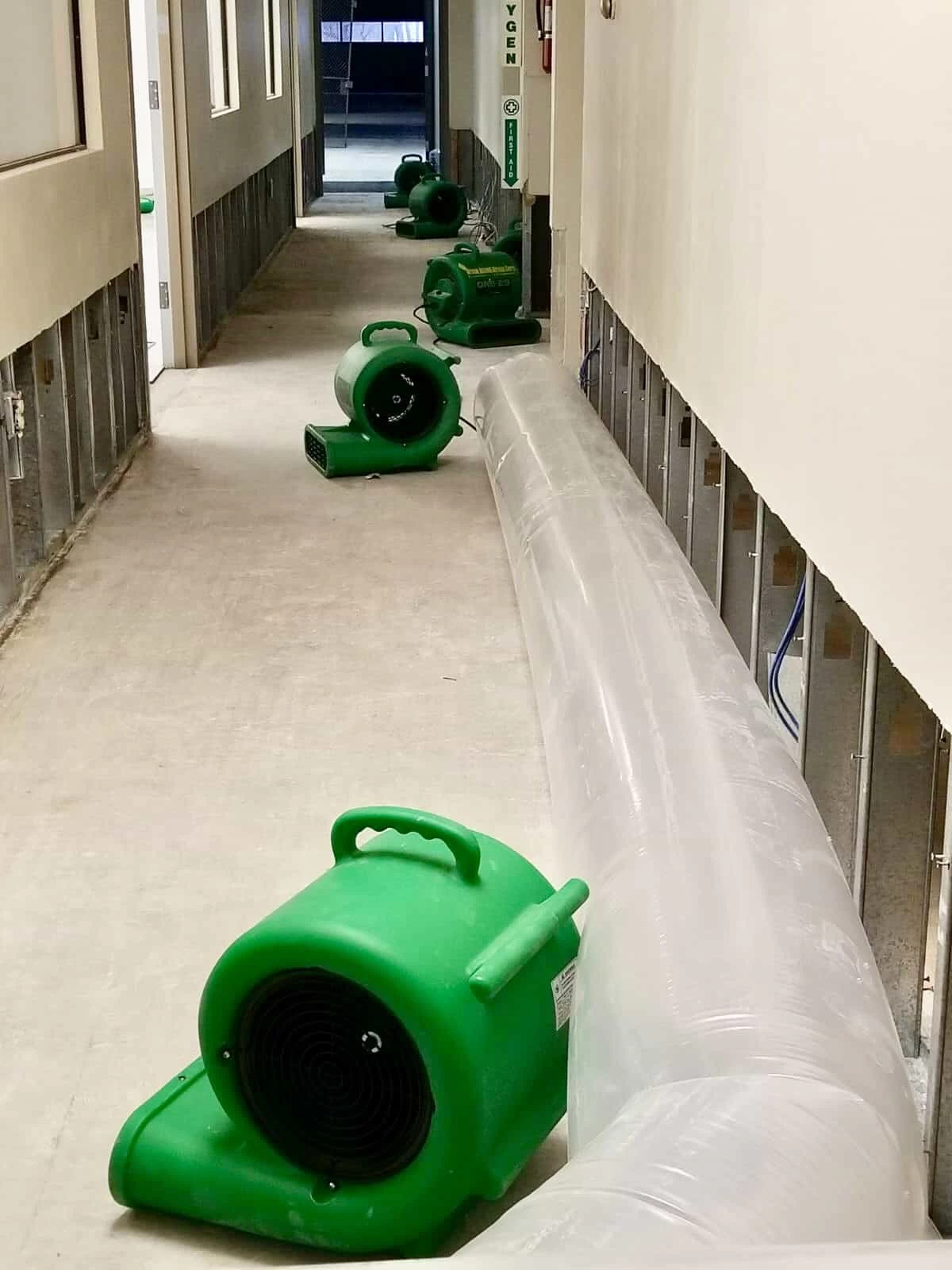
The coastal geography here also creates a category of demolition demand you don’t see in most of Suffolk County. Nor’easters flood Dune Road. Storm surge reaches the Tiana Bay neighborhoods. Properties along the Shinnecock Bay shoreline take damage that escalates fast mold can start within 24 to 48 hours of flooding. When a structure needs to come down quickly after a storm event, you need a contractor who responds the same day, documents the damage properly for your insurance adjuster, and gets to work. That’s what we do, and it’s exactly what the coastal exposure in Hampton Bays demands.
For property owners doing a teardown-and-rebuild replacing a dated 1,000-square-foot cottage with a modern home that actually captures what this market is worth the end goal is a clean, compliant site handed off to your builder without loose ends. No open permits. No unresolved hazmat. No surprises.
12 Years In, 5,000 Projects Deep With Deep Roots on the South Fork
We’ve been operating across Suffolk County for over 12 years, with a specific track record right here in Hampton Bays and the surrounding South Fork communities. That means the Southampton Town Building Department isn’t new territory neither is the debris permit requirement at the Highway Department on Jackson Avenue right here in Hampton Bays, or the historic review process that kicks in for structures built before 1941.
We’ve completed more than 5,000 projects across Long Island and New York City, integrating demolition, asbestos abatement, mold remediation, and environmental work under one roof. For Hampton Bays property owners whether you’re on Dune Road, near the Shinnecock Canal corridor, or in one of the neighborhoods off Montauk Highway that means one call covers the full scope. No handoffs. No gaps. No contractor finger-pointing when something unexpected comes up mid-project.
We carry $2M+ in general liability insurance, hold active NYS DOL asbestos certifications, and are licensed with the Town of Southampton. The credentials aren’t decorative they’re what allow the work to move forward legally in this jurisdiction.
How We Move a Demolition Project Forward in Hampton Bays
Every demolition project in Hampton Bays starts with a site assessment. We walk the property, identify what’s there structure type, construction era, proximity to neighboring properties, and any visible indicators of hazardous materials. For homes built before 1980, asbestos testing is required under New York State law before demolition can legally proceed, so we handle that upfront, not discovered mid-project.
From there, the permit process begins. In Hampton Bays, that means filing with the Town of Southampton’s Building and Zoning Division and obtaining a separate debris permit from the Highway Department on Jackson Avenue. If the structure predates 1941, the application gets referred to the Historical Landmark Committee, which has a 45-day review window something worth knowing before you’ve committed to a construction start date. If your property falls south of the Coastal Erosion Hazard line, like many properties along Dune Road or near Ponquogue, a Coastal Erosion Hazard Permit is required on top of the standard demolition permit. These aren’t obstacles they’re the process, and knowing them in advance keeps your timeline intact.
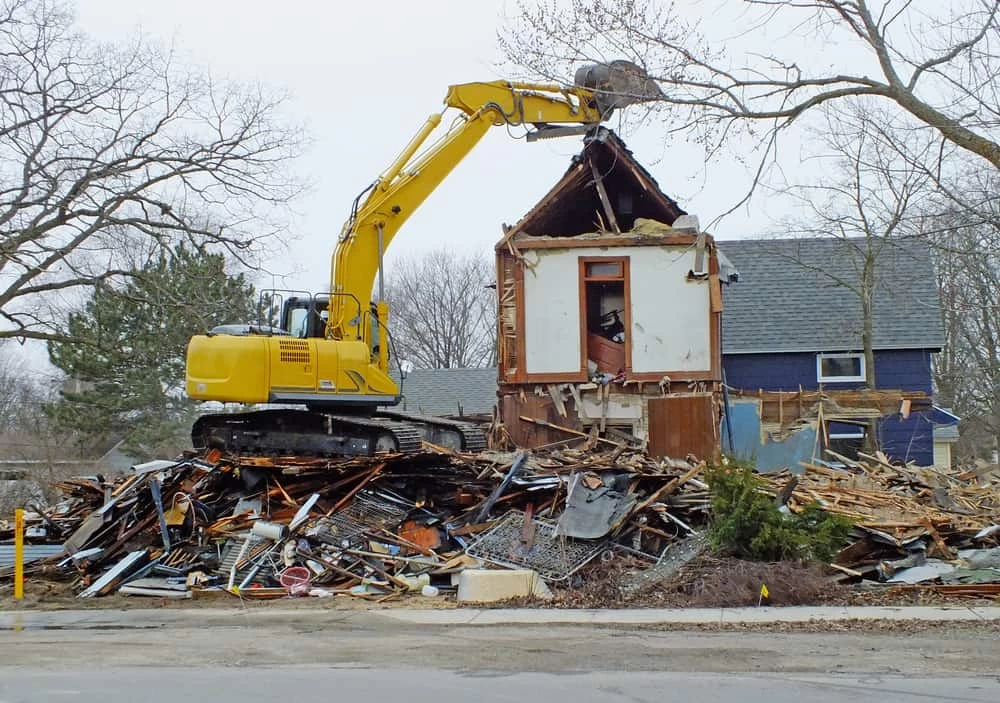
Once permits are in hand and any abatement work is complete, the physical demolition proceeds. We handle full structural teardown, debris removal, and site clearance. If the project involves insurance storm damage, flood damage, fire we document everything in a format that works for your adjuster, not just for the job file.
Full Scope, From First Permit to Final Debris Haul
We handle both residential and commercial demolition in Hampton Bays. On the residential side, that covers full structural teardowns, interior gut demolitions, and partial structural removal common in properties being renovated rather than fully replaced. Given that 88.8% of Hampton Bays housing units are detached single-family homes, the majority of residential work here involves the exact building type we have the most experience with.
On the commercial side, Hampton Bays has an active business corridor along Montauk Highway and a marine-centric strip along the Shinnecock Canal marinas, seafood markets, restaurants, and waterfront businesses that need demolition work managed carefully to minimize disruption to neighboring operations. Commercial permit applications in Southampton Town require five-copy survey submissions and additional documentation that residential projects don’t, and we know what that package needs to look like before it goes in.
Across both residential and commercial work, our integrated model is what separates us from a standard demolition contractor. We handle asbestos abatement, mold remediation, lead paint removal, and environmental remediation all in-house. If your Hampton Bays property has been sitting vacant, flood-damaged, or hasn’t been touched since the 1960s, there’s a high probability the demolition scope involves more than just the structure itself. We scope for what’s actually there so the number you get upfront reflects the full project, not just the easy part of it.
Do I need a permit to demolish a house in Hampton Bays, NY?
Yes and in Hampton Bays specifically, you need more than one. The Town of Southampton’s Building and Zoning Division requires a demolition permit before any structure can be taken down. That application needs to include copies of all Certificates of Occupancy and Compliance for the structures being removed, along with three copies of a survey showing all structures on the property.
On top of that, Southampton Town requires a separate Highway Road Usage for Debris Permit, which is obtained from the Highway Department at 20 Jackson Avenue right here in Hampton Bays. That’s a step a lot of out-of-area contractors miss entirely. If the structure was built before 1941, the application also gets referred to the Historical Landmark Committee for a review that can take up to 45 days which matters a lot if you’re trying to hit a specific construction start date. Knowing these requirements before you start is the difference between a project that moves and one that stalls.
Does asbestos have to be removed before demolition starts in Hampton Bays?
Under New York State law, yes. Any structure built before 1980 must be tested for asbestos-containing materials before demolition begins. If regulated asbestos is found, it has to be abated by a licensed contractor before the physical demolition can proceed. This isn’t optional it’s enforced by the NYS Department of Labor’s Asbestos Control Bureau, and violations carry real penalties.
In Hampton Bays, this matters more than it does in newer communities. The median construction year here is 1975, and a significant portion of the housing stock was built in the 1950s and 1960s exactly the era when asbestos was routinely used in pipe insulation, floor tiles, roofing shingles, ceiling tiles, and boiler wrap. For most full demolitions in this hamlet, asbestos isn’t a possibility it’s an expectation. We hold active NYS DOL asbestos certifications, so when it shows up, the project doesn’t stop. We handle abatement in-house, and the demolition continues on schedule.
What does a full house demolition cost in Hampton Bays, NY?
Demolition costs in Hampton Bays typically range from $15,000 to $50,000 for a standard residential structure, depending on size, construction type, and what’s found during the pre-demolition assessment. If asbestos abatement is required which it often is given the age of the local housing stock that adds to the overall cost, but it’s a fixed, scoped line item, not an open-ended unknown.
The permit fees themselves are relatively modest, but the process has multiple steps in Southampton Town, and delays from incomplete applications or missed permit requirements can push a project back weeks. The debris permit, the building permit, and for older structures the historic review all run on separate tracks. For properties near Dune Road or along the Shinnecock Bay shoreline, a Coastal Erosion Hazard Permit adds another layer. The best way to get an accurate number for your specific property is a site walkthrough because in Hampton Bays, what’s behind the walls and what’s under the property matters as much as the structure above ground.
What happens if my Hampton Bays property is in the Coastal Erosion Hazard Area?
If your property falls south of the Coastal Erosion Hazard line which includes Dune Road, the barrier island, and portions of the Ponquogue area you need a Coastal Erosion Hazard Permit in addition to the standard Southampton Town demolition permit. This is a regulatory requirement that applies specifically to coastal properties and is separate from the standard building permit process.
The practical implication is that your permit timeline is longer, and the application requires additional documentation about the structure’s location relative to the hazard line. For properties on or near Dune Road, where storm surge and coastal erosion are documented, recurring concerns, this is a real-world requirement that affects project planning. Contractors who don’t regularly work in coastal communities often don’t know this permit exists until they’re already mid-application which causes delays. Our experience with Southampton Town’s coastal permitting process means this step is already built into the project plan from day one.
Can a demolition contractor in Hampton Bays help with insurance claims after storm damage?
Yes and in a community like Hampton Bays, it matters more than most people realize before they’re in that situation. When a nor’easter floods the Tiana Bay neighborhoods or storm surge compromises a structure on Dune Road, the damage assessment and the insurance claim happen simultaneously. How the damage is documented in those first hours and days directly affects what your adjuster approves.
We have a documented track record of working alongside insurance adjusters on storm-damaged and flood-damaged properties across Suffolk County. We know how to document structural damage, water intrusion, and hazmat exposure in a format that supports a legitimate claim not just in a way that satisfies the job file. Multiple customers have specifically cited the insurance navigation support as what made the difference in their overall experience. If your Hampton Bays property has taken storm damage and you’re dealing with a claim at the same time as a demolition project, having a contractor who understands that process on your side is a practical advantage, not a bonus feature.
How quickly can a demolition contractor respond to emergency situations in Hampton Bays?
We operate 24 hours a day, seven days a week, including holidays. For emergency situations a storm-compromised structure, a flood-damaged property where water is still active, or a building that’s been red-tagged by the Town as unsafe we can be on-site the same day, and in documented cases have arrived within an hour of the initial call.
In Hampton Bays, that response speed has direct financial consequences. The hamlet’s high water table and coastal exposure mean that water intrusion damage escalates faster than it does in inland communities mold growth can begin within 24 to 48 hours of a flooding event. A contractor who can’t respond until the following week isn’t just inconvenient they’re allowing secondary damage to accumulate that compounds the original problem. For seasonal property owners who aren’t on-site when a storm hits, the ability to reach a real person immediately and have a crew dispatched the same day is exactly the kind of coverage that coastal property ownership in Hampton Bays demands.