Most homes in Herricks were built in the 1950s — and what’s behind those walls requires more than a sledgehammer. We’re a licensed demolition contractor serving Herricks with full asbestos abatement handled in-house, start to finish.
I needed a professional consultation explanation of procedure for safe removal of Asbestos in my apartment complex. Without having an account yet, I was very impressed with the caring, knowledgeable and generous advice offered by Jessica, and will look forward to doing business in the future. Thank you so much! I feel much more informed about a sometimes scary endeavor. Peace. Nancy Silva Mineola, NY.
Mia Munoz
Used this company to clean up some water flood in my house. They were fast and easy to work with.very professional, Would recommend to anyone!
Nini Valle
Great company, had a flood and they responded quickly and efficiently. Billed my insurance company directly. I highly recommend this company!
joe colapietro, jr
I had pipe freeze in my basement right before a snow storm and they made to within an hour to help start the clean up process. They we by our side throughout the entire process and even helped with the insurance company. They did such a great job with the cleanup, repair, remidiation, I contracted them to perform the repairs and finishes in the basement. They came with enough manpower and material to get the job done. Leo and Jessica were nothing but a pleasure to deal with!!
Cristian Arredondo c
I had some water damage in my home and Green Island was able to take care of my issue quickly and effectively. I am very pleased with the work they did. They responded quickly and were very professional.
Michael M
Outstanding service! From the office to the field crew everyone was friendly, helpful and responsive. I highly recommend Green Island Group.
When you’re gutting a kitchen or tearing out a bathroom in a Herricks home built around 1958, you’re almost certainly dealing with more than drywall. Floor tiles, ceiling texture, pipe insulation, joint compound — these are the materials that defined construction in post-war Nassau County, and most of them fall squarely in the asbestos risk window. A standard demolition contractor can’t legally touch that. They stop, refer you out, and your project sits while you scramble to find an abatement company and wait for them to get scheduled.
That doesn’t happen here. We hold the NYS Department of Labor Asbestos Handling Contractor License alongside our demolition credentials. The same team that assesses your home is the same team that handles abatement if something is found — and the same team that completes the demolition. Your project keeps moving. No handoffs, no scheduling gaps, no surprise contractor you’ve never met showing up to handle the part that actually matters most.
For Herricks homeowners, this matters in a way it doesn’t in newer communities. The housing stock here is older, the lots are tight, and the homes are high-value. You’re not calling a demolition crew because you want the cheapest option. You’re calling because you want the job done right, documented properly, and completed by people who actually know what they’re doing in a pre-1980 Nassau County home.
We’re a Long Island-based environmental contracting and demolition company. We’ve been working in Nassau County long enough to know exactly what’s behind the walls of the Cape Cods and colonials that line Herricks Road and Denton Avenue — and we’re licensed to handle all of it legally and safely.
What separates us isn’t a tagline. It’s the fact that we hold both demolition credentials and the NYS DOL Asbestos Handling Contractor License under one roof. Most contractors have one or the other. We have both, which means you’re not managing two separate companies on the same project.
We also know the Town of North Hempstead’s permitting process — including the transition to the OpenGov platform that went into effect in early 2026. We pull permits in our name, manage the inspection process, and hand you documentation you can actually use when you sell or refinance your home.
What a Compliant Demo Job Actually Looks Like Here
It starts with a site assessment. Before anything gets touched, we walk the property and evaluate what’s there — structure, materials, and anything that requires hazardous materials testing before demolition can legally begin. In Herricks, where the median home was built in 1958, that assessment almost always turns something up. We plan for it from the start rather than stopping mid-project when it does.
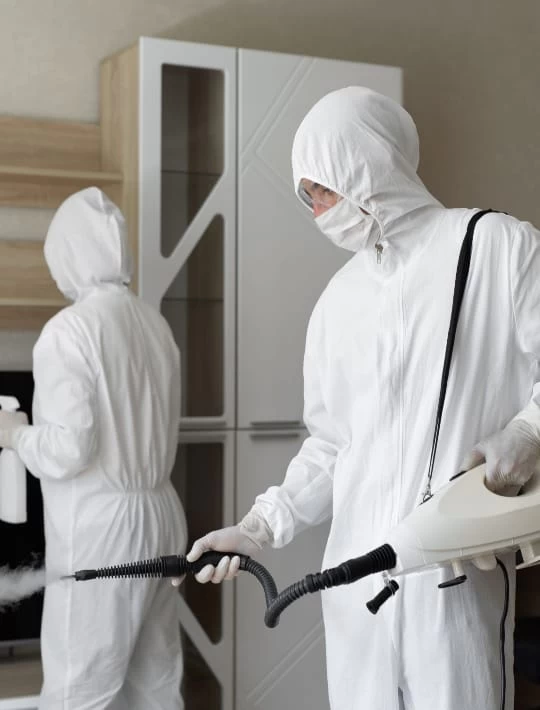
If asbestos or lead-containing materials are identified, we handle abatement in-house under proper containment protocols — negative air pressure, HEPA filtration, and post-remediation air clearance testing before the space is re-entered. You receive the clearance certificate. That’s not optional paperwork — it’s the document that protects your family and your property value.
Once the space is cleared, demolition proceeds on the agreed scope. We pull the required permits through the Town of North Hempstead’s Department of Building, Safety, Inspection & Enforcement, manage inspections, and handle debris removal and disposal with a documented chain of custody for any regulated materials. When we’re done, you have a clean space and a complete project file — permits, manifests, clearance certificates — everything you’d need if someone ever asked.
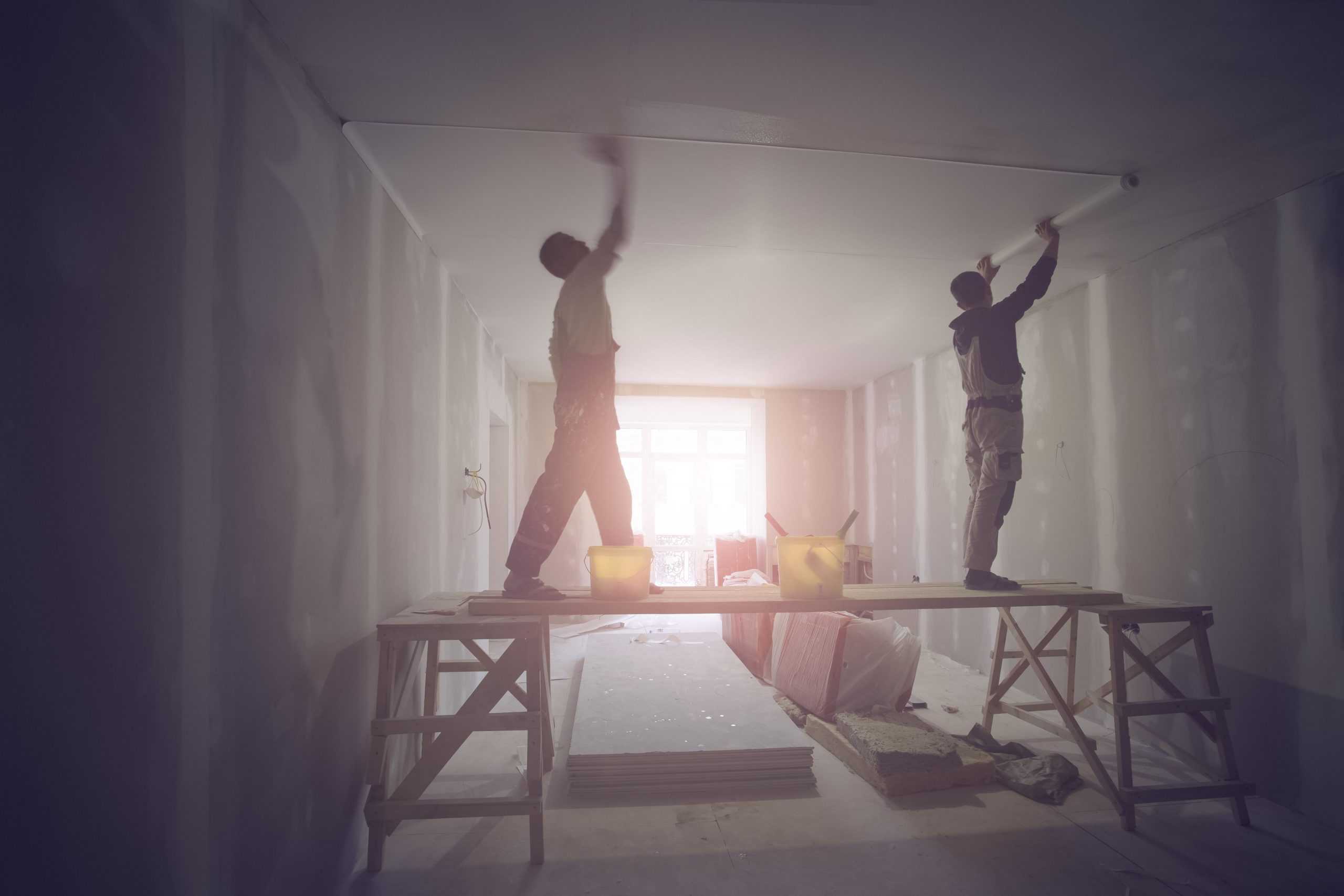
We handle residential demolition, interior selective demolition, gut renovations, and commercial demolition for property owners throughout Herricks and the broader New Hyde Park 11040 corridor. Whether you’re gutting a single room or taking down a structure, the scope of what we provide doesn’t change: licensed work, permitted work, and documented work.
For residential clients in Herricks, that typically means interior demolition tied to kitchen or bathroom renovations, basement conversions, or whole-floor gut projects in homes built between the 1940s and 1970s. Every one of those projects gets a hazardous materials assessment before demo begins — because in this zip code, skipping that step isn’t just risky, it’s illegal. We’re also equipped for commercial demolition along the Hillside Avenue and Jericho Turnpike corridors, where retail and mixed-use properties carry their own regulatory requirements and insurance documentation standards.
What you get at the end of every project: the demolition itself, all required Town of North Hempstead permits pulled in our name, asbestos and lead abatement handled in-house if needed, disposal manifests for any regulated waste, and post-abatement air clearance certification. For a home worth close to $900,000 — which is where Herricks median values sit — that documentation isn’t a formality. It’s protection.
Does my Herricks home built in the 1950s likely contain asbestos?
Almost certainly, yes — at least in some form. Homes built in Herricks during the 1950s and 1960s were constructed during the height of asbestos use in residential building materials. The most common locations are 9×9 and 12×12 vinyl floor tiles, the black mastic adhesive beneath them, textured ceiling material (including popcorn ceilings), pipe and boiler insulation, joint compound, and certain roofing materials. You may not see it, but it’s statistically present in the vast majority of homes from that era.
This doesn’t mean your renovation can’t happen — it means it needs to be handled correctly before demolition begins. New York State law requires that asbestos-containing materials be assessed and, if above threshold quantities, removed by a licensed Asbestos Handling Contractor before any demolition disturbs them. We hold that license. We assess first, abate if needed, and then proceed with demolition — all under one contract, without the project stopping for a third-party handoff.
Do I need a permit for demolition work in Herricks, NY?
Yes. Because Herricks is an unincorporated hamlet, your demolition permits come from the Town of North Hempstead’s Department of Building, Safety, Inspection & Enforcement — not a village building department, and not Nassau County directly. The town requires a demolition permit for structural work, load-bearing wall removal, gut renovations, and full building demolition. You’ll typically need to submit a plot plan and building plans along with the application, and the Building Official may request additional documentation depending on the scope of your project.
As of March 2026, the Town of North Hempstead moved all new permit and licensing applications to the OpenGov platform. Contractors who aren’t actively working in North Hempstead may not be familiar with this system, which can create delays. We pull permits through the Town of North Hempstead regularly, know the current process, and handle all permit applications in our name as the licensed contractor of record. You don’t have to figure any of that out on your own.
What's the difference between a demolition contractor and an asbestos abatement contractor?
They’re two separate license categories in New York State, and that distinction matters a lot in a community like Herricks. A general demolition contractor is licensed to tear down structures and remove building materials — but they are not legally authorized to disturb, remove, or dispose of asbestos-containing materials. That requires a separate NYS Department of Labor Asbestos Handling Contractor License, and the workers performing the abatement must be individually certified as asbestos handlers.
Most demolition contractors in Nassau County hold one license or the other. When they encounter asbestos mid-project — which happens frequently in pre-1980 homes — they stop work and refer you to a separate abatement company. That means a scheduling gap, a second contract, and a project timeline that slips by weeks. We hold both credentials. We’re licensed for demolition and licensed for asbestos abatement, so when something is found — and we look for it before we start — the same team handles it without stopping your project.
How long does a typical interior demolition project take in a Herricks home?
It depends on the scope, but for a standard interior gut in a Herricks home — a kitchen, bathroom, or basement — you’re typically looking at one to three days of active demolition work once the site has been assessed and any hazardous materials have been cleared. The total project timeline from first contact to completed demolition is longer, because the assessment, any required abatement, and permit processing all happen before the demo crew starts.
In Herricks specifically, the age of the housing stock means the assessment and abatement phase is rarely skippable. Homes built in the 1950s and 1960s almost always require at least some level of hazardous materials evaluation, and if abatement is needed, that adds time before demolition can begin. We’re transparent about this from the start — we’d rather give you an accurate timeline upfront than a fast quote that falls apart when the walls open up. Planning for the full sequence from the beginning is what keeps your overall project on track.
What documentation will I receive after demolition is completed?
At the end of every project, we provide a complete project file. That includes copies of all permits pulled through the Town of North Hempstead, waste disposal manifests documenting the chain of custody for any regulated materials removed from the property, and — if asbestos abatement was performed — a post-remediation air clearance certificate from a licensed NYS DOL Air Monitor confirming the space is safe for re-occupancy.
This matters more than most homeowners initially realize. In Herricks, where median home values are approaching $900,000, that documentation becomes relevant the moment you try to sell, refinance, or pull permits for subsequent work. A buyer’s attorney or a lender’s inspector may ask for proof that prior demolition or renovation work was done with proper permits and that any hazardous materials were handled and disposed of legally. If that paperwork doesn’t exist, it becomes your problem — not the contractor’s. We make sure it exists before we close out any job.
Can Green Island Group handle commercial demolition in the Herricks area?
Yes. Herricks sits along two of Nassau County’s busiest commercial corridors — Hillside Avenue along its southern border and Jericho Turnpike to the north — and we work with commercial property owners throughout both. Retail spaces, office buildings, and mixed-use properties in this area often carry the same pre-1980 construction risks as the surrounding residential stock, with the added layer of commercial insurance documentation, bonding requirements, and regulatory compliance that lenders and property managers typically require before work can begin.
Our commercial demolition work includes interior selective demolition for tenant buildouts, full structural demolition, and any associated asbestos or lead abatement required under EPA NESHAP regulations — which mandate written notification at least 10 working days before demolition begins on structures with asbestos above threshold quantities. We handle that notification process as part of our standard scope on commercial projects. If you own or manage a commercial property along the Hillside Avenue corridor or anywhere in the North Hempstead area and need demolition work done compliantly and on schedule, we’re equipped to handle it.