Your 1950s Home Deserves a Demolition Crew That Knows What's Inside It
Most Hollis Hills homes were built before 1960. That means asbestos, lead paint, and a permit process that stops projects cold unless your demolition contractor handles all of it.
I needed a professional consultation explanation of procedure for safe removal of Asbestos in my apartment complex. Without having an account yet, I was very impressed with the caring, knowledgeable and generous advice offered by Jessica, and will look forward to doing business in the future. Thank you so much! I feel much more informed about a sometimes scary endeavor. Peace. Nancy Silva Mineola, NY.
Mia Munoz
Used this company to clean up some water flood in my house. They were fast and easy to work with.very professional, Would recommend to anyone!
Nini Valle
Great company, had a flood and they responded quickly and efficiently. Billed my insurance company directly. I highly recommend this company!
joe colapietro, jr
I had pipe freeze in my basement right before a snow storm and they made to within an hour to help start the clean up process. They we by our side throughout the entire process and even helped with the insurance company. They did such a great job with the cleanup, repair, remidiation, I contracted them to perform the repairs and finishes in the basement. They came with enough manpower and material to get the job done. Leo and Jessica were nothing but a pleasure to deal with!!
Cristian Arredondo c
I had some water damage in my home and Green Island was able to take care of my issue quickly and effectively. I am very pleased with the work they did. They responded quickly and were very professional.
Michael M
Outstanding service! From the office to the field crew everyone was friendly, helpful and responsive. I highly recommend Green Island Group.
Your Project Moves Forward No Delays, No Surprises
Here’s where most demolition projects in Hollis Hills go sideways. A homeowner hires a demo crew, work starts, and then someone discovers asbestos in the floor tiles or pipe insulation. Now the demo crew has to stop. You’re scrambling to find a licensed abatement contractor, the permit is on hold, and your general contractor is waiting. That delay can cost weeks sometimes more.
When your demolition contractor is also certified to handle asbestos abatement and lead remediation, that situation doesn’t happen. The hazardous materials get identified before work starts, addressed under the same contract, and cleared before the walls come down. Your project keeps moving.
In Hollis Hills, where the median home was built in 1954, this isn’t a rare edge case it’s the rule. The Colonials on Kingsbury Avenue, the Tudors near Hollis Hills Terrace, the Cape Cods off Springfield Boulevard virtually every home in this neighborhood was built before the asbestos and lead thresholds that NYC now regulates. You need a contractor who walks in knowing that, not one who figures it out after the first wall opens.
340 Projects In. We Know What Hollis Hills Homes Are Hiding.
We’ve been doing demolition and environmental remediation work across Long Island and all five boroughs for over 12 years. That includes eastern Queens Hollis Hills, Queens Village, Oakland Gardens, Jamaica Estates neighborhoods where the housing stock is old, the lots are tight, and the regulatory requirements are not optional.
Over 340 completed projects means we’ve seen the 9×9 vinyl asbestos floor tiles under the hardwood, the pipe insulation wrapped around the old steam heat system, the lead paint layered under decades of interior finishes. We know what to look for before the project starts. That’s what keeps your timeline intact and your budget where you set it.
We hold NYC DOB approval, NYS Department of Labor certification for asbestos abatement, and NYC DEP certification the three credentials that actually matter when you’re pulling permits and doing this work legally in New York City. We’re available 24 hours a day, and for disaster-related work, we bill your insurance carrier directly.
From First Call to Clean Site Here's What to Expect
It starts with a site assessment. Before anything is quoted or scheduled, we look at the property the structure, the materials, the access points, and the scope of what’s coming down. In Hollis Hills, that assessment always includes a hazardous materials survey. Under NYC Local Law 76, any building constructed before April 1, 1987 requires a completed ACP-5 asbestos investigation form before the NYC Department of Buildings will issue a demolition permit. Since nearly every home in this neighborhood qualifies, this step is non-negotiable and we handle it in-house.
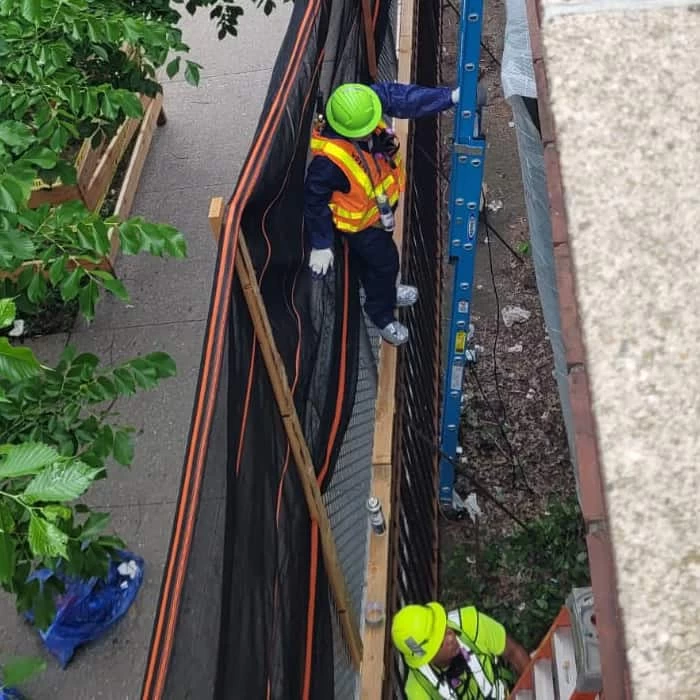
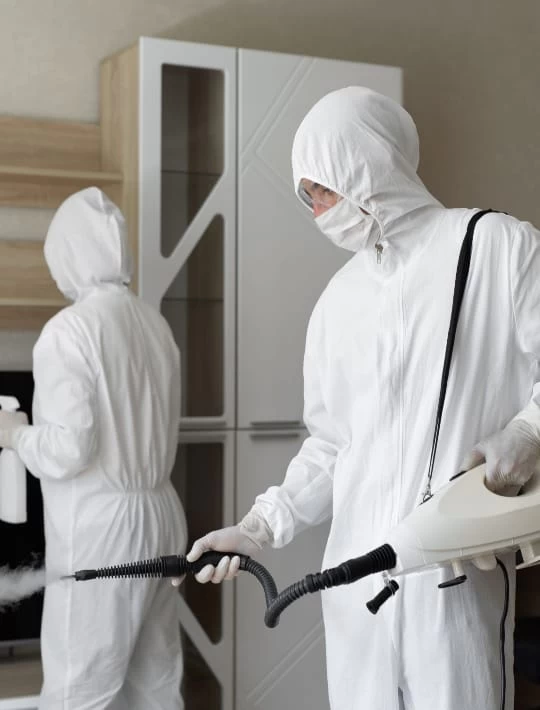
If asbestos or lead is found, we take care of abatement first. Licensed workers, proper containment, air monitoring, and DEP clearance all done before demolition begins. Once clearance is confirmed, we coordinate utility disconnections with Con Edison and the NYC DEP, submit the required permit documentation, and get the demo permit issued.
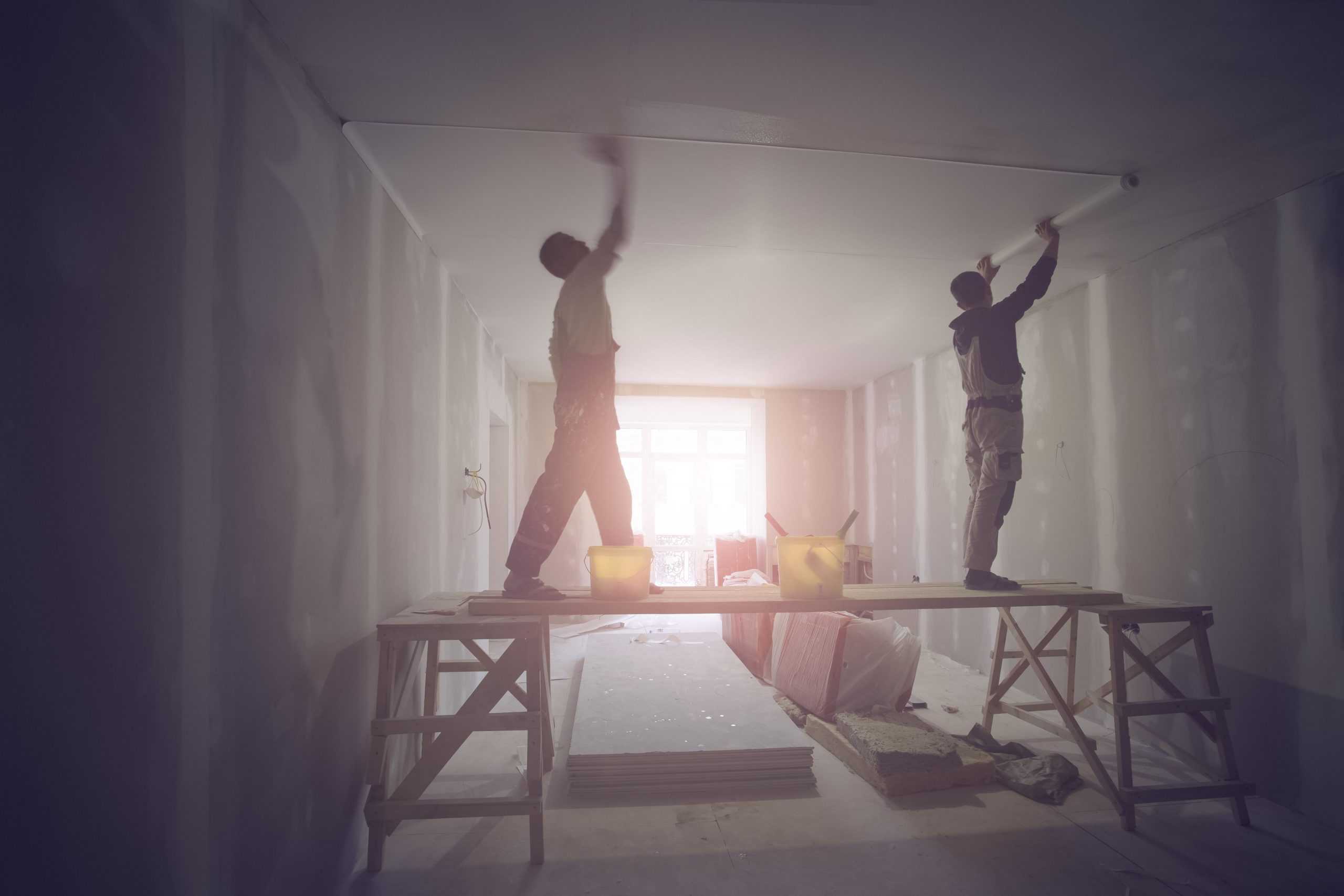
Then the actual demolition work begins. Whether it’s a full teardown, a gut renovation, or selective interior demo, we work around your site’s specific conditions including the access realities of Hollis Hills’ winding streets and the proximity of neighboring homes on tight lots. When the work is done, debris is removed, materials are sorted for recycling where applicable, and the site is left clean and ready for your next contractor to walk in.
Demolition Services for Hollis Hills, NY Homeowners
What's Included When the Whole Job Is Under One Roof
We handle the full range of demolition work residential teardowns, interior gut demolition, selective structural demo, and commercial projects across Queens County. But what makes the difference for Hollis Hills homeowners specifically is what comes before and alongside the demolition: asbestos abatement, lead paint remediation, mold remediation, and post-damage restoration, all under the same license and the same contract.
For a neighborhood where homes were built primarily between the 1930s and 1960s, that integration is what keeps projects legally compliant and on schedule. Common asbestos-containing materials in Hollis Hills homes include floor tiles, ceiling tiles, pipe and boiler insulation, roofing materials, and joint compound in older drywall. Lead paint is presumed present in any home built before 1978. When we survey the property upfront, you know exactly what’s there and exactly what the project will cost before a single wall comes down.
For homeowners dealing with fire or water damage, we respond around the clock and bill insurance carriers directly. If you’re planning a teardown-and-rebuild, a full gut renovation, or even a significant addition that requires structural demolition, the process starts the same way: a thorough site assessment, an honest scope, and a clear timeline. One crew, one point of contact, one project from start to finish.
Do I need an asbestos inspection before demolishing my Hollis Hills home?
Yes and it’s not optional. Under NYC Local Law 76, any building constructed before April 1, 1987 requires a completed ACP-5 asbestos investigation form before the NYC Department of Buildings will issue a demolition permit. Since the median construction year for homes in Hollis Hills is 1954, this applies to nearly every property in the neighborhood. The NYC DOB will not move forward on a full demolition permit without it.
The ACP-5 form must be completed by a DEP-certified asbestos investigator not just any contractor. If asbestos-containing materials are found during the investigation, abatement must be completed and cleared before demolition can begin. We handle both the investigation and the abatement in-house, which means you’re not coordinating two separate companies or waiting on one to finish before the other can start. The process is cleaner, faster, and documented correctly from the beginning.
How much does demolition cost for a Queens home, and what affects the price?
Demolition costs in Queens vary depending on the size of the structure, the scope of work full teardown versus selective interior demo and what hazardous materials are present. For a full residential demolition in the New York City area, you’re generally looking at a range that accounts for permitting, utility disconnection coordination, the demolition itself, and debris removal. Asbestos abatement, when needed, typically runs $20 to $65 per square foot depending on the material type and quantity and in a Hollis Hills home built in the 1950s, it’s rarely a question of if, but how much.
What affects your number most is what’s found during the pre-demolition survey. A home with asbestos floor tiles in two rooms costs less to remediate than one with pipe insulation, ceiling tiles, and joint compound throughout. That’s exactly why we do the survey before we quote so the number you get on day one is the number you can actually plan around. No mid-project revisions because something unexpected turned up behind the walls.
What permits are required for demolition in New York City?
In New York City, a full demolition requires a permit from the NYC Department of Buildings. To get that permit issued, you need to provide proof of utility disconnections gas, electric, and water confirmed by Con Edison, National Grid, and the NYC DEP along with a completed ACP-5 asbestos investigation form from a DEP-certified investigator. If asbestos is present, a separate NYC DEP abatement permit is also required before that work can begin.
On top of the city requirements, asbestos abatement in New York State is governed by NYS Department of Labor Industrial Code Rule 56, which sets the standards for licensed workers, supervisors, and air monitoring technicians. Federal USEPA NESHAP regulations add another layer for projects disturbing above-threshold quantities of regulated asbestos. That’s three regulatory bodies NYC DOB, NYS DOL, and USEPA all with requirements that have to be satisfied before and during the project. We hold credentials across all three, which means your project isn’t exposed to stop-work orders or violations from a contractor who only satisfies one or two of those frameworks.
Can one contractor handle both asbestos removal and demolition in Hollis Hills?
Yes and finding one that can is worth the effort. Most demolition contractors in Queens are not certified to perform asbestos abatement. That means if asbestos is discovered during a project, the demo crew stops, and you’re responsible for finding a separate licensed abatement contractor, waiting for them to complete the work and get DEP clearance, and then restarting with the original crew. In Hollis Hills, where pre-1980 construction is the norm rather than the exception, this scenario plays out constantly.
We’re licensed and certified to handle asbestos abatement, lead remediation, and demolition under the same contract. That means the hazardous material survey, the abatement work, the air clearance testing, and the demolition are all managed by one team on one timeline. For homeowners in Hollis Hills planning gut renovations or teardown-rebuilds on older properties, this single-contractor model is the most direct way to avoid the delays and coordination headaches that derail projects when abatement and demo are handled separately.
What happens if my basement floods or a fire damages my home in Hollis Hills do I need emergency demolition?
In many cases, yes. When water intrusion or fire damages structural elements walls, flooring, framing, ceiling systems those materials often need to be removed before restoration can begin. Mold starts growing within 24 to 48 hours of water exposure, so the window between a flooding event and the need for demolition of affected materials is short. Waiting for a contractor who can’t come out until next week is not a viable option.
We operate 24 hours a day, seven days a week, and respond to emergency demolition calls with the same licensed, insured crew that handles planned projects. For Hollis Hills homeowners dealing with post-storm basement flooding which older homes in the neighborhood can be susceptible to given their aging foundation systems and drainage infrastructure or fire damage to a kitchen or living area, the ability to reach someone immediately matters. We also bill insurance carriers directly for disaster-related work, so you’re not fronting the cost and waiting for reimbursement while you’re already managing a displaced household.
How do Hollis Hills' winding streets and tight lots affect a demolition project?
More than most homeowners expect. Hollis Hills is not a grid-street neighborhood. The curving roads Kingsbury Avenue, Hollis Hills Terrace, Richland Avenue were laid out to follow the natural terrain of the area, which means equipment access and debris staging require more planning than a standard Queens block. Large trucks and heavy equipment need to be routed carefully, and in a neighborhood where homes sit on relatively tight lots with mature landscaping and close neighbors, containment and site management require specific attention.
We account for all of this during the initial site assessment. That means identifying the right access route before equipment arrives, planning containment to protect adjacent properties and landscaping, and managing dust and debris in a way that doesn’t create problems for neighboring homes. In a community with an active civic association and neighbors who pay close attention to how construction is managed on their block, the way a job site is run reflects directly on the homeowner. We take that seriously not as a talking point, but because it’s the standard this neighborhood expects and the one we hold ourselves to.