Islip's Older Homes Deserve More Than a Wrecking Crew
Most demolition contractors can knock things down. Not all of them can handle what they find inside a 1960s split-level on the South Shore and that difference can stop your project cold. We handle demolition and hazmat under one roof, so your project keeps moving.
I needed a professional consultation explanation of procedure for safe removal of Asbestos in my apartment complex. Without having an account yet, I was very impressed with the caring, knowledgeable and generous advice offered by Jessica, and will look forward to doing business in the future. Thank you so much! I feel much more informed about a sometimes scary endeavor. Peace. Nancy Silva Mineola, NY.
Mia Munoz
Used this company to clean up some water flood in my house. They were fast and easy to work with.very professional, Would recommend to anyone!
Nini Valle
Great company, had a flood and they responded quickly and efficiently. Billed my insurance company directly. I highly recommend this company!
joe colapietro, jr
I had pipe freeze in my basement right before a snow storm and they made to within an hour to help start the clean up process. They we by our side throughout the entire process and even helped with the insurance company. They did such a great job with the cleanup, repair, remidiation, I contracted them to perform the repairs and finishes in the basement. They came with enough manpower and material to get the job done. Leo and Jessica were nothing but a pleasure to deal with!!
Cristian Arredondo c
I had some water damage in my home and Green Island was able to take care of my issue quickly and effectively. I am very pleased with the work they did. They responded quickly and were very professional.
Michael M
Outstanding service! From the office to the field crew everyone was friendly, helpful and responsive. I highly recommend Green Island Group.
Your Project Stays on Track No Matter What's Behind the Walls
Here’s what most Islip homeowners don’t find out until it’s too late: their contractor isn’t equipped to handle what’s actually in their home. The majority of homes in Islip were built before 1980. That means floor tiles, joint compound, textured ceilings, and roof underlayment that may contain asbestos. When a standard demolition crew finds it mid-project, they stop. They call someone else. You wait.
That doesn’t happen here. We handle asbestos abatement and demolition together, which means no work stoppages, no scrambling to find a second contractor, and no watching your timeline fall apart. You get one point of contact from start to finish.
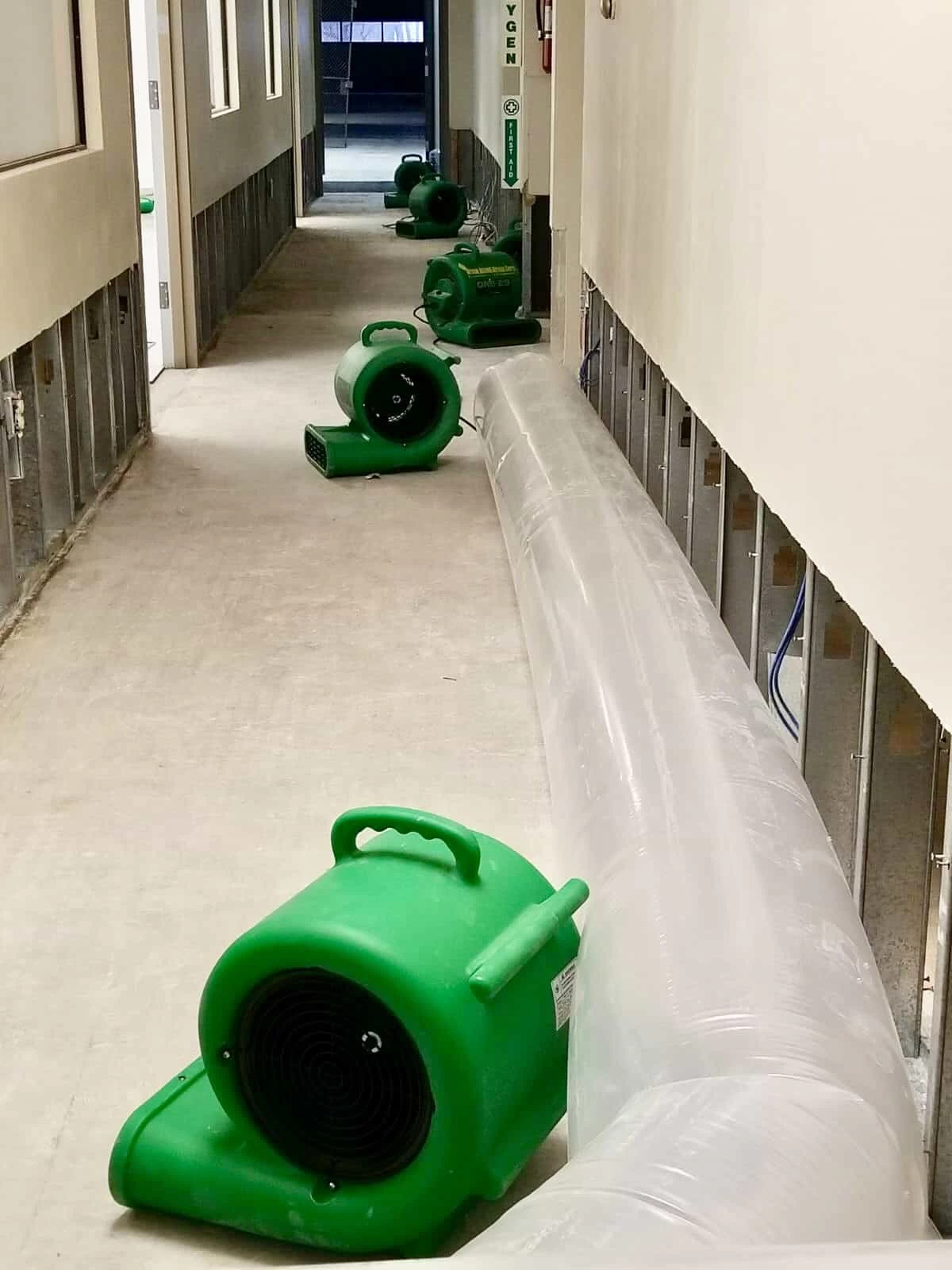
Islip’s coastal position on the Great South Bay also means a lot of demo work here is storm-driven flooded basements, water-damaged subfloors, structurally compromised crawl spaces after a nor’easter or a heavy rain event like the August 2024 flooding that triggered a state emergency assistance program for Suffolk County homeowners. That kind of work needs a crew that moves fast and knows how to document damage for insurance. That’s exactly what you get.
Based in Bohemia, Serving Islip and the South Shore for Over a Decade
We’re headquartered in Bohemia, NY about 10 to 12 miles from Islip, in the heart of Suffolk County. This isn’t a New York City outfit dispatching crews to Long Island. Our team knows the South Shore, knows the Town of Islip’s Building Division, and has worked across the communities surrounding Islip Bay Shore, East Islip, West Islip, Great River, and beyond.
With more than 5,000 completed projects over 12 years in business, the experience runs deep. We carry active NYS Department of Labor asbestos contractor certification, $2,000,000+ in general liability coverage, and MWBE certification for public and commercial contracts. We’ve also built a reputation for working directly with insurance companies on behalf of clients which matters a lot in a coastal community like Islip that sees recurring flood and storm damage year after year.
From First Call to Final Inspection Here's What to Expect
It starts with a site assessment. Before any work begins, we evaluate the full scope what’s being demolished, what materials are present, and whether hazardous materials like asbestos or lead paint need to be addressed first. In Islip, this step is especially important because the Town requires an asbestos survey before a demolition permit can even be issued. That’s not optional, and it’s not something you want to figure out after the fact.
From there, we manage the entire permit process with the Town of Islip’s Division of Building. That includes Workers’ Compensation and Disability Insurance documentation with the Town listed as Certificate Holder, refrigerant evacuation certification if HVAC systems are involved, and for properties near the Great South Bay or in a designated flood zone a Storm Water Pollution Prevention Plan if the disturbance area meets the threshold. The Town also requires all demolition work to be completed within four months of permit issuance, so mobilizing quickly matters.
Once permits are in hand, the physical work begins. Hazmat abatement, if needed, is completed first. Then structural or interior demolition proceeds, debris is removed, and any excavation is filled to within one foot of grade as required by Town code. The job isn’t done until the site is clean, compliant, and ready for whatever comes next.
Commercial and Residential Demolition Specialists Islip, NY
Full-Scope Demo With the Hazmat Capability Most Contractors Don't Have
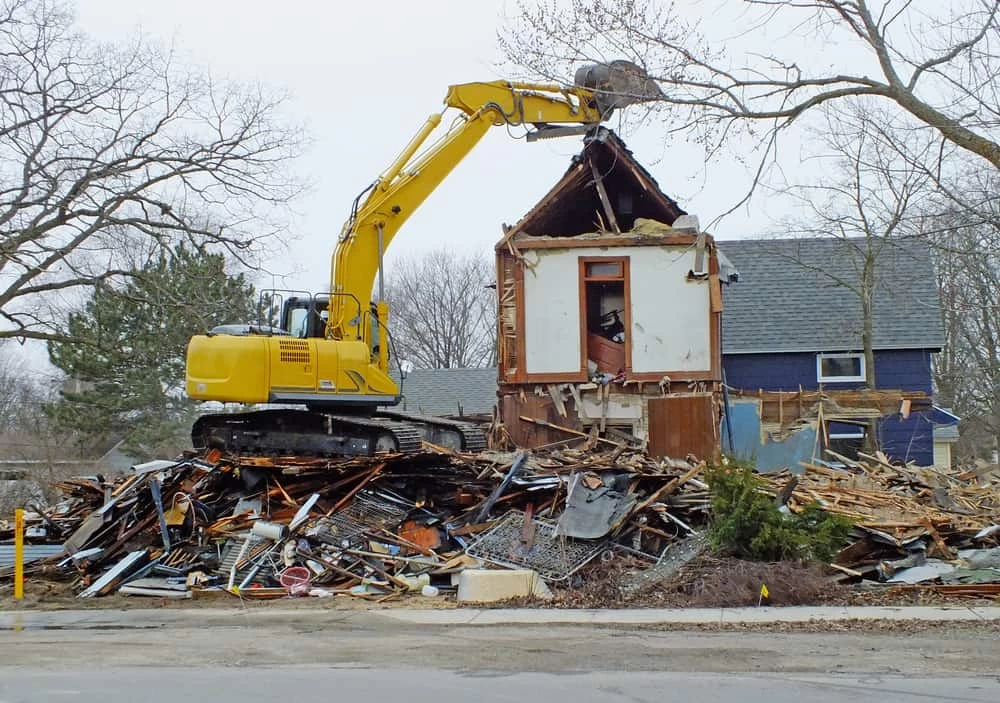
We handle the full range of demolition work interior gut renovations, structural teardowns, chimney removal, concrete removal, and complete building demolitions. Whether you’re stripping a 1970s kitchen down to the studs on a tree-lined street in Islip, clearing an aging commercial structure near Sunrise Highway, or tearing down a flood-damaged property in a Great South Bay coastal flood zone, the scope and the regulatory requirements are handled from day one.
What sets us apart from the other demolition companies serving the East Islip and Bay Shore area is our integrated hazmat capability. Asbestos abatement, lead paint removal, and mold remediation are handled in-house not subcontracted, not referred out. That matters when you’re dealing with a pre-1980 home in Islip and you don’t know what’s inside the walls until demo starts. It also matters for insurance-triggered projects, where documentation and scope verification need to happen fast and accurately.
For commercial clients and developers working within the Town of Islip’s active development pipeline the IDA has closed over 100 projects representing $1 billion in capital investment since 2015 our MWBE certification makes us a qualified contractor for public and municipal work. Whatever the project size, the same licensed, insured, permit-managed approach applies.
Do I need a permit to demolish a structure in the Town of Islip?
Yes the Town of Islip requires a permit for any demolition of a building, and there are no exceptions for size or scope. The permit application must be filed electronically through the Town’s online portal, and before it’s issued, you’ll need to provide proof of NYS Workers’ Compensation Insurance and NYS Disability Insurance with the Town of Islip listed as Certificate Holder. An asbestos survey completed by a licensed inspector is also required before the permit is granted.
Once the permit is issued, all demolition work must be completed within four months that’s a hard deadline written into the Town’s code. If your property in Islip is in a coastal flood zone near the Great South Bay, or if the area of disturbance is one acre or more and drains to a state waterway, a Storm Water Pollution Prevention Plan may also be required. These aren’t obscure requirements they’re standard for Islip demolition projects, and a contractor who doesn’t know them upfront will cost you time.
Is asbestos testing required before demolition work begins in Islip, NY?
It is both under New York State law and under the Town of Islip’s own permit requirements. An asbestos survey must be completed by a licensed inspector before a demolition or renovation permit will be issued. This isn’t just a formality. Given that the majority of homes in Islip were built before 1980, asbestos-containing materials are a real and documented presence in the dominant housing types here 1960s and 1970s split-levels and colonials commonly have it in floor tiles, joint compound, textured ceilings, and roof underlayment.
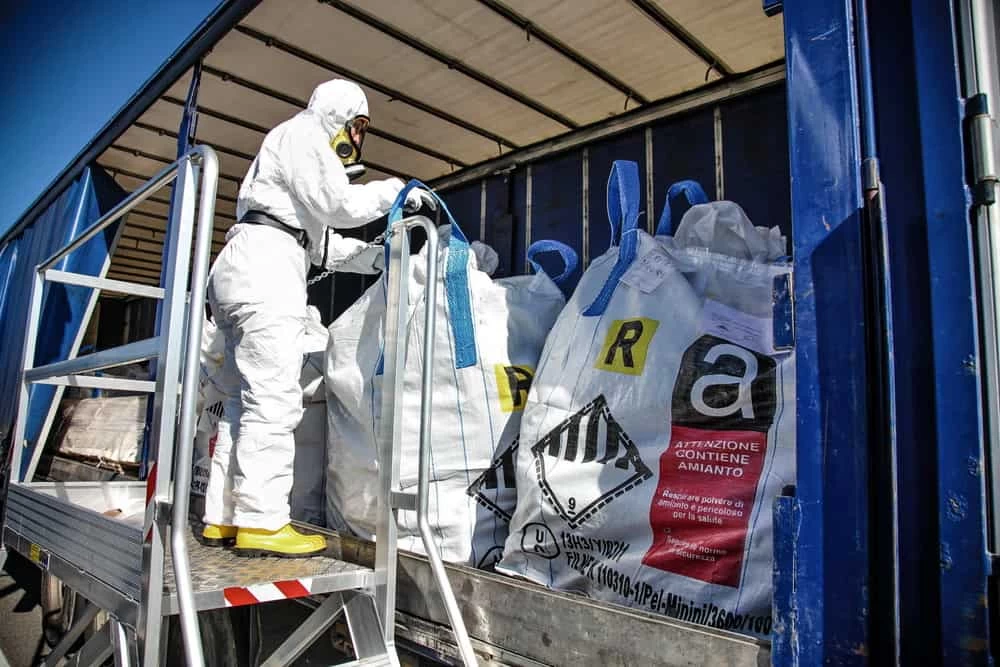
If asbestos is found, it must be abated by a NYS Department of Labor certified asbestos contractor before demolition can proceed. This is where many projects stall the demolition contractor stops work, a separate abatement company is called in, and the homeowner is stuck coordinating between two crews. We hold active NYS DOL asbestos contractor certification, so abatement and demolition are handled by the same team without any gap in the work.
What happens if asbestos is discovered after demolition has already started?
If asbestos is disturbed without proper abatement, the project must stop immediately under NYS Department of Labor regulations. Depending on the extent of the disturbance, containment, air monitoring, and a full abatement protocol may be required before work can resume. This is exactly the scenario that costs homeowners the most not just in money, but in time and stress.
The best way to avoid it is to work with a contractor who treats the asbestos survey as part of the project scope from day one, not an afterthought. In Islip’s pre-1980 housing stock, the probability of encountering asbestos-containing materials during a gut renovation or teardown is high enough that it should be planned for, not hoped away. When we scope a project, potential hazmat is factored into the timeline and budget upfront so there are no surprises mid-demolition.
Can a demolition contractor in Islip help with an insurance claim after storm damage?
Yes, and it’s one of the more important things to ask about when you’re hiring. Islip’s south shore has been hit repeatedly Superstorm Sandy, the August 2024 flash flooding event, and nor’easters that regularly push bay water into coastal streets and homes. A lot of demolition work in our community is insurance-triggered, which means the documentation, scope verification, and claims process matter just as much as the physical work.
We work directly with insurance adjusters on behalf of our clients. That means helping document the damage, verifying the scope of what needs to be demolished, and making sure the claim reflects the actual work required not a lowball assessment that leaves you covering the difference. Multiple customers have specifically called out this insurance assistance in their reviews. If you’re dealing with a flooded basement or storm-damaged structure and you’re already managing an insurance claim, having a contractor who handles that side of things alongside the demo work is a significant advantage.
How long does a demolition project typically take in Islip, NY?
It depends on the scope, but the Town of Islip’s permit requirements set a hard outer boundary: all demolition work must be completed within four months of permit issuance. For most residential projects an interior gut renovation, a chimney removal, or a partial structural teardown the physical work is typically completed in days to a few weeks once permits are in hand. The longer part of the timeline is usually the permit process itself, including the required asbestos survey and documentation review by the Town’s Building Division.
For projects that involve asbestos abatement before demolition, add time for the abatement work and any required air clearance testing before structural demo can begin. For coastal properties near the Great South Bay that trigger a Storm Water Pollution Prevention Plan, there may be additional review time before permits are issued. The clearest way to understand your specific timeline is to have a site assessment done early before you’ve committed to a start date so the permit and abatement requirements are known quantities, not surprises.
How much does demolition cost for a home in Islip, NY?
Demolition costs in Islip vary based on the size of the structure, the scope of work, and what’s found during the pre-demolition asbestos survey. A selective interior demolition gutting a kitchen or stripping a bathroom will cost significantly less than a full structural teardown. For full residential demolitions in Suffolk County, costs typically range from $8,000 to $25,000 or more depending on square footage, accessibility, debris volume, and whether hazmat abatement is required.
The asbestos piece is where a lot of quotes fall apart. A contractor who gives you a demolition price without factoring in the likelihood of asbestos in a pre-1980 Islip home is giving you an incomplete number. When abatement is needed, it adds cost but it’s a required cost, not an optional one, and it’s better to know that upfront than to find out mid-project. We scope projects with hazmat in mind from the start, so the number you get reflects what the job actually requires not a low-ball figure designed to get you to sign and adjust later.