Jamaica Is Being Rebuilt Start With the Right Teardown
With 230 blocks rezoned and development moving fast across Jamaica, Queens, the last thing you need is a demolition contractor who slows you down or misses something inside the walls.
I needed a professional consultation explanation of procedure for safe removal of Asbestos in my apartment complex. Without having an account yet, I was very impressed with the caring, knowledgeable and generous advice offered by Jessica, and will look forward to doing business in the future. Thank you so much! I feel much more informed about a sometimes scary endeavor. Peace. Nancy Silva Mineola, NY.
Mia Munoz
Used this company to clean up some water flood in my house. They were fast and easy to work with.very professional, Would recommend to anyone!
Nini Valle
Great company, had a flood and they responded quickly and efficiently. Billed my insurance company directly. I highly recommend this company!
joe colapietro, jr
I had pipe freeze in my basement right before a snow storm and they made to within an hour to help start the clean up process. They we by our side throughout the entire process and even helped with the insurance company. They did such a great job with the cleanup, repair, remidiation, I contracted them to perform the repairs and finishes in the basement. They came with enough manpower and material to get the job done. Leo and Jessica were nothing but a pleasure to deal with!!
Cristian Arredondo c
I had some water damage in my home and Green Island was able to take care of my issue quickly and effectively. I am very pleased with the work they did. They responded quickly and were very professional.
Michael M
Outstanding service! From the office to the field crew everyone was friendly, helpful and responsive. I highly recommend Green Island Group.
What Changes When Your Jamaica Demolition Is Done Right
When a demolition project goes the way it should, you don’t just end up with a cleared site. You end up with a clean permit record, no surprise stop-work orders, and a timeline that held. That’s what proper planning and licensed execution actually buys you and in Jamaica, where the NYC Department of Buildings is involved in every permitted teardown, those things matter more than the price on the first quote you got.
Jamaica’s housing stock tells a specific story. Most of the homes south of Jamaica Avenue through South Jamaica, Hollis, and into St. Albans were built between the 1920s and 1960s. That means asbestos in the floor tiles, the ceiling tiles, the pipe insulation. It means lead paint on every surface. NYC Local Law 76 requires an asbestos investigation before any demolition project, no exceptions. When we handle abatement and demolition under one contract, you skip the handoff problem entirely no waiting for one crew to finish before another can start, no scheduling gaps, no finger-pointing if something goes wrong.
And if you’re in South Jamaica and you’ve dealt with basement flooding which the NYC DEP has spent over $2.5 billion trying to address across southeast Queens you already know that water damage and mold don’t wait for business hours. Neither do we. Whether it’s a flood-damaged structure that needs to come down fast or a gut renovation uncovering decades of moisture behind the drywall, having one team that handles demolition and mold remediation together means the project keeps moving instead of stalling at the worst possible moment.
340 Projects In Jamaica and Queens Every Credential Verified
Green Island Group is a full-service environmental and demolition contractor based in Bohemia, NY, serving Jamaica and the broader Queens County area accessible via the Van Wyck Expressway, the same corridor that runs along Jamaica’s western edge toward JFK. We hold NYC Department of Buildings licensing, New York State Department of Labor certification under Industrial Code Rule 56, and we operate in full compliance with USEPA NESHAP regulations. That’s three separate regulatory bodies, and we’re current with all three.
Over 340 completed demolition projects across Jamaica and Queens. A 4.7-star rating built on reviews that consistently come back to the same things: we pick up the phone, we explain what’s actually going on, and we don’t disappear after the estimate. We bill insurance carriers directly, we’re available around the clock, and we handle asbestos abatement, lead removal, mold remediation, and demolition under one roof which matters enormously in Jamaica, where those services almost always overlap.
Jamaica is not a simple market. The density, the transit infrastructure, the DOB oversight, the age of the buildings it all adds up to a job that requires a contractor who’s done this before, in environments exactly like this one.
No Guesswork Here's How a Jamaica Demolition Actually Unfolds
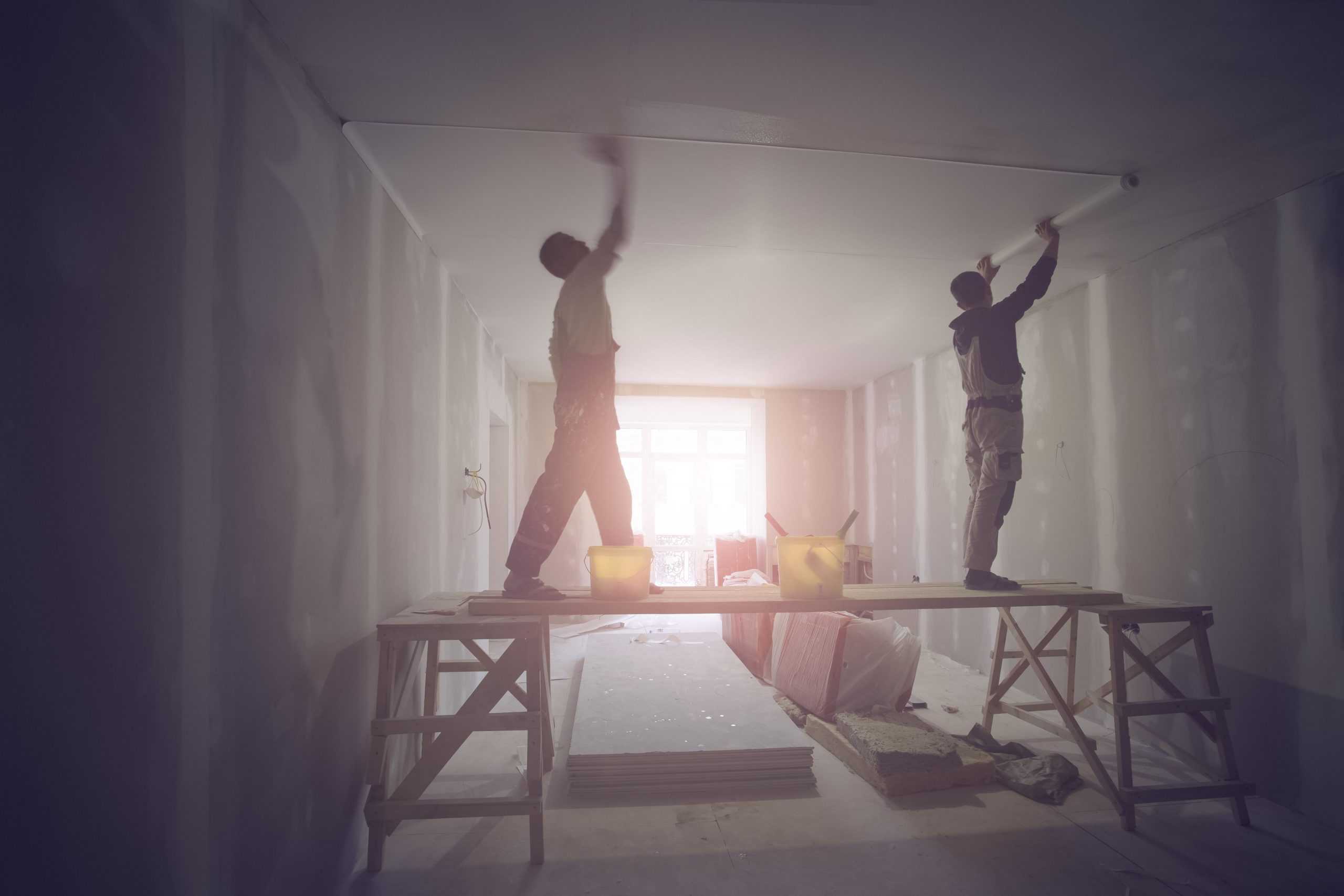
It starts with a site assessment. Before anything is scheduled, we need to understand what we’re working with the structure, the age of the building, what materials are present, what’s adjacent, and what the access situation looks like. In Jamaica’s residential neighborhoods, that last point matters. Streets in South Jamaica are narrow. Neighbors are close. If there’s an LIRR structure or active commercial corridor nearby, equipment movement requires planning. We work that out before day one, not on it.
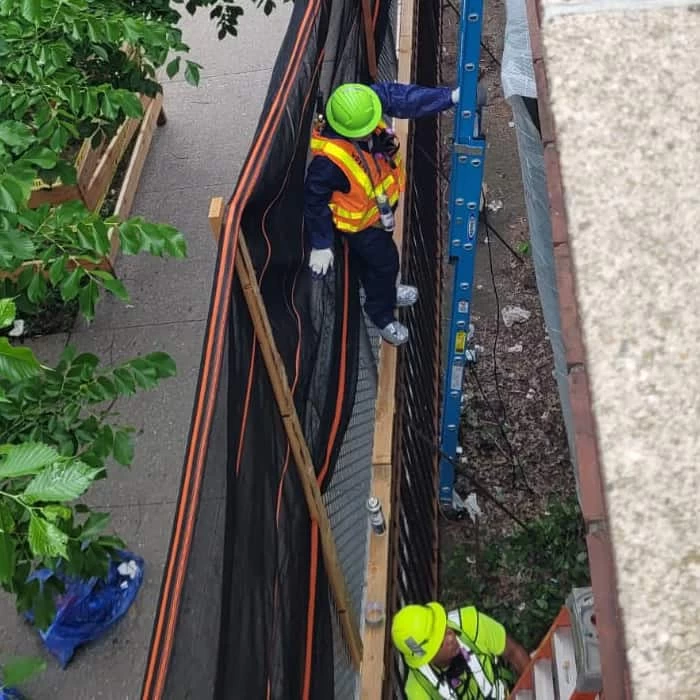
From there, we handle the regulatory groundwork. In New York City, that means filing for a NYC DOB demolition permit, coordinating utility disconnections with Con Edison and National Grid, and in virtually every pre-1980 building in Jamaica conducting a full asbestos survey as required by NYC Local Law 76. If asbestos is present, abatement comes first. Our licensed team handles that in-house, which keeps your timeline intact instead of adding weeks to find a separate subcontractor.
Once the site is cleared and compliant, demolition proceeds. Debris is removed and disposed of through licensed haulers following NYC DEP requirements. If the project involves mold, water damage, or fire damage, remediation runs alongside or immediately after demolition same team, same schedule. When it’s done, you get a cleared site, documented compliance, and no loose ends with the city.
Built for Jamaica's Buildings Not Just Any Demolition Job
The demolition work we do in Jamaica spans residential teardowns, commercial interior demolition, gut renovations, and full structural removal for new development. With the Jamaica Neighborhood Plan now covering 230 blocks including the Southern Corridors along Merrick Boulevard, Guy R. Brewer Boulevard, and Sutphin Boulevard there’s a real and growing pipeline of properties that need to come down before new construction can go up. We’re equipped for that scale, and we’re equipped for the complexity that comes with it.
On the residential side, the work almost always involves hazardous materials. Homes in South Jamaica, Hollis, and Jamaica Estates that were built before 1978 are presumed to contain lead-based paint under NYC Local Law 31. Homes built before 1980 likely contain asbestos. We handle both survey, abatement, clearance testing, and demolition as a single coordinated scope. You’re not managing two contractors and two timelines. You’re making one call.
For commercial and mixed-use properties, we bring the same licensed, DOB-compliant approach to larger and more logistically complex jobs. Interior demolition for tenant fit-outs, full structural teardowns for redevelopment, emergency demolition after fire or flood all of it falls within what we do. And because we bill insurance carriers directly, property owners dealing with damage claims don’t have to front costs and wait for reimbursement. The process is simpler from start to finish.
Do I need a permit to demolish a structure in Jamaica, Queens?
Yes every demolition project in Jamaica falls under NYC Department of Buildings jurisdiction, and a permit is required before any structural work begins. The permit application must be filed by a licensed contractor, and the DOB will review and approve the scope before work can start. Attempting to demolish without a permit creates serious exposure: stop-work orders, fines, and in some cases, personal liability for the property owner for any unpermitted work that was done.
Beyond the DOB permit itself, there are additional regulatory requirements that run parallel. NYC Local Law 76 mandates an asbestos investigation before any renovation or demolition project no exceptions, regardless of the building’s age or condition. If asbestos is found, licensed abatement under NYS DOL Industrial Code Rule 56 must be completed before demolition proceeds. Utility disconnections from Con Edison and National Grid also need to be confirmed in writing before the job starts. It sounds like a lot of steps, but when you’re working with a contractor who handles all of it in-house, the process moves faster than most people expect.
How much does demolition typically cost in Jamaica, NY?
Demolition in New York City costs more than national averages suggest, and it’s worth understanding why before you start comparing quotes. The regulatory overhead alone DOB permit fees, NYC DEP certification for asbestos abatement, mandatory independent air monitoring after abatement (which runs $600 to $1,200 per day and is legally required, not optional), and licensed hazardous waste disposal adds real cost that doesn’t show up in a low-ball estimate until it shows up as a change order.
For a standard residential demolition in Jamaica, rough costs typically range from $8,000 to $25,000 depending on structure size, materials present, and access conditions. If asbestos abatement is required and in most pre-1980 Jamaica homes, it will be that adds to the total. The honest answer is that a quote without a site assessment isn’t a real quote. What we can tell you is that our estimates account for every legally required line item upfront, so you’re not getting a number that looks good today and grows by 40% by the time the job is done.
Does my Jamaica home likely have asbestos, and does that affect demolition?
If your home was built before 1980, there’s a strong likelihood that asbestos-containing materials are present somewhere in the structure. In Jamaica’s older residential neighborhoods particularly the Colonial Revival and Tudor-style homes south of Jamaica Avenue that were built between the 1920s and 1960s asbestos was used in floor tiles, ceiling tiles, pipe insulation, joint compound, and roofing materials. It’s not a rare exception. It’s the baseline expectation.
Yes, it affects demolition significantly. NYC Local Law 76 requires an asbestos investigation before any demolition project in the five boroughs. If asbestos is confirmed, licensed abatement under NYS Department of Labor certification must be completed before demolition can proceed. After abatement, independent air clearance testing is required by New York State law before the space can be reoccupied or demolition continues. When your demolition contractor is also licensed for abatement, none of this creates a gap in your project timeline. When they’re not, you’re looking at weeks of scheduling delays while you find a separate abatement crew.
Can a demolition contractor help after flood damage in South Jamaica?
Yes, and in South Jamaica specifically, this is one of the more common situations we respond to. Southeast Queens has been chronically flood-prone the NYC DEP has invested over $2.5 billion in flooding infrastructure improvements across the area, including a $24 million project specifically targeting South Jamaica and St. Albans. Despite that investment, heavy rainfall events continue to cause structural damage, and the October 2025 record rainfall flooded streets across Queens again. When a structure takes on significant water, the damage assessment often leads directly to partial or full demolition of affected areas.
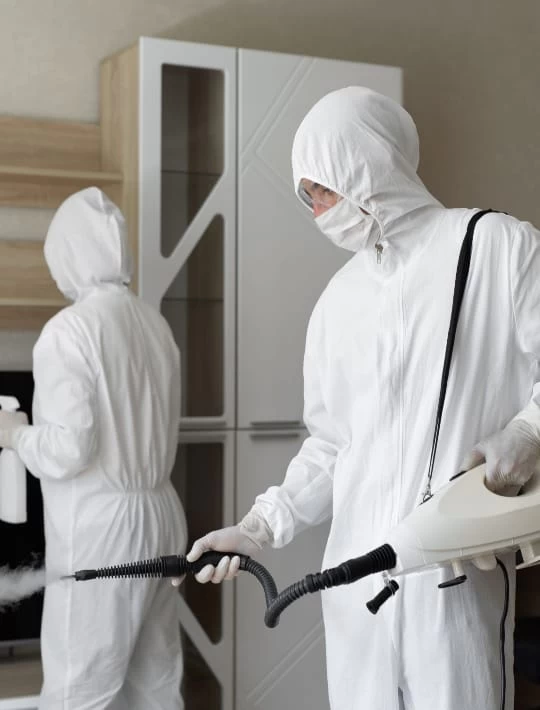
The reason it matters that we handle both demolition and mold remediation is timing. Mold begins growing within 24 to 48 hours of water intrusion. Once it’s behind walls and under floors, it doesn’t stop. A contractor who can assess the structural damage, handle mold remediation, and proceed with demolition of affected areas all in one coordinated scope keeps the project from stalling between phases. We’re available 24/7 for exactly this reason, and we bill insurance carriers directly so you’re not managing paperwork while dealing with a damaged property.
What's the difference between interior demolition and full structural demolition?
Interior demolition means removing specific elements inside a structure walls, flooring, ceilings, fixtures, mechanical systems while leaving the building’s shell intact. This is common in Jamaica for gut renovations, tenant fit-outs along commercial corridors like Jamaica Avenue or Sutphin Boulevard, and older homes being updated before resale or rental. It’s also common when a property owner wants to reconfigure a floor plan without tearing down the whole building.
Full structural demolition takes the entire building down to the foundation, or removes the foundation as well depending on what’s planned for the site. This is increasingly common in Jamaica right now because of the 2025 rezoning properties on rezoned parcels need to be fully cleared before new mixed-use or multifamily construction can begin. Both types of demolition require NYC DOB permits, both require asbestos investigation under Local Law 76, and both require licensed debris removal and disposal. The scope of the regulatory process is similar; the physical work and equipment involved are different. We handle both, and we’ll tell you upfront which approach your project actually requires.
How does the Jamaica Neighborhood Plan affect demolition permits and timelines?
The Jamaica Neighborhood Plan approved by the NYC City Council in October 2025 rezoned 230 blocks across Downtown Jamaica, the North Core, Southern Corridors, and South Core. For property owners and developers, what that means practically is that parcels previously limited to low-density use can now support significantly taller and denser development. But before any new construction can begin on those parcels, existing structures have to come down and that means demolition permits, asbestos surveys, abatement if required, and utility disconnections, all processed through the NYC DOB.
The increased development activity created by the rezoning has put real pressure on DOB permit processing timelines in Jamaica. That’s not a reason to delay it’s a reason to start the process earlier than you think you need to. Contractors who are already familiar with DOB filing requirements for Queens, who have established relationships with licensed air monitoring firms, and who can coordinate abatement and demolition without subcontracting the hazmat work out, are going to move faster through that queue than contractors who are figuring it out as they go. If you’re sitting on a rezoned parcel and waiting to see how the market develops, the permits are the long lead item not the demolition itself.