Kings Park Homes Built Before 1980 Need More Than a Demo Crew
Most homes in Kings Park were built in the 1960s and 70s and what’s inside those walls matters before anything comes down. We handle demolition and hazardous material abatement under one roof, so your project doesn’t stop when something unexpected turns up.
I needed a professional consultation explanation of procedure for safe removal of Asbestos in my apartment complex. Without having an account yet, I was very impressed with the caring, knowledgeable and generous advice offered by Jessica, and will look forward to doing business in the future. Thank you so much! I feel much more informed about a sometimes scary endeavor. Peace. Nancy Silva Mineola, NY.
Mia Munoz
Used this company to clean up some water flood in my house. They were fast and easy to work with.very professional, Would recommend to anyone!
Nini Valle
Great company, had a flood and they responded quickly and efficiently. Billed my insurance company directly. I highly recommend this company!
joe colapietro, jr
I had pipe freeze in my basement right before a snow storm and they made to within an hour to help start the clean up process. They we by our side throughout the entire process and even helped with the insurance company. They did such a great job with the cleanup, repair, remidiation, I contracted them to perform the repairs and finishes in the basement. They came with enough manpower and material to get the job done. Leo and Jessica were nothing but a pleasure to deal with!!
Cristian Arredondo c
I had some water damage in my home and Green Island was able to take care of my issue quickly and effectively. I am very pleased with the work they did. They responded quickly and were very professional.
Michael M
Outstanding service! From the office to the field crew everyone was friendly, helpful and responsive. I highly recommend Green Island Group.
Your Project Moves Forward No Delays, No Surprises
The biggest problem with hiring a standard demolition contractor in Kings Park isn’t the demo itself it’s what happens when they find asbestos in your floor tiles, your ceiling, or your pipe insulation and have to stop work entirely. With a median construction year of 1967, the majority of homes here were built when asbestos-containing materials were standard. That’s not a worst-case scenario. That’s the baseline for most projects in this hamlet.
When asbestos abatement and demolition are handled by the same licensed team, your timeline stays intact. There’s no waiting on a second contractor, no scheduling gap, and no finger-pointing if something comes up mid-project. You get one crew, one point of contact, and a project that keeps moving.
Kings Park’s position on the Long Island Sound also means storm damage is a real and recurring event for homeowners here. When a nor’easter pushes water into a basement or wind damage requires immediate structural work, you need a contractor who picks up the phone and shows up fast. That’s a different kind of need than a planned renovation, and it requires a contractor built for both.
12 Years In, 5,000 Projects Deep Suffolk County Is Our Backyard
We’re based in Bohemia, about 20 minutes south of Kings Park via the Sunken Meadow State Parkway. We’re not routing calls through a national call center or sending crews from three counties away. We’re a Suffolk County operation that has been working in Kings Park and the surrounding area for over 12 years, with more than 5,000 completed projects across Long Island and New York City.
We hold active NYS Department of Labor asbestos contractor certification, carry $2,000,000+ in general liability insurance, and are registered with the NYC Department of Buildings. Every project we take on whether it’s a residential interior demo in the San Remo section of Kings Park or a commercial selective demolition tied to the hamlet’s downtown revitalization is handled with the same licensed, permit-managed approach.
Our reviews say what we won’t: customers name specific staff members, describe sub-one-hour emergency response times, and call out how we helped them navigate insurance claims when they were already stressed. That’s the standard we hold ourselves to every time.
From First Call to Clean Site Here's What to Expect
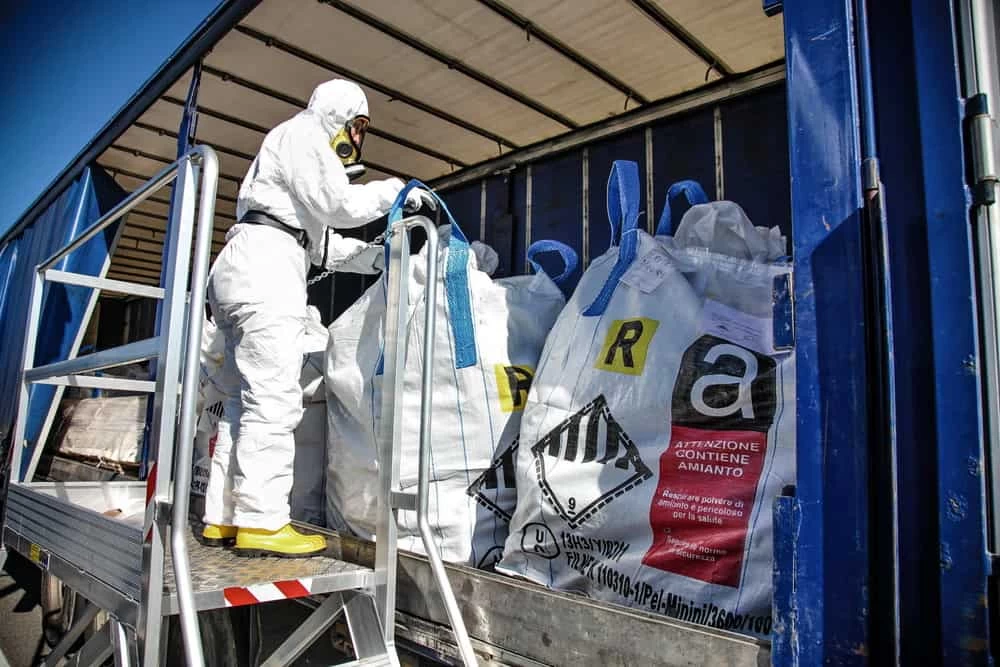
It starts with a site assessment. Before any work begins, we evaluate the scope of the project and the condition of the structure. For any Kings Park home built before 1980 which is most of them that includes identifying whether asbestos-containing materials are present. If they are, we handle abatement in-house through our licensed team, fully compliant with NYS Department of Labor and USEPA NESHAP requirements. You don’t have to find a separate abatement contractor or coordinate two schedules.
Once the site is clear, we manage the permit process through the Town of Smithtown Building Department, located right on East Main Street in Kings Park. We know what they require, we know the timeline, and we handle the paperwork. For emergency situations storm damage after a nor’easter, a burst pipe in January we operate 24/7 and can mobilize fast.
Demolition work proceeds once permits are in place and utilities are properly disconnected and capped through PSEG Long Island and National Grid. When the work is done, the site is clean and ready for whatever comes next whether that’s a renovation crew, a new build, or a final inspection. You’re not left managing the aftermath.
Residential and Commercial Demolition in Kings Park
One Team Handles Demo, Hazmat, and Everything In Between
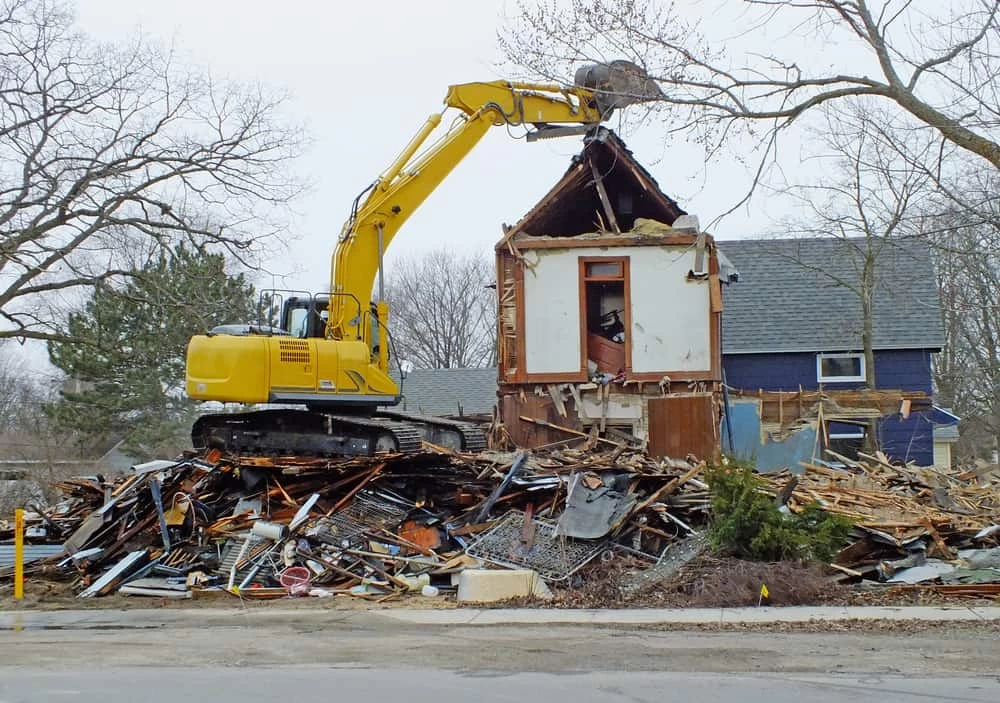
We provide residential demolition, commercial demolition, interior selective demolition, and full structural teardowns in Kings Park and throughout the Town of Smithtown. Every project includes hazardous material assessment upfront because in a community where most of the housing stock predates 1980, skipping that step isn’t an option.
For homeowners in Kings Park planning a gut renovation, a kitchen or bathroom overhaul, or a full teardown-rebuild, we handle the demolition phase end-to-end: asbestos abatement if needed, permit management through the Smithtown Building Department, utility disconnection coordination, demolition, and debris removal. The rising property values in this area median home values now around $619,000 and climbing make it worth doing right the first time. An improperly handled demo with undisclosed asbestos disturbance doesn’t just create a health risk; it creates a disclosure problem that follows the property.
For commercial projects, including work connected to Kings Park’s $10 million Downtown Revitalization Initiative along the Main Street corridor, we bring the same licensed approach: NYS DOL asbestos certification, MWBE certification for state-funded project eligibility, full insurance coverage, and a team that knows how to work within active commercial environments. Whether the job is a single-room interior demo or a full site clearance, the process is the same thorough, compliant, and managed from start to finish.
Do I need a permit for demolition work in Kings Park, NY?
Yes any significant demolition work in Kings Park requires a permit through the Town of Smithtown Building Department, located at 100 East Main Street in Kings Park. This applies to full structural teardowns as well as major interior demolition involving load-bearing elements or structural systems. The permit process includes submitting plans, scheduling inspections during the work, and obtaining final sign-off before the site can be turned over or built upon.
The timeline and documentation requirements vary depending on the scope of the project. A full residential teardown involves a different permit pathway than a selective interior demo tied to a renovation. What doesn’t change is the requirement itself skipping the permit process in Smithtown creates legal exposure and can complicate a future sale or certificate of occupancy. We manage the entire permit process on your behalf, so you’re not navigating the Building Department on your own.
How do I know if my Kings Park home has asbestos before starting demolition?
The honest answer is: if your home was built before 1980, you should assume asbestos-containing materials are present until testing confirms otherwise. Kings Park’s median home construction year is 1967, which means the majority of homes in the hamlet fall into this category. Asbestos was commonly used in floor tiles, ceiling tiles, pipe insulation, roofing shingles, siding, joint compound, and textured paints materials that are easy to disturb during demolition without knowing they’re there.
A licensed asbestos inspector can sample suspect materials before any demolition begins. If asbestos is found above regulated threshold quantities, NYS Department of Labor regulations require licensed abatement prior to demolition not optional, not something you can work around. We hold active NYS DOL asbestos contractor certification and handle the testing coordination, abatement, and demolition in-house. You don’t need to manage two separate contractors or worry about whether the abatement was done correctly before the demo crew arrives.
What happens if asbestos is discovered after demolition has already started in Kings Park?
This is one of the most stressful scenarios a homeowner in Kings Park can face, and it happens more often than people expect especially in the hamlet’s older housing stock. If a contractor who isn’t licensed for asbestos abatement disturbs asbestos-containing materials, work must stop immediately. The site may need to be secured, air quality testing may be required, and a licensed abatement contractor has to be brought in before anything else can proceed. That gap between when the unlicensed contractor stops and when a licensed abatement team can mobilize can cost days or weeks.
The way to avoid this entirely is to hire a contractor who handles both from the start. When asbestos abatement and demolition are integrated under one licensed team, discovery mid-project doesn’t become a crisis. It becomes a next step that the same crew handles without stopping your timeline. That’s the practical reason the integrated model matters in a community like Kings Park, not just a marketing point.
How much does a demolition project typically cost in Kings Park, NY?
Demolition costs in Kings Park vary significantly based on the scope of work, the size of the structure, access conditions on the property, and whether hazardous materials are present. A selective interior demolition for a kitchen or bathroom renovation is a very different project than a full residential teardown on a tight residential lot. As a general reference point, interior selective demo for a single room or section of a home can run from a few thousand dollars, while full structural demolition of a residential home typically ranges from $10,000 to $25,000 or more depending on size, materials, and site conditions.
Asbestos abatement, if required, adds to the cost but it’s a cost that’s required by law if regulated materials are present, and it’s far less expensive than the legal and financial exposure of skipping it. In a market where Kings Park home values are averaging around $619,000, the cost of proper demolition is a small percentage of the overall project budget and the protection it provides to your property’s value and your family’s health. We provide detailed, itemized quotes so you know exactly what’s included before any work begins.
Can you handle emergency demolition in Kings Park after storm damage?
Yes and this is a real need for Kings Park homeowners given the hamlet’s exposure to the Long Island Sound. Nor’easters that hit the North Shore can drive significant water into basements and crawl spaces, cause structural damage to older homes, and create situations where portions of a structure need to come down quickly to prevent further deterioration or safety hazards. We operate 24/7 and provide emergency demolition response for exactly these situations.
Emergency demolition after storm or water damage often overlaps with remediation work removing wet materials, addressing mold risk, and stabilizing the structure before repairs can begin. Because we handle demolition and environmental remediation under one roof, we can assess and address the full scope of the damage in a single mobilization. We also have direct experience working with insurance companies to document damage and support claims, which matters when you’re already dealing with the stress of a damaged home and a pending insurance process.
Does Green Island Group handle demolition permits and utility disconnection in Kings Park?
Yes permit management and utility coordination are part of how we run every project. Before demolition can begin in Kings Park, gas, electric, water, and sewer connections need to be properly disconnected and capped. That means coordinating with PSEG Long Island for electric service, National Grid for gas, and the applicable water district. These aren’t steps you want to skip or rush an improperly disconnected utility line creates serious safety risk during demolition.
On the permit side, we manage the full process through the Town of Smithtown Building Department. We handle the application, coordinate the required inspections during the project, and follow through to final sign-off. For homeowners who have never pulled a demolition permit before, that process can feel opaque and time-consuming. For us, it’s a routine part of every project. You don’t need to take time off work to sit in the Building Department office or track down inspection status we handle that communication on your behalf from start to finish.