Lynbrook's Older Homes Deserve More Than a Sledgehammer
Most homes in Lynbrook were built before 1970. That means asbestos, lead paint, and a permit process that requires Village Board approval — not just a building department stamp. We handle all of it, start to finish, under one license.
I needed a professional consultation explanation of procedure for safe removal of Asbestos in my apartment complex. Without having an account yet, I was very impressed with the caring, knowledgeable and generous advice offered by Jessica, and will look forward to doing business in the future. Thank you so much! I feel much more informed about a sometimes scary endeavor. Peace. Nancy Silva Mineola, NY.
Mia Munoz
Used this company to clean up some water flood in my house. They were fast and easy to work with.very professional, Would recommend to anyone!
Nini Valle
Great company, had a flood and they responded quickly and efficiently. Billed my insurance company directly. I highly recommend this company!
joe colapietro, jr
I had pipe freeze in my basement right before a snow storm and they made to within an hour to help start the clean up process. They we by our side throughout the entire process and even helped with the insurance company. They did such a great job with the cleanup, repair, remidiation, I contracted them to perform the repairs and finishes in the basement. They came with enough manpower and material to get the job done. Leo and Jessica were nothing but a pleasure to deal with!!
Cristian Arredondo c
I had some water damage in my home and Green Island was able to take care of my issue quickly and effectively. I am very pleased with the work they did. They responded quickly and were very professional.
Michael M
Outstanding service! From the office to the field crew everyone was friendly, helpful and responsive. I highly recommend Green Island Group.
When you’re tearing into a 1950s Cape Cod off Atlantic Avenue or gutting a Tudor basement near Greis Park, what’s behind those walls matters. Floor tiles, pipe insulation, ceiling texture, joint compound — in Lynbrook’s housing stock, any of these could contain asbestos. That’s just the reality of homes built during that era, and it affects how demolition has to be done legally and safely.
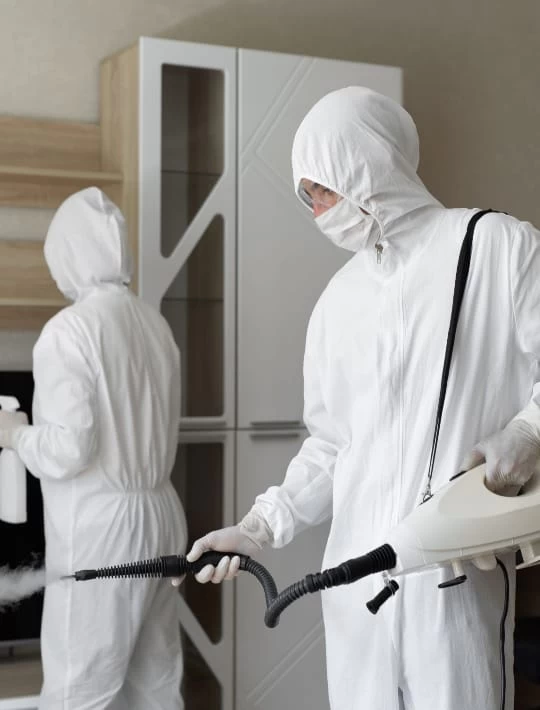
When a licensed contractor handles your project, the asbestos gets tested before anything comes down. If it’s there, it gets abated properly — documented, disposed of correctly, and cleared before the demo crew moves in. You’re not managing two separate contractors or two separate timelines. The work flows the way it should.
What you’re left with at the end is a clean slate you can actually build on. No liability hanging over the project. No permit complications when you go to sell. No mid-project halt because someone found something behind the wall that the contractor wasn’t equipped to handle. In a village where homes are selling at a median of $738,000, getting this part right isn’t optional — it’s the whole point.
Licensed Demolition Contractors Serving Lynbrook, NY
One Team, One License, No Handoffs
We’re a licensed environmental contracting and demolition firm based on Long Island, and we’ve been serving Lynbrook and the surrounding Nassau County communities for years. The reason Lynbrook homeowners and property managers call us isn’t because we’re the biggest name in the business — it’s because we’re one of the few contractors who can legally handle both the hazardous materials abatement and the demolition under the same roof, without subcontracting either piece out.
We hold the NYS Department of Labor Asbestos Handling Contractor License. That’s the license New York State requires to legally disturb or remove asbestos-containing materials. Most of the demolition companies that show up in a Lynbrook search don’t hold it. That gap matters — especially in a village where the Building Department requires a separate Asbestos Abatement Form as part of the permit process.
We already serve Lynbrook for storm damage and flood restoration work, so we know the housing stock, the permit process, and the South Shore conditions that come with it. This isn’t a market we’re new to.
No Guesswork — Here's What the Process Actually Looks Like
It starts with an assessment. Before anything gets touched, we look at the structure, identify any materials that could contain asbestos or lead, and give you a clear picture of what’s there. In Lynbrook’s pre-1970 housing stock, this step isn’t a formality — it’s what determines the actual scope and timeline of the project. Skipping it is how costs blow up mid-job.
From there, we handle the permit process. In Lynbrook, demolishing a one- or two-family home or a residential garage over 550 square feet requires Village Board approval as a special use permit — not just a standard building department filing. We know that process, we pull permits in our name, and we manage the paperwork so you don’t have to figure out the local code on your own.
Once permits are in place and any hazardous materials have been abated and cleared, the demolition work begins. We verify utility disconnections, assess the proximity of neighboring structures — which matters in a village this dense — and work in a way that protects the areas of your home that aren’t coming down. When we’re done, you receive full disposal documentation: the chain of custody records that show every abated material was handled and disposed of correctly. That paperwork protects you at resale, and it satisfies the Lynbrook Building Department’s requirements.
From a Single Wall to a Full Gut — Covered Either Way
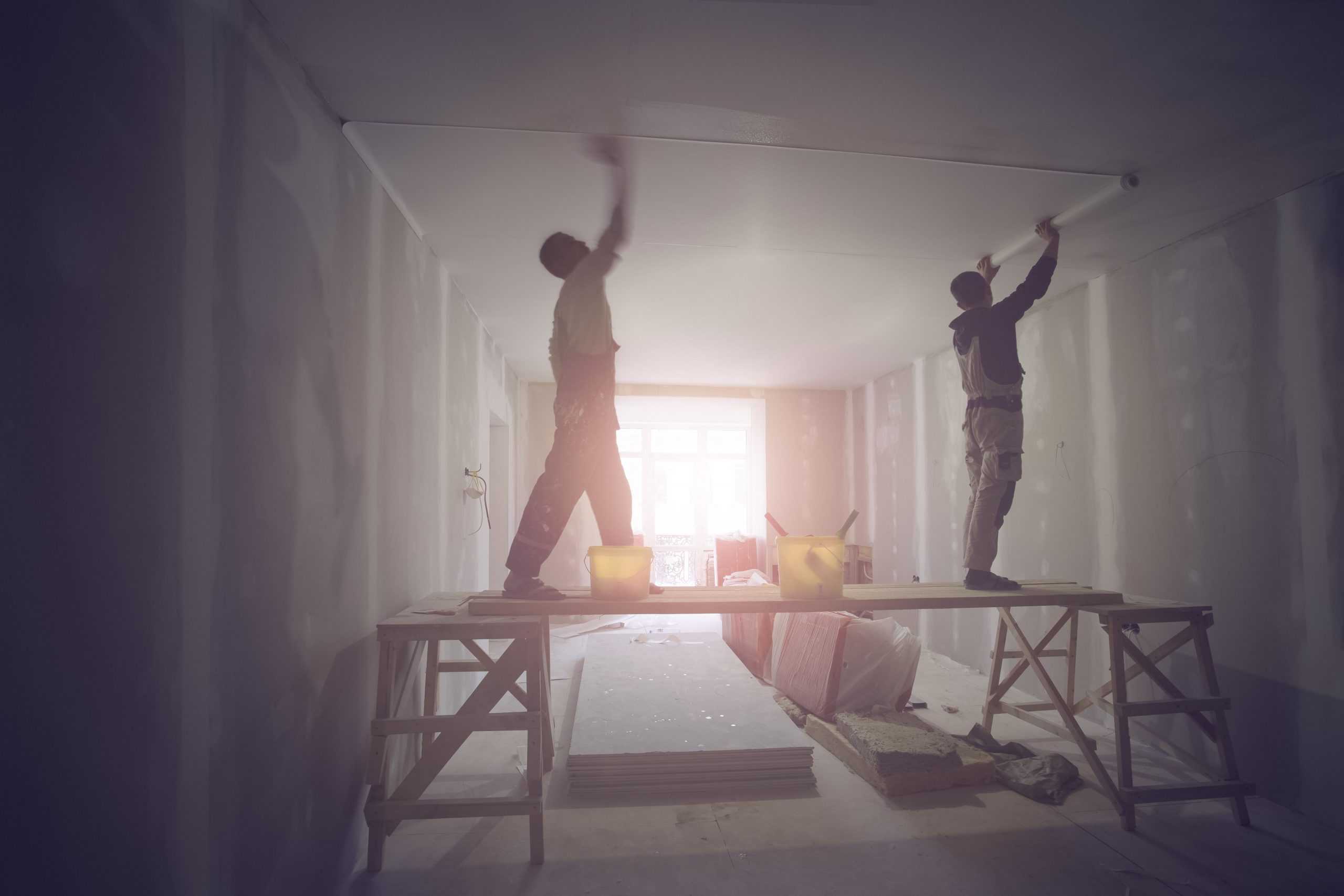
We handle residential and commercial demolition throughout Lynbrook and the surrounding Nassau County communities — East Rockaway, Valley Stream, Malverne, Rockville Centre, and beyond. On the residential side, that means interior selective demo, kitchen and bathroom gut-outs, basement teardowns, and full structural demolition. On the commercial side, it means tenant improvement demolition, retail and restaurant buildouts, and office reconfiguration — the kind of work that Lynbrook’s active downtown corridor along Sunrise Highway generates regularly.
Every project includes a pre-demolition hazardous materials assessment. If asbestos or lead is found, we handle abatement in-house under our NYS DOL license before demolition begins. You won’t be told halfway through the job that work needs to stop while a third party is brought in. That scenario — common with unlicensed contractors — is exactly what our integrated process is built to prevent.
For emergency demolition following flood or storm damage, we maintain a response presence in Lynbrook and can reach local properties within an hour. After the August 2024 flooding that caused widespread damage across Nassau County, we were already in the community working alongside homeowners on the South Shore. If your basement took on water and you’re not sure what needs to come out before mold sets in, that’s a call we’re equipped to answer — any time of day.
Do I need a permit to demolish a wall or gut a room in Lynbrook?
For interior selective demolition — removing a wall, gutting a kitchen, opening up a basement — you’ll typically need a building permit from the Village of Lynbrook Building Department, located in the lower level of Village Hall. The permit application requires a description of the proposed work, estimated cost, and owner and contractor information.
Where it gets more specific to Lynbrook is with full structural demolition. If you’re tearing down a one- or two-family home or a residential garage larger than 550 square feet, the village code requires Village Board approval as a special use permit — not just a standard building department sign-off. That’s a more involved process than most homeowners expect, and it’s one that out-of-area contractors often aren’t aware of until the project stalls. Additionally, the Lynbrook Building Department requires a separate Asbestos Abatement Form as part of the permitting package — which means your contractor needs to be licensed to perform that abatement, or the permit process hits a wall before it starts.
How do I know if my Lynbrook home has asbestos before starting demolition?
The only way to know for certain is to have the materials tested by a qualified inspector before any demolition work begins. New York State law requires an asbestos survey prior to demolition of any structure, and the Village of Lynbrook reinforces this at the local level with its own Asbestos Abatement Form requirement in the permitting process.
In practical terms, if your home was built before 1978 — and in Lynbrook, the vast majority of homes were built between the 1930s and 1960s — you should assume asbestos-containing materials are present until testing proves otherwise. Common locations include floor tiles (especially 9×9 inch vinyl tiles), popcorn ceiling texture, pipe and duct insulation, joint compound, roofing felt, and exterior siding. These materials are not dangerous if left undisturbed, but the moment demolition work disturbs them, you’re in regulated territory. A licensed abatement contractor handles the testing, the removal, and the documentation — so the permit process and the project itself stay on track.
What happens if asbestos is found after demolition has already started?
If asbestos-containing materials are disturbed without proper abatement, the project has to stop immediately. At that point, the area needs to be contained, air monitoring may be required, and a licensed abatement contractor has to be brought in to assess and remediate — which adds time, cost, and potential regulatory exposure to a project that was supposed to be moving forward.
This is exactly why the pre-demolition assessment matters so much in Lynbrook’s housing stock. When a contractor finds something mid-project and isn’t licensed to handle it, you’re now managing a stop-work situation with two contractors, an open structure, and a timeline that’s blown. When the assessment happens first and the abatement contractor is already the demolition contractor — which is how we operate — there’s no gap in the process. If something unexpected is found once walls are open, the same team handles it and the project keeps moving. That’s not a minor operational detail. In a pre-1970 home, it’s the difference between a project that finishes on schedule and one that doesn’t.
How much does demolition cost for a home in Lynbrook, NY?
Demolition costs in Lynbrook vary based on the scope of work, the size of the structure, what hazardous materials are present, and what the permit process requires. For interior selective demolition — a kitchen gut, a bathroom teardown, a basement overhaul — costs typically range from a few thousand dollars for a straightforward room to significantly more if asbestos abatement is required. Full structural demolition of a home runs considerably higher and includes permit fees, utility disconnection coordination, debris removal, and disposal.
The asbestos factor is worth understanding clearly. If testing confirms ACMs are present, abatement adds to the project cost — but it’s not optional, and it’s not something to work around. The liability exposure from improperly disturbed asbestos — EPA fines, emergency remediation costs, and the disclosure complications that arise during a future home sale in Lynbrook’s $738,000 median market — far exceeds the cost of doing it right the first time. When you get a quote from us, the assessment findings are factored in before the project starts, so the number you’re given reflects the actual scope — not a lowball figure that grows once work begins.
Can you handle emergency demolition after flooding in Lynbrook?
Yes, and it’s something we’re already set up to do in this community. Lynbrook’s South Shore location makes it vulnerable to the kind of flooding that hit Nassau County hard in August 2024, when record rainfall caused widespread home damage and New York State activated disaster assistance for affected homeowners. When floodwater saturates wall cavities, subfloor assemblies, and basement framing, selective demolition — removing the damaged drywall, flooring, and structural elements — is often the first step before any restoration or remediation can begin.
We maintain a 24/7 emergency response presence and can reach Lynbrook properties within an hour of a call. We’re familiar with the South Shore flooding patterns and the kind of damage they leave behind. If you’re standing in a wet basement trying to figure out what needs to come out and what can stay, that’s exactly the call we’re built to take. We’ll assess what’s there, tell you what has to go, and get the work moving — so mold doesn’t get a head start while you’re waiting on a contractor who’s never been to the village before.
Do I need to hire a separate contractor for asbestos removal and demolition in Lynbrook?
Not if your demolition contractor holds the NYS Department of Labor Asbestos Handling Contractor License — which is the state-required credential to legally remove or disturb asbestos-containing materials. Most homeowners in Lynbrook don’t realize that many of the companies showing up in local demolition searches are junk removal companies or general contractors who don’t hold this license. That means they either can’t legally touch asbestos-containing materials or they’ll subcontract the abatement out to a third party — adding cost, time, and a coordination gap to your project.
We hold that license. When you hire us for a demolition project in Lynbrook, the asbestos assessment, the abatement, and the demolition are all handled by the same team under the same contract. You’re not tracking two separate scopes of work or waiting for one contractor to finish before the other can start. For a homeowner in a 1955 Colonial or a 1940s Tudor — the kind of homes that line Lynbrook’s streets — that integrated approach isn’t a convenience. It’s the only way the project gets done correctly, on time, and in full compliance with what the Lynbrook Building Department actually requires.