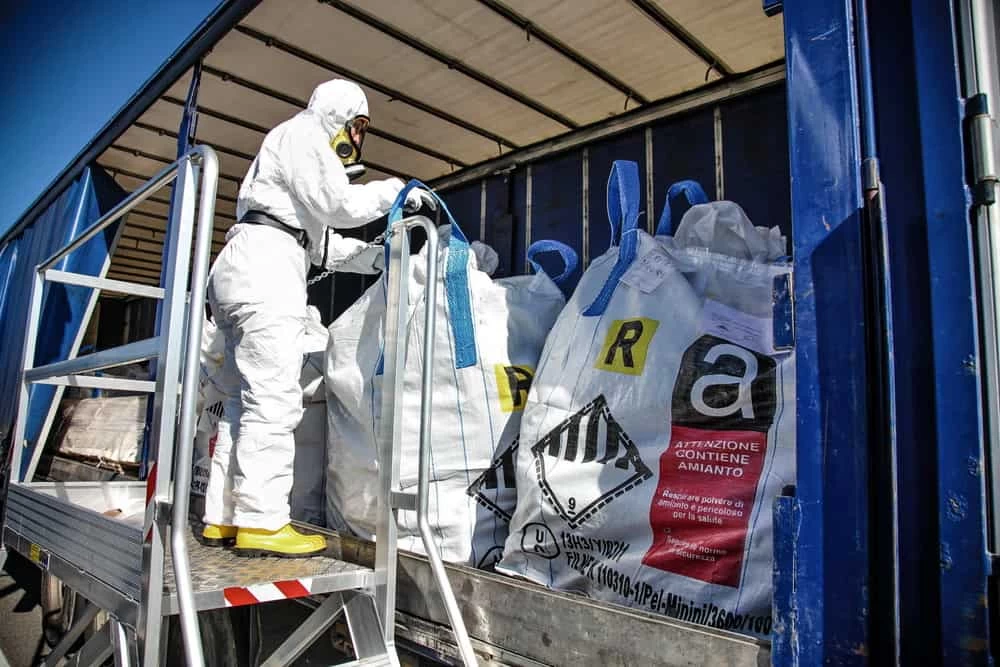
I needed a professional consultation explanation of procedure for safe removal of Asbestos in my apartment complex. Without having an account yet, I was very impressed with the caring, knowledgeable and generous advice offered by Jessica, and will look forward to doing business in the future. Thank you so much! I feel much more informed about a sometimes scary endeavor. Peace. Nancy Silva Mineola, NY.
Mia Munoz
Used this company to clean up some water flood in my house. They were fast and easy to work with.very professional, Would recommend to anyone!
Nini Valle
Great company, had a flood and they responded quickly and efficiently. Billed my insurance company directly. I highly recommend this company!
joe colapietro, jr
I had pipe freeze in my basement right before a snow storm and they made to within an hour to help start the clean up process. They we by our side throughout the entire process and even helped with the insurance company. They did such a great job with the cleanup, repair, remidiation, I contracted them to perform the repairs and finishes in the basement. They came with enough manpower and material to get the job done. Leo and Jessica were nothing but a pleasure to deal with!!
Cristian Arredondo c
I had some water damage in my home and Green Island was able to take care of my issue quickly and effectively. I am very pleased with the work they did. They responded quickly and were very professional.
Michael M
Outstanding service! From the office to the field crew everyone was friendly, helpful and responsive. I highly recommend Green Island Group.
What Changes When Your Contractor Knows This Building Stock
The buildings around Herald Square and the Garment District weren’t built yesterday. Most of them went up in the 1910s and 1920s reinforced concrete floors, heavy framing, and decades of layered materials that almost always include asbestos and lead paint. When you hire a demolition contractor who doesn’t understand that going in, you find out mid-project. That’s when timelines blow up and costs follow.
When your contractor identifies hazardous materials before the first permit application not after the walls are open the project stays on track. We conduct pre-demolition assessments in-house, so there’s no waiting on a separate abatement crew to clear the site before demo can begin. That matters a lot when you’re carrying costs on a Midtown Manhattan property.
The August 2025 Midtown South Mixed-Use rezoning just opened 42 blocks of this area to residential development for the first time in decades. Every office-to-apartment conversion, every 1920s garment building being repositioned it all starts with demolition. If you’re moving on one of those opportunities in Macys Finance, the difference between a contractor who knows NYC DOB permitting cold and one who’s figuring it out on your project is measurable in weeks.
We’ve been doing demolition, environmental remediation, and restoration work across New York for over 12 years. More than 340 of those projects have been completed specifically within New York City’s five boroughs in the same dense, heavily regulated, pre-war building environment you’re dealing with right now in Macys Finance.
We’re licensed by the NYC Department of Buildings, EPA and OSHA certified, and hold MWBE certification from New York State a government-verified credential that qualifies us for public contracts and signals a level of compliance vetting that most contractors simply can’t match. One block from where you’re standing, Penn Station moves more commuters than any rail hub in North America. Our Long Island base connects directly to this area through that same infrastructure, and we’ve been working in buildings like yours in neighborhoods like Herald Square and the surrounding Garment District for over a decade.
Everything is in-house. Asbestos abatement, lead paint removal, mold remediation, permit management, and demolition one team, one license, one point of accountability.
No Mystery Here's Exactly How a Manhattan Demo Project Runs
It starts before anyone touches a wall. For any building in the Macys Finance area virtually all of which predate 1987 the NYC Department of Buildings requires an asbestos assessment before a demolition permit will be issued. That’s the ACP-5 form, and it has to be completed by a certified professional. We handle that assessment in-house as the first step, so you’re not waiting on a third party to clear the site before the permitting process can even begin.
From there, we manage the full DOB application site plan, demolition proposal, contractor licensing verification, utility disconnection documentation, and any DEP or FDNY permits required based on what the assessment turns up. If asbestos abatement is needed, the A-TRU permit from DEP gets filed and the abatement work is completed before physical demolition begins. You don’t manage any of that paperwork. We do.
Once the site is cleared and permitted, demolition proceeds under the appropriate safety supervision Site Safety Manager credentials are required for buildings in the 10-to-14-story range, which covers most of the commercial structures in this area. When the work is done, post-demolition inspection is coordinated and the site is turned over clean. If the project involves a damage claim water, fire, or storm we work directly with your insurance carrier through the entire process.
Commercial Demolition Contractors in Macys Finance
Every Service This Area's Building Stock Actually Demands
Demolition in the Herald Square and Garment District corridor isn’t a one-size situation. The building stock here is specific pre-war commercial construction with materials and systems that require licensed handling before a single structural element comes down. We offer interior selective demolition for gut renovations and office-to-residential conversions, full structural demolition for site clearance, and emergency demolition following water damage, fire, or storm events. All of it under one roof.
Because nearly every building in this area triggers mandatory asbestos assessment requirements under NYC DOB rules, asbestos abatement is a standard part of the process here not an add-on you get handed off to someone else for. The same applies to lead-based paint assessment and removal in pre-1978 structures, which again describes the overwhelming majority of buildings in this corridor. Mold remediation is also handled in-house when discovered during the demolition process, which is common in buildings with aging plumbing infrastructure.
For property owners and developers working within the MSMX rezoning boundaries the 42-block area now open to residential development that runs through this neighborhood we’re equipped to handle the full scope of what those conversion projects require. From the initial hazardous material assessment through permitted demolition and site prep, the process is managed start to finish by the same licensed team. No referrals. No gaps in accountability. And for any project involving an insurance claim, we bill the carrier directly.
Do I need a demolition permit for interior work in a Manhattan building?
Yes and in Manhattan, the threshold for what requires a permit is lower than most people expect. Full gut demolition always requires a DOB permit, but significant interior demolition removing load-bearing elements, altering structural systems, or any work that changes the configuration of a space in a way that affects egress or fire separation also triggers permitting requirements. The NYC DOB is strict about this, and unpermitted work creates real problems: stop-work orders, fines, and title complications if you ever sell or refinance the property.
For buildings in the Macys Finance area, there’s an additional layer. Because virtually every structure here predates 1987, an asbestos assessment (the ACP-5 form) is required before the DOB will issue a demolition permit at all. That step has to happen first, completed by a certified professional, before the application process can move forward. We handle both the assessment and the permit application in-house, so the process moves as efficiently as it can within the city’s regulatory timeline.
How long does it take to get a demolition permit approved in New York City?
It depends on the project scope and whether the application is complete when submitted. A straightforward interior demolition permit for a smaller commercial space can move through DOB review in a few weeks if everything is in order. Larger projects full structural demolition of a multi-story building, for example can take longer, particularly if the application requires additional review or if an asbestos abatement permit from DEP needs to run concurrently.
The most common reason permits get delayed is an incomplete application. Missing documentation, unlicensed contractor credentials, or a missing ACP-5 form will stop the process cold. Working with a contractor who manages the full permit application and who has done it hundreds of times in the NYC system is the most reliable way to avoid those delays. We’ve completed 340+ demolition projects across the five boroughs, which means we know exactly what the DOB needs and how to submit it correctly the first time.
Is asbestos really that common in Garment District and Herald Square buildings?
In buildings constructed before 1980 which is nearly every building in the Herald Square and Garment District area, including those in Macys Finance asbestos-containing materials were standard. Floor tiles, pipe insulation, ceiling materials, joint compound, and fireproofing spray all commonly contained asbestos during that era. It doesn’t mean every building has it in a condition that requires abatement, but it does mean every building needs to be assessed before demolition work begins. That’s not optional it’s a NYC DOB requirement.
The ACP-5 certification process determines whether a site is asbestos-free, contains asbestos in a minimally acceptable condition, or requires full abatement before demolition can proceed. If abatement is required, a separate A-TRU permit from NYC DEP must be obtained and the abatement work completed before physical demolition begins. We handle the assessment, the certification, and the abatement in-house so if asbestos is found, the project doesn’t stop while you wait for a separate contractor to come in and deal with it.
What does a demolition contractor in Macys Finance typically cost for a commercial gut renovation?
Commercial demolition costs in Manhattan vary significantly based on the size of the space, the number of floors involved, the structural complexity of the building, and what hazardous materials are present. For a mid-size commercial gut renovation in a Garment District building say, a full floor of a 1920s-era structure you’re generally looking at a project where asbestos abatement, permitting, and structural demolition are all line items. Each of those has its own cost, and they compound quickly in a dense urban environment with strict disposal and logistics requirements.
What drives costs up most in this area isn’t the demolition itself it’s discovering hazardous materials mid-project that weren’t identified upfront. When a contractor doesn’t conduct a proper pre-demolition assessment, those discoveries stop the job and trigger emergency abatement costs on top of the original quote. We conduct hazardous material assessments before quoting, so the number you get reflects the actual scope of the project not a lowball figure that grows once the walls are open.
Can a demolition contractor handle the work if my building has a damage insurance claim?
Yes and if you’re dealing with water damage, fire damage, or storm damage in a building with aging infrastructure, having a contractor who can work directly with your insurance carrier makes a significant difference in how smoothly the process goes. The demolition phase of a damage recovery project is often where claims get complicated, because the scope of what needs to come out isn’t always clear until the work begins. A contractor who understands how to document that scope for an insurance adjuster and who can bill the carrier directly keeps the project moving without putting you in the middle of every back-and-forth.
We’ve handled damage-related demolition projects across Manhattan and have direct experience working with insurance companies on these claims. Multiple clients have specifically noted this in their reviews not as a side service, but as a meaningful part of how the project was managed. For property owners in the Macys Finance area dealing with the kind of plumbing failures and water infiltration events that are common in 100-year-old commercial buildings, that capability is worth asking about upfront.
How do I verify that a demolition contractor is properly licensed to work in Manhattan?
The NYC Department of Buildings maintains a public database where you can look up any contractor’s license status directly at nyc.gov/buildings. For demolition work in New York City, you want to confirm that the contractor holds an active NYC DOB Special Contractor Registration for demolition not just a general contractor license. Those are different credentials, and only the demolition-specific registration qualifies a contractor to pull demolition permits in the city.
Beyond the DOB license, for any project in a pre-1987 building which again covers nearly every structure in the Macys Finance and Herald Square area you want to confirm that the contractor’s team includes EPA-certified professionals who can conduct the required asbestos assessment. OSHA certification for the crew is also a baseline requirement for NYC demolition projects, and Site Safety Manager credentials are required on-site for buildings in the 10-to-14-story range. We hold all of these credentials and encourage every prospective client to verify our license independently on the DOB’s public portal before signing anything. That’s not a common offer in this industry and it should tell you something.