Mineola's Older Homes Deserve More Than a Sledgehammer
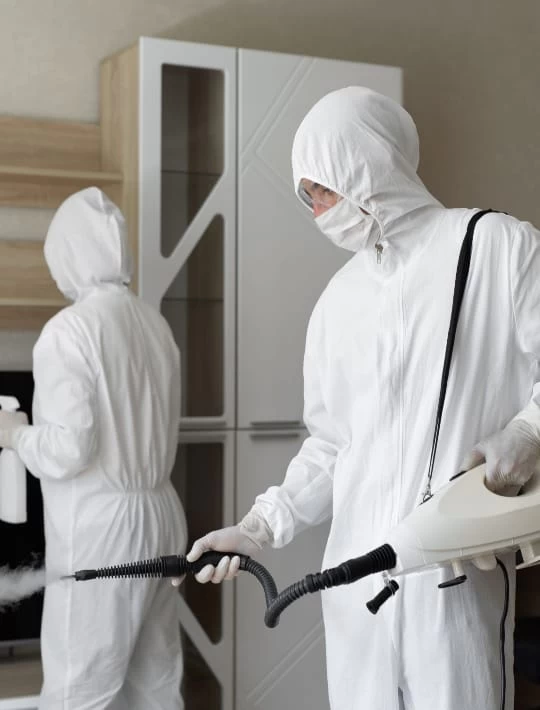
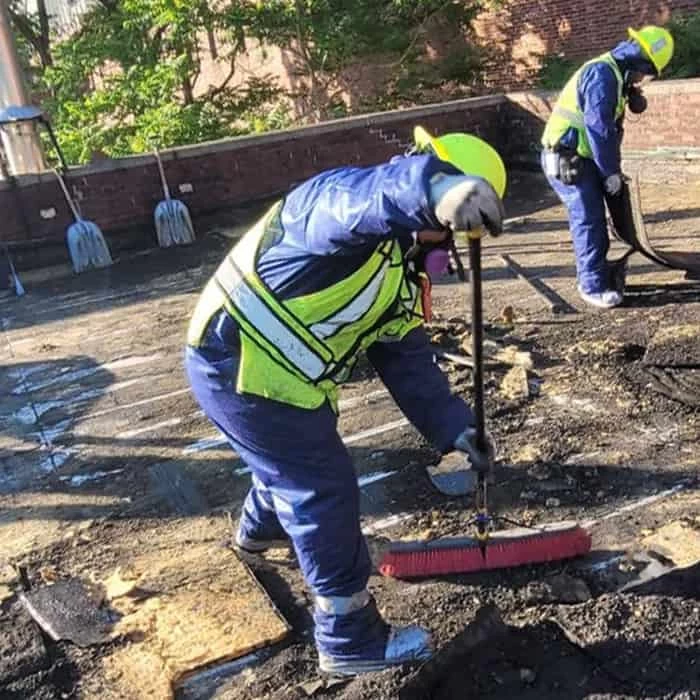
Most homes in Mineola were built before 1960 — and what’s inside those walls requires more than a demo crew. We handle the hazardous materials, the permits, and the demolition under one roof.
I needed a professional consultation explanation of procedure for safe removal of Asbestos in my apartment complex. Without having an account yet, I was very impressed with the caring, knowledgeable and generous advice offered by Jessica, and will look forward to doing business in the future. Thank you so much! I feel much more informed about a sometimes scary endeavor. Peace. Nancy Silva Mineola, NY.
Mia Munoz
Used this company to clean up some water flood in my house. They were fast and easy to work with.very professional, Would recommend to anyone!
Nini Valle
Great company, had a flood and they responded quickly and efficiently. Billed my insurance company directly. I highly recommend this company!
joe colapietro, jr
I had pipe freeze in my basement right before a snow storm and they made to within an hour to help start the clean up process. They we by our side throughout the entire process and even helped with the insurance company. They did such a great job with the cleanup, repair, remidiation, I contracted them to perform the repairs and finishes in the basement. They came with enough manpower and material to get the job done. Leo and Jessica were nothing but a pleasure to deal with!!
Cristian Arredondo c
I had some water damage in my home and Green Island was able to take care of my issue quickly and effectively. I am very pleased with the work they did. They responded quickly and were very professional.
Michael M
Outstanding service! From the office to the field crew everyone was friendly, helpful and responsive. I highly recommend Green Island Group.
Your Project Moves Forward — No Surprises, No Stops
When the median construction year of homes in Mineola is 1954, a demolition project is almost never just a demolition project. Behind those walls, under those floors, and wrapped around those basement pipes, there’s a strong chance you’re dealing with asbestos-containing materials — not because something went wrong, but because that’s simply how homes were built in that era. The difference between a smooth project and a stopped one usually comes down to whether your contractor was prepared for that reality before they showed up.
We handle asbestos assessment, abatement, and structural demolition under a single contract. That means no waiting on a separate abatement company to finish before our demo crew can start, no scheduling gaps, and no regulatory grey areas that fall back on you. For Mineola homeowners investing in homes that have nearly tripled in value since 2000, that kind of continuity is how the job gets done right.
Mineola’s density adds another layer most contractors don’t think about. At over 11,000 people per square mile, your neighbors are close — sometimes very close. Proper containment during any hazmat phase isn’t optional here. Dust, debris, and airborne particles have nowhere to go in a tight residential block unless the contractor controls them from the start. That’s built into how we work, not something we figure out on the fly.
One Team That Knows Mineola and Nassau County's Rules Cold
We are a full-service environmental contracting and demolition company serving Mineola and Nassau County. What separates us from most contractors in this market isn’t just what we do — it’s what we’re licensed to do. We hold the NYS Department of Labor Asbestos Handling Contractor License and operate in compliance with Nassau County’s Environmental Hazard Remediation Program, the county-specific licensing layer that many contractors working out of Suffolk or the city simply don’t carry.
We’ve worked across Mineola and Nassau County long enough to know what’s standard in a Mineola home built in the 1940s or 1950s — the 9×9 floor tiles, the pipe wrap in the basement, the textured ceilings. None of it surprises us. We also know the Village of Mineola Building Department at 155 Washington Avenue, the Nassau County rodent-free certification requirement, and how to move a project through the permit process without it becoming your problem to manage.
It starts with a site assessment. Before any work begins, a certified inspector evaluates the property for asbestos-containing materials and lead paint — both of which are required by New York State law before demolition or renovation in structures like the ones that make up most of Mineola’s housing stock. This isn’t a formality. It’s what determines how the rest of the project is structured and what the regulatory requirements are for your specific job.
If hazardous materials are identified, the abatement phase comes next. Our licensed crew handles removal and disposal in full compliance with NYS DOL Industrial Code Rule 56 and Nassau County’s EHRP requirements. All waste is disposed of through documented, chain-of-custody channels — which matters when you go to sell a home in a market where buyers and title companies ask questions. Once abatement is complete and clearance testing confirms the space is clean, the structural demolition proceeds.
From there, debris is removed, the space is cleared, and you receive full project documentation. Your renovation contractor walks into a ready space with no open regulatory questions and no surprises waiting behind the next wall. For larger commercial projects in Mineola’s active downtown redevelopment corridor — near the LIRR Intermodal Center and the transit-oriented projects reshaping the village — the same process scales up with the bonding and project management infrastructure those jobs require.
Every project starts with a mandatory pre-demolition asbestos survey by a certified inspector — required by state law, handled by us. If asbestos or lead paint is present, licensed abatement is performed before any structural work begins. This is the phase most contractors in Mineola either skip, subcontract to an unknown third party, or simply aren’t licensed to perform themselves. We do it in-house, which keeps your timeline intact and your liability exposure where it belongs — on us.
On the permit side, we handle the building permit application with the Village of Mineola Building Department and coordinate the Nassau County rodent-free certification that’s required before demolition of any residential, commercial, or industrial building in the county. These aren’t steps you should have to chase down on your own. They’re part of the job.
For residential projects — whether it’s a kitchen gut, a basement tearout, or a full structural demo on one of Mineola’s mid-century Cape Cods or colonials — the end result is a documented, cleared space with post-project clearance testing included. For commercial clients in Mineola’s downtown or along the Old Country Road corridor, we bring the same regulatory fluency to larger-scale projects, with the insurance coverage and bonding documentation that commercial property owners and developers require. The scope changes by project. The standard doesn’t.
Do I need a permit for demolition work in Mineola, NY?
Yes — and in Mineola, that means navigating at least two separate permit requirements before work can legally begin. The Village of Mineola Building Department, located at 155 Washington Avenue, requires a building permit before any demolition project starts. The current permit fee is $50, though that can change, so it’s worth confirming directly with the department at (516) 746-0750. On top of that, Nassau County requires a rodent-free certification before demolition of any residential, commercial, or industrial building in the county — a step that catches a lot of first-time demolition buyers off guard.
If asbestos-containing materials are present, which is highly likely in any Mineola home built before 1980, there are additional state and county notification and compliance requirements that apply before work can begin. We manage the permit process as part of the project. You don’t have to figure out which office handles what — we’ve done this in Mineola and across Nassau County and know exactly what’s required at every step.
How do I know if my Mineola home has asbestos before I start demolition?
The honest answer is that you don’t know until a certified inspector tests for it — and New York State law requires that a mandatory asbestos survey be completed before any renovation or demolition that could disturb potential asbestos-containing materials. This isn’t optional, and it applies to the overwhelming majority of homes in Mineola, where the median construction year is 1954 and nearly 38% of the housing stock was built before 1950.
The materials most commonly found to contain asbestos in Mineola’s mid-century homes include 9×9-inch floor tiles, pipe and duct insulation in basements, textured ceiling finishes, joint compound behind drywall, and roofing materials. None of these are visible indicators — they look exactly like non-asbestos versions of the same material. The only way to know is testing. We coordinate the certified inspection as part of the pre-project process, so you have a clear answer before any work begins and a documented compliance record to go with it.
Can one contractor handle both asbestos abatement and demolition in Nassau County?
Yes — but very few contractors are actually licensed to do both. In New York State, any contractor disturbing asbestos-containing materials must hold a valid NYS Department of Labor Asbestos Handling Contractor License. Nassau County adds its own layer on top of that: the Environmental Hazard Remediation Program requires county-specific contractor licensing and individual worker certification that goes beyond what state licensing alone covers. A contractor licensed in Suffolk County or New York City may not carry Nassau County’s EHRP credentials.
When abatement and demolition are handled by two separate companies — which is the default for most contractors who aren’t licensed for both — you end up managing a handoff between crews, a gap in the timeline, and a shared liability situation that nobody wants to sort out after the fact. We hold the licensing required to perform both phases in Nassau County. That means one contract, one project manager, and no scheduling gap between the abatement phase completing and the demolition phase starting.
What does interior demolition actually cost in Mineola, NY?
Interior demolition costs in Mineola vary based on the size of the space, what’s being removed, and what the pre-demolition inspection turns up. A straightforward kitchen or bathroom gut in a single-family home typically runs in the range of a few thousand dollars for the structural demolition alone. If asbestos abatement is required — which is a realistic expectation in any Mineola home built before 1980 — that adds to the total based on the type, quantity, and location of the materials involved.
What drives cost more than anything else is what’s discovered during the mandatory pre-demolition survey. A project that looks simple from the outside can involve multiple types of asbestos-containing materials in different locations, each requiring specific handling and disposal protocols. We provide transparent estimates after the inspection, so you’re not hit with unexpected additions once the crew is already on-site.
How long does a demolition project typically take in Mineola?
For a standard interior demolition — a kitchen gut, bathroom teardown, or basement clearout in one of Mineola’s single-family homes — the structural demolition itself can often be completed in one to three days once all pre-work is done. The variable that affects timeline most significantly is the hazardous materials phase. If asbestos abatement is required, New York State regulations mandate specific containment, removal, and disposal procedures that take additional time, and federal NESHAP regulations require advance notification of at least ten working days before demolition of structures with asbestos above threshold quantities.
The permit process also affects timeline. The Village of Mineola Building Department requires a permit before work begins, and Nassau County’s rodent-free certification needs to be in place as well. We initiate the permit and inspection process at the start of every project so these steps don’t create unexpected delays once you’re ready to move. For larger commercial demolition projects in Mineola’s downtown redevelopment corridor, timelines are scoped individually based on project size and regulatory requirements.
What happens if flood or storm damage in Mineola requires emergency demolition?
Nassau County’s high water table makes basement flooding a recurring reality for Mineola homeowners — not a once-in-a-decade event. When a nor’easter or a flash flood like the August 2024 storm that triggered statewide emergency repair funds for Nassau County causes water intrusion, the damage often goes beyond what’s visible. Saturated drywall, compromised subfloors, and mold growth behind walls can require emergency demolition before restoration work can begin, and waiting too long increases both the scope of the damage and the remediation cost.
We provide emergency response for exactly these situations. We can typically be on-site within an hour of your call, and we work directly with insurance companies to document the damage and scope the work — which matters when you’re already dealing with a claim. Even in an emergency, the regulatory requirements don’t pause: if the affected area involves pre-1980 materials, asbestos protocols still apply. We handle that as part of the emergency response, not as a separate conversation you have to initiate on your own.