In Morningside Heights, almost every wall you open up has a story and sometimes that story includes asbestos. We handle the full scope: permits, hazmat, demolition, and cleanup, so your project doesn’t stall before it starts.
I needed a professional consultation explanation of procedure for safe removal of Asbestos in my apartment complex. Without having an account yet, I was very impressed with the caring, knowledgeable and generous advice offered by Jessica, and will look forward to doing business in the future. Thank you so much! I feel much more informed about a sometimes scary endeavor. Peace. Nancy Silva Mineola, NY.
Mia Munoz
Used this company to clean up some water flood in my house. They were fast and easy to work with.very professional, Would recommend to anyone!
Nini Valle
Great company, had a flood and they responded quickly and efficiently. Billed my insurance company directly. I highly recommend this company!
joe colapietro, jr
I had pipe freeze in my basement right before a snow storm and they made to within an hour to help start the clean up process. They we by our side throughout the entire process and even helped with the insurance company. They did such a great job with the cleanup, repair, remidiation, I contracted them to perform the repairs and finishes in the basement. They came with enough manpower and material to get the job done. Leo and Jessica were nothing but a pleasure to deal with!!
Cristian Arredondo c
I had some water damage in my home and Green Island was able to take care of my issue quickly and effectively. I am very pleased with the work they did. They responded quickly and were very professional.
Michael M
Outstanding service! From the office to the field crew everyone was friendly, helpful and responsive. I highly recommend Green Island Group.
What Changes When You Hire a Contractor Who Knows This Neighborhood
Most demolition problems in Morningside Heights don’t start with the demo itself. They start before the first wall comes down when a contractor skips the asbestos survey, files the wrong permit, or doesn’t know what a co-op board actually needs to sign off on the work. By the time you realize the mistake, you’ve got a stop-work order, a delayed project, and a bill that keeps growing.
When you hire us, the process looks completely different. The asbestos survey gets done before the DOB permit is filed because that’s the legal sequence, and skipping it isn’t an option in a pre-1980 building. The co-op board gets the insurance certificates and work scope documentation they require, formatted the way they expect it. And the permit is pulled correctly the first time, not amended after a violation.
Morningside Heights is a Landmarks Preservation Commission Historic District, designated in 2017. That means exterior demolition work carries a layer of regulatory review that most contractors in this market have never dealt with. Knowing what triggers LPC review and what doesn’t is the kind of detail that keeps your project moving instead of sitting in a queue waiting for a violation to clear.
We’ve been doing this work for over 12 years, with more than 5,000 completed projects across New York State and 340+ demolition jobs specifically within New York City’s five boroughs. That’s not a number to fill a page it means our team has been inside buildings like yours in Morningside Heights, dealt with the surprises that pre-war construction delivers, and built the systems to handle them without derailing your timeline.
Our crew is EPA and OSHA certified, holds active NYC DOB licensing, and carries NYS asbestos contractor certification. For institutional clients near Columbia University or Mount Sinai Morningside, we’re also MWBE certified and approved for New York State agency work credentials that matter when you’re going through a formal procurement process.
We don’t sub out the hard parts. Asbestos abatement, demolition, mold remediation, and site prep all happen under one roof, with one team accountable from start to finish.
It starts with a site assessment. Before anything gets scheduled, we evaluate the scope of work, identify any hazardous materials asbestos is a near-certainty in Morningside Heights buildings constructed before 1940 and map out exactly what the permit process requires for your specific project type. Interior gut renovations, partial demolitions, and full structural teardowns each follow a different DOB pathway, and knowing which one applies upfront saves weeks.
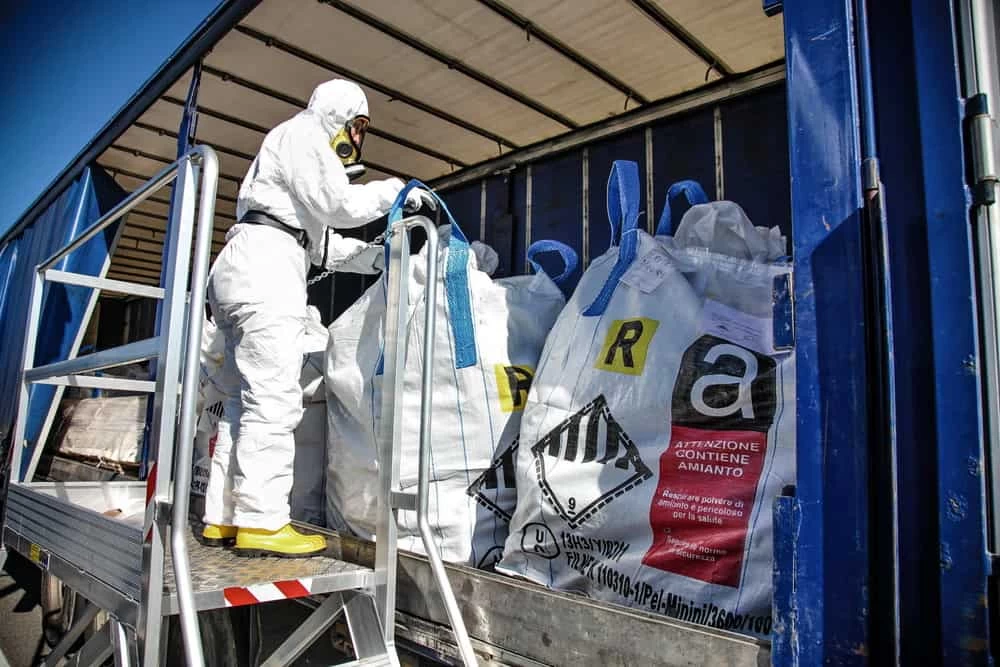
If asbestos is present, abatement comes next. A licensed asbestos investigator files the required ACP-5 or ACP-7 documentation with NYC DEP through the ARTS system, our abatement crew completes the work, and post-abatement air clearance testing is handled before the DOB permit is issued. This is the legal sequence the city requires, and it’s the sequence that keeps your project from getting flagged.
Once the permit is active, demolition proceeds on the schedule your building allows. In most Morningside Heights co-ops, that means weekday work within building-set hours typically 9 a.m. to 5 p.m. We work within those windows, document everything along the way, and leave you with a full paper trail: photos, permits, DEP closeout records, and inspection sign-offs. When the next phase of your renovation begins, there are no open questions about what was done or whether it was done right.
Residential and Commercial Demolition Specialists NYC
Every Scope Covered From Co-Op Gut to Full Teardown
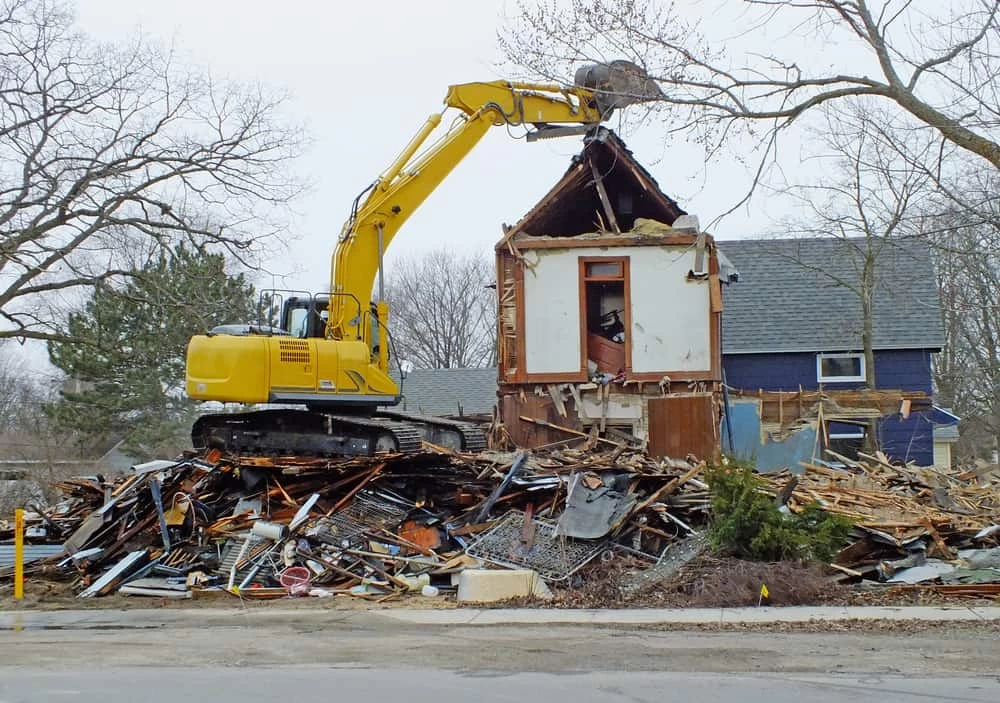
We handle the full range of demolition work that Morningside Heights properties actually require. For residential clients, that’s most often interior gut demolition kitchens, bathrooms, full-apartment teardowns in pre-war co-ops along Riverside Drive or the Broadway corridor that haven’t been touched in decades. For institutional clients at Columbia, Barnard, or the Interchurch Center, it’s office renovations, lab conversions, and building upgrades that require work inside occupied facilities during restricted hours. For property owners and developers, it’s site clearance and structural demolition tied to new construction, including the kind of active development that’s reshaping the blocks between Morningside Heights and the Manhattanville campus to the north.
Every project includes hazardous material assessment as a standard first step not an add-on. In a neighborhood where the median building age is over 80 years, that’s not optional; it’s how licensed demolition work is supposed to be done. We also handle mold remediation and water damage demolition for properties affected by the kind of pipe failures and infiltration events that aging steam-heat buildings in this area see every winter.
If your project involves an insurance claim water damage, fire damage, or storm-related structural work we have a documented track record of working directly with carriers, documenting scope, and helping property owners navigate the claim process without having to manage two separate conversations at once.
Do I need a permit for interior demolition in a Morningside Heights co-op?
Yes, and the type of permit depends on what you’re doing. Standard interior gut demolition in a co-op apartment typically requires an Alt2 permit from the NYC Department of Buildings. If the work changes the building’s use, occupancy classification, or egress layout, you’re looking at an Alt1, which involves a more detailed review process. Either way, the permit has to be filed and approved before work begins not after.
There’s also a step that happens before the DOB permit can even be issued: the asbestos assessment. In Morningside Heights, where most residential buildings were constructed before 1940, NYC DEP requires a Certified Asbestos Investigator to evaluate the scope before any demolition permit is approved. If regulated materials are present, abatement has to be completed and documented first. That’s the sequence the city enforces, and it’s the sequence that keeps your project legally protected from start to finish.
Beyond the city permits, your co-op board will also require its own approval through an alteration agreement specific insurance certificates, a detailed work scope, and contractor credentials. That’s a building-level requirement, not a city one, but it’s just as mandatory in practice.
What does the asbestos abatement process look like before demolition starts?
The process starts with a Certified Asbestos Investigator assessing the space and identifying any asbestos-containing materials things like pipe insulation, vinyl floor tiles, ceiling tiles, or joint compound, all of which are common in Morningside Heights pre-war buildings. Based on what’s found, either an ACP-5 (exemption) or ACP-7 (abatement plan) gets filed with NYC DEP through their ARTS system.
If abatement is required, our licensed crew removes the regulated materials under controlled conditions. After abatement is complete, an independent licensed air monitoring contractor conducts post-abatement clearance testing to confirm the space is safe. DEP reviews the results and issues a closeout before the DOB demolition permit can be issued. The whole sequence from initial assessment to DEP closeout typically takes one to several weeks depending on the scope and DEP processing times.
When we handle abatement in-house, this process runs as one continuous workflow. When you’re coordinating two separate companies, the handoff between them is where delays happen. We manage both sides, which means the timeline stays on track and there’s one point of contact for every step.
How does the Morningside Heights Historic District designation affect my demolition project?
The Morningside Heights Historic District was designated by the NYC Landmarks Preservation Commission in 2017, and it affects exterior work specifically. If your project involves demolishing any exterior elements removing a facade feature, altering a roofline, taking down an exterior wall that work requires LPC review and approval in addition to the standard DOB permit. The LPC process runs on its own timeline, and starting exterior demolition without it can result in a violation that halts everything.
Interior demolition is a different story. Work happening entirely inside your apartment or building gut renovations, wall removals, ceiling teardowns does not require LPC approval. The designation applies to the exterior character of the district, not to what happens inside the walls.
The practical risk for most Morningside Heights property owners isn’t intentional non-compliance it’s not knowing where the line is. A contractor who hasn’t worked in LPC districts before may not flag an exterior element that technically falls under the commission’s jurisdiction until it’s too late. Knowing what requires review, what doesn’t, and how to structure the scope to avoid inadvertent violations is exactly the kind of local regulatory knowledge that protects your project.
What insurance does my demolition contractor need to work in my co-op building?
Co-op buildings in Morningside Heights set their own insurance requirements through their alteration agreements, and those requirements vary by building. That said, most buildings require the contractor to carry general liability insurance at a minimum of $1 million per occurrence and $2 million aggregate, workers’ compensation coverage, and in many cases an additional insured endorsement naming the co-op corporation and its managing agent. Some buildings also require umbrella or excess liability coverage above those minimums.
The certificate of insurance has to be formatted correctly and name the right entities and co-op boards will reject certificates that don’t match their specific requirements. This is one of the most common reasons a contractor gets turned away at the alteration agreement stage: not because their coverage is insufficient, but because the paperwork wasn’t set up the way the building requires.
Before you sign anything with a demolition contractor, ask them directly whether they’ve worked in co-op buildings before and whether they can provide the alteration agreement documentation your building needs. A contractor who’s done this across hundreds of NYC projects knows this process. One who hasn’t will figure it out on your timeline, at your expense.
How much does interior demolition typically cost in a Manhattan apartment?
It depends heavily on the scope, the size of the space, and what’s found once work begins. For a single room a kitchen or bathroom gut interior demolition in Manhattan typically runs between $1,500 and $5,000. A full apartment gut renovation demo for a pre-war co-op can range from $5,000 to $15,000 or more, depending on square footage and how much hazardous material is involved.
Asbestos abatement adds to that figure. In NYC, abatement for a single-room scope typically runs $2,000 to $8,000, with post-abatement air clearance testing adding another $400 to $700. Those aren’t optional costs in a Morningside Heights pre-war building they’re part of the legal process, and they need to be factored into your budget from the start.
The documented case of a 1920 Morningside Heights co-op gut renovation which required asbestos removal, major electrical work, ceiling repair, and new flooring came in at $305,000 total. Demolition and abatement are a fraction of that, but they set the foundation for everything that follows. Cutting corners at that stage tends to create problems that cost more to fix than the original savings were worth.
Can Green Island Group handle emergency demolition in Morningside Heights after water or storm damage?
Yes, and in this neighborhood that capability matters more than it might elsewhere. Morningside Heights’ pre-war building stock steam heating systems, aging plumbing, century-old masonry is vulnerable to the kind of failures that New York winters produce. A burst pipe in a 1920s building doesn’t just damage one unit; it can travel through walls and ceilings into multiple floors before anyone realizes what’s happening. When that happens at 2 a.m. in February, waiting until Monday morning isn’t a real option.
We’re available around the clock for emergency demolition water-damaged walls, saturated ceilings, fire-affected structural elements, anything that needs to come out before the damage spreads or mold sets in. We have a documented response record of arriving within an hour for emergency calls, which is what actually matters when you’re watching water move through a pre-war ceiling.
For damage that involves an insurance claim, we work directly with carriers documenting the scope, communicating the work, and helping you navigate the claim process so you’re not managing the contractor conversation and the insurance conversation simultaneously. In a neighborhood where a single water event can cascade quickly through interconnected building systems, having one team that handles demo, remediation, and insurance coordination is the practical difference between a contained problem and a much larger one.