When Your 1960s Nesconset Home Needs to Come Down Right
Nesconset’s housing stock is older, and that means hidden hazards are part of the job. We handle demolition and asbestos abatement together so your project doesn’t stop the moment something turns up.
I needed a professional consultation explanation of procedure for safe removal of Asbestos in my apartment complex. Without having an account yet, I was very impressed with the caring, knowledgeable and generous advice offered by Jessica, and will look forward to doing business in the future. Thank you so much! I feel much more informed about a sometimes scary endeavor. Peace. Nancy Silva Mineola, NY.
Mia Munoz
Used this company to clean up some water flood in my house. They were fast and easy to work with.very professional, Would recommend to anyone!
Nini Valle
Great company, had a flood and they responded quickly and efficiently. Billed my insurance company directly. I highly recommend this company!
joe colapietro, jr
I had pipe freeze in my basement right before a snow storm and they made to within an hour to help start the clean up process. They we by our side throughout the entire process and even helped with the insurance company. They did such a great job with the cleanup, repair, remidiation, I contracted them to perform the repairs and finishes in the basement. They came with enough manpower and material to get the job done. Leo and Jessica were nothing but a pleasure to deal with!!
Cristian Arredondo c
I had some water damage in my home and Green Island was able to take care of my issue quickly and effectively. I am very pleased with the work they did. They responded quickly and were very professional.
Michael M
Outstanding service! From the office to the field crew everyone was friendly, helpful and responsive. I highly recommend Green Island Group.
Most demolition problems in Nesconset don’t start with the wrecking bar they start with what’s hiding inside the walls. Homes built between 1965 and 1978 in this area are documented to contain asbestos in drywall joint compound. That’s not a worst-case scenario. It’s a known characteristic of the construction era that built most of Nesconset.
If your contractor isn’t certified to handle it, your project stops cold the moment it’s found. When you work with a contractor who handles both demolition and abatement in-house, that discovery doesn’t derail anything. The scope was already built around it. Work continues, the timeline holds, and you’re not scrambling to find a second company while your renovation sits open.
That matters even more when you’re protecting a home worth $700,000 or more. Unpermitted work, unaddressed hazmat, or a contractor who doesn’t know the Town of Smithtown’s permit requirements any of those can trigger stop-work orders, fines, or complications when you go to sell. The goal isn’t just getting the demo done. It’s getting it done in a way that protects what you’ve built.
12 Years In, 5,000 Projects Deep Across Nesconset and Long Island
We’re a Suffolk County-based demolition and environmental services company with over 12 years of experience and more than 5,000 completed projects across Long Island and New York City. We hold active NYS Department of Labor asbestos contractor certifications, carry the $2 million general liability insurance required for demolition work in New York, and operate 24 hours a day, seven days a week including emergency response.
We’re headquartered in Bohemia, roughly 10 to 12 miles from Nesconset via Route 347. That’s not a detail thrown in to sound local it means we know the Smithtown Building Department’s process, we’ve worked with the specific housing conditions along the Nesconset Highway corridor, and we’re not learning your permit requirements on your dime.
With a 4.7-star rating across 33 verified reviews, the feedback that comes up most is responsiveness, insurance navigation, and accountability. Those aren’t accidental they’re the result of a company that treats your project like it actually matters.
What the Job Actually Looks Like From Start to Finish
It starts with a site assessment. Before anything is touched, the scope gets defined what’s coming down, what’s staying, and what the structure might be hiding. For homes built in Nesconset’s primary construction window, that includes bulk sampling for asbestos-containing materials before any drywall removal begins. New York State’s Code Rule 56 requires it, and skipping it isn’t an option on a legal job.
From there, the permit process moves through the Town of Smithtown Building Department. That means submitting the demolition permit application, coordinating required inspections at (631) 360-7522, and preparing for the debris affidavit that Smithtown requires before issuing a certificate of completion. If abatement is part of the scope, we handle that work in-house no waiting on a separate crew, no scheduling gaps, no project sitting idle.
Once the structure is down, foundation walls and footings are fully removed per Smithtown’s requirements, underground sanitary and dry well systems are cleared, and all debris is hauled to an approved construction and debris landfill. You get the documentation you need, the site is clean, and the certificate of completion can move forward without complications.
Commercial and Residential Demolition Nesconset NY
Demo, Abatement, Remediation Handled as One Job
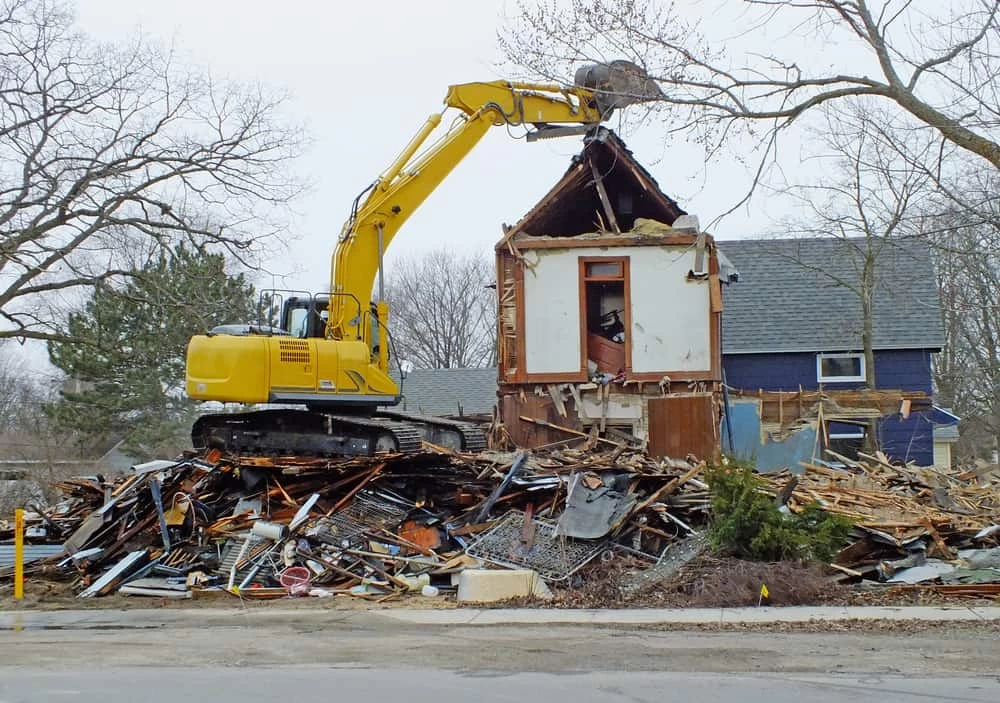
We cover the full range of demolition and environmental work that comes up in Nesconset interior demolition for gut renovations, full structural teardowns, accessory structure removal, and emergency demo triggered by water or fire damage. We handle asbestos abatement, lead paint removal, and mold remediation in-house, not subcontracted out. That’s what makes the integrated model work: one licensed team, one scope, one point of contact.
For homeowners along the Nesconset Highway corridor doing full kitchen or bathroom renovations in older colonials and capes, interior demolition with proper hazmat testing is the standard starting point not an add-on. For teardown-rebuild projects, the process includes full foundation removal and utility coordination as required by the Town of Smithtown. For accessory structures garages, old sheds, inground pools permits are still required under Smithtown’s building code, and we handle that paperwork as part of the job.
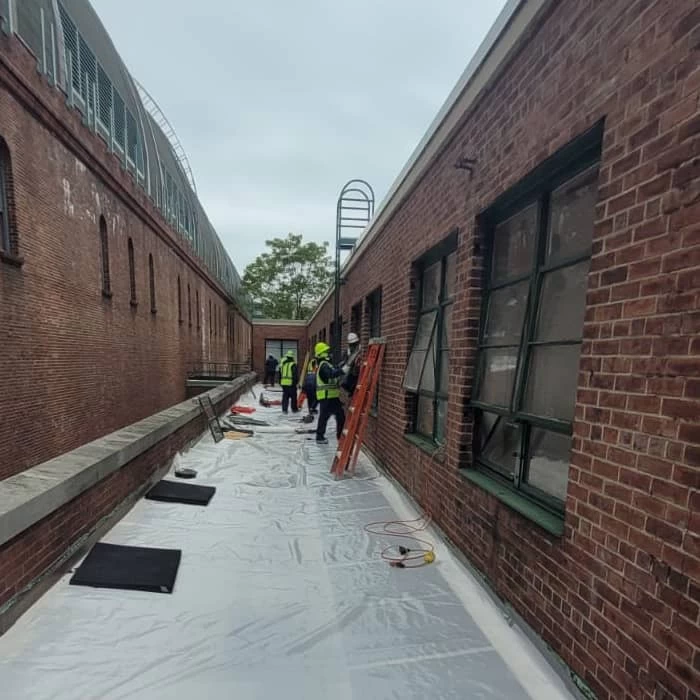
On the commercial side, the Route 347 and Route 25 corridors generate steady interior demolition demand from retail and office buildouts. Our MWBE certification also makes us eligible for public and municipal contracts in Suffolk County a distinction that reflects the level of regulatory compliance and organizational accountability we bring to every project, residential or commercial.
Does demolition work in Nesconset require a permit from the Town of Smithtown?
Yes all demolition work in Nesconset falls under the jurisdiction of the Town of Smithtown Building Department, and permits are required for every structure, including accessory structures like garages, sheds, and decks. There’s a specific demolition permit application for accessory structures, separate from the application for full structural teardowns.
Beyond the permit itself, Smithtown has specific completion requirements that go beyond what many contractors account for upfront. Foundation walls and footings must be fully removed. Underground sanitary systems and dry wells must be completely cleared. A debris affidavit confirming that all material was delivered to an approved landfill must be submitted before the Building Department will issue a certificate of completion. If any of those steps are skipped or done incorrectly, your project can stall at the finish line. Working with a contractor who knows this process from the start keeps it from becoming a problem at the end.
How do I know if my Nesconset home has asbestos before starting demolition?
The honest answer is: if your home was built between 1965 and 1978, you should assume it does until testing says otherwise. Homes built in Nesconset during that window are documented to contain chrysotile asbestos in drywall joint compound at concentrations between 2 and 6 percent by weight in every taped joint. That’s not a general Long Island estimate. It’s a finding specific to Smithtown-area construction from that era.
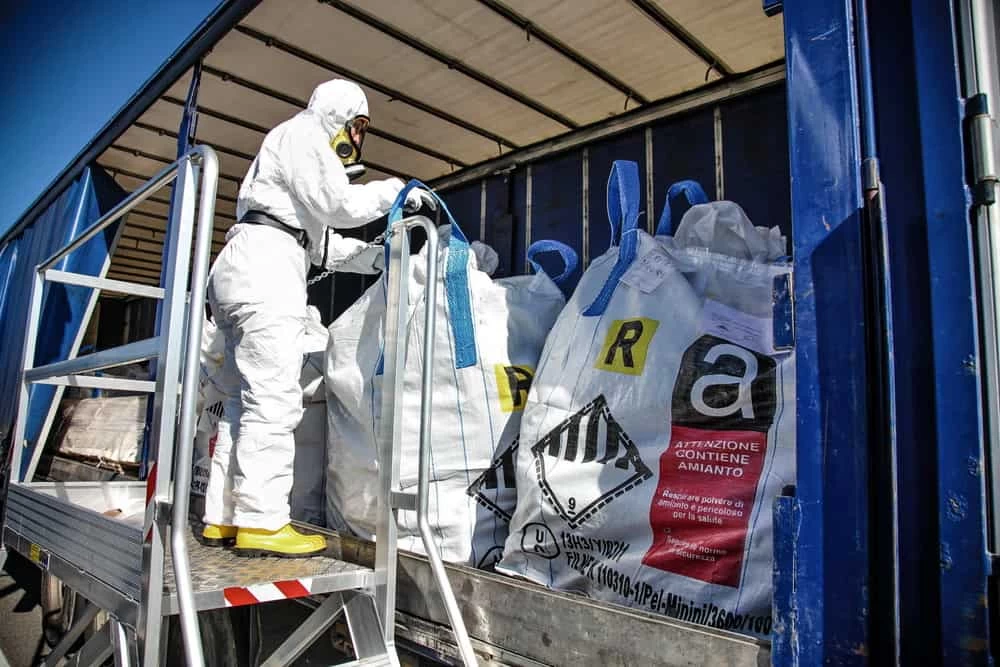
Under New York State’s Code Rule 56, bulk sampling is required before any drywall removal can legally begin. We collect samples from the materials in scope, send them to an accredited lab, and review the results before demolition proceeds. If asbestos is present, abatement has to happen first and it has to be performed by a contractor holding an active NYS Department of Labor asbestos certification. We hold that certification and handle abatement in-house, so the testing, abatement, and demolition all happen under one project scope without stopping the job mid-stream.
What happens if asbestos is discovered after demolition has already started?
If asbestos-containing material is disturbed without prior testing and abatement, work has to stop immediately under NYS regulations. The site may need to be contained and assessed before anything can continue and depending on the extent of the disturbance, that process can add significant time and cost to the project.
This is one of the most common ways demolition projects go sideways in Nesconset’s older housing stock. A contractor who doesn’t hold asbestos certification either doesn’t test at all or walks away when something turns up, leaving you to find a separate abatement company and restart the job. The smarter move is to build the testing into the scope from day one. When the contractor handling your demolition also holds the NYS DOL asbestos certification and does abatement in-house, a positive test result is a workflow step not a crisis. The project keeps moving because the team was already prepared for it.
How much does residential demolition typically cost in Nesconset, NY?
Demolition costs in Nesconset vary depending on the size and type of structure, the scope of hazmat work involved, permit fees, and debris removal. For a full residential teardown of a typical single-family home, costs generally range from $15,000 to $40,000 or more depending on those variables. Interior-only demolition for a gut renovation runs considerably less but still depends on square footage and what the walls are hiding.
What affects the final number most in Nesconset specifically is the asbestos question. If bulk sampling comes back positive which is a real probability in homes from the 1965–1978 construction window abatement adds to the scope. Getting a quote that doesn’t account for that possibility is how homeowners end up with unexpected costs mid-project. A contractor who’s upfront about the testing requirement and builds the abatement contingency into the initial scope is giving you a more accurate picture of what the job actually costs.
Can we handle emergency demolition in Nesconset after water or fire damage?
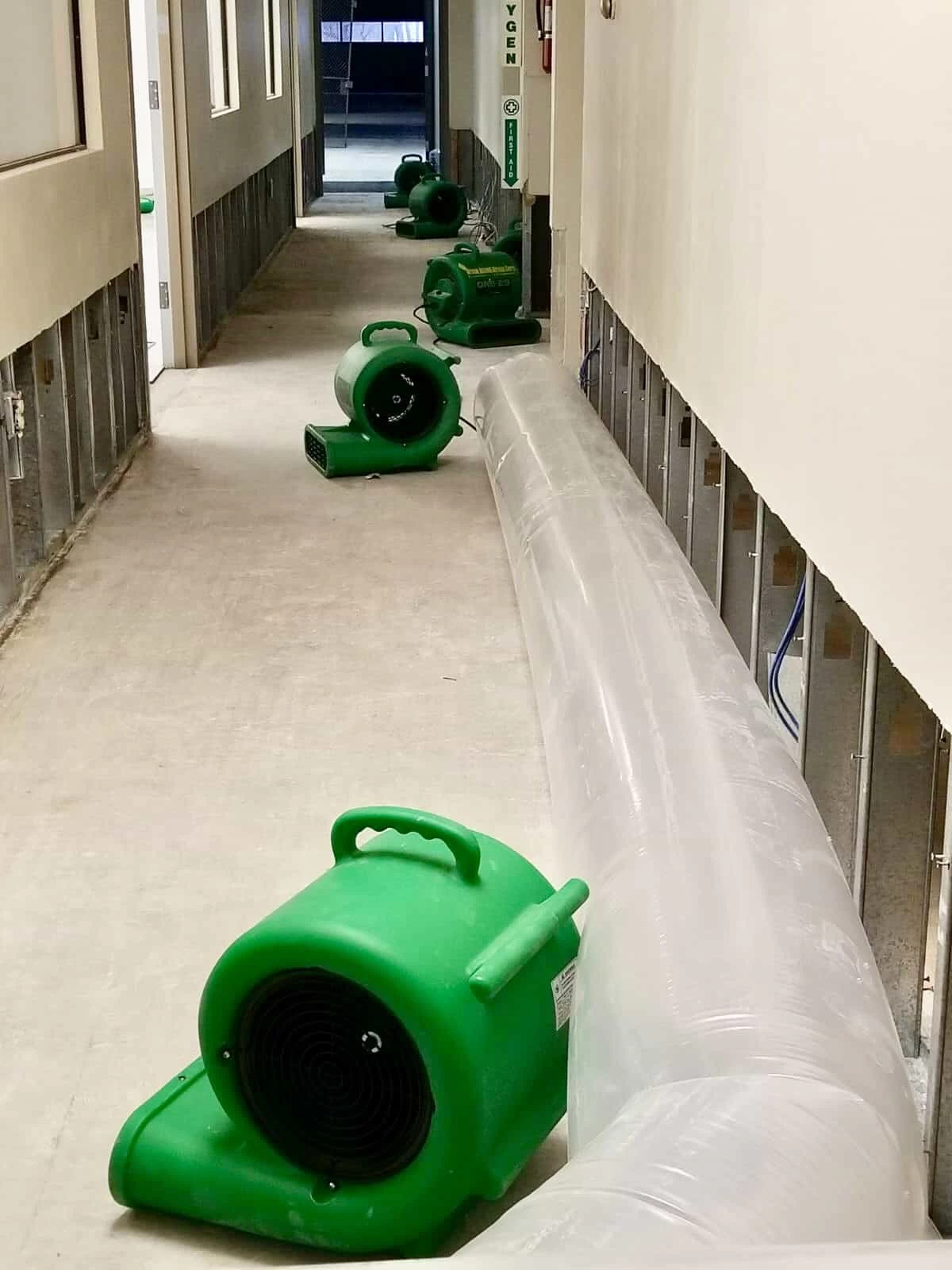
Yes we operate 24 hours a day, seven days a week, and respond to emergency calls. In Nesconset, the most common emergency demolition triggers are burst pipes during winter freeze events and basement flooding from heavy rainfall. Neither of those waits for business hours, and neither does the damage they cause. Wet materials left in place drywall, insulation, framing create mold conditions quickly, which adds remediation scope to what might have started as a straightforward water damage situation.
When we respond to an emergency, we assess the damage, contain what needs to be contained, and begin the demo work needed to stop further deterioration. We also work directly with insurance companies documenting the damage, communicating with adjusters, and helping make sure the scope of work is properly covered under your claim. For homeowners in Nesconset carrying policies on homes valued at $700,000 or more, having a contractor who knows how to navigate that process is a meaningful part of what you’re getting.
Does Green Island Group handle pool removal and accessory structure demolition in Nesconset?
Yes we handle accessory structure removal, including inground pool removal, detached garages, old sheds, and similar structures, in Nesconset. What a lot of homeowners don’t realize is that these jobs require the same permit process through the Town of Smithtown Building Department as a full structural teardown. There’s a specific demolition permit application for accessory structures, and the debris affidavit requirement applies here too.
Pool removal in particular involves more than just breaking up the shell. Depending on the method full removal versus partial removal with fill there are structural and drainage considerations that affect the long-term stability of the surrounding yard. We walk through the right approach based on your property’s specific conditions, handle the permit application, and manage debris disposal in accordance with Smithtown’s requirements. If the structure being removed is old enough to have asbestos-containing materials in any attached components, that gets assessed as part of the initial scope not discovered as a surprise once work has started.