When Your 1960s Hi-Ranch Is Ready for a Real Overhaul
Most demolition jobs in North Great River turn up asbestos before they’re done. We handle the abatement and the demolition no stoppage, no scrambling for a second contractor.
I needed a professional consultation explanation of procedure for safe removal of Asbestos in my apartment complex. Without having an account yet, I was very impressed with the caring, knowledgeable and generous advice offered by Jessica, and will look forward to doing business in the future. Thank you so much! I feel much more informed about a sometimes scary endeavor. Peace. Nancy Silva Mineola, NY.
Mia Munoz
Used this company to clean up some water flood in my house. They were fast and easy to work with.very professional, Would recommend to anyone!
Nini Valle
Great company, had a flood and they responded quickly and efficiently. Billed my insurance company directly. I highly recommend this company!
joe colapietro, jr
I had pipe freeze in my basement right before a snow storm and they made to within an hour to help start the clean up process. They we by our side throughout the entire process and even helped with the insurance company. They did such a great job with the cleanup, repair, remidiation, I contracted them to perform the repairs and finishes in the basement. They came with enough manpower and material to get the job done. Leo and Jessica were nothing but a pleasure to deal with!!
Cristian Arredondo c
I had some water damage in my home and Green Island was able to take care of my issue quickly and effectively. I am very pleased with the work they did. They responded quickly and were very professional.
Michael M
Outstanding service! From the office to the field crew everyone was friendly, helpful and responsive. I highly recommend Green Island Group.
Here’s what most homeowners in North Great River don’t find out until it’s too late: their demolition contractor hits asbestos in the floor tiles or pipe insulation, work stops, and now they’re waiting two weeks for a separate abatement company to show up. That’s not a worst-case scenario here it’s routine. The housing stock in North Great River is overwhelmingly from the 1950s and 1960s, which means regulated materials are the rule, not the exception.
When you work with a contractor who handles both under one roof, that scenario doesn’t happen. We assess the property upfront, build abatement into the scope, and move the demolition forward on schedule. No gap between crews, no finger-pointing when something unexpected shows up in a wall cavity.
There’s also the permit side of things. The Town of Islip Building Division requires an asbestos survey or a no-asbestos certification before a demolition permit is issued and that’s just the starting point. If your project disturbs an acre or more near the Connetquot River watershed, you may also need a Storm Water Pollution Prevention Plan. Getting that wrong doesn’t just slow you down; it can stop the project entirely. Having a contractor who already knows what the Town of Islip requires and handles it is the difference between a project that runs and one that stalls at the permit desk.
Licensed Demolition Contractors Serving North Great River
Local, Certified, and Built for Long Island's Older Homes
We’re based in Bohemia, NY a few miles from North Great River, within the Town of Islip. That’s not a coincidence. This is the market we work in regularly, and the Town of Islip’s permit requirements, inspection timelines, and local conditions are not new territory for us.
We’ve completed more than 5,000 projects across Long Island and New York City over 12-plus years. We hold active NYS Department of Labor asbestos contractor certifications, carry $2 million in general liability insurance, and are registered with the NYC Department of Buildings. We also hold MWBE certification from New York State a credential that requires real documentation and ongoing compliance, not just a checkbox.
When a homeowner near Connetquot Avenue calls us after a basement flood or a storm event, we’re not figuring things out as we go. We’ve been here. We know what these homes hold, what the town requires, and how to move a project forward without creating new problems.
Demolition Process for North Great River Homeowners
No Guesswork Here's What the Process Actually Looks Like
It starts with an assessment. Before anything gets touched, we evaluate the scope of the project and determine whether hazardous materials are present. For homes in North Great River built before 1980 which is most of them this step isn’t optional. The Town of Islip requires either an asbestos survey or a written certification of no asbestos before issuing a demolition permit. We handle that documentation as part of the process, not as an afterthought.
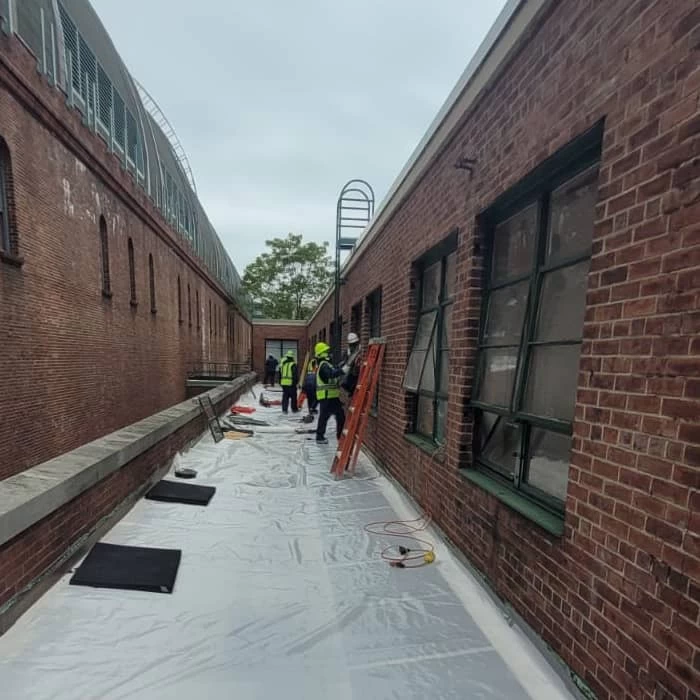
Once the assessment is complete and the permit is in motion, abatement happens first if regulated materials are found. That means asbestos, lead paint, or mold is addressed before demolition begins under the same contract, with the same crew. There’s no handoff to a third party, no scheduling gap, and no added coordination on your end.
Then comes the actual demolition work whether that’s a full structure, selective interior demo, or a specific system like a kitchen or bathroom gut. Debris is cleared, salvageable materials are recycled where possible, and the site is left ready for whatever comes next. If you’re working through an insurance claim after storm damage or water intrusion, we document the work and communicate directly with your adjuster. South Shore homes take hits from nor’easters and coastal flooding events, and we’ve helped plenty of homeowners on this side of the island get through the claim process without having to manage it alone.
Demolition work in North Great River isn’t one-size-fits-all. Some projects are full structural teardowns. Others are selective interior demolitions a kitchen gut, a bathroom strip-out, a basement conversion that requires removing walls, flooring, and old mechanicals. We handle both, along with deck removal, pool demolition, and emergency response work following water or fire damage.
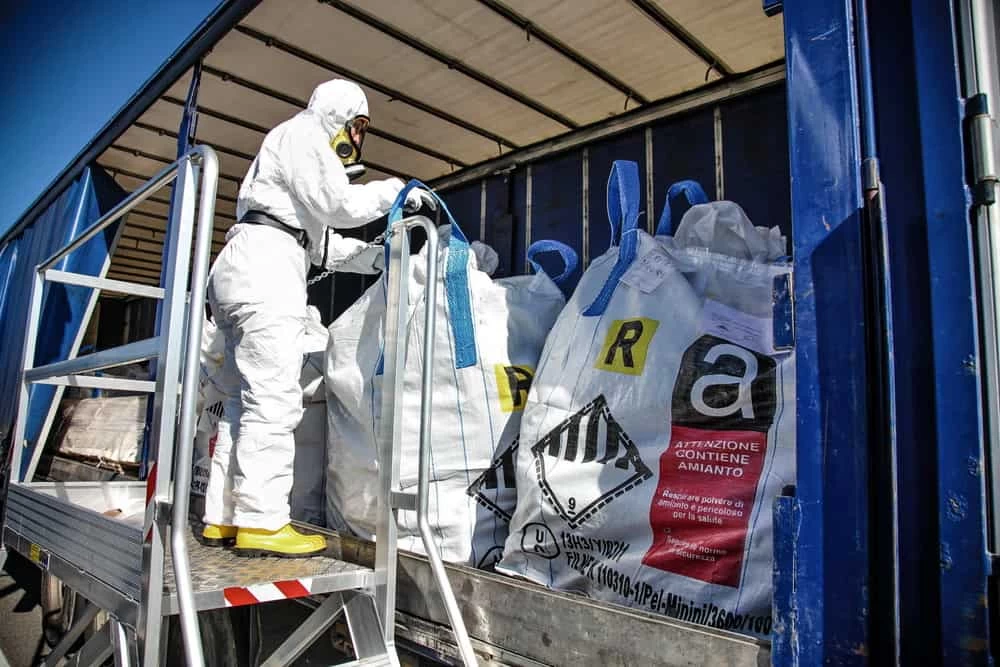
What sets this apart from hiring a general demo crew is our integrated hazmat capability. We perform asbestos abatement, mold remediation, and lead paint removal in-house not subcontracted. For a 1960s Hi-Ranch in North Great River, that’s not a specialty add-on. It’s almost always part of the job. Nine-by-nine vinyl floor tiles, popcorn ceilings, pipe wrap, and joint compound from that era test positive for asbestos regularly. We test, abate, and demolish under a single contract so you’re not managing two separate scopes.
We’re also available 24 hours a day, seven days a week for emergency response. If a nor’easter pushes water into your first floor or a pipe failure turns your basement into a teardown situation, you don’t have to wait until Monday morning. We respond, we document, and we get the work started. Every project emergency or planned is fully permitted through the Town of Islip Building Division, fully insured, and handled by a crew that carries the certifications required by New York State.
Does the Town of Islip require a permit for demolition work in North Great River?
Yes, and the requirements are more specific than most people expect. The Town of Islip Building Division requires a formal demolition permit for virtually any structural removal work, and the application process includes several steps beyond just filing paperwork. You’ll need either an asbestos survey showing what materials are present or a written certification that no asbestos exists in the structure. If any air conditioning or refrigerant-based systems are part of the demolition, a Refrigerant Evacuation and Capture Certification from a Town of Islip-licensed HVAC contractor is also required. And if your project disturbs one acre or more of land that drains toward a state waterway relevant given North Great River’s proximity to the Connetquot River watershed a Storm Water Pollution Prevention Plan may be required as well.
Getting the permit right matters beyond just legal compliance. Unpermitted demolition work can affect your homeowner’s insurance coverage, create problems during a future title search, and flag issues when you eventually sell. With median home values in North Great River sitting around $700,000, that’s not a risk worth taking. We manage the entire permit process from start to finish.
How do I know if my North Great River home has asbestos before starting demolition?
The honest answer is: you don’t know until it’s tested, and in North Great River, the odds are significant. The hamlet’s housing stock is predominantly from the 1950s and 1960s the peak era for asbestos use in residential construction. Materials like nine-by-nine vinyl floor tiles, pipe and boiler insulation, popcorn ceiling texture, roofing felt, and certain joint compounds from that period frequently contain asbestos-containing materials. If your home was built before 1980, it should be tested before any demolition work begins not just because the Town of Islip requires it for the permit, but because disturbing ACMs without proper containment is a serious health and legal risk.
The testing process involves a licensed inspector collecting samples from suspected materials and sending them to an accredited lab. Results typically come back within a few days. If asbestos is confirmed, abatement has to happen before demolition proceeds and that abatement must be performed by a NYS Department of Labor-certified contractor. We’re certified, so we handle the testing, the abatement, and the demolition without any gap in the project timeline.
What is the difference between full demolition and selective interior demolition?
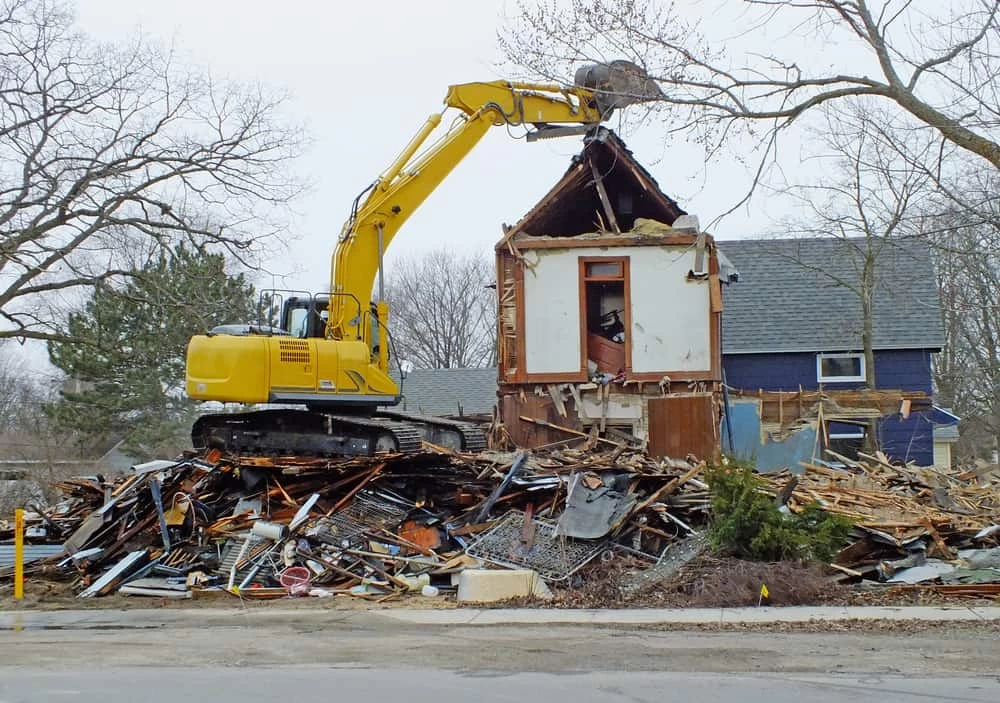
Full demolition means the entire structure comes down foundation to roof. That’s typically what happens when a home is beyond repair, when a property is being cleared for new construction, or when storm or fire damage has compromised the structural integrity of the building. Selective interior demolition is more targeted: you’re removing specific elements inside an existing structure while leaving the shell intact. That could mean gutting a kitchen, stripping a bathroom down to the studs, removing a load-bearing wall to open a floor plan, or clearing out a basement for a conversion.
For most North Great River homeowners, selective interior demolition is the more common scenario. You’re renovating a 1960s Hi-Ranch updating the kitchen, finishing the basement, adding a bathroom and you need the old materials out cleanly before new construction begins. The key difference in how we approach it is that interior demo in pre-1980 homes requires a hazmat assessment first, regardless of scope. Even a bathroom tile removal can uncover regulated materials. We scope it correctly from the start so the project doesn’t hit a wall halfway through.
Can we handle emergency demolition after storm or water damage in North Great River?
Yes, and this is a real need on the South Shore. North Great River sits within the broader Great South Bay watershed, and nor’easters, heavy rain events, and coastal flooding regularly push water into basements, crawl spaces, and first floors across this part of Suffolk County. When that happens, the window for action is short standing water and saturated materials create mold conditions within 24 to 48 hours, and the longer structural materials stay wet, the more extensive the demolition scope becomes.
We’re available 24 hours a day, seven days a week for exactly this kind of situation. When you call, we respond not the next business day. We assess the damage, document everything for your insurance claim, and begin the demolition and remediation work as quickly as the situation requires. We communicate directly with your insurance adjuster, which takes a significant piece of the burden off your plate when you’re already dealing with a damaged home. Every emergency project is still fully permitted and compliant speed doesn’t mean cutting corners on documentation.
How much does residential demolition typically cost in Suffolk County?
It varies more than most people expect, and the honest reason for that is scope. A selective interior demo gutting a single bathroom or kitchen in a North Great River Hi-Ranch might run a few thousand dollars. A full structural teardown of a single-family home in Suffolk County can range from $15,000 to $40,000 or more depending on size, access, debris volume, and what hazardous materials are found during the assessment. Asbestos abatement adds to that cost, but it’s a required step, not an optional one and the cost of skipping it is far higher than the abatement itself.
What you should watch out for is a quote that doesn’t account for the permit process or potential hazmat findings. A low number that doesn’t include asbestos testing, abatement, or Town of Islip permit fees isn’t a deal it’s an incomplete scope. When we quote a project, we scope it fully, including the permit requirements and a realistic assessment of what the home is likely to contain based on its age and construction type. That way, the number you see at the start is close to the number you see at the end.
Do we handle both the demolition and the asbestos removal, or do I need separate contractors?
You only need us. That’s the short answer, and it matters more than it might seem. Most demolition contractors in the North Great River area are not certified for asbestos abatement. When they find regulated materials mid-project and in a 1960s home, they usually do work stops while they wait for a certified abatement company to come in and clear the site. That handoff creates scheduling delays, cost overruns, and a gap in accountability when something goes wrong between the two scopes.
We hold active NYS Department of Labor asbestos contractor certification, which means we can test, abate, and demolish under a single contract. We also handle mold remediation and lead paint removal in-house. For a homeowner in North Great River renovating a mid-century home, that integration isn’t a luxury it’s what keeps your project moving. One point of contact, one contract, and a crew that already knows what to expect when they open up a wall or pull up a floor in a home built in 1962.