When the Walls Come Down in Northampton, You Need One Crew for All of It
Northampton homeowners don’t need a contractor who handles half the job. We manage demolition, asbestos abatement, permits, and debris removal under one roof so your project doesn’t stall when complications surface.
I needed a professional consultation explanation of procedure for safe removal of Asbestos in my apartment complex. Without having an account yet, I was very impressed with the caring, knowledgeable and generous advice offered by Jessica, and will look forward to doing business in the future. Thank you so much! I feel much more informed about a sometimes scary endeavor. Peace. Nancy Silva Mineola, NY.
Mia Munoz
Used this company to clean up some water flood in my house. They were fast and easy to work with.very professional, Would recommend to anyone!
Nini Valle
Great company, had a flood and they responded quickly and efficiently. Billed my insurance company directly. I highly recommend this company!
joe colapietro, jr
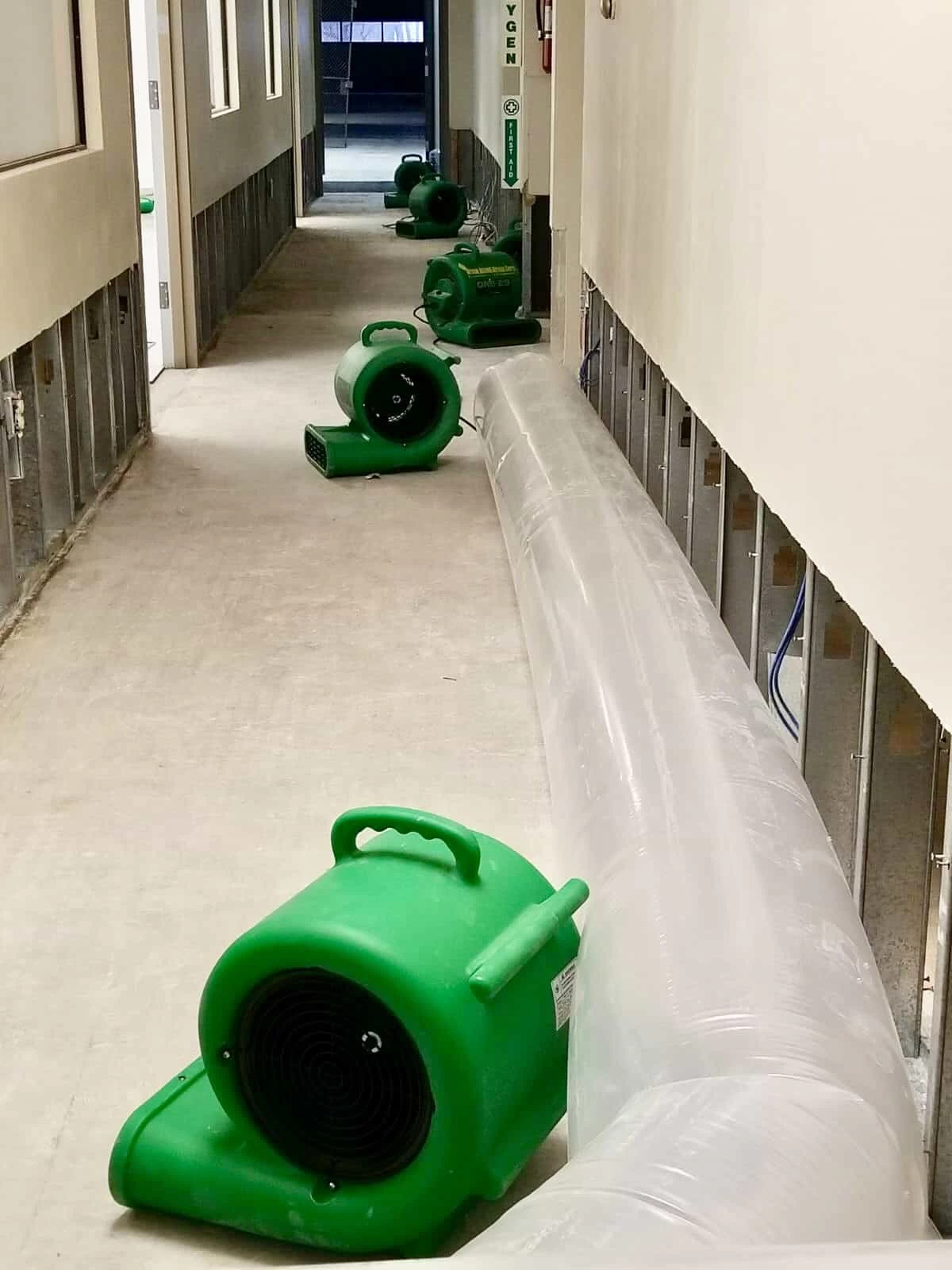
I had pipe freeze in my basement right before a snow storm and they made to within an hour to help start the clean up process. They we by our side throughout the entire process and even helped with the insurance company. They did such a great job with the cleanup, repair, remidiation, I contracted them to perform the repairs and finishes in the basement. They came with enough manpower and material to get the job done. Leo and Jessica were nothing but a pleasure to deal with!!
Cristian Arredondo c
I had some water damage in my home and Green Island was able to take care of my issue quickly and effectively. I am very pleased with the work they did. They responded quickly and were very professional.
Michael M
Outstanding service! From the office to the field crew everyone was friendly, helpful and responsive. I highly recommend Green Island Group.
What Changes When One Contractor Handles Everything in Northampton
Most demolition problems in Northampton don’t start with the teardown. They start with the surprises asbestos in the floor tiles of a 1960s home, a permit process that requires stops at the Town of Southampton’s Building and Zoning Division, or a debris removal step that most homeowners didn’t know required its own separate permit from the Highway Department. When you’re dealing with all of that while also managing an insurance claim or a contractor who just went quiet, the project stops feeling manageable fast.
What actually changes when you work with a licensed demolition contractor who handles abatement in-house is simple: the project keeps moving. No waiting on a second crew to clear the asbestos before the demo can resume. No scrambling to find a separate remediation company after the fact. The work flows from one phase to the next because the same team is handling all of it.
Northampton’s housing stock much of it built during the 1950s through 1970s almost guarantees that hazardous materials are present in older structures. That’s not a worst-case scenario here, it’s the baseline. Knowing that going in, and having a contractor who is already licensed and equipped to handle it, is the difference between a project that finishes on time and one that doesn’t finish at all.
Licensed Demolition Contractors Serving Northampton, NY
5,000 Projects In. Nothing About Northampton's Demolition Challenges Surprises Us Anymore.
Green Island Group is a full-service demolition and environmental contractor based in Bohemia, NY roughly 20 miles from Northampton via the LIE and Route 24. Over 12 years and more than 5,000 completed projects across Long Island and New York City, our work has covered everything from selective interior demolition to full structural teardowns with asbestos abatement, mold remediation, and insurance coordination built in.
The Town of Southampton’s permit process for demolition is not simple. It involves a building permit application, a separate Debris Permit from the Highway Department, utility disconnection coordination, and specific state-mandated insurance forms that the Town explicitly requires ACORD forms are not accepted. We’ve navigated this process repeatedly and manage it on your behalf, so you’re not spending weeks chasing paperwork while your project sits idle.
We’re a certified Minority and Woman-Owned Business Enterprise (MWBE), fully insured, and licensed with the Town of Southampton. For Northampton residents, that’s not a credential to gloss over it’s a permit requirement.
No Guesswork. Here's Exactly What Happens From First Call to Final Debris Run in Northampton.
It starts with a site assessment. Before anything gets scheduled, we walk the property and evaluate what’s there structural conditions, material hazards, utility connections, and anything that affects how the job needs to be sequenced. For homes in Northampton built before 1980, that assessment includes identifying asbestos-containing materials. It’s not an optional step. NYS Department of Labor regulations require it, and skipping it creates legal and financial exposure for the property owner, not just the contractor.
From there, we handle the permitting. That means filing the building permit application with the Town of Southampton’s Building and Zoning Division, securing the Debris Permit from the Highway Department, and coordinating utility disconnection with PSEG and National Grid at their Riverhead office. If your structure was built before 1941, we flag that early because the Town requires a referral to the Historical Landmark Committee, and that review can take up to 45 days. Finding that out mid-project is how timelines fall apart.
Once permits are in place, the physical work begins. If asbestos abatement is required, it happens first our licensed abatement team handles it in-house, so there’s no handoff delay. Demolition follows, and debris is removed and disposed of in compliance with NYS DEC regulations. That last part matters more in Northampton than in most places, because a significant portion of this area falls within the Long Island Central Pine Barrens and improper disposal near that ecosystem carries real regulatory consequences.
Demolition Specialists for Northampton, NY Properties
From Selective Interior Work to Full Teardowns Here's What We Cover in Northampton
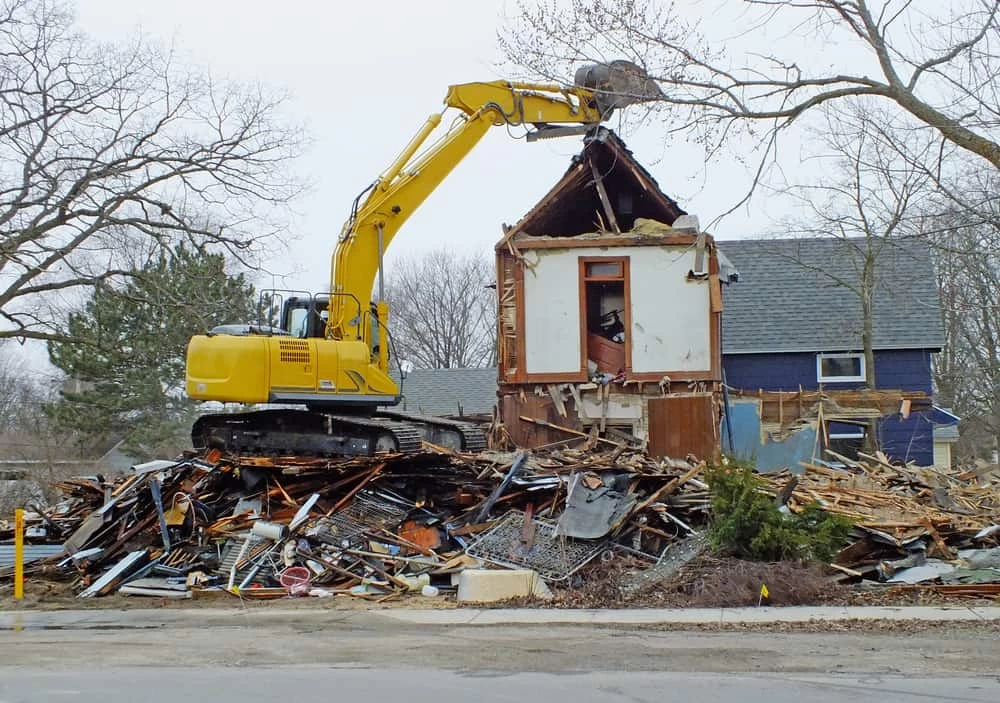
We handle the full range of residential and commercial demolition work in Northampton and the surrounding Flanders and Riverside areas. That includes selective interior demolition removing specific walls, flooring, ceilings, or fixtures while keeping the surrounding structure intact as well as whole-house teardowns where the entire structure is removed and the site is cleared. Commercial demolition along the Route 24 corridor falls within our service scope as well.
What sets our work apart here is the integration. Asbestos abatement, lead paint removal, and mold remediation are handled by the same company, under the same license, on the same schedule. For Northampton’s mid-century housing stock, where these materials are embedded in the structure rather than being edge-case discoveries, that integration isn’t a nice-to-have it’s what keeps your project from becoming two projects.
We also work directly with insurance carriers. If your demolition is connected to storm damage, water intrusion, or fire all real and recurring risks in a community that borders the Peconic River and sits adjacent to the Pine Barrens fire zone we handle the documentation and coordination that insurance claims require. You deal with one point of contact. We handle the rest.
Do I need a permit to demolish a structure in Northampton, NY?
Yes and in the Town of Southampton, it’s not a single permit. A full demolition requires a building permit from the Town’s Building and Zoning Division, a separate Debris Permit from the Highway Department located at 20 Jackson Avenue in Hampton Bays, and documented utility disconnection from PSEG and National Grid. Your contractor also needs to be specifically licensed with the Town of Southampton not just licensed in New York State generally. That’s a requirement spelled out in the Town’s own Whole House Demolition checklist, and it’s one of the most common reasons permit applications get rejected when homeowners hire a contractor who works across Long Island but hasn’t gone through Southampton’s licensing process.
If your structure was built before 1941, there’s an additional step: the Town requires a referral to the Historical Landmark Committee before the demolition permit can be issued, and that review period can run up to 45 days. While most of Northampton’s housing stock is mid-century, it’s worth confirming the build date before you assume that step doesn’t apply.
What happens if asbestos is found during a demolition project in Northampton?
If asbestos is discovered during a demolition project and your contractor isn’t licensed to handle abatement, the job stops. Legally, it has to. The contractor can’t continue demo work in an area where asbestos-containing materials have been identified until a licensed abatement contractor clears it. That means sourcing a separate company, coordinating a new schedule, and absorbing whatever delay comes with it days or weeks depending on availability.
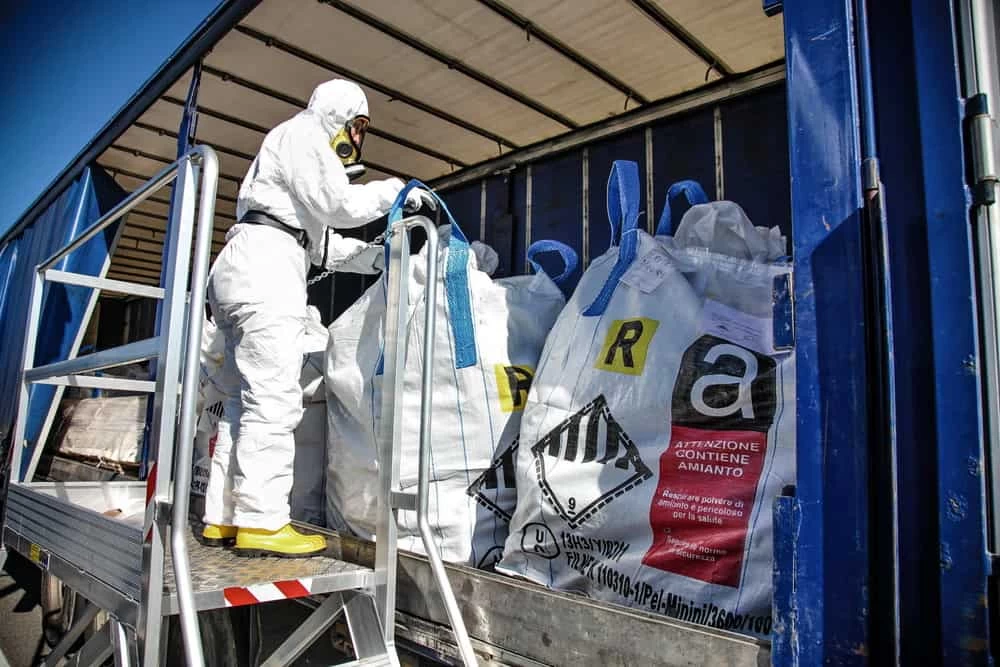
In Northampton, this isn’t a rare scenario. The housing stock here includes a significant number of homes built during the 1950s, 1960s, and 1970s where asbestos was standard in floor tiles, pipe insulation, roofing materials, and exterior siding. Pre-demolition asbestos assessment is required under NYS Department of Labor regulations for any structure built before 1980, which covers the majority of older homes in this area. We hold active NYS DOL asbestos certifications and handle abatement in-house, so when it’s found, the project doesn’t stop it just moves to the next phase.
How much does residential demolition typically cost in the Northampton area?
Residential demolition in the Suffolk County market generally runs between $5 and $15 per square foot for a full structural teardown, depending on the size of the structure, site accessibility, and what hazardous materials are present. Interior selective demolition removing specific walls, floors, or fixtures typically runs $2 to $7 per square foot. These ranges are real starting points, not minimums designed to get you in the door.
What affects the final number in Northampton specifically is the likelihood of hazardous materials. Asbestos abatement adds roughly $2 to $3 per square foot on top of the base demolition cost, and for mid-century homes in this area, that’s not a contingency it’s an expectation you should build into your budget from the start. Permit fees in the Town of Southampton are set at $200 per 100 square feet of demolition area, and the Debris Permit from the Highway Department is a separate cost. Getting a clear, itemized quote upfront one that includes permits, abatement, debris removal, and utility coordination is the only way to know what you’re actually committing to.
Are there special rules for demolition near the Pine Barrens in Northampton, NY?
Yes, and they’re worth understanding before you start. A significant portion of the Northampton area falls within the Long Island Central Pine Barrens Core Preservation Area. That designation affects how demolition debris can be handled and disposed of, how land disturbance is managed, and what environmental compliance looks like for contractors working in or adjacent to the protected zone.
The practical implication for property owners is that you need a contractor who understands Pine Barrens regulations not just general NYS DEC requirements, but the specific constraints that apply to this ecosystem. Improper debris disposal near the Pine Barrens can trigger regulatory action from both the NYS DEC and the Central Pine Barrens Commission. Our environmental remediation background means we approach disposal and site management with the compliance standards this area requires, not the minimum that would pass elsewhere on Long Island.
Can a demolition contractor in Northampton work directly with my insurance company?
Yes, and if your demolition is connected to property damage, having a contractor who handles that coordination directly makes a real difference. Insurance claims for storm damage, water intrusion, or fire damage involve documentation requirements, scope-of-loss assessments, and adjuster communication that most homeowners aren’t equipped to manage on top of dealing with a damaged property. When a contractor steps into that process alongside you, it removes one of the most stressful parts of an already difficult situation.
Northampton’s risk profile makes this relevant. The community borders the Peconic River to the north, which has historically experienced flooding during heavy rain events and nor’easters. The Pine Barrens adjacent areas carry documented wildfire risk. Mid-century homes in the area are vulnerable to the kind of water and structural damage that triggers insurance claims. We have a documented track record of working directly with insurance carriers and managing the claim process alongside the physical work, so you’re not navigating both at the same time alone.
How do I know if a demolition contractor is actually licensed to work in Northampton, NY?
The Town of Southampton requires that any contractor performing demolition work be licensed specifically with the Town not just holding a general New York State contractor’s license. This is a written requirement in the Town’s Whole House Demolition checklist, and it’s separate from NYS licensing, insurance requirements, and asbestos certifications. A contractor who is licensed and active across Suffolk County but hasn’t gone through Southampton Town’s licensing process cannot legally complete a full demolition permit application in Northampton.
The most direct way to verify this is to ask the contractor to confirm their Town of Southampton license before you sign anything. You can also contact the Town’s Building and Zoning Division directly to confirm active licensing status. Beyond that, ask whether they carry the specific Workers’ Compensation and Disability forms the Town requires not ACORD forms, which Southampton explicitly does not accept, but the state-mandated forms. A contractor who knows that detail without being prompted has done this work in Southampton before. One who doesn’t is learning on your project.