Every building in Pomonok was constructed before 1980 and that changes everything about how demolition has to be handled. We manage the asbestos surveys, the NYC permits, and the actual work, so nothing gets missed and nothing gets stopped.
I needed a professional consultation explanation of procedure for safe removal of Asbestos in my apartment complex. Without having an account yet, I was very impressed with the caring, knowledgeable and generous advice offered by Jessica, and will look forward to doing business in the future. Thank you so much! I feel much more informed about a sometimes scary endeavor. Peace. Nancy Silva Mineola, NY.
Mia Munoz
Used this company to clean up some water flood in my house. They were fast and easy to work with.very professional, Would recommend to anyone!
Nini Valle
Great company, had a flood and they responded quickly and efficiently. Billed my insurance company directly. I highly recommend this company!
joe colapietro, jr
I had pipe freeze in my basement right before a snow storm and they made to within an hour to help start the clean up process. They we by our side throughout the entire process and even helped with the insurance company. They did such a great job with the cleanup, repair, remidiation, I contracted them to perform the repairs and finishes in the basement. They came with enough manpower and material to get the job done. Leo and Jessica were nothing but a pleasure to deal with!!
Cristian Arredondo c
I had some water damage in my home and Green Island was able to take care of my issue quickly and effectively. I am very pleased with the work they did. They responded quickly and were very professional.
Michael M
Outstanding service! From the office to the field crew everyone was friendly, helpful and responsive. I highly recommend Green Island Group.
When you’re renovating a co-op unit in Electchester or clearing out a damaged apartment in a Pomonok building that’s been standing since 1952, the stakes are higher than most people realize. The NYC Department of Buildings requires an ACP-5 Asbestos Assessment Report before a single permit gets issued on any pre-1987 building. That’s every building in this neighborhood. If your contractor doesn’t handle that before they start swinging, your project stops and the violation follows the property, not the contractor.
What you actually want is to get through this cleanly. The walls come down, the debris goes out, the permit closes properly, and you move on to the next phase without a city inspector shutting things down mid-job. That’s what a licensed demolition contractor with environmental credentials makes possible and in Pomonok specifically, it’s not optional. It’s the only way to do this legally.
For co-op shareholders in Electchester, there’s another layer: your board requires specific insurance certificates, and the building has rules about working hours, elevator access, and debris removal. A contractor who already knows how to work within those protocols protects your renovation and your relationship with the board. One who doesn’t can get your project pulled before it really starts.
340 Projects Across Queens. Every Credential That Pomonok Demands.
We’ve been doing demolition and environmental work across New York City and Long Island for over 12 years. More than 340 completed projects. That’s not a number pulled from a brochure it’s the kind of experience that tells you we’ve already handled the unexpected: asbestos behind a wall that wasn’t on any drawing, a permit delay that needed a real workaround, a co-op board that needed specific documentation before work could even begin.
We hold NYC DOB licensing, NYC DEP certification, and comply with NYS DOL Industrial Code Rule 56 the three credentials that actually matter for demolition work in Queens County. For a neighborhood like Pomonok, where the median year of construction is 1955 and every major building falls within the mandatory asbestos assessment window, that combination isn’t a selling point. It’s a requirement.
We also bill insurance carriers directly. If you’re dealing with fire or water damage in an aging Pomonok building and you’re already managing a stressful situation, you shouldn’t have to become an expert in insurance claims on top of it.
What Actually Happens Before the First Wall Comes Down
The first step is an assessment not a sales call. Before any work begins, the site gets evaluated for hazardous materials. In Pomonok, that means testing for asbestos and lead paint in buildings that were constructed during the era when both were standard. This isn’t a formality. It determines how the entire job gets scoped, priced, and permitted. The ACP-5 report gets filed with the NYC Department of Buildings, and the permit gets pulled before any demolition starts. No shortcuts, because shortcuts in a pre-1980 building create real liability.
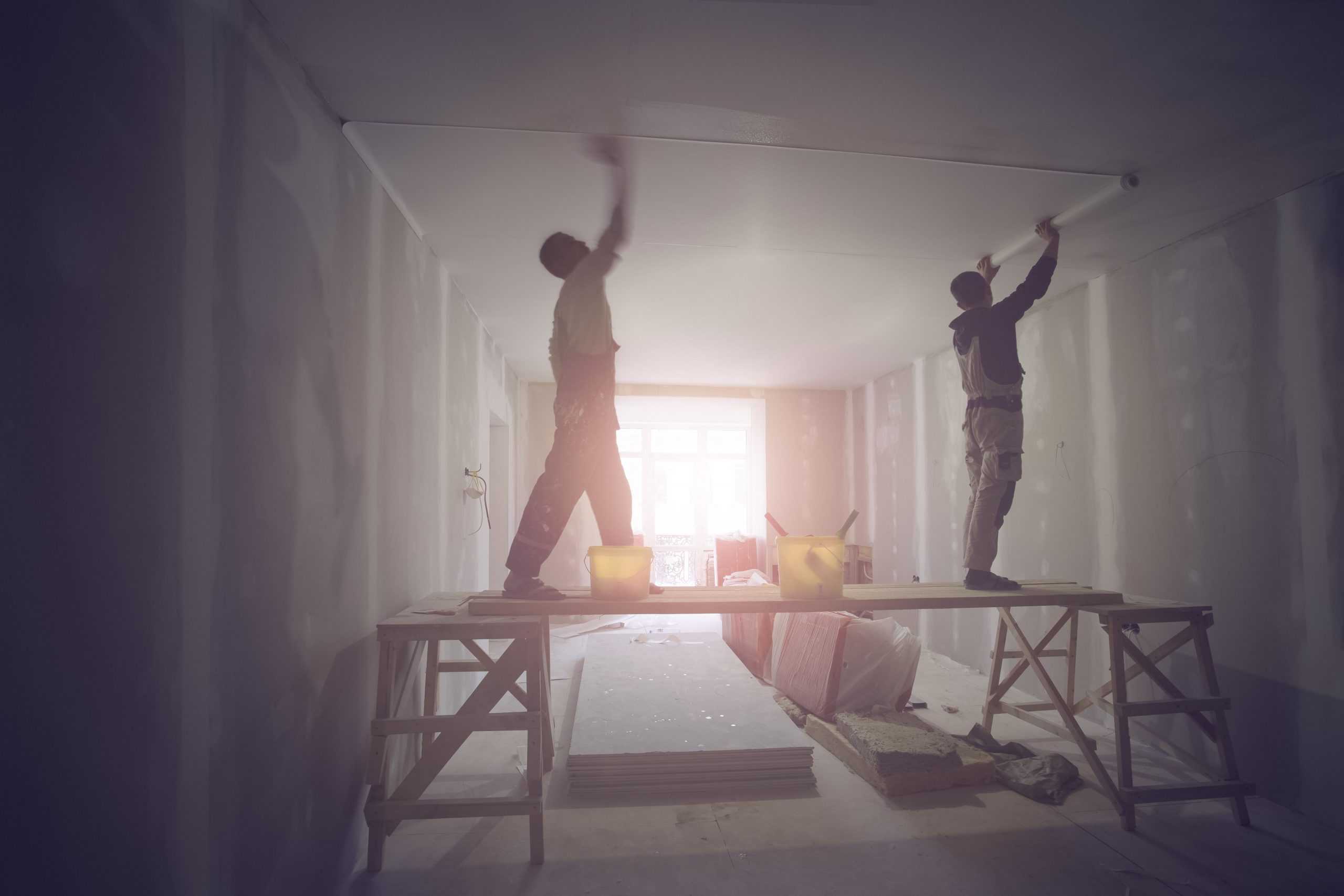
If hazardous materials are present, abatement happens first contained, licensed, and documented. Once the site is cleared, the actual demolition work begins. Whether that’s a full interior gut, selective demolition of specific walls or fixtures, or targeted strip-out ahead of a renovation, we work to the scope without disturbing adjacent units or creating problems for the building. In a dense residential environment like Pomonok, that kind of precision matters you’re not on a suburban lot with room to spare.
When the work is done, debris is sorted, removed, and disposed of through licensed channels. Hazardous waste goes where it legally has to go. The permit gets closed out properly, so you’re not left with an open violation on the property record. That’s the full process start to finish, handled by one contractor.
One Contractor. Demolition, Abatement, and Cleanup Covered.
We handle the full scope of demolition services interior gut demolition, selective demolition, structural demolition, and full building teardown alongside the environmental work that every pre-1980 building in Pomonok requires. Asbestos abatement, lead paint remediation, and mold remediation are all in-house. That means you’re not coordinating three separate contractors or waiting for one vendor to finish before the next one can start. It all moves together under one timeline.
For residential projects whether that’s a co-op renovation in Electchester, a damaged unit in a privately owned Pomonok building, or a gut renovation ahead of a resale the process is designed to satisfy both NYC DOB permit requirements and the specific documentation that co-op boards and building management require. Insurance certificates, compliance records, and permit filings are all handled. You bring the project; we bring the paperwork.
For institutional and commercial work including the kind of capital improvement and infrastructure projects that are actively underway in Pomonok right now, from the community center renovation to the new residential permit filings along Parsons Boulevard we’re equipped for larger-scale demolition and site preparation. Emergency response is available 24 hours a day, every day. When something fails in a building this old, the response time matters.
Do I need an asbestos test before demolition in my Pomonok apartment?
Yes and it’s not optional. Under NYC Local Law 76 and NYC Department of Buildings rules, any renovation or demolition in a building constructed before April 1, 1987, requires an Asbestos Assessment Report (ACP-5 form) to be filed before the DOB will issue a permit. Every major building in Pomonok the Pomonok Houses, Electchester, and most of the surrounding residential stock was built between 1949 and 1952. Every single one falls within that window.
The ACP-5 must be completed by a licensed NYC DEP Certified Asbestos Investigator. If asbestos-containing materials are found, they have to be properly abated by a licensed contractor before demolition can proceed. Skipping this step doesn’t just create a health risk it creates a permit violation that can shut down your project and attach to the property record. We handle the investigation and any required abatement in-house, so there’s no gap between the assessment and the actual work.
What permits does NYC require for interior demolition in a Queens co-op?
Interior demolition in a Queens co-op requires a permit from the NYC Department of Buildings before any structural work begins. That includes removing walls, gutting a kitchen or bathroom, or any work that affects the building’s systems. The permit application needs to be filed by a licensed contractor, and it can’t be issued until the ACP-5 asbestos assessment has been submitted and cleared.
Beyond the DOB permit, co-op boards in Pomonok buildings like Electchester have their own approval process. You’ll typically need to submit contractor insurance certificates, a scope of work, and sometimes a timeline for board review before work can start. Building management may also have rules about working hours, elevator use, and how debris gets removed from the building. A contractor who’s worked in Pomonok co-op buildings before knows what documentation to prepare and how to move through both the city and the building’s approval process without creating delays.
How does demolition work in a building with asbestos or lead paint?
In a pre-1980 building which covers everything built in Pomonok the demolition process starts with a hazardous materials assessment, not with the actual tear-out. We survey the affected areas for asbestos-containing materials (floor tiles, ceiling tiles, pipe insulation, joint compound are the most common in 1950s construction) and lead-based paint. The results determine how the job gets scoped and what abatement work has to happen first.
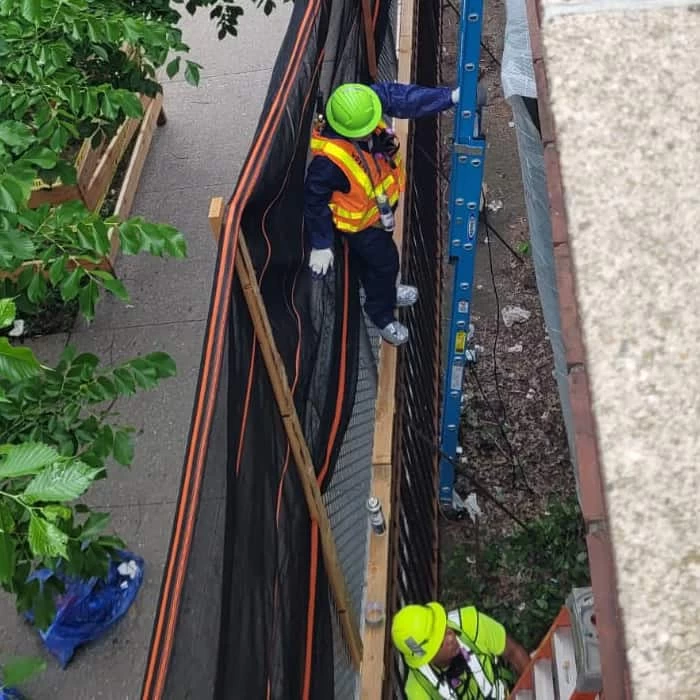
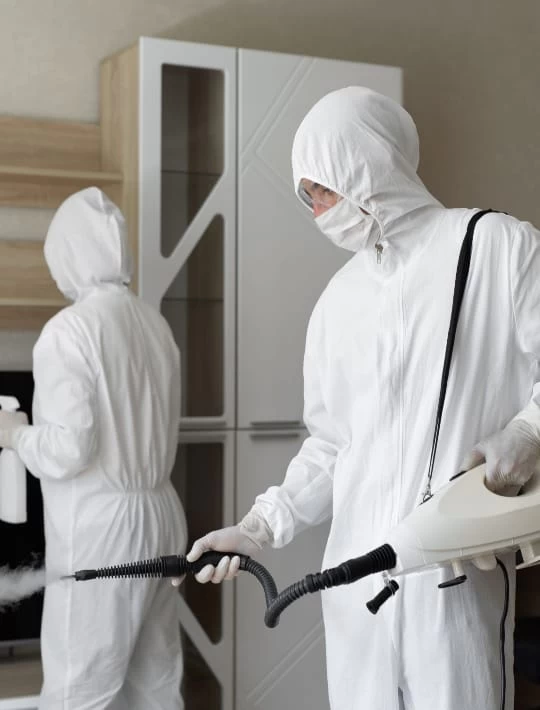
If asbestos is present, it gets abated by a licensed contractor under contained conditions before any demolition disturbs it. The work area is sealed, the materials are removed and packaged according to EPA NESHAP and NYS DOL Industrial Code Rule 56 requirements, and the site is cleared before demolition proceeds. This isn’t just about compliance disturbing asbestos without containment creates airborne fibers that are a serious health hazard for everyone in the building. In a dense residential building where neighbors share walls, hallways, and ventilation, proper containment isn’t optional.
Can a demolition contractor work directly with my insurance company in Pomonok?
We bill insurance carriers directly for disaster-related demolition and remediation work. That means if you’re dealing with fire damage, water damage, or storm-related structural damage in your Pomonok apartment or building, you don’t have to manage the insurance paperwork on top of everything else. We handle the scope documentation, the claim communication, and the coordination with your insurer.
This matters more than it might seem. Pomonok’s housing stock is over 70 years old, and aging infrastructure pipes, waterproofing, building envelopes fails. When it does, the damage compounds fast. Mold begins growing within 24 to 48 hours of water intrusion. The longer it takes to get a contractor mobilized and an insurance claim moving, the larger the remediation scope becomes. Having a contractor who can handle both the work and the insurance process directly removes one major obstacle from an already stressful situation.
What is selective demolition, and is it the right choice for my renovation?
Selective demolition means removing specific elements of a structure a wall, a ceiling, fixtures, flooring without tearing out everything around it. It’s the most common type of demolition work in residential renovation projects, and it’s what most Pomonok residents are actually dealing with: a kitchen gut before a remodel, a bathroom strip-out, removing a non-load-bearing wall to open up a living space, or clearing out a damaged section of an apartment after a water or fire event.
In a 1950s brick apartment building, selective demolition requires real precision. We need to know which walls are load-bearing and which aren’t, how to work without damaging adjacent units or shared systems, and how to handle the hazardous materials that are almost certainly present in a building of that age. It’s not the same as knocking down a wall in a new construction home. Done right, it gets your renovation started on schedule. Done carelessly, it creates structural problems, permit violations, or neighbor complaints that stall the whole project.
How long does interior demolition typically take in a Pomonok apartment?
The physical demolition of a standard apartment interior kitchen, bathroom, or a full gut typically takes one to three days of actual work, depending on the size of the unit and the scope of what’s being removed. But in Pomonok, the total timeline from project start to cleared site is longer than that, because of the steps that have to happen before and after the tear-out.
The asbestos assessment has to be completed and the ACP-5 filed before the DOB permit is issued. If abatement is required, that adds time before demolition can begin. Co-op board approval at Electchester or building management coordination at other Pomonok properties adds another layer. On the back end, debris removal, hazardous waste disposal, and permit closeout all need to happen before the site is ready for the next contractor. A realistic total timeline for a permitted, compliant interior demolition in a Pomonok co-op or apartment building is typically two to four weeks from initial assessment to cleared, permit-closed site though straightforward projects with no abatement required can move faster.