When Quiogue's Waterfront Properties Need to Come Down Right
Older structure, premium lot, Quantuck Bay out back a demolition project here has more moving parts than most. We handle all of it, from permits to hazmat to site prep, so your project doesn’t stall before it starts.
I needed a professional consultation explanation of procedure for safe removal of Asbestos in my apartment complex. Without having an account yet, I was very impressed with the caring, knowledgeable and generous advice offered by Jessica, and will look forward to doing business in the future. Thank you so much! I feel much more informed about a sometimes scary endeavor. Peace. Nancy Silva Mineola, NY.
Mia Munoz
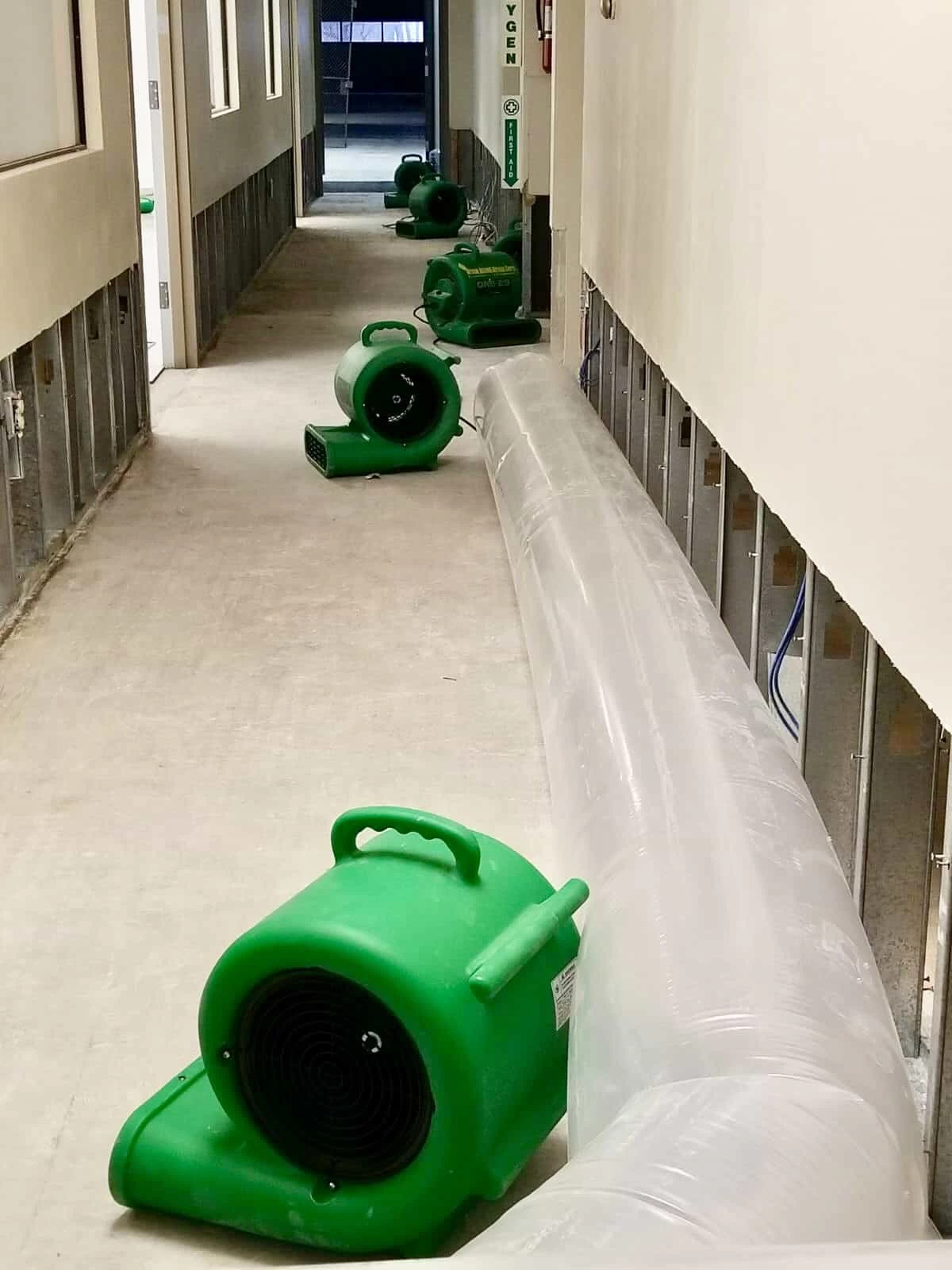
Used this company to clean up some water flood in my house. They were fast and easy to work with.very professional, Would recommend to anyone!
Nini Valle
Great company, had a flood and they responded quickly and efficiently. Billed my insurance company directly. I highly recommend this company!
joe colapietro, jr
I had pipe freeze in my basement right before a snow storm and they made to within an hour to help start the clean up process. They we by our side throughout the entire process and even helped with the insurance company. They did such a great job with the cleanup, repair, remidiation, I contracted them to perform the repairs and finishes in the basement. They came with enough manpower and material to get the job done. Leo and Jessica were nothing but a pleasure to deal with!!
Cristian Arredondo c
I had some water damage in my home and Green Island was able to take care of my issue quickly and effectively. I am very pleased with the work they did. They responded quickly and were very professional.
Michael M
Outstanding service! From the office to the field crew everyone was friendly, helpful and responsive. I highly recommend Green Island Group.
Most demolition headaches in Quiogue don’t come from the physical work they come from what nobody told the property owner upfront. A missed wetlands permit from the Town of Southampton’s Environment Division. An asbestos discovery that stops the job cold because the contractor isn’t licensed to handle it. A Landmarks review requirement nobody flagged for the pre-1941 cottage on the lot. These aren’t rare edge cases here they’re the norm.
When you have a contractor who identifies all of that before the first piece of equipment shows up, the project actually moves. You’re not getting a call two weeks in explaining why everything is on hold. You know what the full scope looks like, what permits are in play, and what the timeline is before you’ve committed to anything.
For Quiogue property owners managing projects from the city, that clarity matters even more. You’re not on-site every day. You need a contractor who communicates without being chased, handles the regulatory side without hand-holding, and doesn’t create problems you then have to solve. That’s the difference between a demolition project that finishes on schedule and one that bleeds into your summer season.
We’re headquartered in Bohemia, in the heart of Suffolk County not a Nassau County outfit reaching east, and not a statewide template operation with a local phone number. We’ve been operating across Long Island for over 12 years, with more than 5,000 completed projects and a 4.7-star verified rating built on actual customer experiences, not curated testimonials.
What makes us relevant specifically to Quiogue is the combination of services we bring under one roof. Demolition, asbestos abatement, lead paint removal, mold remediation, hazardous material handling all licensed, all in-house. In a hamlet where the housing stock runs from 1920s cottages on Aspatuck Creek to mid-century builds near Quantuck Bay, that integrated capability isn’t a bonus it’s what keeps your project from getting stuck.
We’re also MWBE-certified, carry $2 million in general liability coverage, and are available 24/7 for emergency response. For a coastal community like Quiogue that knows what a nor’easter can do overnight, that last part isn’t a small thing.
No Surprises Here's How a Quiogue Project Actually Runs
It starts with a site assessment. Before anything is quoted or scheduled, our team walks the property, reviews what’s there, and identifies every layer of the project structural scope, hazardous material risk, proximity to Quantuck Bay or Aspatuck Creek, and which permits are going to be required. In Quiogue, that last part matters more than most people expect.
From there, the permit process gets started. For most demolition projects in Southampton Town, that means a building permit through the Town’s Building Division, a survey of all structures on the property, and copies of existing Certificates of Occupancy. If the structure was built before 1941, a Landmarks and Historic District Application is also required the Board has 45 days to review, so the earlier that’s submitted, the better. If the property sits near a water body, an Administrative Wetlands Permit from the Town’s Environment Division runs parallel. We manage all of this, not just the physical work.
Once permits are cleared, the hazardous material phase comes first if needed. Any asbestos or lead paint is abated in-house before demolition begins that’s a legal requirement under New York State and federal USEPA regulations, and it’s one we handle without subcontracting. Then the structure comes down, debris is removed under a Highway Road Usage Permit, and the site is cleared and prepped for whatever comes next whether that’s new construction, a foundation pour, or a clean handoff to your builder.
Full Teardown to Site-Ready Everything Quiogue Requires
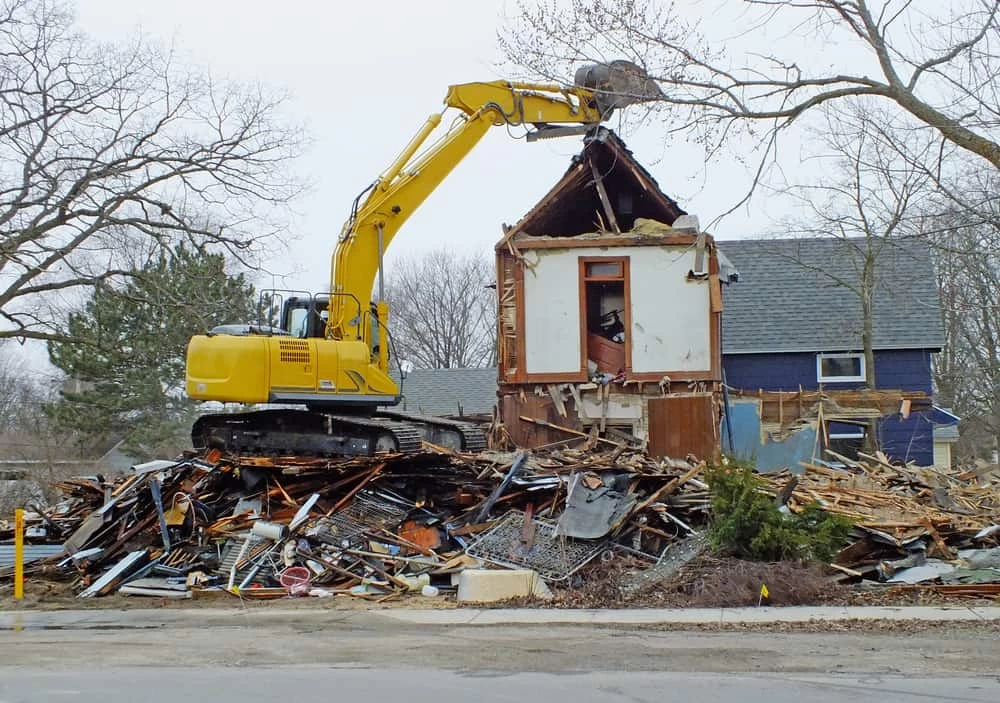
We handle the full range of demolition work that comes up in Quiogue complete structural teardowns of older waterfront cottages being replaced with new luxury builds, interior selective demolition for comprehensive renovations where only specific walls, systems, or floors are coming out, and emergency demolition following storm or flood damage. The coastal exposure here along Quantuck Bay means that last category comes up more than it does in inland communities, and our 24/7 response capability exists precisely for those situations.
Every project includes pre-demolition hazardous material assessment. For the older building stock common in Quiogue structures built in the 1940s, 1950s, and 1960s asbestos and lead paint are real possibilities, not remote ones. Our team conducts testing, handles abatement in-house if regulated materials are found, and documents everything required for compliance with NYS DOL regulations and USEPA NESHAP notification requirements. You don’t need to coordinate a separate abatement contractor or wait for one to clear the site before demolition can start.
For properties near Quantuck Bay or Aspatuck Creek, the wetlands permit process is part of our standard scope not an afterthought. Sanitary system abandonment, required by Suffolk County Department of Health Services on full teardowns, is also coordinated as part of the project. The goal is that by the time the site is cleared, every regulatory requirement has been met, documented, and closed out so your builder can start without inheriting your compliance problems.
Do I need a wetlands permit to demolish a house near Quantuck Bay in Quiogue?
If your property sits within the regulated setback distance from Quantuck Bay, Aspatuck Creek, or any other water body in Quiogue, yes you’ll need an Administrative Wetlands Permit from the Town of Southampton’s Environment Division before demolition can proceed. The setback zones in Southampton Town typically extend 100 to 150 feet from the water body, and given Quiogue’s geography roughly 25% of the hamlet’s total area is water a significant number of properties trigger this requirement.
The wetlands permit runs as a separate approval process from your standard demolition permit, with its own application, review timeline, and conditions. It doesn’t automatically get caught by the Building Division’s review, which is why contractors who aren’t familiar with Southampton Town’s environmental regulations can miss it entirely and create delays mid-project. We identify whether your property requires a wetlands permit during our initial site assessment, not something discovered after the permit application is already submitted.
Is asbestos testing required before demolishing an older home in Quiogue, NY?
Yes, and it’s not optional. New York State regulations require a pre-demolition asbestos inspection by a licensed asbestos inspector before any demolition work begins on a structure that could contain asbestos-containing materials. For Quiogue, this is particularly relevant a significant portion of the hamlet’s housing stock was built before 1980, and many of the original cottages and farmhouse conversions along Aspatuck Creek and near Quantuck Bay date to the 1940s and 1950s, well within the high-risk window for asbestos in pipe insulation, floor tiles, roofing materials, and joint compound.
If regulated asbestos-containing material is found, it must be removed by a licensed abatement contractor before demolition proceeds and USEPA NESHAP notification requirements apply for quantities above certain thresholds. We hold active NYS DOL asbestos contractor certification and handle both the inspection coordination and the abatement in-house, which means you’re not waiting on a second contractor to clear the site before the demolition crew can start. It keeps the project on one timeline instead of two.
What happens if my Quiogue home was built before 1941 does that affect the demolition permit?
It does, and it’s one of the requirements that catches property owners off guard most often in Southampton Town. Because Quiogue has been formally designated a Hamlet Heritage Area, structures built prior to 1941 require a Landmarks and Historic District Application as part of the demolition permit process. The Landmarks and Historic Districts Board has 45 days from receipt of a complete application to render a report and recommendations before the demolition permit can move forward.
That 45-day window is the critical detail. If you’re planning a spring teardown with the goal of starting construction before summer, and the Landmarks application isn’t submitted well in advance, that review period alone can push your groundbreaking into a completely different season. The solution is simple start the process earlier than you think you need to, and make sure your contractor knows to flag this requirement upfront rather than discovering it after the building permit application is already in. We identify this during the initial site assessment so the timeline accounts for it from day one.
How long does the demolition permit process take in Southampton Town?
The honest answer is that it depends on which permits your specific project requires and in Quiogue, that list is often longer than property owners expect. A straightforward demolition permit through the Town of Southampton’s Building Division requires a survey of all structures on the property, copies of all Certificates of Occupancy, and a Highway Road Usage Permit for debris removal. Under normal circumstances, that process can move in a few weeks once the application is complete.
But if your property also requires a wetlands permit from the Environment Division, that adds a separate review track with its own timeline. If the structure predates 1941, the Landmarks Board review adds up to 45 days. If asbestos abatement is needed, that work has to be completed and documented before demolition can begin. Stack those together and a project that feels like it should take a month can easily take three or four if the planning doesn’t account for each layer. The way to compress that timeline is to have all of it identified and submitted in parallel rather than sequentially which is how we structure the permit phase.
What does a full residential demolition in Quiogue typically include?
A full residential demolition in Quiogue covers more than just taking the structure down. It starts with a pre-demolition hazardous material survey asbestos and lead paint testing are standard given the age of much of the local housing stock. If regulated materials are found, abatement happens before any structural work begins. Then the building comes down, which for a Quiogue property often means coordinating debris removal under a Highway Road Usage Permit from the Town’s Highway Department.
For full teardowns, the scope also typically includes foundation removal or abandonment depending on what the new construction requires, and sanitary system abandonment in compliance with Suffolk County Department of Health Services requirements the existing septic or cesspool system has to be properly pumped, removed, and backfilled before the site is considered clear. If the property is near Quantuck Bay or Aspatuck Creek, the wetlands permit conditions may also specify how the site is to be left after demolition. By the time the project is complete, the site should be fully cleared, compliant, and ready for your builder to take over without inheriting open regulatory items.
Can a demolition contractor in Quiogue help if my property was damaged by a storm?
Yes, and given Quiogue’s location on Quantuck Bay, this comes up regularly. The hamlet has a documented history of storm damage going back to the 1938 hurricane that destroyed the bridge to the area, and more recently, the coastal flooding and structural damage that came with Hurricane Sandy throughout the Quogue and Westhampton Beach corridor. Nor’easters hit this stretch of the South Fork every season, and when a storm compromises a structure whether through flooding, foundation damage, or wind the response window matters.
We’re available 24/7 for emergency demolition and remediation, and have a track record of responding within hours of an emergency call. For storm-triggered projects, we also have experience working directly with insurance companies helping document the damage, coordinate the scope of work, and move the claim and the physical project forward at the same time. If you’re managing a storm-damaged Quiogue property from the city and trying to handle an insurance claim while also figuring out what needs to come down, having one contractor who can handle both sides of that conversation makes a real difference in how quickly the situation gets resolved.