When the Ocean Takes Your Home, Here's What Comes Next
Rockaway Park sits between Jamaica Bay and the Atlantic and when storms hit, they don’t hold back. We’re a licensed demolition contractor serving the Rockaway Peninsula, handling everything from flood-damaged teardowns to full structural demolition with asbestos abatement built in. We’ve worked through more than a decade of nor’easters, tropical storms, and the aftermath of Sandy. We know what this area needs.
I needed a professional consultation explanation of procedure for safe removal of Asbestos in my apartment complex. Without having an account yet, I was very impressed with the caring, knowledgeable and generous advice offered by Jessica, and will look forward to doing business in the future. Thank you so much! I feel much more informed about a sometimes scary endeavor. Peace. Nancy Silva Mineola, NY.
Mia Munoz
Used this company to clean up some water flood in my house. They were fast and easy to work with.very professional, Would recommend to anyone!
Nini Valle
Great company, had a flood and they responded quickly and efficiently. Billed my insurance company directly. I highly recommend this company!
joe colapietro, jr
I had pipe freeze in my basement right before a snow storm and they made to within an hour to help start the clean up process. They we by our side throughout the entire process and even helped with the insurance company. They did such a great job with the cleanup, repair, remidiation, I contracted them to perform the repairs and finishes in the basement. They came with enough manpower and material to get the job done. Leo and Jessica were nothing but a pleasure to deal with!!
Cristian Arredondo c
I had some water damage in my home and Green Island was able to take care of my issue quickly and effectively. I am very pleased with the work they did. They responded quickly and were very professional.
Michael M
Outstanding service! From the office to the field crew everyone was friendly, helpful and responsive. I highly recommend Green Island Group.
Most people calling a demolition contractor in Rockaway Park aren’t doing it because things went according to plan. They’re dealing with a storm-damaged structure, a flooded bungalow that’s been sitting too long, or a pre-war home that’s finally reached the end of its life. What you need at that point isn’t a contractor who just swings a sledgehammer you need someone who can handle the full picture.
Here’s what makes Rockaway Park different from a typical Queens neighborhood: the housing stock on the peninsula is old. The median construction year is 1961, and roughly 38% of homes were built before 1950. That means asbestos in floor tiles, pipe insulation, ceiling materials, and roofing is not a maybe it’s a near-certainty. Under NYC Local Law 76, an asbestos investigation is legally required before any demolition or renovation can begin. A contractor who can’t handle that step forces you to stop, find someone else, and start the clock over. We handle abatement and demolition under one contract.
The second reality is the flood zone. The entire peninsula sits in a FEMA Special Flood Hazard Area. Any structure going up after demolition has to meet elevated building standards and that process starts with how the site is cleared and documented. Getting the demolition right sets up everything that comes after it.
340+ Projects on the Peninsula. Every License. One Call.
We’ve been operating in the New York metro area for over 12 years. We’re licensed by the NYC Department of Buildings, compliant with NYS DOL Industrial Code Rule 56 for asbestos abatement, and meet USEPA NESHAP standards for demolition involving hazardous materials. Holding all three simultaneously isn’t common most contractors cover one or two, not all three.
Our work spans all five boroughs, with deep experience in Queens Community Board 14, which covers the Rockaway Peninsula from Rockaway Park through Far Rockaway. With 340+ completed demolition projects, we’ve worked through the full range of complications that come with this area’s housing stock layered bungalow conversions, flood-saturated structures, tight peninsula lots, and multi-hazard scenarios that require abatement before a single wall comes down.
We bill insurance carriers directly for disaster-related work. For a community that’s been through Sandy and knows what a claims process looks like, that matters.
What Actually Happens From First Call to Clear Site
The first step is a site assessment. Before any permits are filed or equipment is scheduled, we evaluate the structure its condition, its age, what materials are present, and what the scope of work actually looks like. For homes on the Rockaway Peninsula, this almost always includes a pre-demolition hazardous material survey. Given that a significant portion of the local housing stock predates 1950, finding asbestos or lead paint isn’t a surprise it’s an expected part of the process that gets identified and priced upfront, not discovered mid-job.
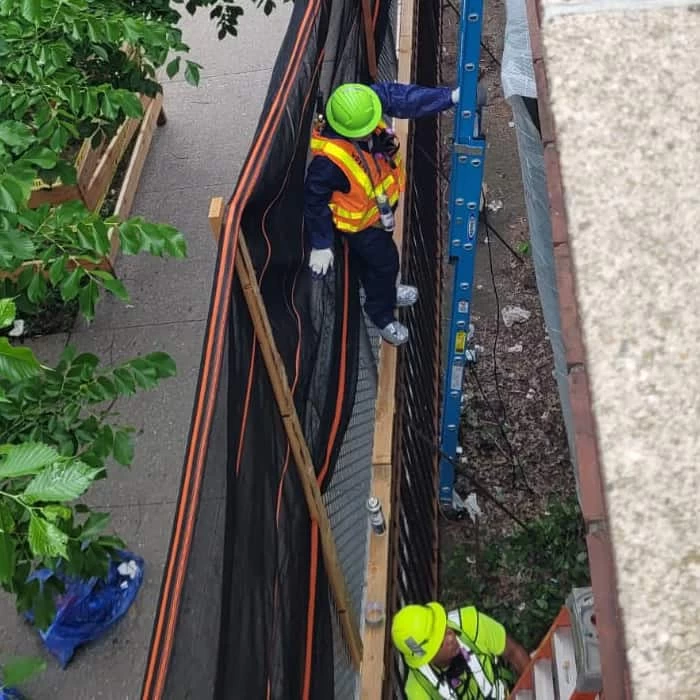
If abatement is required and in most cases here, it is we handle it directly, so there’s no gap between the abatement work finishing and the demolition crew starting. Once the hazardous materials are cleared and air monitoring confirms the space is safe, structural demolition proceeds. All permitting through the NYC Department of Buildings is managed by our team, including any coordination with the NYC DEP for asbestos-related work.
For properties in Rockaway Park’s FEMA flood zones, we clear and document the site in a way that supports the elevated reconstruction requirements that follow. If the project is insurance-related storm damage, fire, flooding we handle the billing directly with your carrier, so you’re not stuck managing that on top of everything else. From the first call to a cleared site, the process is built to reduce what you have to manage, not add to it.
Residential and Commercial Demolition, Rockaway Park
Built for the Rockaways, Not Just Any Job Site
Demolition on the Rockaway Peninsula comes with logistics that don’t apply to most Queens neighborhoods. Equipment and debris haulers come in through the Cross Bay Veterans Memorial Bridge or the Marine Parkway Bridge the same roads every resident uses. Scheduling matters here. A crew that hasn’t worked on the peninsula before will figure that out the hard way on your project. We’ve worked in this area and understand what it takes to move efficiently in and out without turning a straightforward job into a scheduling problem.
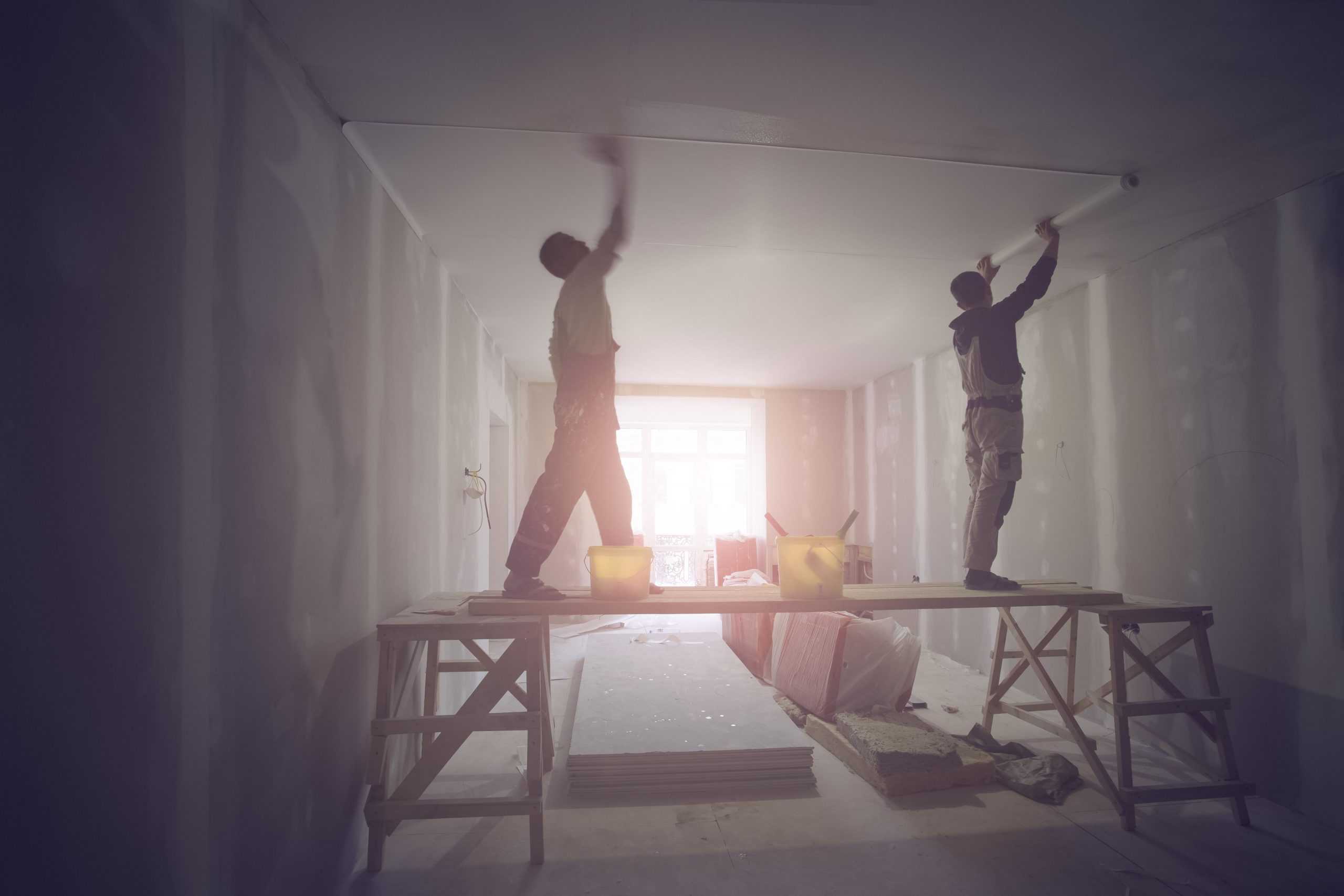
On the service side, our scope covers residential demolition full teardowns, selective interior gut-outs, and bungalow conversions that have reached the end of their life as well as commercial demolition for business owners and investors on the peninsula. Every project includes a pre-demolition hazardous material survey, permit management through the NYC DOB, and integrated asbestos or lead abatement when required. We also offer mold remediation, water damage restoration, and fire damage cleanup as part of the same project when the situation calls for it.
For storm-damaged properties, we document everything needed for insurance purposes throughout the process. If you’re rebuilding after a flood or fire, that documentation directly supports your claim and your reconstruction timeline. We operate 24/7 because damage on a barrier peninsula doesn’t wait for Monday morning.
Do I need an asbestos inspection before demolishing my Rockaway Park home?
Yes and it’s not optional. Under NYC Local Law 76, an asbestos investigation is legally required before any demolition or significant renovation in New York City. There are no exceptions based on project size or scope. If asbestos-containing materials are found above threshold quantities, abatement must be completed before structural work can begin, and air monitoring is required afterward to confirm the space is safe.
In Rockaway Park specifically, this step is almost always relevant. With a median construction year of 1961 and roughly 38% of homes built before 1950, asbestos shows up regularly in floor tiles, ceiling tiles, pipe insulation, roofing shingles, and joint compound. The cost of asbestos removal in New York runs $20–$65 per square foot depending on the material type, with required air monitoring adding $600–$1,200 per day. National pricing guides significantly underestimate what this costs in New York City, where licensing, certification, and disposal requirements are more stringent. Getting a clear scope and accurate price upfront before demolition starts is the only way to avoid budget surprises mid-project.
How much does a full demolition cost in Rockaway Park, NY?
The honest answer is that it depends on several factors: the size of the structure, the age and condition of the building, whether hazardous materials are present, and how accessible the site is. For a standard residential teardown in Rockaway Park, total project costs including permits, abatement if required, and debris removal typically range from $15,000 to $60,000 or more for a full structure, depending on scope.
What drives cost up in this area specifically is the age of the housing stock. Many of the bungalows and converted summer cottages on the peninsula have multiple layers of materials from different construction eras original construction, mid-century updates, and post-Sandy repairs layered on top of each other. That complexity can increase the abatement scope significantly compared to a more straightforward pre-war home. The FEMA flood zone designation also affects how the site needs to be cleared and documented if you’re planning elevated reconstruction afterward. Getting a site assessment before committing to a number is the only way to get a price that’s actually accurate for your Rockaway Park property.
Can I demolish and rebuild my flood-damaged home in a FEMA flood zone?
Yes, but the process has specific requirements that affect how demolition is handled and what reconstruction must look like. The entire Rockaway Peninsula sits within a FEMA Special Flood Hazard Area, which means any new structure built after demolition must meet elevated building standards the first finished floor must be built at or above the Base Flood Elevation set for your specific property.
This matters for demolition because the site needs to be cleared and documented in a way that supports the construction sequencing that follows. It also affects permitting: the NYC Department of Buildings requires flood-resistant construction compliance for new builds in these zones, and that process starts with how the existing structure is removed and the lot is prepared. If your home was damaged by Sandy or a subsequent storm and you’ve been weighing whether to finally tear down and rebuild properly, understanding the full regulatory picture before you start is worth the time. A contractor who’s worked in the Rockaways before will already know what’s required you won’t have to explain the flood zone context to them.
How long does the demolition permit process take in New York City?
NYC DOB permit timelines vary based on project type, completeness of the filing, and current processing volume. For a standard residential demolition, permit approval can take anywhere from a few weeks to a couple of months if everything is filed correctly the first time. Incomplete applications, missing documentation, or asbestos-related filings that require NYC DEP coordination can extend that timeline.
The filing process requires a licensed contractor you cannot pull a demolition permit in New York City as a property owner on your own for structural work. We file the plans, coordinate any required inspections, and manage the back-and-forth with the DOB. For Rockaway Park projects that involve asbestos abatement, there’s an additional layer: the NYC DEP requires separate notification and certification for abatement work within the five boroughs, on top of the NYS DOL licensing requirement. Having one contractor who handles all of this rather than splitting it between a demolition company and a separate abatement firm keeps the permit process on a single timeline instead of two.
What happens to the mold in a flood-damaged home before demolition begins?
Mold starts growing within 24 to 48 hours of water intrusion. In a home that’s been flood-damaged whether from a storm surge event, a burst pipe, or a nor’easter mold can be extensive inside walls, under flooring, and in structural cavities long before demolition ever starts. Demolishing a mold-contaminated structure without addressing it first can spread spores throughout the site and into adjacent areas, creating a health hazard for workers and neighbors.
The right sequence is remediation first, then demolition. We handle mold remediation as part of the same project scope, so there’s no gap between the remediation work finishing and the demolition crew starting. For properties in Rockaway Park that have been sitting with unaddressed flood damage a situation that’s more common than people realize, given how many Sandy-affected homes went through partial repairs a thorough assessment of what’s actually inside the walls before work begins is essential. What looks like a straightforward teardown from the outside can have a significant mold problem that needs to be handled properly before the structure comes down.
Does Green Island Group handle demolition after storm damage in Rockaway Park?
Yes and it’s one of the more common reasons people on the Rockaway Peninsula call us. The area sits directly on the Atlantic coast, which means storm damage from nor’easters, tropical storms, and hurricane events is a recurring reality, not a once-in-a-generation situation. When a storm damages a structure badly enough to require demolition, the timeline matters: the longer a compromised building sits, the more the mold grows, the more the structure degrades, and the more complicated the eventual project becomes.
We operate 24 hours a day, seven days a week, including emergency response for storm-damaged properties. We also bill insurance carriers directly for disaster-related demolition work, which means you’re not managing the paperwork between us and your adjuster on top of everything else. For homeowners in the 11694 and 11693 ZIP codes who’ve been through the insurance claim process before many of whom have dealt with this since Sandy in 2012 having a contractor who handles that side of it directly is a meaningful difference in how the project actually goes.