When Your 1970s Ronkonkoma Home Needs to Come Down Right
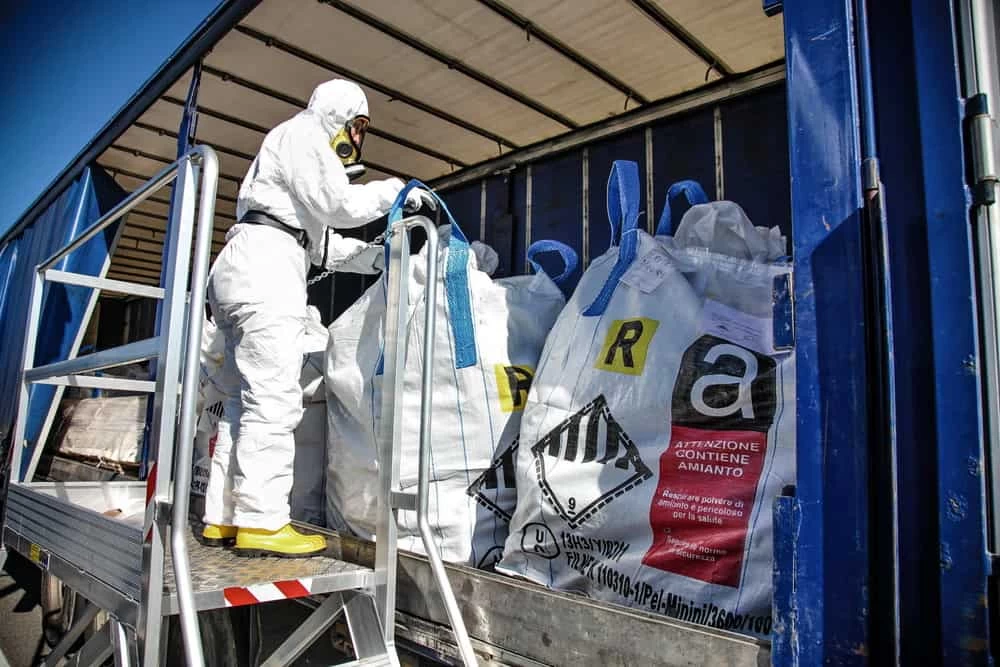
Most homes in Ronkonkoma were built before asbestos regulations existed. One call to us covers the inspection, the abatement, and the demolition no second contractor, no project stoppage.
I needed a professional consultation explanation of procedure for safe removal of Asbestos in my apartment complex. Without having an account yet, I was very impressed with the caring, knowledgeable and generous advice offered by Jessica, and will look forward to doing business in the future. Thank you so much! I feel much more informed about a sometimes scary endeavor. Peace. Nancy Silva Mineola, NY.
Mia Munoz
Used this company to clean up some water flood in my house. They were fast and easy to work with.very professional, Would recommend to anyone!
Nini Valle
Great company, had a flood and they responded quickly and efficiently. Billed my insurance company directly. I highly recommend this company!
joe colapietro, jr
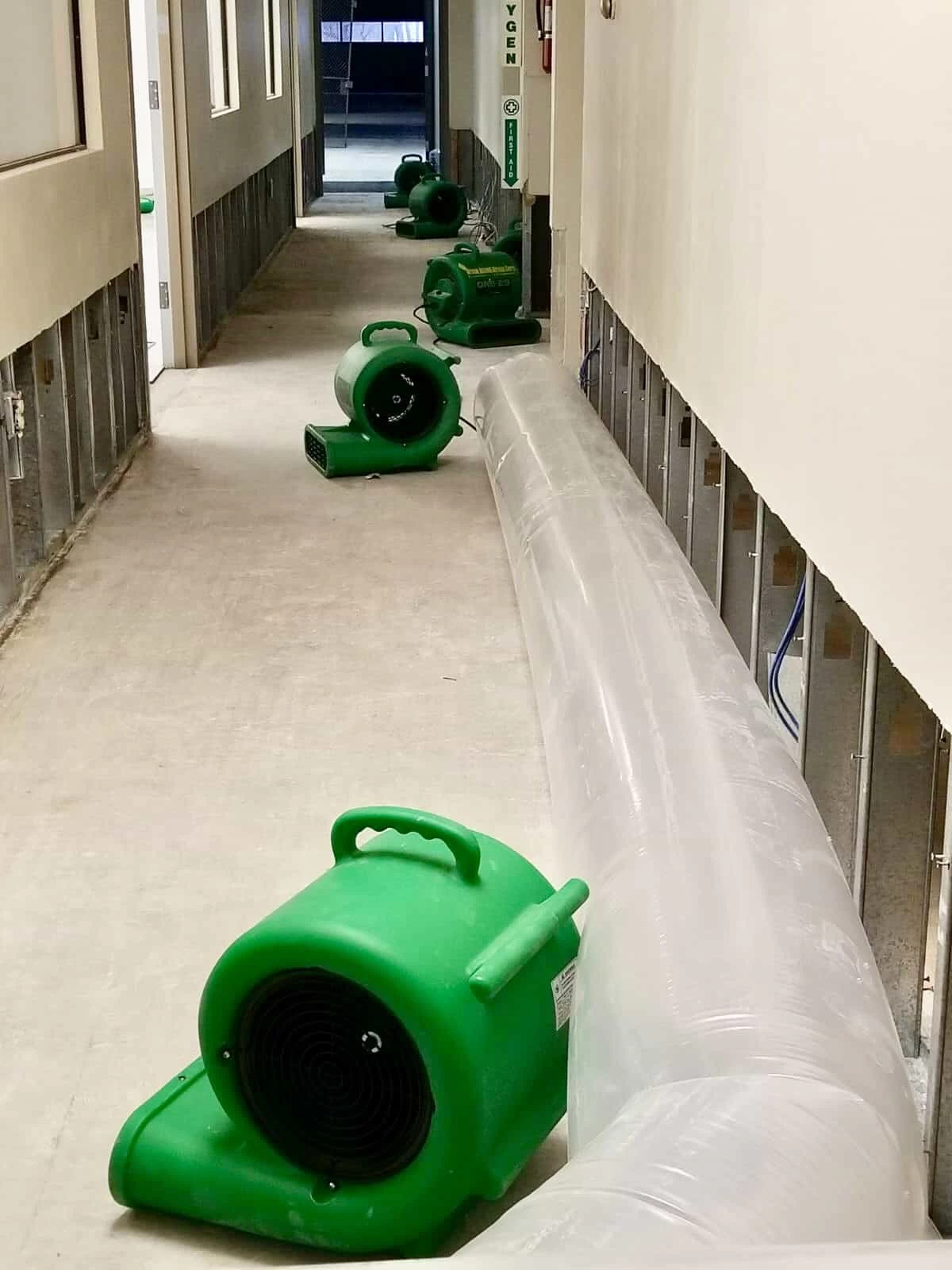
I had pipe freeze in my basement right before a snow storm and they made to within an hour to help start the clean up process. They we by our side throughout the entire process and even helped with the insurance company. They did such a great job with the cleanup, repair, remidiation, I contracted them to perform the repairs and finishes in the basement. They came with enough manpower and material to get the job done. Leo and Jessica were nothing but a pleasure to deal with!!
Cristian Arredondo c
I had some water damage in my home and Green Island was able to take care of my issue quickly and effectively. I am very pleased with the work they did. They responded quickly and were very professional.
Michael M
Outstanding service! From the office to the field crew everyone was friendly, helpful and responsive. I highly recommend Green Island Group.
No Surprises Halfway Through Your Ronkonkoma Demolition
Here’s what most homeowners in Ronkonkoma don’t find out until it’s too late: they hire a demolition contractor, work starts, asbestos turns up in the walls and everything stops. The contractor isn’t licensed to handle it. Now you’re coordinating a second company, your timeline is blown, and the original crew has moved on to another job.
That’s not a worst-case scenario in Ronkonkoma. It’s a common one, because the median home here was built in 1970. That puts the majority of the housing stock squarely in the window when asbestos was routinely used in insulation, floor tiles, pipe wrap, and joint compound.
When you work with us, environmental assessment and asbestos abatement are part of the same project not a separate call you have to make. If it’s there, it gets handled. Work continues. Your timeline stays intact.
That same all-in-one approach matters for the permit side too. Demolition in Ronkonkoma requires a permit through the Town of Islip Building Department, and if asbestos is present, environmental clearance documentation has to come first. We manage that process from start to finish. You don’t spend weeks chasing paperwork. You get a clear timeline and a crew that shows up when we say they will.
Local Enough to Know What's Behind Ronkonkoma Walls
We’re based in Bohemia, NY about five miles south of Ronkonkoma down Veterans Memorial Highway. That’s not a detail thrown in to sound local. It means the crew responding to your job knows the Town of Islip permit process, knows what Suffolk County inspectors look for, and has worked through the specific environmental conditions that come with Ronkonkoma’s postwar housing stock. This isn’t a national franchise sending a team that’s never worked this county before.
Over 12 years and more than 5,000 completed projects across Long Island and New York City, our work has covered everything from full house teardowns and interior gut demos to emergency water damage response in the middle of a nor’easter. We hold active NYS Department of Labor asbestos contractor certification, carry $2 million in general liability coverage, and are a certified MWBE through New York State. Our credentials are real and verifiable ask for them before you sign anything with any contractor.
What Actually Happens From Your First Call to Final Cleanup
The first step is a site assessment. Before any work begins, the property gets evaluated for hazardous materials asbestos, lead paint, and anything else that has to be addressed before demolition can legally proceed under New York State Code Rule 56. For most Ronkonkoma homes built before 1980, this step isn’t optional. It’s a legal requirement, and skipping it creates real liability for the property owner. We handle this assessment directly, so you’re not sourcing a separate inspector or waiting on a third party to clear the site.
Once the assessment is complete, permitting starts. For properties in the Islip portion of Ronkonkoma which covers most of the hamlet that means filing with the Town of Islip Building Department. Properties in the eastern section fall under the Town of Brookhaven. We file the appropriate permits, follow up, and keep you informed on timing. You don’t need to know which building department applies to your address. That’s handled.
When permits are cleared and utilities are formally disconnected electric through PSEG Long Island, gas through National Grid physical demolition begins. Debris removal, site cleanup, and final preparation for whatever comes next are all part of the same scope. The job isn’t done when the structure comes down. It’s done when the site is ready for the next phase.
One Contractor Covers the Full Scope Residential or Commercial in Ronkonkoma
We handle demolition across the full range of what Ronkonkoma property owners actually need. On the residential side, that includes full house demolitions, interior gut demos, basement teardowns, kitchen and bathroom strip-outs, garage removals, and structural demolition tied to renovation projects. Every residential job includes pre-demolition hazmat assessment because in Ronkonkoma, where the typical home is over 50 years old, that step isn’t a precaution. It’s a necessity.
On the commercial side, the Veterans Memorial Highway corridor, the area around MacArthur Airport, and the broader business district along Route 454 represent a real market for interior demolition, tenant fit-outs, and site preparation. The Station Yards redevelopment near the LIRR station one of the largest mixed-use projects in Suffolk County’s recent history is a signal of where Ronkonkoma’s commercial real estate is heading. Our MWBE certification makes us eligible for public and state-funded projects tied to that kind of large-scale development.
Emergency response is available 24 hours a day, seven days a week. Central Long Island’s winters are real nor’easters, pipe freezes, and ice dam failures happen fast and require immediate demolition response to stop further damage. We have documented response times under one hour during active storm conditions. That’s not a marketing line. It’s what our customer reviews actually say.
Do I need an asbestos inspection before demolition in Ronkonkoma, NY?
Yes and this isn’t optional. Under New York State Code Rule 56, any renovation or demolition project that will disturb materials suspected to contain asbestos requires a licensed inspection before work begins. If asbestos-containing materials are found, licensed abatement must be completed before demolition can proceed. This applies to the vast majority of homes in Ronkonkoma, where the median construction year is 1970. Homes built before 1980 commonly contain asbestos in floor tiles, ceiling tiles, pipe insulation, roofing materials, and joint compound.
The practical consequence of skipping this step is significant. If asbestos is discovered mid-project by a contractor who isn’t licensed to handle it, work stops completely. You’re then responsible for sourcing a licensed abatement company, waiting for them to schedule, and restarting the project from scratch often weeks later. Hiring a contractor who handles both asbestos abatement and demolition under one license eliminates that risk entirely and keeps your Ronkonkoma project on schedule.
What permits are required for demolition in Ronkonkoma, and who handles them?
Ronkonkoma sits primarily within the Town of Islip, with a smaller eastern portion falling under the Town of Brookhaven. Which building department handles your permit depends on your specific address and most homeowners in Ronkonkoma don’t know which jurisdiction they’re in until they try to file. For the majority of Ronkonkoma properties, demolition permits are filed with the Town of Islip Building Department. The application requires a property survey, project description, and compliance documentation. If hazardous materials are involved, environmental clearance must be documented before the permit is issued.
Utility disconnection is also a required pre-demolition step. Electric service through PSEG Long Island and gas service through National Grid both need to be formally capped before any structural work begins and confirming those disconnections can add time to your project if it’s not coordinated early. We manage the full permit process and utility coordination from the start, so nothing gets missed and your timeline doesn’t slip because of a paperwork gap.
How much does demolition typically cost for a home in Ronkonkoma, NY?
Demolition costs vary depending on the scope of work, the size of the structure, and what’s found during the pre-demolition assessment. For a full residential teardown in Ronkonkoma, costs generally range from $8,000 to $25,000 depending on square footage, accessibility, and debris volume. Interior gut demolitions stripping a kitchen, bathroom, or basement typically run $3,000 to $10,000 depending on scope. These are starting ranges, not guarantees, and the final number depends on what the site assessment turns up.
The biggest cost variable in Ronkonkoma specifically is asbestos. If asbestos-containing materials are found, abatement adds to the project cost but the alternative is a stopped project and a second contractor at full price. Bundling abatement and demolition with one contractor is almost always more cost-effective than handling them separately, and it protects you from the markup that comes when you’re scrambling to find an abatement company mid-project. Get a written scope of work that specifies what’s included permits, hazmat handling, debris removal, and site prep before you agree to any price.
What's the difference between full demolition and interior demolition?
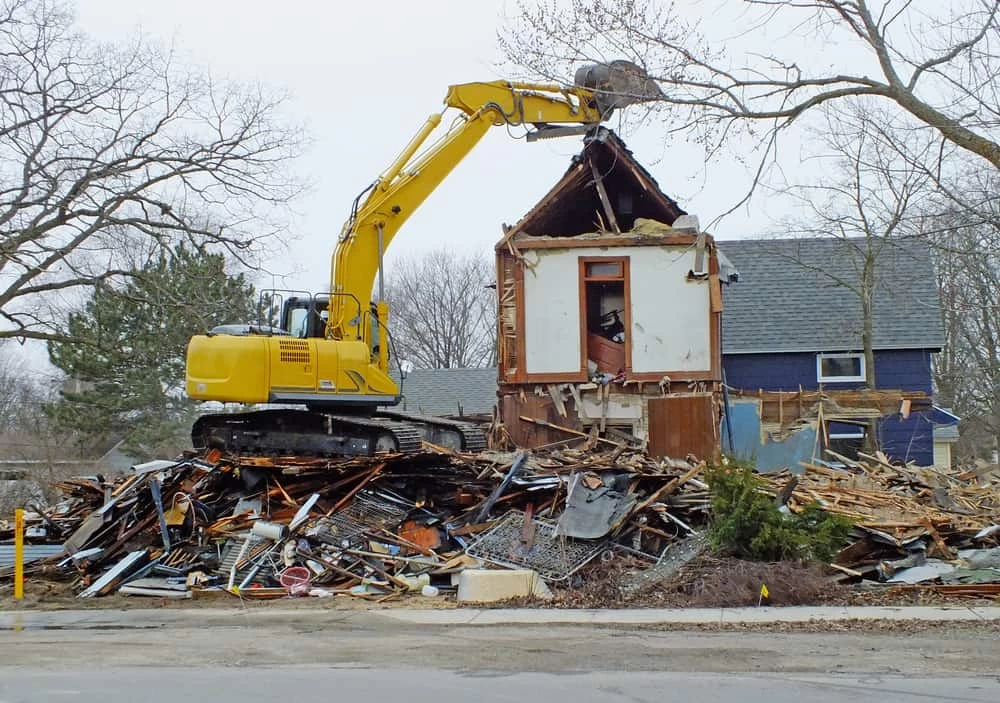
Full demolition means the entire structure comes down walls, foundation work, everything above grade is removed and the site is cleared. This is typically what happens when a home is being torn down to make way for new construction, or when a structure is too damaged or deteriorated to renovate. In Ronkonkoma, full teardowns often involve homes from the 1950s and 1960s that have reached the end of their useful life, particularly in neighborhoods where rising land values have made rebuilding more economical than renovating.
Interior demolition sometimes called selective demolition means removing specific components inside an existing structure while keeping the building itself intact. This is the more common scenario for homeowners planning a kitchen gut renovation, a basement conversion, or a bathroom overhaul. It’s also what commercial tenants along Veterans Memorial Highway or near MacArthur Airport typically need before a fit-out. Both types of demolition require permits in the Town of Islip, and both require a pre-demolition hazmat assessment if the structure was built before 1980. The process is the same the scale is just different.
How long does a demolition project take from start to finish in Ronkonkoma?
The physical demolition work itself is usually the fastest part of the project. A full residential teardown can be completed in one to three days once the site is cleared and permits are in hand. Interior demolition for a kitchen or bathroom typically takes one to two days. What takes longer is everything that happens before the crew arrives the site assessment, asbestos testing and abatement if needed, permit filing with the Town of Islip, and utility disconnection coordination with PSEG Long Island and National Grid.
In realistic terms, a straightforward interior demo project in Ronkonkoma can move from first call to completed work in two to four weeks if no asbestos is found and permits process on schedule. If asbestos abatement is required, add one to two weeks depending on the scope. Projects that stall usually do so because the permit process wasn’t started early or because a contractor without abatement capabilities had to stop work mid-project. Starting with a contractor who handles all of it from day one keeps the timeline as tight as possible.
Can Green Island Group handle emergency demolition after storm damage in Ronkonkoma?
Yes and this comes up more often than people expect in central Suffolk County. Ronkonkoma sits inland, which means it takes the full force of nor’easters without the coastal buffering that some waterfront communities have. Pipe freezes during hard winters, ice dam failures, and structural damage from heavy snow loads are all real emergency scenarios that require immediate demolition response to stop further damage to the property. Waiting until business hours to make a call can mean the difference between a contained demo job and a much larger remediation project.
We’re available 24 hours a day, seven days a week, including during active storm conditions. Customer reviews document response times under one hour during snowstorms not because it’s a selling point, but because that’s what the job requires. Emergency demolition after water or fire damage also involves insurance documentation, and we have a track record of working directly with insurance companies to help clients navigate the claim process alongside the physical work. If you’re dealing with a damaged home and an insurance adjuster at the same time, having one contractor who handles both sides of that situation makes a real difference.