Teardowns Done Right in One of America's Most Valuable ZIP Codes
When a project sits on Daniels Lane or Gibson Lane in Sagaponack, there’s no room for permit mistakes, surprise asbestos shutdowns, or a crew that doesn’t know local rules. We handle the whole thing abatement, demolition, and permits so your build timeline stays intact.
I needed a professional consultation explanation of procedure for safe removal of Asbestos in my apartment complex. Without having an account yet, I was very impressed with the caring, knowledgeable and generous advice offered by Jessica, and will look forward to doing business in the future. Thank you so much! I feel much more informed about a sometimes scary endeavor. Peace. Nancy Silva Mineola, NY.
Mia Munoz
Used this company to clean up some water flood in my house. They were fast and easy to work with.very professional, Would recommend to anyone!
Nini Valle
Great company, had a flood and they responded quickly and efficiently. Billed my insurance company directly. I highly recommend this company!
joe colapietro, jr
I had pipe freeze in my basement right before a snow storm and they made to within an hour to help start the clean up process. They we by our side throughout the entire process and even helped with the insurance company. They did such a great job with the cleanup, repair, remidiation, I contracted them to perform the repairs and finishes in the basement. They came with enough manpower and material to get the job done. Leo and Jessica were nothing but a pleasure to deal with!!
Cristian Arredondo c
I had some water damage in my home and Green Island was able to take care of my issue quickly and effectively. I am very pleased with the work they did. They responded quickly and were very professional.
Michael M
Outstanding service! From the office to the field crew everyone was friendly, helpful and responsive. I highly recommend Green Island Group.
Your Build Site, Cleared and Certified Before the Crew Arrives
Most demolition problems in Sagaponack don’t start during the teardown. They start weeks earlier an incomplete AHRB application, a missed coastal erosion permit, or a contractor who didn’t know asbestos testing was required before the first wall came down. By the time the issue surfaces, your architect is waiting, your general contractor is on hold, and a project worth millions is sitting still.
What you actually want is simple: the existing structure gone, the site certified clean, and the permits closed out so the build can start on schedule. That’s the outcome. Everything else is just the work required to get there.
In Sagaponack, that work is more layered than most places. Every demolition application goes before the Architectural and Historic Review Board. Oceanfront and near-ocean properties along the Atlantic Daniels Lane, Parsonage Lane, the Gibson Lane corridor require a Coastal Erosion Management Permit on top of the standard building permit. And if the structure predates 1980, which is more common here than it looks, asbestos testing isn’t optional. Having a contractor who handles all of that under one roof isn’t a convenience. It’s what keeps your project moving.
Licensed Demolition Contractors Serving Sagaponack, NY
Suffolk County-Based, Sagaponack-Ready, and Fully Certified
We’re based in Bohemia, NY in Suffolk County, the same county as Sagaponack. That matters because the regulatory environment here, between the Southampton Town Building Department, the Sagaponack Village Building Inspector, and the AHRB, is specific. Contractors dispatched from Nassau County or New York City don’t always know the difference. We do.
Over 12 years and more than 5,000 completed projects across Long Island and New York City, we’ve built a track record doing exactly this kind of work: licensed asbestos abatement, full structural demolition, permit management from application to closeout, and site clearance that gives your build team a clean, certified start. We carry active NYS Department of Labor asbestos contractor certification, $2M+ general liability coverage, and workers’ compensation not because it’s required, but because the projects we work on demand it.
We’re also a certified Minority and Woman-Owned Business Enterprise (MWBE), which matters for institutional and commercial clients who have compliance requirements on their end.
From Permit Application to Clean Site Here's What to Expect
It starts before anything is touched. For a demolition project in Sagaponack, the first step is always the permit and review process. That means filing with the Sagaponack Village Building Inspector, submitting the AHRB application with the required documentation, and for properties near the ocean filing the Coastal Erosion Management Permit Application specific to this village. If the structure was built before 1980, we coordinate pre-demolition asbestos testing at this stage. Southampton Town code also triggers additional scrutiny for buildings built before 1941, so we pull the assessor records early and know what we’re walking into before the application goes in.
Once approvals are in hand, we schedule the demolition around Sagaponack’s construction hour restrictions. The village prohibits all construction on Sundays year-round and after 3:00 PM on Saturdays between May 15 and September 15. If asbestos is found, our in-house abatement team handles it no work stoppage, no second contractor, no gap in your timeline. The teardown follows, debris is removed and disposed of properly, and the site is cleared and documented for your build team.
What you get at the end isn’t just an empty lot. It’s a site with closed permits, clean documentation, and no outstanding compliance issues exactly what your architect and general contractor need to move forward.
Demolition Specialists for Sagaponack, NY Properties
Full-Scope Demolition Built for the Hamptons Teardown Market
The teardown-and-rebuild cycle is the defining feature of Sagaponack’s real estate market. Buyers purchase existing structures sometimes properties worth $10 million, $20 million, or more and replace them with larger, more modern estates. The AHRB has approved demolitions of homes valued at $43.5 million. Applications to replace a 1,339-square-foot structure with a nearly 11,000-square-foot estate have come before the board. This is the market we work in, and the scope of what we do reflects it.
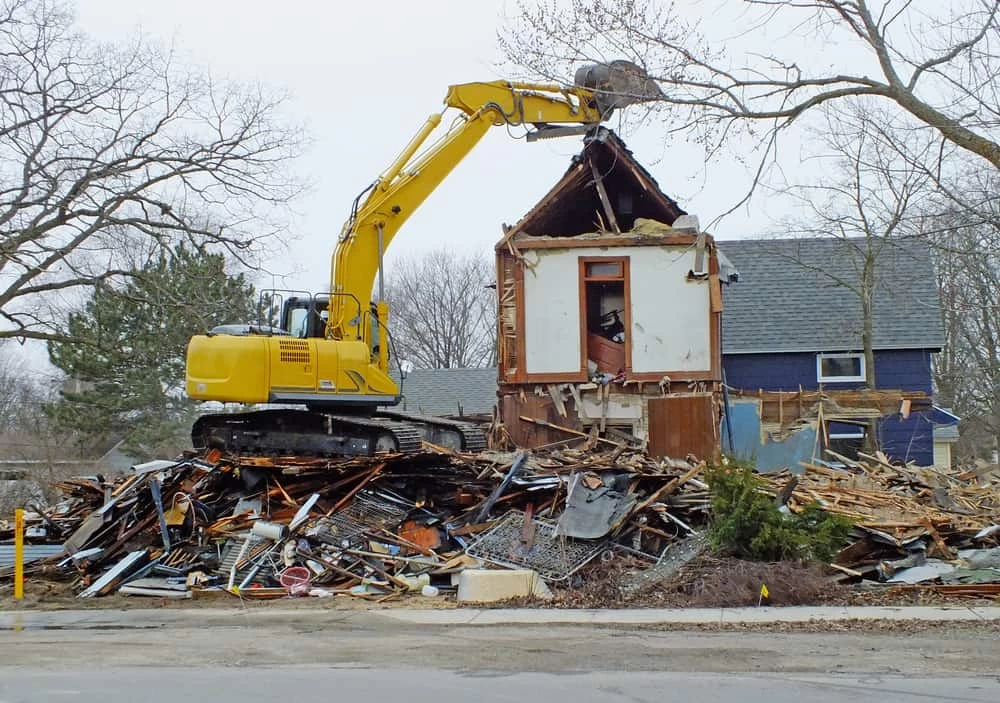
Our residential demolition service covers everything from the initial AHRB and building permit applications through final site clearance. If the property has hazardous materials asbestos insulation, lead paint, or other pre-1980 materials common in Sagaponack’s older farmhouses and historic structures our licensed abatement team handles it in-house before demolition begins. For oceanfront properties on Daniels Lane, Gibson Lane, and similar coastal corridors, we manage the Coastal Erosion Management Permit process specific to Sagaponack.
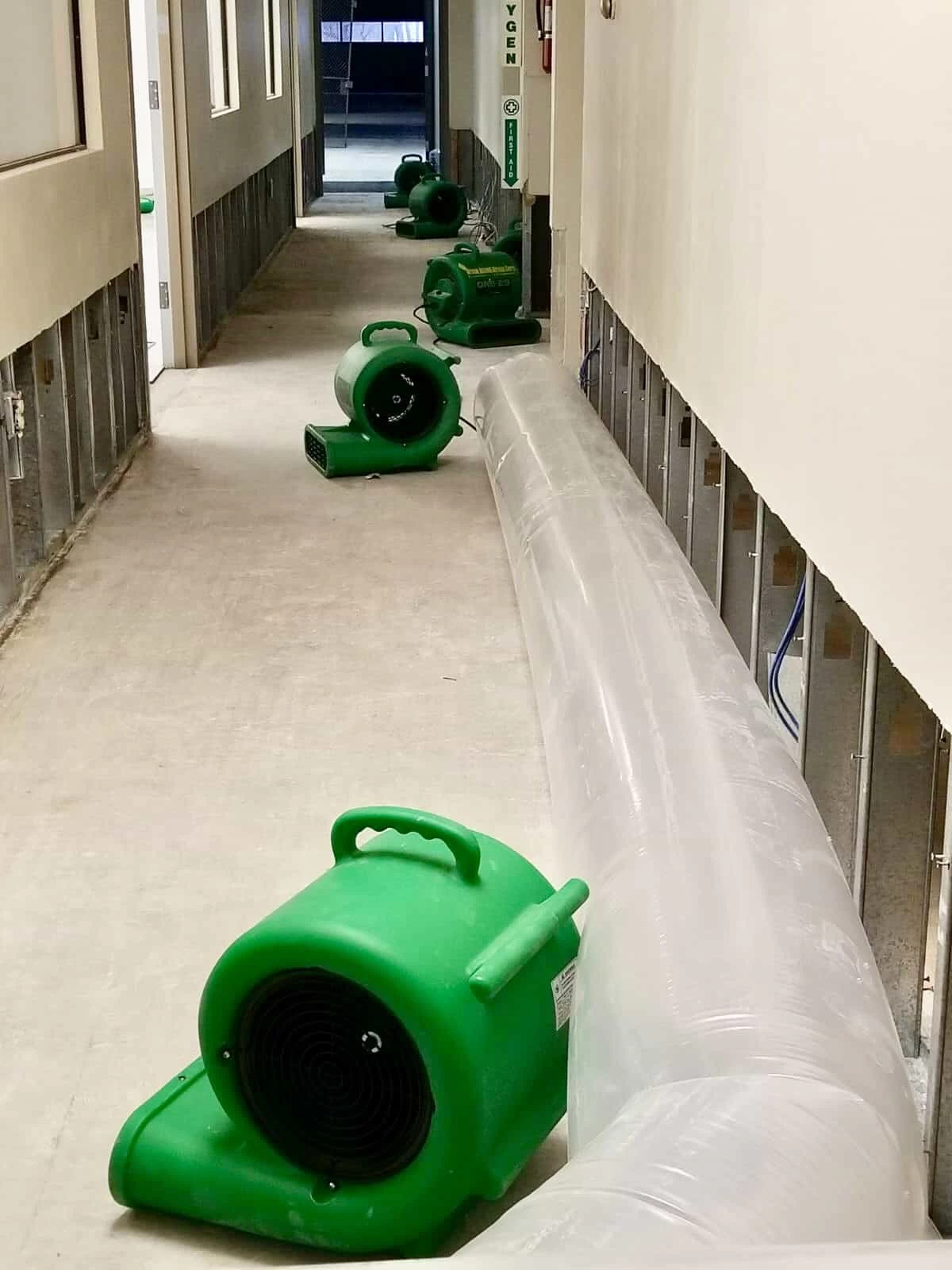
We also handle selective and interior demolition for major renovation projects, partial teardowns, and secondary structure removal guest houses, garages, and outbuildings that need to come down before a larger build begins. For properties that have sustained storm or flood damage from Atlantic weather events, we offer 24/7 emergency response. Whatever the scope, one licensed team manages it from start to finish.
Do I need AHRB approval before demolishing a house in Sagaponack, NY?
Yes every demolition application in the Village of Sagaponack must go before the Architectural and Historic Review Board before a building permit can be issued. The AHRB reviews applications for consistency with village character and has the authority to approve, adjourn for further review, or request additional architectural documentation. For properties built before 1941, Southampton Town code triggers an additional layer of scrutiny based on the assessor’s actual year-built records.
This process adds time to a project timeline if it isn’t managed correctly from the start. An incomplete application, missing documentation, or a contractor who submits without understanding what the AHRB reviews can result in an adjournment that pushes your project back by weeks or longer. We handle the full application process including the documentation the board requires so you’re not learning the process while your project waits.
Is asbestos testing required before demolition in Sagaponack?
In New York State, asbestos testing is required before any demolition of a structure that may contain asbestos-containing materials. In Sagaponack specifically, that applies to more properties than most owners expect. The village has historical roots going back to the 1600s, and its building stock includes farmhouses and structures from the 1700s and 1800s that have come before the AHRB in demolition proceedings. Even properties that look modern on the outside may contain pre-1980 materials: pipe and boiler insulation, older vinyl floor tiles, ceiling tiles, cement board siding, or plaster that tests positive.
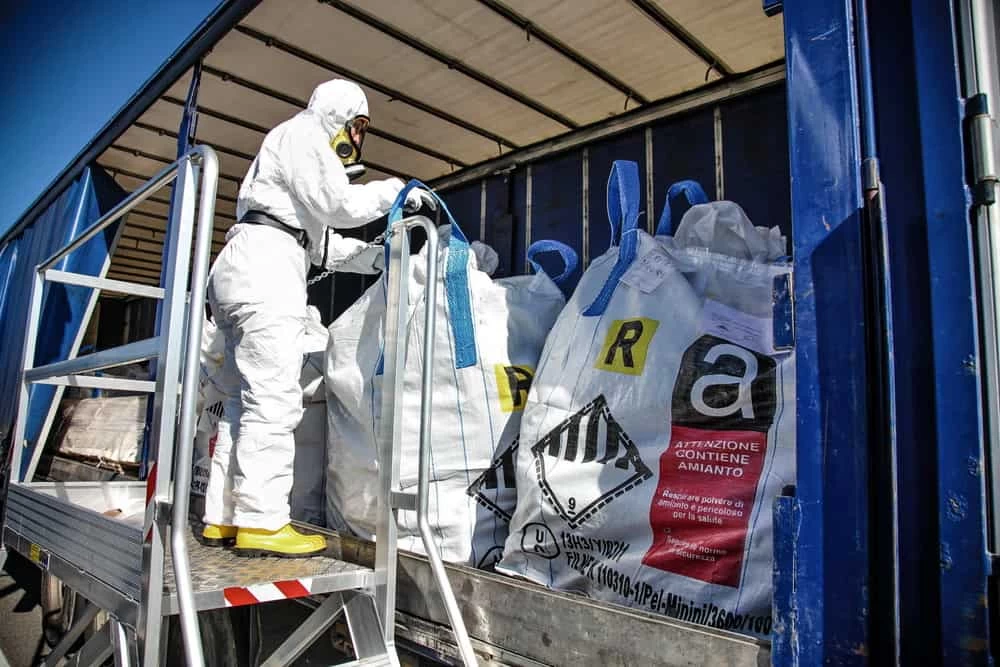
If asbestos is found, work cannot legally continue until it’s abated by a licensed contractor. For a project in Sagaponack where a multi-million-dollar build is waiting on the other side of the teardown a surprise asbestos discovery handled by a contractor without in-house abatement capability can mean a months-long delay. We hold active NYS Department of Labor asbestos contractor certification and handle abatement and demolition under one license, so a positive test result doesn’t stop your project.
Do oceanfront properties in Sagaponack need a coastal erosion permit for demolition?
Yes. Properties in or near coastal areas in Sagaponack including those along Daniels Lane, Gibson Lane, and Parsonage Lane near the Atlantic Ocean are subject to Coastal Erosion Management Permit requirements as part of the demolition application process. Southampton Town maintains a dedicated Sagaponack Coastal Erosion Management Permit Application specifically for this village. This is a separate requirement from the standard building permit and the AHRB application, and it applies to projects in designated coastal hazard areas.
Not every demolition contractor has navigated this permit before. If it’s missed or submitted incorrectly, it can hold up the entire project. We’re familiar with the Southampton Town Building Department’s requirements for coastal properties in Sagaponack and manage this permit as part of our standard process for oceanfront and near-ocean demolition projects in the village.
How much does it cost to demolish a house in Sagaponack, NY?
For a standard residential structure, demolition costs in Sagaponack generally run in the range of $11,300 to $23,700, based on current 2025 data. Larger structures which are the norm in Sagaponack, where estates frequently exceed 5,000 to 10,000 square feet fall at the higher end of that range or above it. These figures reflect base demolition costs and don’t account for asbestos abatement, lead paint removal, coastal erosion permit management, or AHRB application coordination, all of which add to the total depending on the property.
At Sagaponack property values median listings above $5.75 million the cost of demolition is rarely the primary concern. What matters more is whether the contractor can keep the project on schedule, handle complications in-house, and close out permits cleanly so the build can begin. A lower-cost contractor who creates a two-month delay on a $10 million construction project is not a savings. We give you a clear scope and a realistic timeline upfront, so you’re not surprised on either end.
Are there construction hour restrictions I should know about in Sagaponack?
Yes, and they’re stricter than most surrounding communities. The Sagaponack Village Building Code prohibits all construction activity on Sundays year-round no exceptions. Between May 15 and September 15, construction is also prohibited after 3:00 PM on Saturdays. These restrictions reflect the village’s character as a seasonal resort community, and they’re enforced. A contractor who schedules a Saturday afternoon crew call in July or shows up on a Sunday morning is looking at a stop-work order and potential scrutiny from the AHRB on future applications.
If you’re planning a teardown with a tight build timeline, these restrictions matter for scheduling. The optimal window for demolition work in Sagaponack is the off-season fall through early spring when the seasonal population is largely absent, the Saturday afternoon restriction doesn’t apply, and full-week scheduling is possible. We plan demolition schedules around these rules from day one, not after a neighbor complaint.
What happens if storm damage requires emergency demolition on my Sagaponack property?
Sagaponack sits directly on the Atlantic Ocean, and the village’s oceanfront and near-ocean properties are genuinely exposed to nor’easters, tropical storms, and hurricane-related damage. When a storm causes structural damage that requires emergency demolition partial teardown of a compromised structure, removal of a collapsed section, or full emergency demo following major flood or wind damage the situation moves fast and usually involves a simultaneous insurance claim.
We operate 24/7 and have a documented track record of responding quickly to emergency calls, including during active weather events. We work directly with insurance companies handling the documentation, damage assessment, and communication that adjusters require so you’re not managing two separate processes at once. For Sagaponack property owners with oceanfront exposure, knowing your demolition contractor can respond within hours and coordinate with your insurer directly is worth more than any other credential on the list.