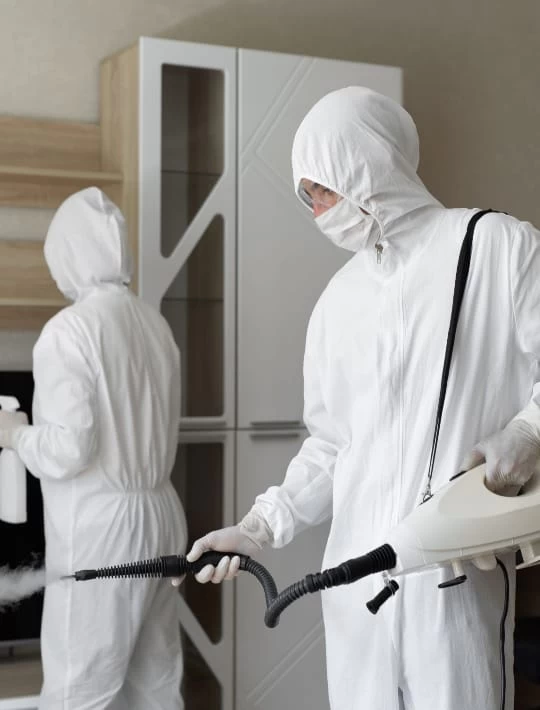
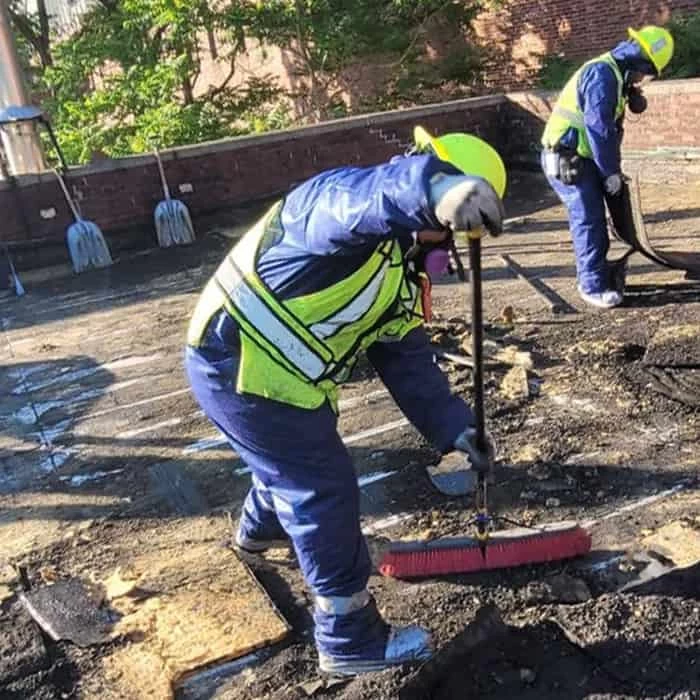
Sands Point homes carry decades of history — and often decades of hidden hazards. We’re a licensed demolition contractor serving Sands Point with the full capability to assess, abate, and demolish under one contract.
I needed a professional consultation explanation of procedure for safe removal of Asbestos in my apartment complex. Without having an account yet, I was very impressed with the caring, knowledgeable and generous advice offered by Jessica, and will look forward to doing business in the future. Thank you so much! I feel much more informed about a sometimes scary endeavor. Peace. Nancy Silva Mineola, NY.
Mia Munoz
Used this company to clean up some water flood in my house. They were fast and easy to work with.very professional, Would recommend to anyone!
Nini Valle
Great company, had a flood and they responded quickly and efficiently. Billed my insurance company directly. I highly recommend this company!
joe colapietro, jr
I had pipe freeze in my basement right before a snow storm and they made to within an hour to help start the clean up process. They we by our side throughout the entire process and even helped with the insurance company. They did such a great job with the cleanup, repair, remidiation, I contracted them to perform the repairs and finishes in the basement. They came with enough manpower and material to get the job done. Leo and Jessica were nothing but a pleasure to deal with!!
Cristian Arredondo c
I had some water damage in my home and Green Island was able to take care of my issue quickly and effectively. I am very pleased with the work they did. They responded quickly and were very professional.
Michael M
Outstanding service! From the office to the field crew everyone was friendly, helpful and responsive. I highly recommend Green Island Group.
What Changes When You Work With a Contractor Who Knows Sands Point
Most Sands Point homes were built before 1980. That means when you open up a wall, pull up a floor, or start a gut renovation, there’s a real chance you’re dealing with asbestos, lead paint, or both. A lot of contractors will start swinging before they know what’s in there. That’s when projects stop — stop-work orders, fines, emergency remediation calls, and a job site that’s now a liability. When you work with a demolition contractor who also holds a NYS Department of Labor Asbestos Handling Contractor License, that entire chain of problems disappears before it starts.
Sands Point sits on three sides of open water — Manhasset Bay, Hempstead Harbor, and Long Island Sound. That exposure means moisture works its way into structures over time in ways you don’t always see coming. Water damage, mold behind walls, compromised framing after a nor’easter — these aren’t rare here. They’re part of what waterfront living on the peninsula looks like after enough winters. Having a contractor who handles demolition and environmental remediation together means you’re not managing two separate companies when something unexpected turns up.
The scale of properties in Sands Point matters too. A gut renovation in a 6,000-square-foot estate requires a different level of planning, coordination, and crew than a standard suburban remodel. We bring the equipment, the licensing, and the project management infrastructure to handle it — without handing pieces of the job off to subcontractors who don’t know the property.
We’re a Long Island-based demolition and environmental contracting company that holds licensing across demolition, asbestos abatement, mold remediation, lead paint removal, and restoration. That’s not a list of things we’ll subcontract out — it’s what our team does directly, under one contract, with one point of contact managing your project from the first assessment to the final clearance test.
Sands Point is already listed as a documented service area on our Nassau County operations. We know the village building department at 26 Tibbits Lane. We know the $1,500 demolition permit requirement. We know the Historic Preservation Ordinance — and we know to ask about it before any work begins on a property that might carry a designation. These aren’t things you should have to explain to a contractor. We already know them.
With a 4.7-star rating and reviews that name specific team members by name, the track record speaks for itself. In a village of roughly 900 families where word travels fast, that matters.
It starts with an assessment. Before anything is touched, we walk the property, document what’s there, and identify any materials that require testing. For Sands Point homes — especially anything built before 1978 — that means looking specifically for asbestos-containing materials and lead paint. You can’t identify either by sight, and skipping this step creates legal exposure for you as the property owner. We don’t skip it.
If testing confirms hazardous materials are present, abatement happens before demolition begins. This is the legally required sequence under New York State and federal EPA guidelines. We handle the abatement ourselves under proper containment protocols, document the disposal chain of custody, and provide you with the paperwork. That documentation travels with the property — it matters when you sell, when you pull future permits, and if anyone ever asks questions down the road.
Once the site is clear, demolition proceeds according to the written scope of work we agreed on before the project started. For projects in Sands Point that involve a designated historic structure, we flag the Historic Preservation Commission review requirement upfront — not after the fact. We also pull the demolition permit from the village building department in our name as the licensed contractor of record. When the work is done, we provide post-project air quality clearance testing so you have documented proof the space is safe — not just our word for it.
Full-Scope Demolition Built for Sands Point Properties
We handle the full range of demolition work that Sands Point homeowners actually need — interior selective demolition for gut renovations, structural demolition for additions or secondary buildings, and full building demolition for teardown-and-rebuild projects. Given that Sands Point is exclusively zoned single-family residential with minimum one-acre lots, most of our work here involves large, complex residential properties where precision matters as much as power.
Every project includes pre-demolition hazardous material testing as a standard step — not an optional add-on. For the Gold Coast estate homes, mid-century Colonials, and waterfront properties that define Sands Point’s housing stock, this isn’t a formality. It’s the difference between a project that moves forward on schedule and one that gets shut down on day two. We’re also EPA RRP certified for lead paint disturbance in pre-1978 structures, which covers the vast majority of homes in Sands Point.
For properties at or near the Sands Point Preserve, the Village Club, or any structure that may carry historic designation under the village’s Historic Preservation Ordinance, we factor in the review process from the start. Permit coordination with the village building department, OSHA-required engineering surveys before structural work begins, and EPA NESHAP advance notification for qualifying asbestos demolition projects — all of it is handled as part of the job, not billed as an extra. One contractor. Everything covered.
Do I need a permit to demolish a structure in Sands Point, NY?
Yes — and in Sands Point specifically, you need to go through the village’s own building department, not just the Town of North Hempstead. The Village of Sands Point Building Department is located at 26 Tibbits Lane and can be reached at (516) 883-3044. The demolition permit fee is $1,500, and no demolition work can legally begin until that permit is issued.
This is a detail that catches a lot of homeowners and contractors off guard. Sands Point is an incorporated village with its own municipal infrastructure — its own water department, its own police department, and its own building department with its own permit requirements. A contractor who doesn’t know this and goes straight to the town level is going to create delays and potentially compliance problems for your project. We handle permit coordination with the village building department as a standard part of every demolition job we take in Sands Point.
Does Sands Point's Historic Preservation Ordinance affect demolition projects?
It can — and it’s something every homeowner in Sands Point should understand before starting a demolition project. We have an active Historic Preservation Commission, and the ordinance explicitly states that no structure designated as a Historic Landmark or located within a Historic District can be demolished without going through the commission’s review process first. Sands Point’s Gold Coast heritage is not just a real estate talking point — it’s a legal framework that governs what you can and can’t do with certain structures.
If your property carries any historic designation, or if you’re unsure whether it does, that needs to be verified before demolition begins — not discovered after a stop-work order. As part of our pre-project process, we check for historic designation and flag the review requirement if it applies. The commission review adds a step, but it’s a manageable one when you know it’s coming. The problems happen when a contractor starts work without checking. We check.
Does my Sands Point home need asbestos testing before demolition begins?
If your home was built before 1980 — which describes the majority of properties in Sands Point — then yes, pre-demolition asbestos testing is both legally required and practically necessary. The EPA’s NESHAP regulations require advance notification and proper handling for demolition of structures containing asbestos above certain threshold quantities. New York State has its own layer of requirements on top of that. The short version: you cannot legally proceed with demolition of a regulated asbestos-containing structure without following the proper abatement and notification process.
Beyond the legal requirement, there’s the practical reality that asbestos in pre-1980 homes shows up in places people don’t always expect — floor tile adhesive, joint compound, pipe insulation, ceiling texture, roofing materials. None of it is identifiable by sight. Testing is the only way to know what you’re dealing with before you start disturbing materials. We perform pre-demolition testing as a standard step on every project involving a pre-1980 structure. If asbestos is present, we handle the abatement ourselves under our NYS DOL Asbestos Handling Contractor License before demolition begins.
What does interior selective demolition typically involve for a Sands Point gut renovation?
Selective demolition means removing specific elements — walls, flooring, ceilings, mechanical systems — without taking down the entire structure. For a gut renovation in a Sands Point estate home, that usually means working carefully around original architectural details, coordinating with an architect or general contractor on what stays and what goes, and managing the process in a way that doesn’t damage surrounding finishes or structural elements you’re keeping.
In practice, this kind of work in Sands Point’s older housing stock almost always involves some level of hazmat management. Original plaster walls, hardwood subfloors with adhesive tile underneath, older pipe insulation — these materials need to be assessed before they’re disturbed. The selective demolition process and the abatement process have to be coordinated, not run in parallel by separate contractors who aren’t talking to each other. Because we handle both under one contract, the scope stays clean and the schedule stays on track. We also produce a written scope of work before the first day on site, so there are no surprises about what’s included.
How does living on Long Island Sound affect the demolition timeline or scope?
Sands Point’s waterfront exposure — on Manhasset Bay, Hempstead Harbor, and Long Island Sound — creates conditions that show up in the structure of homes over time. Moisture infiltration, salt air corrosion, and the cumulative effect of nor’easters and coastal storms mean that water damage and mold are more common findings behind walls in Sands Point than in inland Nassau County communities. When we open up a wall for demolition and find mold or water-compromised framing, that changes the scope.
The difference between a contractor who handles only demolition and one who also holds mold remediation capability is significant here. If you’re using two separate contractors, a mold discovery stops the demolition project while you wait for the remediation company to schedule. With us, the remediation happens as part of the same project, managed by the same team. For post-storm emergency situations — which are a real and recurring reality on the peninsula — we also respond quickly, because water damage gets worse the longer it sits before remediation begins.
How do I know the space is actually safe after demolition and abatement work in my home?
The honest answer is that you shouldn’t just take the contractor’s word for it — and a contractor who tells you the space is clean without providing documentation is leaving you in a difficult position. Post-project air quality clearance testing is the professional standard after asbestos abatement work, and it’s something we provide as a standard deliverable on every qualifying project. Clearance testing means an independent air sample is taken after abatement is complete and analyzed to confirm that airborne fiber levels are within safe limits before the space is reoccupied.
For a Sands Point homeowner with family in the house, this matters in a very direct way. It also matters when you eventually sell the property — buyers’ attorneys in this market will ask about abatement history, and having documented clearance testing on file is a clean answer to that question. The paperwork we provide travels with the property. It’s not just peace of mind for today; it’s a documented record that protects you and the next owner down the line.