Sayville's Older Homes Need More Than a Wrecking Crew
When your Sayville home was built before 1980, demolition isn’t just about knocking things down. We handle the hazardous materials, the Town of Islip permits, and the work itself so nothing stops mid-project.
I needed a professional consultation explanation of procedure for safe removal of Asbestos in my apartment complex. Without having an account yet, I was very impressed with the caring, knowledgeable and generous advice offered by Jessica, and will look forward to doing business in the future. Thank you so much! I feel much more informed about a sometimes scary endeavor. Peace. Nancy Silva Mineola, NY.
Mia Munoz
Used this company to clean up some water flood in my house. They were fast and easy to work with.very professional, Would recommend to anyone!
Nini Valle
Great company, had a flood and they responded quickly and efficiently. Billed my insurance company directly. I highly recommend this company!
joe colapietro, jr
I had pipe freeze in my basement right before a snow storm and they made to within an hour to help start the clean up process. They we by our side throughout the entire process and even helped with the insurance company. They did such a great job with the cleanup, repair, remidiation, I contracted them to perform the repairs and finishes in the basement. They came with enough manpower and material to get the job done. Leo and Jessica were nothing but a pleasure to deal with!!
Cristian Arredondo c
I had some water damage in my home and Green Island was able to take care of my issue quickly and effectively. I am very pleased with the work they did. They responded quickly and were very professional.
Michael M
Outstanding service! From the office to the field crew everyone was friendly, helpful and responsive. I highly recommend Green Island Group.
Sayville’s housing stock tells the whole story. Victorians, mid-century Capes, older Colonials these are beautiful homes, but a lot of them were built in an era when asbestos insulation and lead paint were standard. The moment a wall comes down and something turns up, a contractor who only does demolition has to stop everything. That delay costs you time, money, and momentum on a project you’ve been planning for months.
When you work with us, we handle abatement and demolition together, so that scenario disappears. Testing, removal, permitting, and the actual demolition all move forward under one roof. No waiting on a second company. No scrambling to coordinate two separate schedules.
Sayville’s location on the Great South Bay adds another layer. Flood zone properties along the water require specific documentation as part of the Town of Islip permit process, and storm damage along the South Shore doesn’t wait for business hours. Whether you’re dealing with a planned kitchen gut or the aftermath of a nor’easter that pushed water into your basement, the process needs to move and move correctly.
Licensed Demolition Contractors Serving Sayville, NY
Bohemia-Based, South Shore-Focused, Fully Credentialed
We’re headquartered in Bohemia about four miles north of Sayville on Lakeland Avenue. That’s not a coincidence worth glossing over. It means our team knows the Town of Islip Building Division, understands what South Shore properties deal with seasonally, and has worked in Sayville, Bayport, Blue Point, and West Sayville enough times to know what to expect before a project even starts.
Over 12 years and more than 5,000 completed projects across Long Island and New York City, our work has ranged from single-room interior demolition to full structural teardowns. We hold active NYS Department of Labor asbestos contractor certifications, follow USEPA NESHAP regulations, and carry MWBE certification credentials that require real documentation and ongoing compliance, not just a line on a website.
When something comes up mid-project and in pre-1980 homes in Sayville, something often does we’re equipped to handle it without stopping the clock on your job.
It starts with a site assessment. Before any permits are pulled or work begins, we evaluate the scope of the project, identify any materials that require testing, and give you a clear picture of what the job actually involves. For most homes in Sayville built before 1980, that includes an asbestos survey which is also a mandatory submission requirement for the Town of Islip demolition permit application. We handle that step as part of the process, not hand it back to you to figure out on your own.
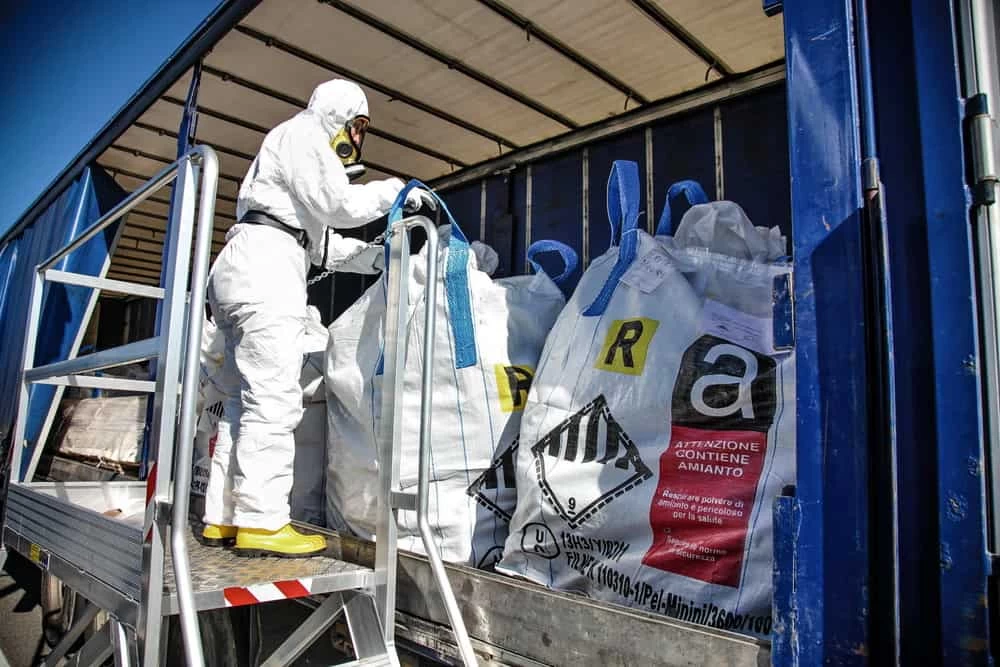
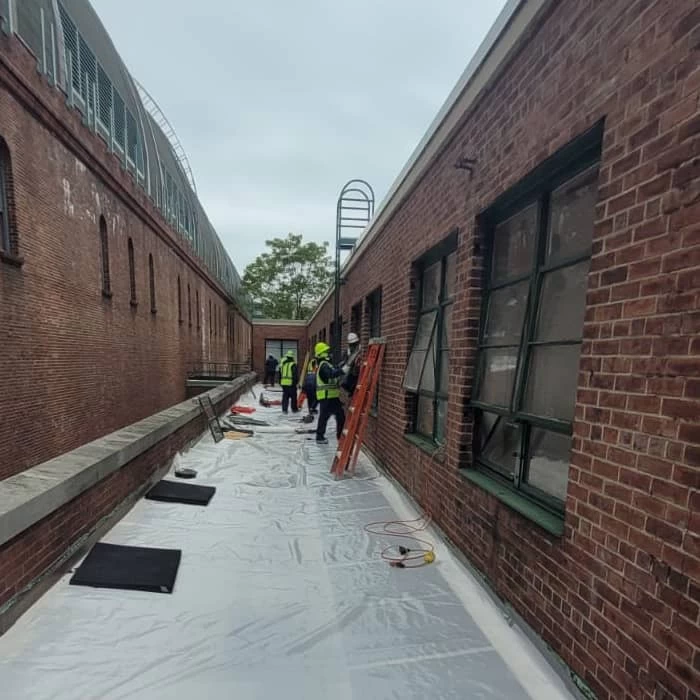
Once the assessment is complete and the permit application is submitted to the Town of Islip Building Division, abatement work begins on any hazardous materials that need to come out first. That means asbestos, lead paint, or mold removed properly, documented correctly, and disposed of in compliance with state and federal regulations. The demolition phase follows, and debris removal is included so the site is clean when we leave.
For properties near the bay or in FEMA-designated flood zones, the permit process includes a flood zone determination a specific requirement that applies to a real number of Sayville properties and one we’ve navigated before. The Town of Islip issues demolition permits with a four-month window and no renewals, so the project is planned and executed on a timeline that keeps that permit active from start to finish.
We offer residential and commercial demolition services throughout Sayville and the surrounding South Shore communities. That includes interior demolition for kitchens, bathrooms, and basements, full structural teardowns, and selective demo for additions and renovations. We perform asbestos abatement, lead paint removal, and mold remediation in-house not subcontracted which means the scope of your project doesn’t expand into a coordination problem the moment something unexpected turns up behind a wall.
For Sayville homeowners, that integrated capability matters more than it might in a newer community. A significant portion of homes here were built before 1978, and the Victorian-era properties and mid-century housing stock that make this town visually distinctive are also the most likely to carry hazardous materials that require licensed removal before demolition can legally proceed under NYS Industrial Code Rule 56 and USEPA NESHAP standards.
Commercial clients along Sayville’s downtown corridor and within the broader Town of Islip area get the same full-service approach interior buildout demo, tenant improvement teardowns, and renovation prep handled with the containment and permit compliance that occupied retail and mixed-use properties require. We’re available 24/7 for emergency response, which is a real operational detail for a coastal community where storm damage along the Great South Bay can create urgent structural situations at any hour.
Do I need an asbestos survey before starting demolition in Sayville, NY?
Yes and it’s not just a best practice, it’s a requirement. The Town of Islip demolition permit application specifically requires an asbestos survey as part of the submission. You cannot pull a demolition permit in Sayville without it. This applies to residential and commercial projects alike.
For most homes in Sayville, this step is genuinely worth taking seriously. A large portion of the local housing stock was built before 1980, which means asbestos-containing materials in insulation, floor tiles, ceiling tiles, pipe wrap, and roofing are a real possibility, not a remote one. If those materials are present and disturbed without proper abatement, you’re looking at regulatory violations, potential fines, and a project that gets shut down mid-demo. When you work with us, we handle the survey and the abatement in-house, so this step gets done correctly and doesn’t become a bottleneck that delays your permit or your start date.
How long does a demolition permit take to get approved in the Town of Islip?
Processing times at the Town of Islip Building Division vary depending on the project scope and how complete your application is when you submit it. A straightforward residential interior demolition with all required documentation asbestos survey, workers’ compensation forms, and flood zone determination if applicable typically moves faster than a more complex structural teardown that requires additional review.
What most people don’t realize is that once the permit is issued, it expires in four months with no option to renew. That’s a hard deadline. If the project isn’t completed within that window, you’re looking at starting the permit process over. That’s why scoping the project realistically before you submit matters and why working with us, since we understand the Town of Islip’s process from the start, helps you avoid the kind of delays that eat into your permit window before work even begins.
My Sayville home is near the Great South Bay does that affect the demolition permit process?
It can, yes. Properties in or near FEMA-designated flood zones and there are a real number of them along Sayville’s bayfront and in lower-lying areas near the water require a Flood Zone Determination as part of the Town of Islip demolition permit application. That document confirms whether your property falls within a regulated flood zone and, if it does, the demolition plans need to comply with FEMA regulations.
This isn’t a paperwork formality. Hurricane Sandy demonstrated clearly what coastal flooding looks like along the Great South Bay, and the Town of Islip takes flood zone compliance seriously in its permitting process. If you’re unsure whether your Sayville property is in a flood zone, that gets identified during the initial site assessment. The goal is to have everything documented correctly before the permit application goes in not to discover a missing requirement after the fact.
What's the difference between interior demolition and a full structural teardown?
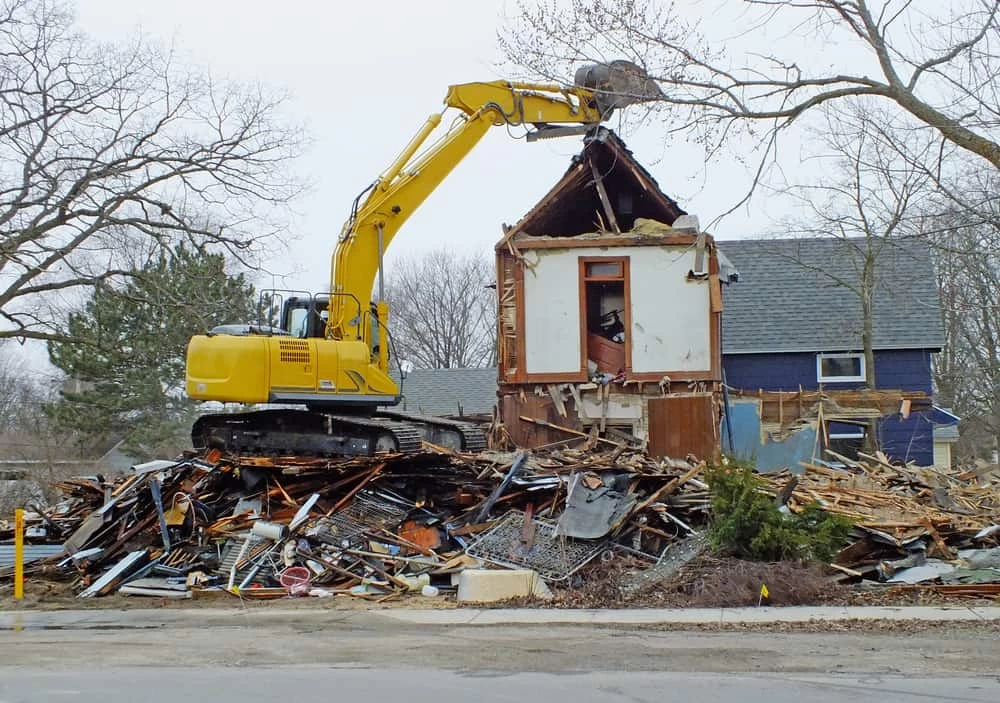
Interior demolition refers to selective removal taking out walls, ceilings, flooring, cabinetry, or fixtures within an existing structure while the building shell stays intact. This is the most common type of demolition work in Sayville, where homeowners are renovating kitchens, gutting bathrooms, finishing basements, or opening up floor plans in older Colonials and Capes.
A full structural teardown means the entire building comes down to the foundation typically for teardown-rebuild projects where the lot value and the desire for new construction outweigh the cost of renovating an existing structure. Both types of projects require a Town of Islip demolition permit, both require an asbestos survey, and both need proper utility disconnection coordination before work begins. The main difference from a planning standpoint is scope, timeline, and the level of site preparation required before the next phase of construction can start.
Can a demolition contractor help me if I'm dealing with storm or flood damage in Sayville?
Yes, and this is one of the more common calls that comes in from South Shore communities like Sayville. When a nor’easter pushes water into a basement, compromises a foundation, or leaves a structure unsafe, the demolition need is urgent not something you can schedule two weeks out. We operate 24/7 specifically because coastal communities along the Great South Bay face exactly these situations.
Beyond just showing up quickly, storm-related demolition often runs alongside an insurance claim. That means we need to document damage properly, work within the insurance company’s process, and help you move through both the physical work and the claim simultaneously. We’ve handled that coordination before, and it’s a meaningful part of what makes a storm response go smoothly instead of turning into a months-long back-and-forth between you, your insurer, and a contractor who’s never dealt with a claims process.
How much does demolition typically cost for a home in Sayville, NY?
Cost varies based on what’s being demolished, the size of the space, and what the project involves beyond the physical teardown. A straightforward interior demolition a kitchen gut or bathroom teardown in a Sayville home typically runs in the range of a few thousand dollars depending on scope. A full structural teardown of a residential property is a larger investment, often ranging from $15,000 to $30,000 or more depending on the size of the structure, site access, and debris volume.
What changes the number significantly in Sayville is the age of the home. If asbestos abatement or lead paint removal is required and in pre-1980 homes, it frequently is that work adds to the overall cost. The key is getting that identified upfront during the assessment, so the quote reflects the full scope of the project rather than delivering surprises mid-job. Permit fees, debris removal, and hazmat abatement should all be part of the initial conversation, not line items that appear after work has already started.