When the Walls Come Down, the Hazmat Has to Go Too
In South Floral Park, nearly every home was built before 1980, which means demolition without asbestos and lead paint handling isn’t just incomplete — it’s a liability. We’re the licensed demolition contractor South Floral Park homeowners call when they need it done right the first time.
I needed a professional consultation explanation of procedure for safe removal of Asbestos in my apartment complex. Without having an account yet, I was very impressed with the caring, knowledgeable and generous advice offered by Jessica, and will look forward to doing business in the future. Thank you so much! I feel much more informed about a sometimes scary endeavor. Peace. Nancy Silva Mineola, NY.
Mia Munoz
Used this company to clean up some water flood in my house. They were fast and easy to work with.very professional, Would recommend to anyone!
Nini Valle
Great company, had a flood and they responded quickly and efficiently. Billed my insurance company directly. I highly recommend this company!
joe colapietro, jr
I had pipe freeze in my basement right before a snow storm and they made to within an hour to help start the clean up process. They we by our side throughout the entire process and even helped with the insurance company. They did such a great job with the cleanup, repair, remidiation, I contracted them to perform the repairs and finishes in the basement. They came with enough manpower and material to get the job done. Leo and Jessica were nothing but a pleasure to deal with!!
Cristian Arredondo c
I had some water damage in my home and Green Island was able to take care of my issue quickly and effectively. I am very pleased with the work they did. They responded quickly and were very professional.
Michael M
Outstanding service! From the office to the field crew everyone was friendly, helpful and responsive. I highly recommend Green Island Group.
Most homeowners in South Floral Park aren’t just planning a renovation — they’re opening up walls in homes that are 60 to 80 years old. That means asbestos floor tiles, lead paint, and materials that were standard practice when your house was built. When you hire a contractor who can only do the demo, you end up coordinating a second company for the hazmat removal, managing two schedules, and hoping nothing falls through the gap. That gap is where projects stall, costs climb, and liability lands on you.
We handle demolition and hazardous materials abatement under one license and one contract. You get a single point of contact from the initial assessment through final clearance — no handoffs, no scheduling conflicts, no wondering who’s responsible for what. For a homeowner in a pre-1980 Cape Cod or ranch house in South Floral Park, that kind of continuity isn’t a luxury. It’s what keeps the project moving and keeps you protected.
The village’s density adds another layer most contractors don’t think about. With homes packed tightly along streets like Arthur Avenue and Roquette Avenue, your demo project is never far from a neighbor’s window. Proper containment during abatement, clean job site management, and careful equipment staging aren’t optional here — they’re the baseline for doing this work responsibly in a community this close-quarters.
Licensed Demolition Contractors Serving South Floral Park
One License. One Team. No Gaps in the Work.
Green Island Group is a full-service environmental contracting and demolition firm serving Long Island and the greater New York City metro area. What sets us apart in a market like Nassau County is straightforward: the ability to handle demolition and hazardous materials abatement — asbestos removal, lead paint mitigation, mold remediation — under a single contractor license. Most demolition contractors can’t legally touch asbestos. We hold the NYS Department of Labor Asbestos Handling Contractor License that makes it legal, compliant, and documented.
We’ve been serving South Floral Park and the surrounding Elmont and Floral Park area long enough to know what’s behind the walls of a 1950s home in this part of the island. That experience matters when a project hits something unexpected — and in a village where the housing stock is this age, unexpected is pretty much the norm.
It starts before anyone swings a tool. Because South Floral Park is an incorporated village, demolition permits come from the village directly — through Village Hall at 383 Roquette Avenue — not from Nassau County or the Town of Hempstead. We handle that permit process in our name as the licensed contractor of record. You don’t have to figure out which office to call or what paperwork is required. That gets handled upfront, before anything else moves.
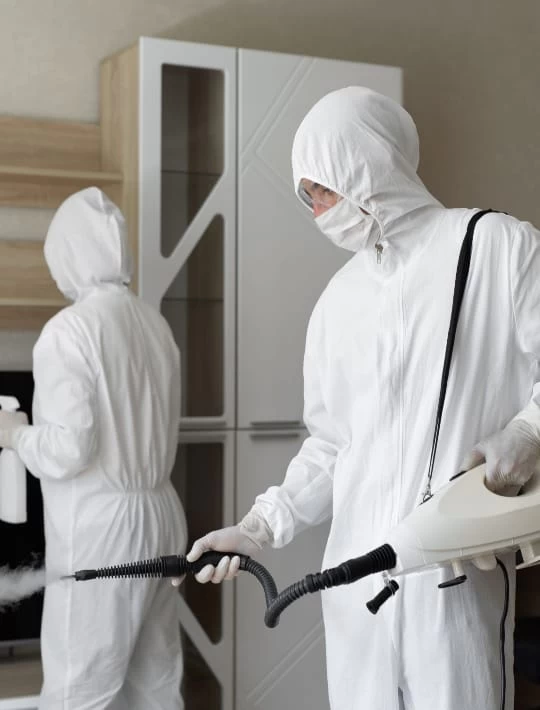
From there, every project in a pre-1980 home begins with a mandatory asbestos survey, as required under NYS Industrial Code Rule 56. A certified inspector assesses the materials that will be disturbed — floor tiles, ceiling texture, pipe insulation, joint compound, whatever is relevant to your specific scope. If hazardous materials are present, abatement happens first, under proper containment and negative air pressure, before any demolition begins. That sequence is not optional under New York State law, and it’s the step that protects you, your neighbors, and the workers on site.
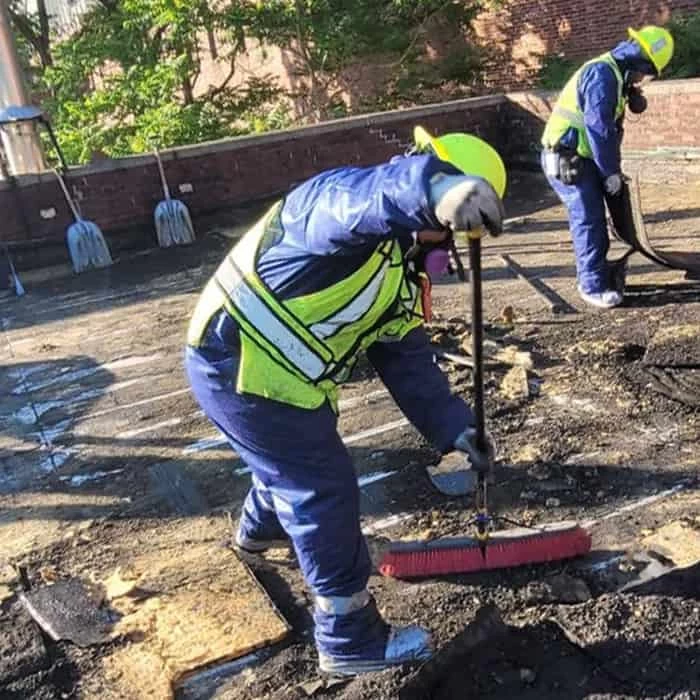
Once the hazmat work is cleared and documented, demolition proceeds according to the written scope. Debris is managed and removed throughout the project, not left to accumulate. When the work is complete, you receive disposal manifests, clearance testing certificates, and permit sign-offs — the full paper trail that protects you when you refinance, sell, or simply want to know the job was done correctly.
Demolition and Abatement Services, South Floral Park NY
What's Actually Included When We Show Up
Demolition in South Floral Park almost always involves more than just tearing things out. The homes here — built primarily in the 1940s, 50s, and 60s — are the exact age range where asbestos-containing materials were standard in floor tiles, popcorn ceilings, pipe insulation, roofing, and siding. Lead paint is present in the majority of homes built before 1978, which covers virtually every house in the village. Our scope accounts for all of it: pre-demolition environmental assessment, licensed asbestos abatement, EPA RRP-compliant lead paint handling, interior and structural demolition, debris removal, and post-project clearance testing.
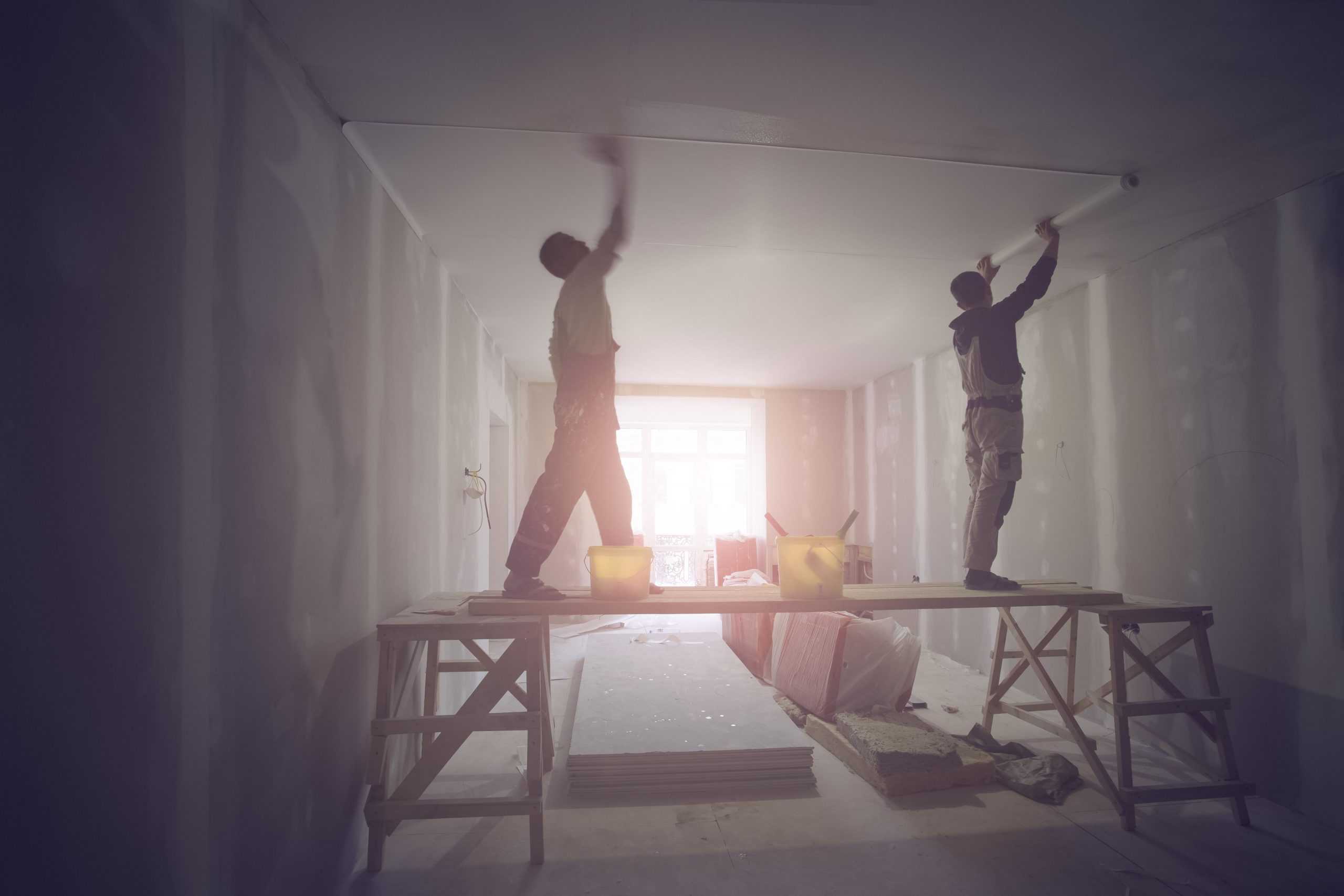
For homeowners planning gut renovations — kitchens, bathrooms, basements, full interior teardowns — we manage the process as a single, continuous project. There’s no point where you’re handed off to a subcontractor or asked to bring in another company. Everything from the hazmat survey through the final clean sweep is handled in-house. That’s especially relevant in a village as compact as South Floral Park, where the work area is often tight, access is limited, and the margin for disruption to neighboring properties is narrow.
We also respond to emergency demolition needs — storm damage, water intrusion, fire damage — which matters in a Nassau County community that sits in Long Island’s coastal weather exposure zone. When a nor’easter or heavy rain event drives water into an older home, the demolition of water-damaged materials needs to happen fast. We’re equipped to move quickly and handle the environmental side at the same time.
Do I need a permit for demolition work in South Floral Park, NY?
Yes, and the permit process in South Floral Park is specific to the village — it doesn’t go through Nassau County or the Town of Hempstead. South Floral Park is an incorporated village that administers its own building permits through Village Hall at 383 Roquette Avenue. Under the village’s building code, it’s unlawful to begin any demolition or alteration work on a structure without a duly issued permit in place. That means the application has to be submitted, reviewed, and approved before work starts.
When you hire us, the permit is pulled in our name as the licensed contractor of record. You don’t have to navigate that process yourself or figure out what documentation the village requires. It gets handled as part of the project setup, so by the time the crew arrives, everything is already in order. This also protects you at resale — permitted work, done by a licensed contractor, is documented and defensible. Unpermitted work in a village with its own active building department is a problem that tends to surface at the worst possible time.
How do I know if my South Floral Park home has asbestos before demolition?
The honest answer is: if your home was built before 1980, you should assume it does until a certified inspector tells you otherwise. South Floral Park’s housing stock was built almost entirely during the 1940s through 1960s — the exact window when asbestos was a standard ingredient in floor tiles, ceiling texture, pipe insulation, joint compound, roofing felt, and siding materials. The 9×9 inch vinyl floor tiles found in countless basements and kitchens from that era are almost universally asbestos-containing.
Under NYS Industrial Code Rule 56, a mandatory asbestos survey by a certified inspector is required before any renovation or demolition that will disturb building materials in a structure of relevant age. This isn’t something you can skip or work around — it’s a legal requirement, and a contractor who tells you otherwise is putting you at risk. We perform that assessment in-house, so the survey, the abatement (if needed), and the demolition are all handled by the same licensed team. You get a clear picture of what’s there before anything is disturbed, and a documented record of how it was handled.
What's the difference between a demolition contractor and a general contractor for this work?
A general contractor manages construction projects — framing, finishing, coordinating trades. A demolition contractor specializes in the removal side: tearing out structures, clearing materials, and preparing a space for what comes next. In a village like South Floral Park, where the housing stock is 60 to 80 years old, that distinction matters more than it would in a newer suburb, because demolition here almost always runs into hazardous materials that require a separate, state-issued credential to legally handle.
Most general contractors are not licensed asbestos handling contractors. When they encounter asbestos mid-project — and in South Floral Park, they will — they have to stop, bring in a licensed abatement firm, and wait. That creates delays, coordination gaps, and a situation where two different companies are responsible for overlapping scopes of work. We hold the NYS DOL Asbestos Handling Contractor License and perform demolition and abatement under one contract. The scope doesn’t get split. The timeline doesn’t get handed off. And the documentation at the end covers the entire job, not just one piece of it.
How long does a residential demolition project typically take in South Floral Park?
It depends on the scope, but for a typical interior demolition in a South Floral Park home — a kitchen gut, a basement teardown, or a full-floor renovation — the timeline usually runs anywhere from a few days to a couple of weeks when hazardous materials are involved. The asbestos survey has to happen first, and if abatement is required, that work needs to be completed and cleared before demolition begins. That sequence adds time, but it’s not optional under New York State law, and skipping it creates liability that outlasts the project.
Permitting through the Village of South Floral Park also factors into the timeline. The village administers its own permit process, and the application needs to be submitted and approved before work starts. We handle that upfront as part of project setup, which helps avoid delays once the crew is scheduled. If you’re planning a renovation with a specific target date — a contractor start date, a real estate closing, a seasonal window — it’s worth getting the assessment and permitting process started as early as possible, because those steps set the pace for everything that follows.
What happens if asbestos or lead paint is found during demolition in my home?
Work stops on that area until the hazardous material is properly handled — that’s the law, and it’s also the right call for everyone on site and in the surrounding homes. In South Floral Park, where homes are close together and neighbors are nearby, the stakes of improper asbestos disturbance aren’t limited to your property. Airborne asbestos fibers don’t stop at the property line. Proper negative air pressure containment during abatement is what keeps the work from becoming a neighborhood issue.
When we identify asbestos or lead paint during a project, the abatement is handled in-house by the same licensed team — no outside firm, no scheduling delay waiting for a third party. The affected area is contained, the materials are removed following NYS ICR 56 protocols, and a clearance test is performed before demolition continues. You receive the disposal manifests and clearance documentation as part of your project file. For a homeowner in a pre-1980 house in Nassau County, that paper trail is genuinely valuable — it’s the proof that the work was done legally and correctly, which matters when you sell, refinance, or pull a future permit.
Does Green Island Group handle emergency demolition after storm or water damage in South Floral Park?
Yes. Long Island sits in a coastal weather exposure zone, and western Nassau County communities like South Floral Park see nor’easters, heavy rain events, and tropical storm remnants that can push water into older homes fast. When that happens in a house built in the 1950s or 60s, the water-damaged materials — drywall, flooring, insulation, subflooring — often contain the same hazardous materials as any other demolition project. The emergency doesn’t change what’s in the walls.
We respond to storm damage, water intrusion, and fire damage situations and handle the demolition and environmental abatement as a single, continuous response. You don’t have to find a demolition contractor and a separate remediation company while water is still sitting in your basement. The team is equipped to assess, contain, and remove damaged materials quickly — and because the hazmat handling is in-house, there’s no waiting for a second crew to show up before the real work can begin. In a close-knit village where mold can develop within 24 to 48 hours of a water event, that response speed is what separates a manageable situation from a much larger problem.