Southampton Teardowns Done Without the Regulatory Headaches
From pre-1941 historic structures to oceanfront flood-zone properties, demolition in Southampton comes with layers most contractors aren’t prepared for. We are.
I needed a professional consultation explanation of procedure for safe removal of Asbestos in my apartment complex. Without having an account yet, I was very impressed with the caring, knowledgeable and generous advice offered by Jessica, and will look forward to doing business in the future. Thank you so much! I feel much more informed about a sometimes scary endeavor. Peace. Nancy Silva Mineola, NY.
Mia Munoz
Used this company to clean up some water flood in my house. They were fast and easy to work with.very professional, Would recommend to anyone!
Nini Valle
Great company, had a flood and they responded quickly and efficiently. Billed my insurance company directly. I highly recommend this company!
joe colapietro, jr
I had pipe freeze in my basement right before a snow storm and they made to within an hour to help start the clean up process. They we by our side throughout the entire process and even helped with the insurance company. They did such a great job with the cleanup, repair, remidiation, I contracted them to perform the repairs and finishes in the basement. They came with enough manpower and material to get the job done. Leo and Jessica were nothing but a pleasure to deal with!!
Cristian Arredondo c
I had some water damage in my home and Green Island was able to take care of my issue quickly and effectively. I am very pleased with the work they did. They responded quickly and were very professional.
Michael M
Outstanding service! From the office to the field crew everyone was friendly, helpful and responsive. I highly recommend Green Island Group.
What Actually Changes When the Right Crew Shows Up
Southampton isn’t a typical demolition market. You’re dealing with some of the most valuable residential real estate in New York State properties where a missed permit, an undisclosed asbestos condition, or a contractor who doesn’t understand the Town’s historic structure review process can turn a straightforward teardown into a legal and financial problem worth far more than the demo itself.
When you hire a demolition contractor who actually knows Southampton’s market, the project moves on a real timeline. The Town of Southampton’s multi-step permit process including the separate Debris Permit required from the Highway Department in Hampton Bays gets handled before work starts, not discovered mid-project. If your structure was built before 1941, the Historic Landmark Committee review gets built into the schedule from day one, not treated as a surprise 45-day delay.
Southampton’s coastal geography adds another layer that inland contractors simply aren’t equipped for. A significant portion of properties here fall within FEMA Special Flood Hazard Areas, and many sit on the Town’s wetlands inventory both of which require additional permits before any demolition work can legally begin. Getting those right the first time is what keeps your project moving and your property protected.
Experienced Demolition Specialists Southampton, NY
12 Years, 5,000 Projects, Zero Shortcuts
We’re a full-service demolition and environmental remediation contractor based in Bohemia, NY centrally located in Suffolk County and actively serving Southampton and the East End, including Southampton Village, Hampton Bays, Water Mill, Bridgehampton, and the surrounding hamlets. We’ve been doing this for over 12 years and have completed more than 5,000 projects across Long Island and New York City.
What separates us in a market like Southampton isn’t just experience it’s scope. Most demolition crews can knock down a structure. Far fewer can handle the asbestos abatement, lead paint removal, wetlands compliance, and coastal flood zone permitting that Southampton’s building stock routinely requires. We do all of it in-house, under active NYS Department of Labor certification, so your project doesn’t stall because a subcontractor isn’t available or a hazmat condition wasn’t anticipated.
We’re also MWBE-certified and carry the $2 million-plus general liability insurance with Demolition Coverage that the Town of Southampton specifically requires not just standard contractor insurance, but the right coverage, documented correctly.
How a Southampton Demolition Project Actually Runs
It starts with a site assessment. Before anything else, we walk the property and evaluate what’s there the structure’s age, its condition, its location relative to flood zones or wetlands, and any visible indicators of asbestos or lead paint. For a lot of Southampton’s older homes, especially in the historic village core and along the waterfront, that assessment shapes everything that follows.
From there, we handle the permitting. That means the demolition permit application to the Department of Land Management at 116 Hampton Road, the separate Debris Permit from the Highway Department at 20 Jackson Avenue in Hampton Bays, and where applicable the Wetlands Permit or Letter of Non-Jurisdiction from the Town’s Environment Division. If your structure was built before 1941 or sits in a historically designated area, we coordinate the Historic Landmark Committee submission and account for the review window in your project timeline. You don’t chase paperwork. We do.
Once permits are in hand, we execute the work demolition, hazmat abatement if required, debris removal, and site preparation. If you’re planning to build new, we leave the site ready for your next contractor to move in. The whole process is managed under one roof, with one point of contact, and no handoffs to separate abatement or hauling companies.
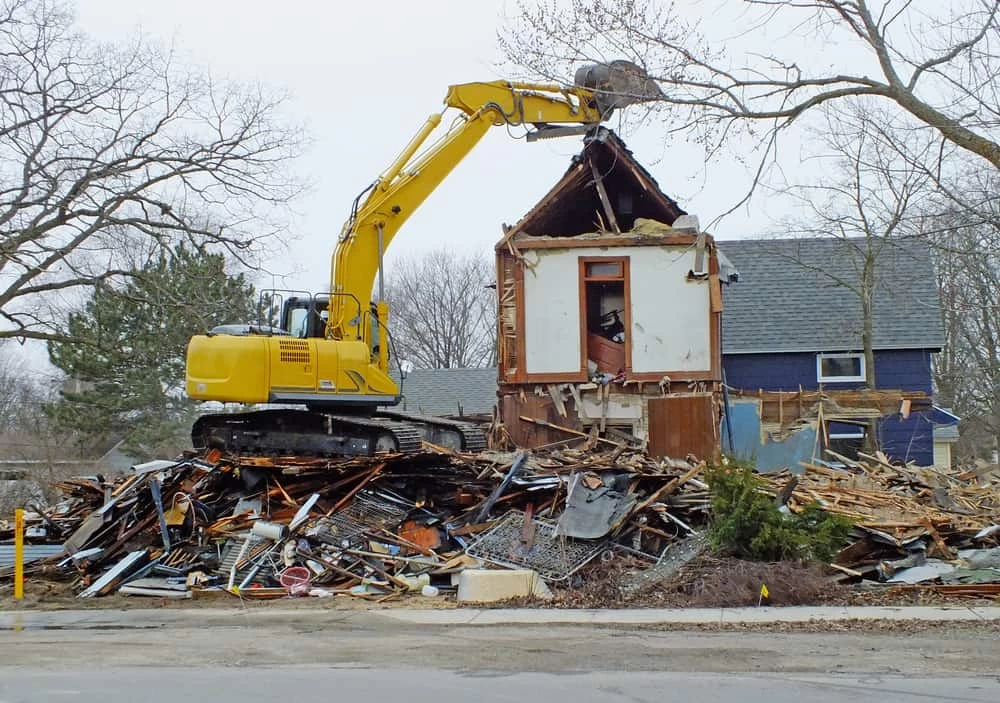
We handle the complete range of demolition work in Southampton whole-house teardowns, selective interior demolition for renovation projects, commercial demolition along Route 27 and in Southampton Village, and emergency structural demolition after storm or flood events. Southampton’s coastal exposure to nor’easters and tropical storm remnants makes that last category more than a footnote. We operate 24/7 and have documented emergency response times under one hour, because when a Hampton Bays structure takes on storm surge damage or a Water Mill property sustains roof collapse in a nor’easter, waiting until Monday morning isn’t an option.
For commercial projects, we understand that Southampton requires Planning Board approval with an approved site plan and resolution before a demolition permit is issued and we manage that coordination as part of the scope, not as an add-on you figure out later.
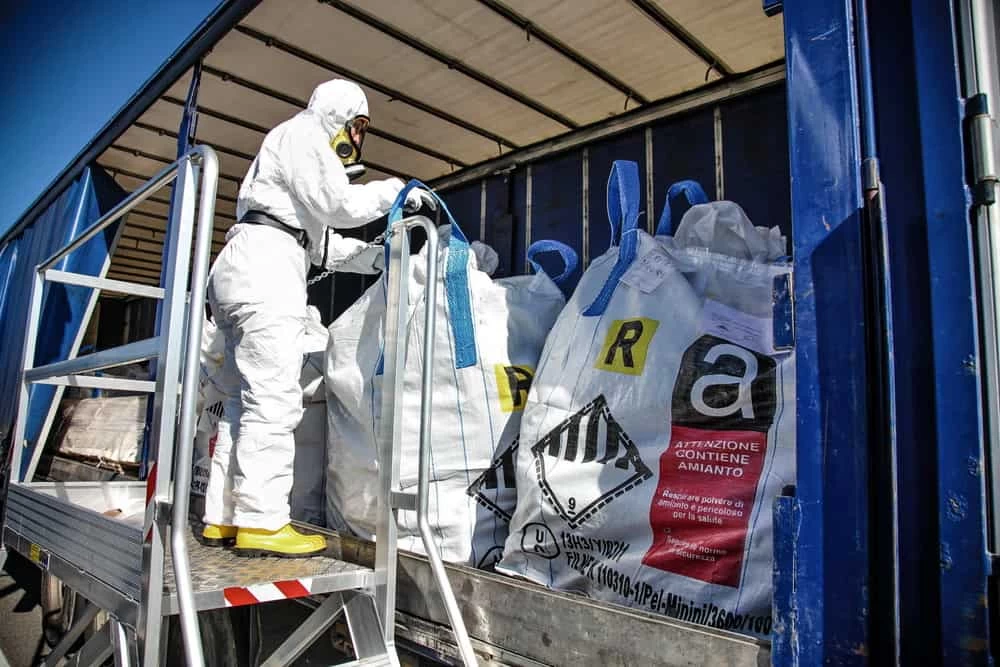
Every project includes pre-demolition environmental screening. Given that roughly 18% of Southampton’s homes were built before 1940 with significant additional construction through the 1970s asbestos and lead paint are realistic conditions on a large share of the teardown projects in this market. We hold active NYS DOL asbestos contractor certification and handle abatement in-house, which means no mid-project work stoppages and no scrambling to find a separate abatement company while your timeline slips.
Does my demolition contractor need to be licensed with the Town of Southampton?
Yes and this is one of the requirements that catches people off guard. The Town of Southampton’s whole-house demolition permit application explicitly states that the contractor must be licensed with the Town of Southampton. This isn’t a general Suffolk County contractor license; it’s a Town-specific requirement. Not every demolition company operating on Long Island holds this credential, which is worth confirming before you sign anything.
Beyond the contractor license, the Town also requires specific Workers’ Compensation, Disability, and Paid Family Leave documentation and ACORD forms are not accepted. The insurance certificate must specifically indicate Demolition Coverage and reference the location where the demolition will take place. These are details that matter at the permit counter, and missing them delays your project.
Do I need more than one permit to demolish a house in Southampton, NY?
For a whole-house demolition in Southampton, you need at least two separate permits and depending on your property, potentially more. The primary demolition permit is filed with the Department of Land Management, Building and Zoning Division at 116 Hampton Road. But you also need a Debris Permit from the Highway Department, which is located at a completely separate office at 20 Jackson Avenue in Hampton Bays. That’s a step a lot of out-of-area contractors miss entirely.
If your property is on the Town’s wetlands inventory which applies to a meaningful number of Southampton properties given the coastal geography you’ll also need a Wetlands Permit or Letter of Non-Jurisdiction from the Environment Division before work can begin. For commercial demolitions, Planning Board approval with an approved site plan is required on top of everything else. The permit process in Southampton is more layered than most Long Island towns, and understanding it upfront is what keeps your project on schedule.
My Southampton home was built before 1941 does that affect the demolition process?
It does, in a few important ways. The Town of Southampton requires that any structure built before 1941, or located within a historically designated area, be referred to the Historical Landmark Committee and Historic District Board for review before a demolition permit can be issued. The board has up to 45 days from receipt of a complete application to render its report. This requirement has been in place since January 2018, and it’s a real timeline factor not something you can work around by submitting paperwork late.
Beyond the historic review, pre-1941 structures in Southampton are also the most likely to contain asbestos in insulation, floor tiles, roofing materials, pipe wrap, and textured ceiling coatings. A pre-demolition asbestos survey is standard practice on any project involving a structure of this age, and in New York State, abatement must be performed by a contractor holding active NYS DOL asbestos certification before demolition work begins. We handle both the historic review coordination and the asbestos abatement in-house, so these requirements are built into your project plan rather than discovered after the fact.
What does demolition cost for a house in Southampton, NY?
The honest answer is that it depends on several factors that are particularly variable in Southampton’s market the size and construction type of the structure, whether asbestos or lead paint abatement is required, the property’s location relative to flood zones or wetlands, and the permit fees involved. Within the incorporated Village of Southampton, demolition permit fees are set at $200 per 100 square feet for both residential and commercial projects, which adds up on larger estate homes.
For a standard residential teardown in Southampton, you’re typically looking at a range that reflects the complexity of the local regulatory environment permit coordination, debris hauling, and any required hazmat abatement are all part of the real cost picture. The best way to get an accurate number is a site visit and a detailed scope review before any quote is generated. What you want to avoid is a low initial number that doesn’t account for the asbestos survey, the wetlands permit, or the debris permit costs that are real and required, regardless of who’s doing the work.
Does my property need an asbestos inspection before demolition in Southampton?
Under New York State and federal EPA NESHAP regulations, a thorough asbestos inspection is required before any demolition or renovation that disturbs building materials in a structure that may contain asbestos. In practice, this applies to virtually any structure built before 1980 and in Southampton, that covers a significant share of the housing stock, particularly in the historic village cores of Southampton Village, Water Mill, and Bridgehampton.
If asbestos-containing materials are found, they must be removed by a contractor holding active NYS DOL asbestos abatement certification before demolition work begins. This isn’t optional, and it’s not something that can be done concurrently with demolition. Skipping this step or hiring a contractor who isn’t certified to handle it creates regulatory exposure and can result in stop-work orders, fines, and liability that far outweigh the cost of doing it right. We handle the inspection coordination and abatement in-house, so there’s no gap between the survey finding and the remediation.
Can you handle emergency demolition in Southampton after storm damage?
Yes and given Southampton’s coastal exposure, this comes up more than people expect. The Town of Southampton is a named partner in a federal coastal storm risk management project precisely because nor’easters, tropical storm remnants, and storm surge events cause recurring structural damage here, particularly in Hampton Bays, Westhampton, and the oceanfront areas along the Atlantic. When a structure is compromised whether from flooding, wave action, or wind damage waiting days for a contractor to become available isn’t realistic.
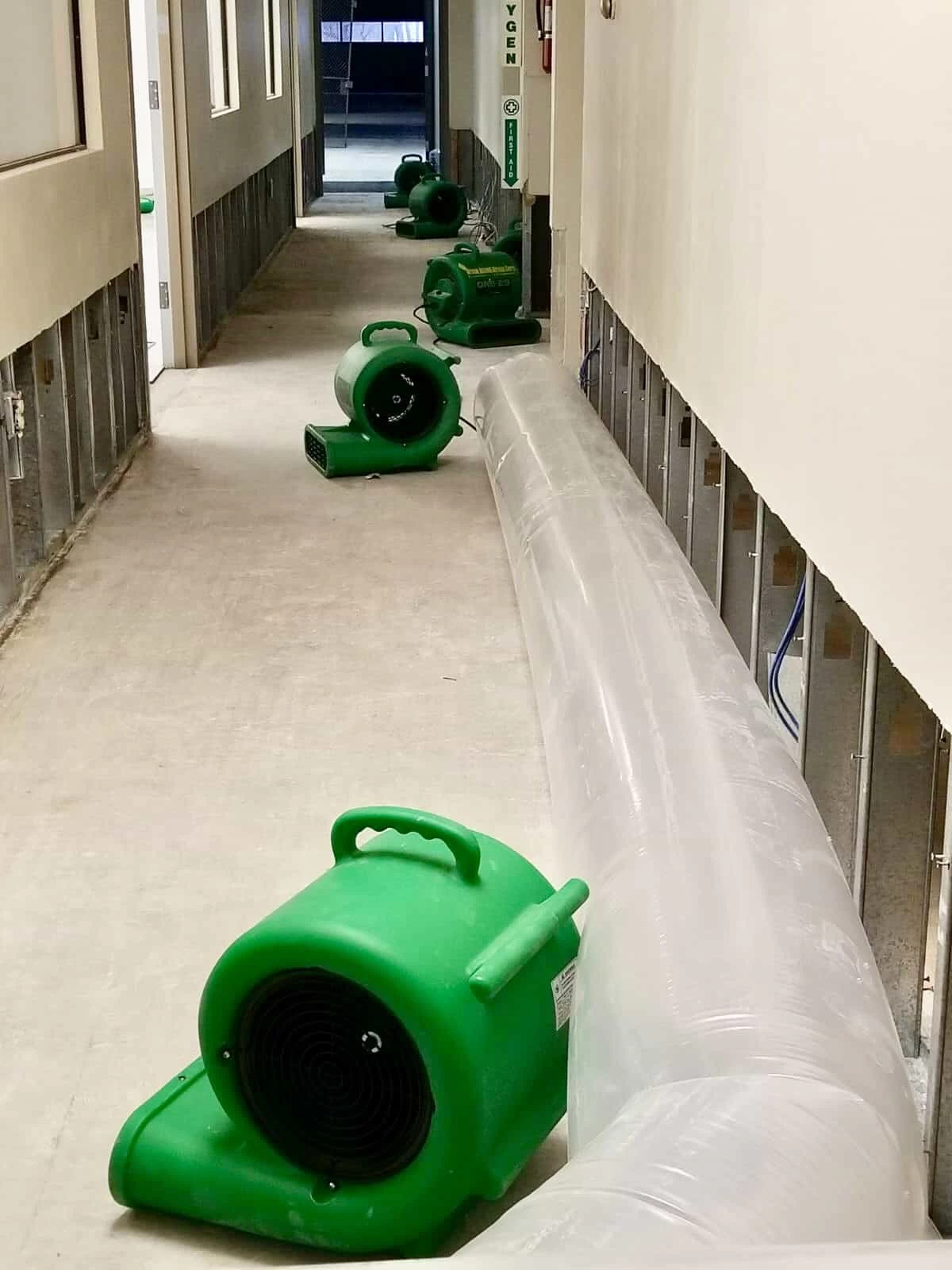
We operate 24/7 with emergency response times documented at under one hour. We handle structural demolition, flood-damaged interior removal, and site stabilization as part of emergency response work. We’re also familiar with the FEMA flood zone requirements that apply to many Southampton properties including the substantial damage threshold that can trigger a full demolition and elevated rebuild requirement under National Flood Insurance Program rules. If you’re dealing with an insurance claim alongside the physical damage, we can document the work in a way that supports that process.