Demolition Contractor in Stony Brook University, NY
When the Building Is from the '60s, You Need More Than a Wrecking Crew
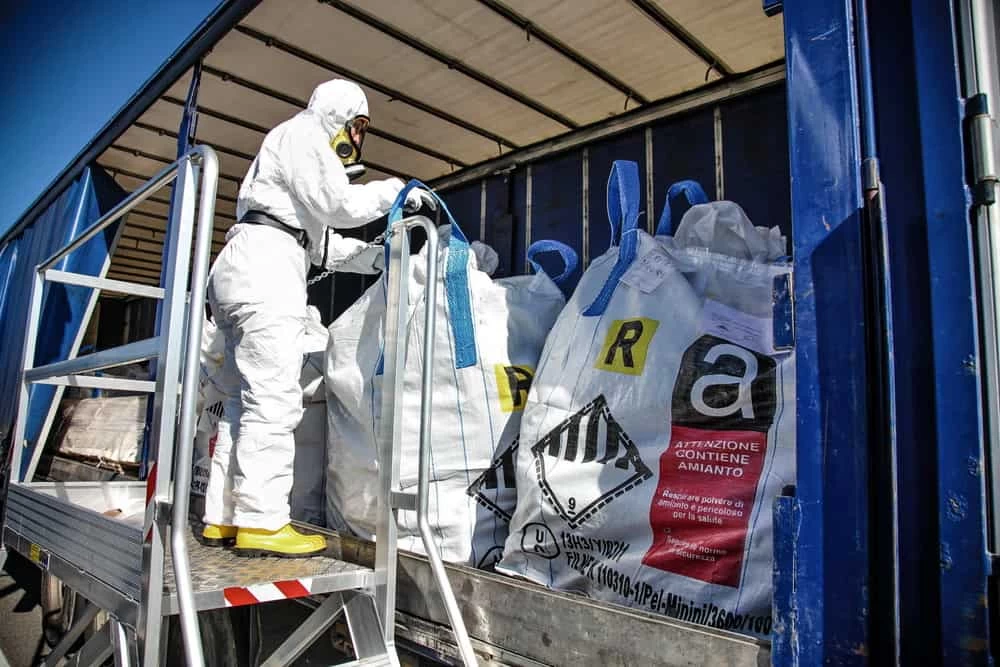
Most of the structures around Stony Brook University were built before asbestos was banned and that changes everything about how demolition needs to be handled. We manage the full scope: hazmat assessment, abatement, demolition, and cleanup, without handing you off to a second contractor mid-project.
I needed a professional consultation explanation of procedure for safe removal of Asbestos in my apartment complex. Without having an account yet, I was very impressed with the caring, knowledgeable and generous advice offered by Jessica, and will look forward to doing business in the future. Thank you so much! I feel much more informed about a sometimes scary endeavor. Peace. Nancy Silva Mineola, NY.
Mia Munoz
Used this company to clean up some water flood in my house. They were fast and easy to work with.very professional, Would recommend to anyone!
Nini Valle
Great company, had a flood and they responded quickly and efficiently. Billed my insurance company directly. I highly recommend this company!
joe colapietro, jr
I had pipe freeze in my basement right before a snow storm and they made to within an hour to help start the clean up process. They we by our side throughout the entire process and even helped with the insurance company. They did such a great job with the cleanup, repair, remidiation, I contracted them to perform the repairs and finishes in the basement. They came with enough manpower and material to get the job done. Leo and Jessica were nothing but a pleasure to deal with!!
Cristian Arredondo c
I had some water damage in my home and Green Island was able to take care of my issue quickly and effectively. I am very pleased with the work they did. They responded quickly and were very professional.
Michael M
Outstanding service! From the office to the field crew everyone was friendly, helpful and responsive. I highly recommend Green Island Group.
The Stony Brook University area has a building stock problem that most property owners don’t realize until they’re already mid-demo. The campus itself was built largely in the 1960s and ’70s, and the surrounding Three Village communities Stony Brook hamlet, East Setauket, Setauket developed in the same era. That means pre-1980 construction is the norm here, not the exception. And under New York State Industrial Code Rule 56, that triggers mandatory asbestos testing before any demolition permit can be issued through the Town of Brookhaven.
When a contractor shows up without the credentials to handle what they find inside those walls, work stops. A second company has to be called. Your timeline falls apart, and costs spike in ways nobody budgeted for. We prevent that scenario by handling both demolition and abatement in-house.
Beyond the asbestos question, this area has a real weather exposure problem. The August 2023 flash flooding that hit Stony Brook University hard enough to cancel student move-in and bring Governor Hochul out to survey the damage wasn’t a fluke it’s part of a documented pattern. Nor’easters, heavy rainfall events, and storm surge create emergency demolition and water damage situations that require a contractor who can actually respond when it matters, not schedule you for next week.
Demolition Specialists Serving Stony Brook University, NY
Suffolk County Based, Not a Lead Form with a Texas Phone Number
We’re headquartered in Bohemia, NY right here in Suffolk County, within practical range of Stony Brook University and the surrounding Three Village communities. Our team knows Nicolls Road, Route 25A, and the Town of Brookhaven’s permitting process because we work in this county every day. When you call, you reach a real local operation, not a national directory routing your inquiry to whoever picks up.
With over 12 years in business, 5,000+ completed projects across Long Island and New York City, and more than 340 demolition projects in New York City alone, we’ve seen what happens when asbestos shows up mid-project, when permits stall, and when storm damage needs an immediate response. We’ve handled it before and we know how to keep your project moving.
We hold active NYS Department of Labor asbestos certifications, carry $2M+ in general liability insurance, and are MWBE certified a credential that matters for anyone working with SUNY-affiliated entities or state-funded projects in the Brookhaven area.
Residential and Commercial Demolition Contractors Near You
From Permit Filing to Final Cleanup Here's What to Expect
It starts with a site assessment. Before anything gets torn down, we evaluate the structure, identify any hazardous materials asbestos, lead paint, mold and determine exactly what the project requires. In the Stony Brook University area, where pre-1980 construction is common across both the campus and surrounding residential communities, this step isn’t optional. It’s what the Town of Brookhaven’s building department requires before issuing a demolition permit, and it’s what keeps your project legally compliant from day one.
Once the assessment is complete, we handle the permit process. That means filing with the Town of Brookhaven Building Department, managing the NYS Industrial Code Rule 56 asbestos compliance documentation, and coordinating with Suffolk County requirements as needed. You don’t have to learn a new permitting system or chase down paperwork we handle that.
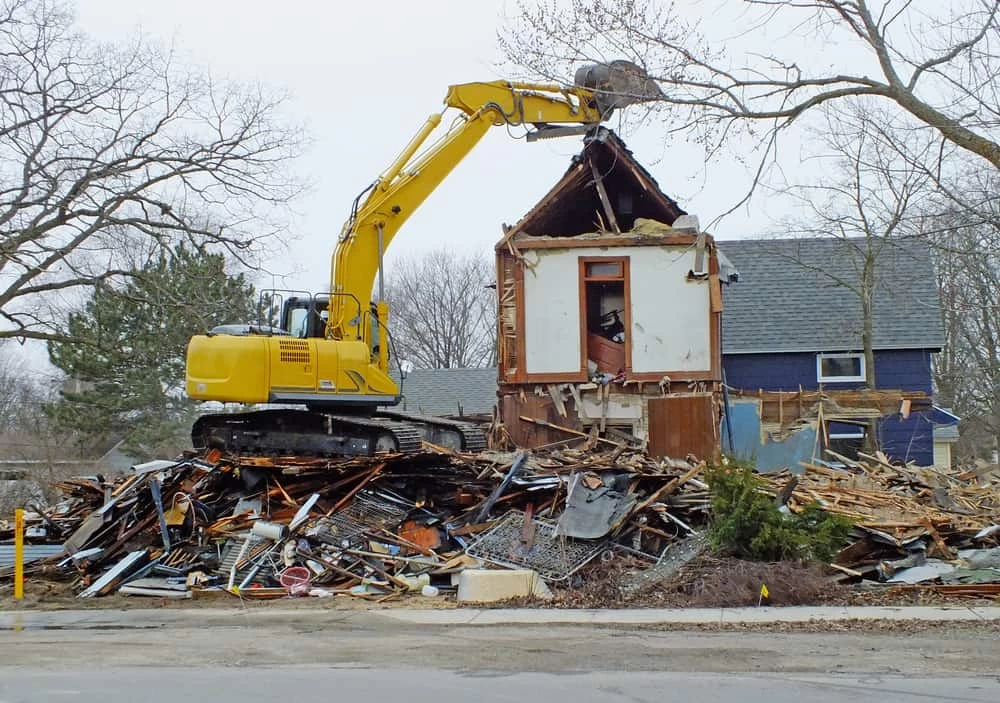
Then the actual work begins. If abatement is required, we do it first, under the same contract. Demolition follows, and debris removal and site cleanup are included in the scope. The goal at the end is a clean, cleared site that’s ready for whatever comes next whether that’s a renovation, a rebuild, or a sale. No handoffs, no gaps, no second contractor to coordinate.
Commercial and Residential Demolition Services, Stony Brook NY
The Full Scope, Under One Contractor, One Contract
We handle residential demolition, commercial demolition, interior teardowns, selective demo, and full structure removal along with the asbestos abatement, lead paint removal, and mold remediation that often come with the territory in this area. For homeowners in the Three Village communities dealing with mid-century housing stock, that integrated capability is the difference between a project that runs smoothly and one that stalls the moment something unexpected turns up behind the drywall.
For commercial clients whether you’re managing office space near Stony Brook University Hospital, running a tech incubator in the R&D Park, or overseeing an investment property near campus the scope is the same. One point of contact, one timeline, one invoice. We’re experienced with large-scale interior demolition, lab space conversions, and multi-phase commercial projects that require coordination with institutional stakeholders and strict compliance documentation.
Emergency response is also part of what we offer and in this area, that’s not a minor footnote. The North Shore’s documented vulnerability to flash flooding and nor’easter damage means that storm-triggered demolition and remediation calls happen here regularly. We’re available 24/7, with a track record of on-site response times under an hour. If you’re also navigating an insurance claim alongside the physical damage, we’ve done that before too working directly with carriers so you’re not managing two battles at once.
Do I need a demolition permit in Stony Brook University, NY before starting work?
Yes any demolition work in the Stony Brook University area requires a permit through the Town of Brookhaven Building Department. This applies to full structure removals, interior teardowns, and most structural modifications. The permit process also requires documentation showing that the property has been assessed for asbestos and other hazardous materials before approval is granted, which is a state requirement under NYS Industrial Code Rule 56.
This is especially relevant in this area because the surrounding communities Stony Brook hamlet, East Setauket, Setauket have significant housing stock from the 1960s and ’70s. Pre-1980 construction automatically triggers the asbestos assessment requirement. If your contractor isn’t certified to handle that assessment and any necessary abatement, your permit application is incomplete before it even gets submitted. We manage the full permit process, including all required hazmat documentation, so nothing stalls at the filing stage.
What does asbestos testing actually involve, and how long does it take?
Asbestos testing involves collecting samples from materials in the structure that are likely to contain asbestos things like floor tiles, ceiling tiles, pipe insulation, drywall joint compound, and roofing materials. Those samples are sent to a certified lab for analysis. Depending on the lab turnaround and the size of the property, the full testing process typically takes a few days to about a week.
In New York, the contractor performing the testing and any subsequent abatement must hold a valid NYS Department of Labor asbestos contractor license under Industrial Code Rule 56. There are nine distinct license categories under that rule, and the right one depends on the type and scope of work involved. A contractor who says they’re “licensed” without specifying which license they hold may not be qualified for your specific project. We hold the applicable NYS DOL certifications and can walk you through exactly what’s required based on your property’s construction date and the scope of your demolition plan.
How much does interior demolition typically cost for a home near Stony Brook University?
Interior demolition costs vary based on the size of the space, what’s being removed, and whether hazardous materials are present. For a standard residential interior teardown in the Three Village area gutting a kitchen, removing walls, or clearing out a basement costs generally range from a few thousand dollars on the lower end to $15,000 or more for larger, more complex scopes. If asbestos abatement is required, that adds to the total, but it’s a required step regardless of who you hire, so it’s worth factoring in from the start.
What tends to drive costs up unexpectedly is discovering hazardous materials mid-project when the contractor isn’t equipped to handle them. That’s when work stops, a second company has to be brought in, and the original timeline and budget go out the window. When the assessment, abatement, and demolition are handled by one contractor under a single contract which is how we operate you get a more accurate upfront estimate and far fewer surprises once the work is underway.
Can a demolition contractor in Stony Brook, NY help with storm or flood damage?
Yes and in this area, it’s one of the more common reasons people call. The Stony Brook University area has a documented history of severe weather events, including the August 2023 flash flooding that caused widespread damage across Suffolk County and prompted the university to cancel student move-in. Nor’easters and heavy rainfall events create situations where structures are compromised, water damage has set in, and demolition is required as part of the remediation process.
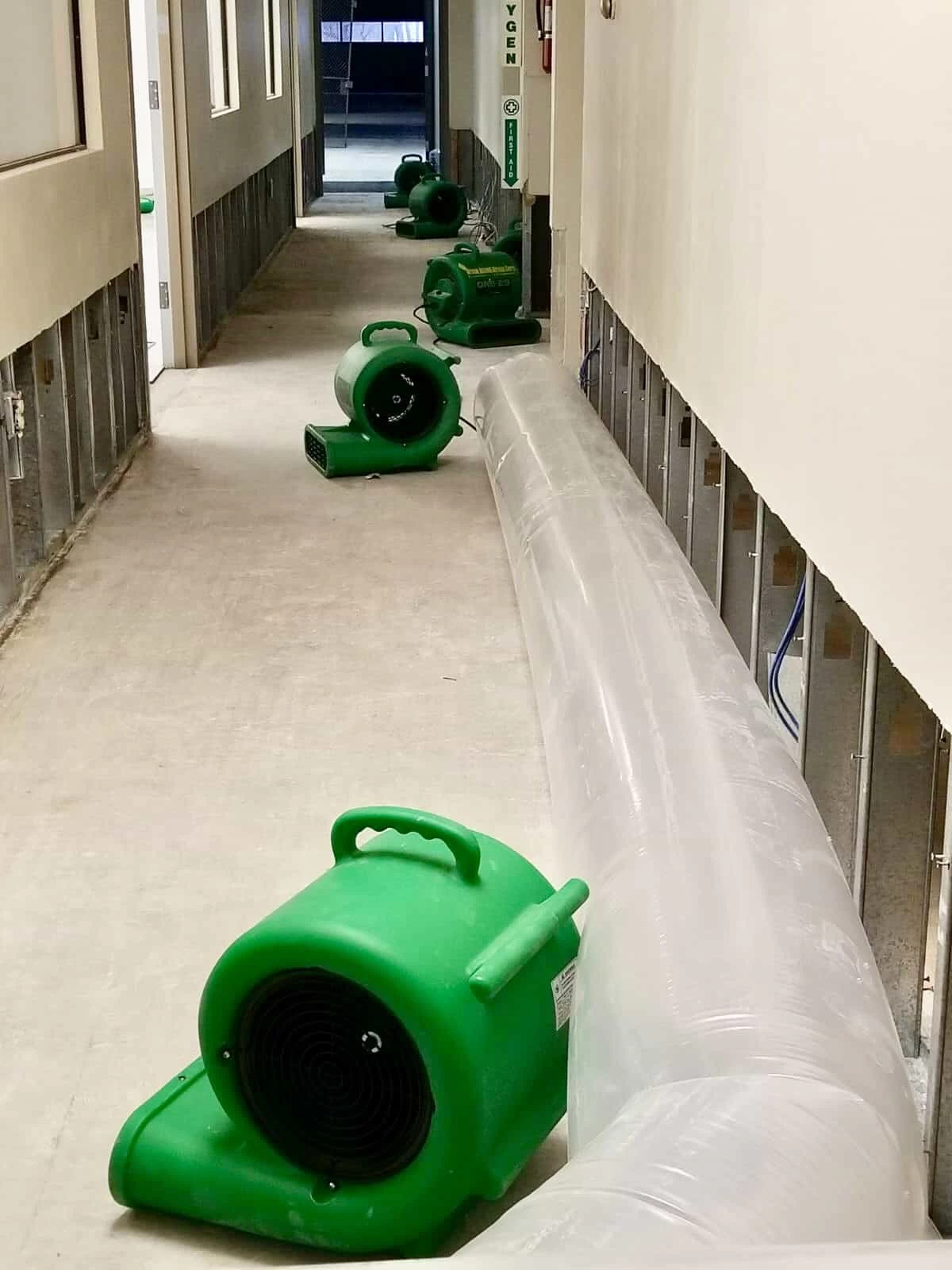
When storm damage is involved, the situation usually includes two simultaneous challenges: the physical damage that needs to be addressed and an active insurance claim that needs to be managed. We handle both. We’re available 24/7 for emergency response and have a track record of arriving on-site within an hour of an emergency call. We also work directly with insurance carriers helping you document the damage, navigate the claims process, and move forward without having to manage the contractor and the insurance company separately.
What's the difference between selective demolition and full demolition?
Selective demolition means removing specific elements of a structure while leaving the rest intact taking out a load-bearing wall, gutting a single room, removing a deck or addition, or clearing out interior systems like plumbing and electrical before a renovation. It requires more precision than full demolition because the goal is to protect what stays while removing what goes.
Full demolition means taking the entire structure down to the foundation or to grade. This is more common in situations where a building is beyond repair, where a property is being cleared for new construction, or where storm or fire damage has made the existing structure unsafe. Both types require permits through the Town of Brookhaven, and both require a hazardous materials assessment if the structure was built before 1980 which covers a significant portion of the residential and commercial building stock in the Stony Brook and East Setauket area. We handle both selective and full demolition, and the initial site assessment determines which approach your project actually requires.
Does Green Island Group handle demolition for investment properties near the university?
Yes, and it’s a more common request in this area than most people realize. There are documented cases of investors purchasing homes surrounding Stony Brook University and converting them into student rental housing a trend that Brookhaven Town officials have been actively monitoring. Those conversions often involve interior demolition, structural reconfiguration, and compliance work that requires a licensed contractor who understands the local regulatory environment.
For investment property owners managing these projects, the priority is usually the same: a contractor who handles the full scope without needing to be managed, who understands the Town of Brookhaven’s permitting requirements, and who won’t let a mid-project asbestos discovery shut everything down. We fit that profile. Our team manages the permit process, handles abatement in-house if needed, and delivers a clean, documented project from start to finish which is exactly what you need when you’re managing a property remotely or on a tight renovation timeline.