From 181st Street to University Avenue, the buildings in this corridor were built a century ago and they need a demolition contractor who actually knows what’s behind those walls. In Washington Bridge, where the Manhattan and Bronx sides meet, the housing stock is almost entirely prewar construction. That means asbestos pipe insulation, lead paint on every surface, and mold tucked behind original plaster that’s been holding moisture since the Hoover administration aren’t surprises. They’re standard.
We’ve handled hundreds of demolition projects across the five boroughs, including the dense residential corridors right here in Washington Bridge. We know what this neighborhood needs.
I needed a professional consultation explanation of procedure for safe removal of Asbestos in my apartment complex. Without having an account yet, I was very impressed with the caring, knowledgeable and generous advice offered by Jessica, and will look forward to doing business in the future. Thank you so much! I feel much more informed about a sometimes scary endeavor. Peace. Nancy Silva Mineola, NY.
Mia Munoz
Used this company to clean up some water flood in my house. They were fast and easy to work with.very professional, Would recommend to anyone!
Nini Valle
Great company, had a flood and they responded quickly and efficiently. Billed my insurance company directly. I highly recommend this company!
joe colapietro, jr
I had pipe freeze in my basement right before a snow storm and they made to within an hour to help start the clean up process. They we by our side throughout the entire process and even helped with the insurance company. They did such a great job with the cleanup, repair, remidiation, I contracted them to perform the repairs and finishes in the basement. They came with enough manpower and material to get the job done. Leo and Jessica were nothing but a pleasure to deal with!!
Cristian Arredondo c
I had some water damage in my home and Green Island was able to take care of my issue quickly and effectively. I am very pleased with the work they did. They responded quickly and were very professional.
Michael M
Outstanding service! From the office to the field crew everyone was friendly, helpful and responsive. I highly recommend Green Island Group.
Most demolition projects in Washington Heights and Morris Heights don’t go sideways because of the demo itself. They go sideways because nobody accounted for what was inside the walls. When you’re working in a prewar building and almost every building in Washington Bridge is prewar those aren’t surprises. They’re standard.
What you actually get from a contractor who’s done this hundreds of times in the five boroughs is a project that moves. No stopping mid-job because an abatement company needs to be called in. No scrambling for a separate lead remediation vendor while your tenants are displaced and your insurance clock is running. We handle demolition, asbestos abatement, lead removal, and mold remediation under one roof so the job doesn’t stall at the exact moment you need it to move forward.
That matters even more in a dense residential environment like Washington Bridge. When you’re demoing a unit in a six-story walk-up off University Avenue or gutting a bathroom in a Washington Heights co-op, your neighbors are right there. Your building systems are shared. The margin for error is thin. Getting this right the first time isn’t a luxury it’s the only option that makes sense.
Demolition Specialists Serving Washington Bridge NY
340 NYC Projects. Both Sides of Washington Bridge. No Learning Curve.
We’ve been doing demolition work in New York City for over 12 years. More than 340 of those projects have been specifically in the five boroughs including Manhattan and the Bronx, which is exactly where Washington Bridge sits. We’re not a Long Island contractor trying to figure out the DOB permit process for the first time. We’re a team that’s already done it, repeatedly, in buildings just like yours.
We hold an active NYC Department of Buildings license, EPA and OSHA certifications for hazardous material work, and MWBE certification which matters directly for the affordable housing developers and nonprofit organizations driving so much of the active construction pipeline in Morris Heights and University Heights right now. If your project involves public funding or city agency oversight, that credential isn’t a footnote. It’s a requirement.
With more than 5,000 completed projects across New York State and a 4.7-star verified rating, our track record is real and checkable not a marketing claim.
Commercial Demolition Contractors Washington Bridge NY
No Surprises Here's Exactly How the Job Runs
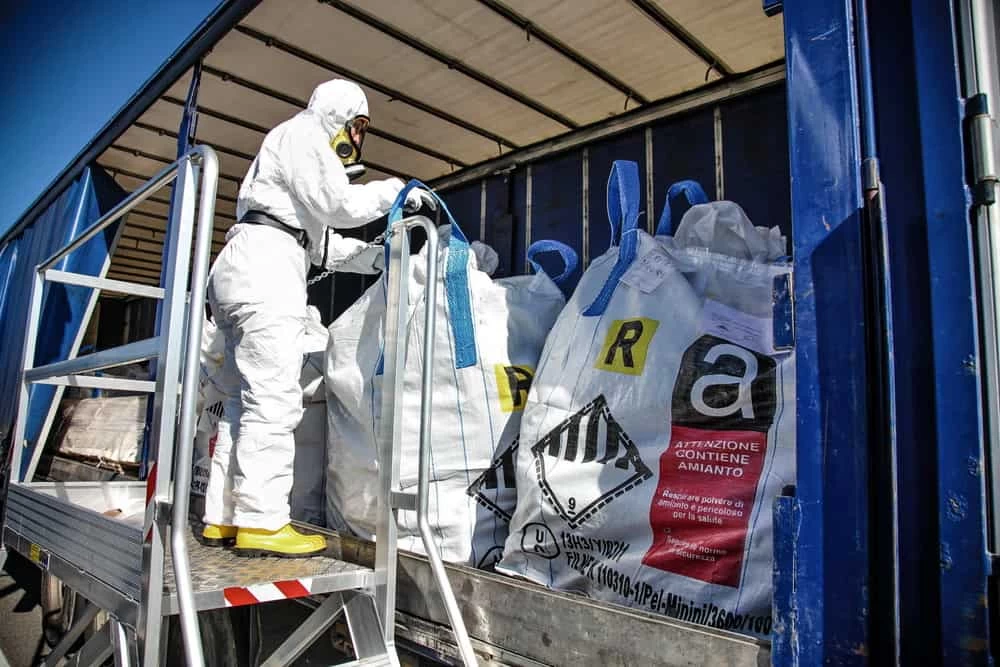
Before anything gets touched, the site gets assessed. In the Washington Bridge corridor, that means a proper asbestos investigation and ACP5 filing required by NYC DOB for any building constructed before 1987, which covers virtually every structure on both sides of this bridge. If asbestos or lead is identified, we handle abatement first, in-house, before demo begins. That’s not a delay that’s the legal sequence, and doing it right keeps your permit active and your project on schedule.
Once clearance is confirmed, the demolition phase begins with a site safety plan already in place. For residential projects in prewar walk-ups the dominant building type throughout Washington Heights and Morris Heights that means dust containment, noise compliance within NYC’s permitted work hours, and careful coordination around shared building systems like plumbing stacks and electrical risers that often run through the walls you’re taking down. For larger commercial or development projects, a licensed Site Safety Manager is on-site as required.
After the physical work is done, we remove debris and dispose of it in compliance with NYC DEP requirements. If your project is insurance-driven a burst pipe, fire damage, or storm-related structural failure we document everything along the way in a format that supports your claim. You don’t have to manage that process alone.
Residential Demolition Contractor Washington Bridge NY
Every Scope This Neighborhood Actually Needs, Covered
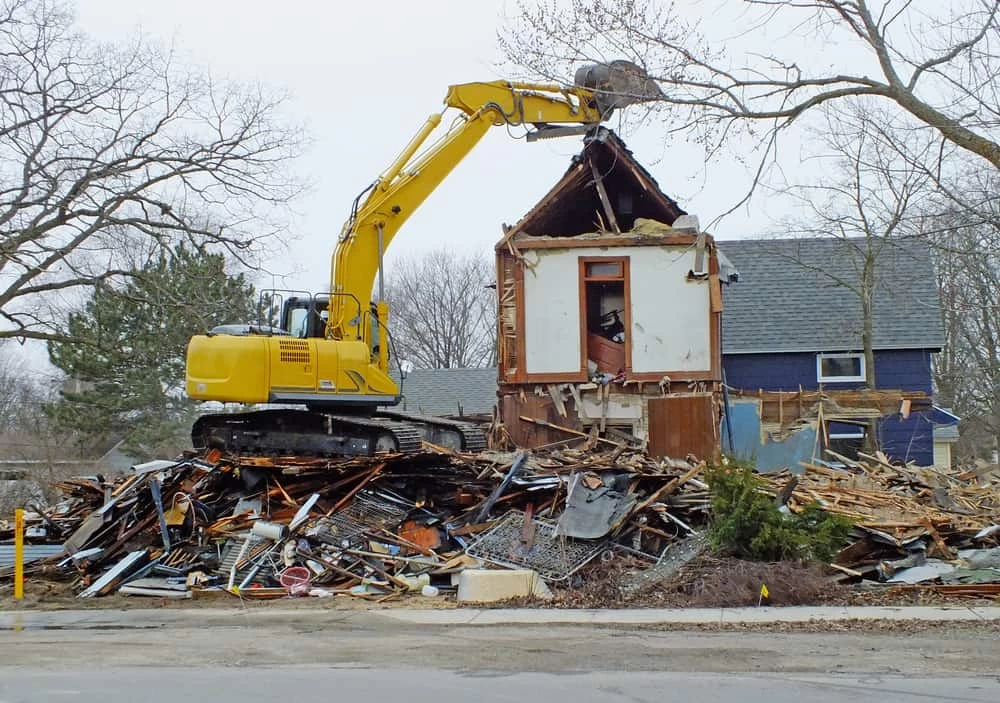
The range of demolition work in the Washington Bridge area is wider than most people expect. On the residential side, it’s gut renovations of prewar apartments kitchens, bathrooms, full interior teardowns in co-ops and rental buildings throughout Washington Heights and Hudson Heights. It’s basement buildouts in brownstones. It’s structural remediation after water damage in buildings where the plumbing hasn’t been touched since the 1950s. On the commercial side, it’s tenant buildouts along the 181st Street corridor, space reconfigurations in mixed-use buildings, and full structural demolition for development sites being repositioned under the Jerome Avenue Rezoning Plan in Morris Heights and University Heights.
All of it comes with the same in-house capabilities: asbestos abatement, lead paint removal, mold remediation, and full permit management through NYC DOB. You’re not assembling a team of separate vendors and hoping they coordinate. One contractor owns the entire scope.
For property owners dealing with an active insurance claim which is common in this area’s aging building stock we work directly with carriers, document damage in the format adjusters need, and help move the claim forward rather than leaving you to bridge the gap between the insurance process and the construction process on your own.
Do I need an asbestos test before demolition in Washington Bridge?
Yes and it’s not optional. Under NYC Department of Buildings rules, any building constructed before 1987 requires an Asbestos Assessment Report, filed on an ACP5 form by a licensed investigator, before a demolition permit will be issued. In Washington Bridge, that requirement applies to virtually every residential building in the neighborhood. The overwhelming majority of the housing stock here was built during the 1920s construction boom decades before asbestos was recognized as a health hazard.
In practical terms, this means your project cannot legally begin until the ACP5 is filed and any identified asbestos-containing materials are abated by a licensed contractor. We handle both the assessment coordination and the abatement in-house, so you’re not waiting on a third party to clear the site before work can start. It’s one of the most common points where projects in this area get delayed and one of the easiest to avoid when your contractor already has the process built in.
How much does interior demolition typically cost in the Bronx?
For a standard interior gut-out in the Bronx a kitchen, bathroom, or single-room teardown in a prewar apartment you’re generally looking at somewhere between $1,500 and $5,000 depending on the size of the space, the condition of the materials, and whether hazardous materials are present. Full apartment gut renovations in prewar buildings run higher, often $8,000 to $20,000 or more, because the scope almost always includes asbestos abatement and lead paint remediation in addition to the physical demolition.
The honest answer is that any number you get before a site walkthrough is a rough estimate. In Morris Heights and University Heights, where the building stock is largely 1920s and 1930s construction, the condition behind the walls varies significantly from building to building. What looks like a straightforward bathroom demo can involve deteriorated pipe insulation, original mastic adhesive under the tile, and plumbing that hasn’t been touched in 60 years. A contractor who gives you a firm number over the phone without seeing the site is guessing and that guess usually gets revised upward once the walls open.
Who is responsible for pulling the demolition permit in New York City?
In New York City, the licensed contractor performing the work is responsible for pulling the demolition permit through the NYC Department of Buildings. The property owner doesn’t file it the contractor does, and they do it under their own DOB license. This is an important distinction, because it means the contractor is legally accountable for the work being done in compliance with the permit’s scope and conditions.
For projects in the Washington Bridge area whether on the Manhattan side in Washington Heights or the Bronx side in Morris Heights that permit application needs to include engineering drawings, a site safety plan, documentation of utility disconnection, and the ACP5 asbestos clearance before DOB will issue the permit. We manage the entire filing process. You don’t have to navigate the DOB portal, track down an engineer, or figure out which forms apply to your specific project type. That’s part of what you’re hiring a licensed contractor to handle.
Can demolition work be done in a Washington Bridge area co-op or rental building?
Yes, but there are a few layers of approval that don’t exist in a standalone residential property. In a co-op, the building’s board typically requires approval before any renovation or demolition work begins and that approval process often requires submitting contractor credentials, proof of insurance, and a scope of work. Many co-op buildings in Washington Bridge also have specific rules about work hours, noise, dust containment, and elevator usage for material removal. These aren’t suggestions they’re enforceable building policies.
In rental buildings, the landlord or property management company sets the conditions, and any work that touches shared building systems plumbing stacks, electrical risers, structural elements usually requires sign-off from the building’s engineer or super in addition to the DOB permit. We’ve worked in both environments extensively across the five boroughs. The contractor credentials, certificate of insurance, and documentation that co-op boards and property managers typically request are standard parts of how we operate not something that needs to be assembled from scratch for each project.
What happens if mold is discovered during demolition in a prewar building?
It’s more common than most people expect, especially in the older building stock throughout Washington Bridge. Prewar buildings in this corridor have been managing moisture for a century through aging plumbing, original window assemblies, and basement conditions that were never designed to meet modern waterproofing standards. When walls open during demolition, mold behind original plaster or under deteriorated flooring is a frequent find, not a rare one.
When mold is discovered mid-project, the right move is to stop the affected work area, assess the extent of the growth, and remediate before continuing. In New York City, mold remediation in spaces over 10 square feet requires a licensed mold remediation contractor under New York State Labor Law Article 32. We’re licensed for mold remediation in addition to demolition, which means the project doesn’t have to pause while you find a separate vendor. The remediation gets handled, the area gets cleared, and demolition continues without the project losing days or weeks to a handoff between contractors.
Does Green Island Group work with insurance claims for demolition in Washington Bridge?
Yes, and it’s a meaningful part of how we work in this area. A significant portion of demolition projects in Washington Heights and Morris Heights are triggered by insurable events burst pipes in aging buildings, fire damage in multi-unit residential structures, or storm-related structural failures in older masonry construction. When that’s the situation, the demolition work and the insurance claim are running on parallel tracks, and the gap between those two processes is where a lot of property owners get stuck.
We document damage in a format that insurance adjusters can actually work with not just photos on a phone, but a structured record of what was found, where, and what remediation was required. We have direct experience working alongside insurance carriers and helping clients understand what their policy covers before work begins. For landlords managing a multi-unit building with displaced tenants and an active claim, having a contractor who understands both sides of that situation the physical work and the paperwork makes a real difference in how quickly the project gets resolved.