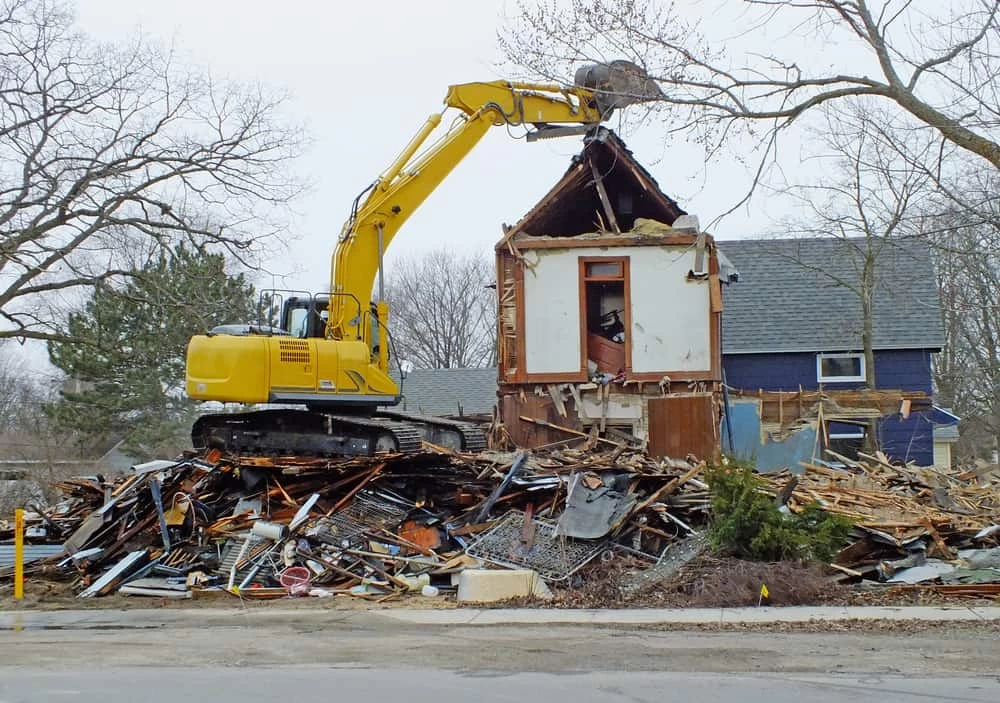
From historic farmhouses south of the highway to estate structures near Mecox Bay we handle the full scope of demolition in Water Mill, permits included, so your new build starts on time.
I needed a professional consultation explanation of procedure for safe removal of Asbestos in my apartment complex. Without having an account yet, I was very impressed with the caring, knowledgeable and generous advice offered by Jessica, and will look forward to doing business in the future. Thank you so much! I feel much more informed about a sometimes scary endeavor. Peace. Nancy Silva Mineola, NY.
Mia Munoz
Used this company to clean up some water flood in my house. They were fast and easy to work with.very professional, Would recommend to anyone!
Nini Valle
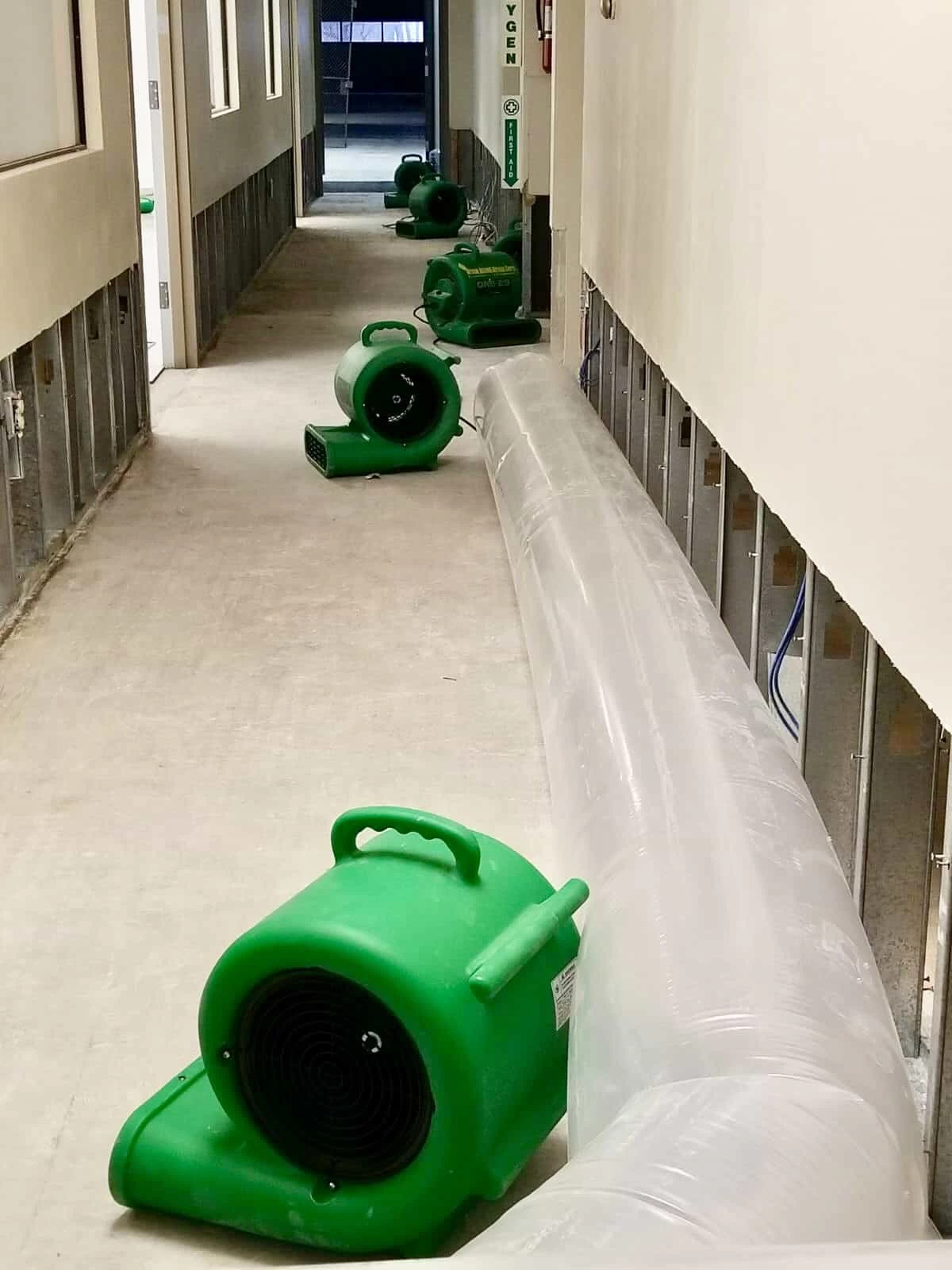
Great company, had a flood and they responded quickly and efficiently. Billed my insurance company directly. I highly recommend this company!
joe colapietro, jr
I had pipe freeze in my basement right before a snow storm and they made to within an hour to help start the clean up process. They we by our side throughout the entire process and even helped with the insurance company. They did such a great job with the cleanup, repair, remidiation, I contracted them to perform the repairs and finishes in the basement. They came with enough manpower and material to get the job done. Leo and Jessica were nothing but a pleasure to deal with!!
Cristian Arredondo c
I had some water damage in my home and Green Island was able to take care of my issue quickly and effectively. I am very pleased with the work they did. They responded quickly and were very professional.
Michael M
Outstanding service! From the office to the field crew everyone was friendly, helpful and responsive. I highly recommend Green Island Group.
Your Water Mill Lot Cleared, Your Timeline Protected
Water Mill moves fast. When you’ve paid Hamptons prices for a property, the last thing you need is a demolition contractor who stalls your project because they hit asbestos in a 1960s cottage and don’t know what to do next. That’s the real risk when you hire a sitework company or a carting service that lists demolition as a side offering.
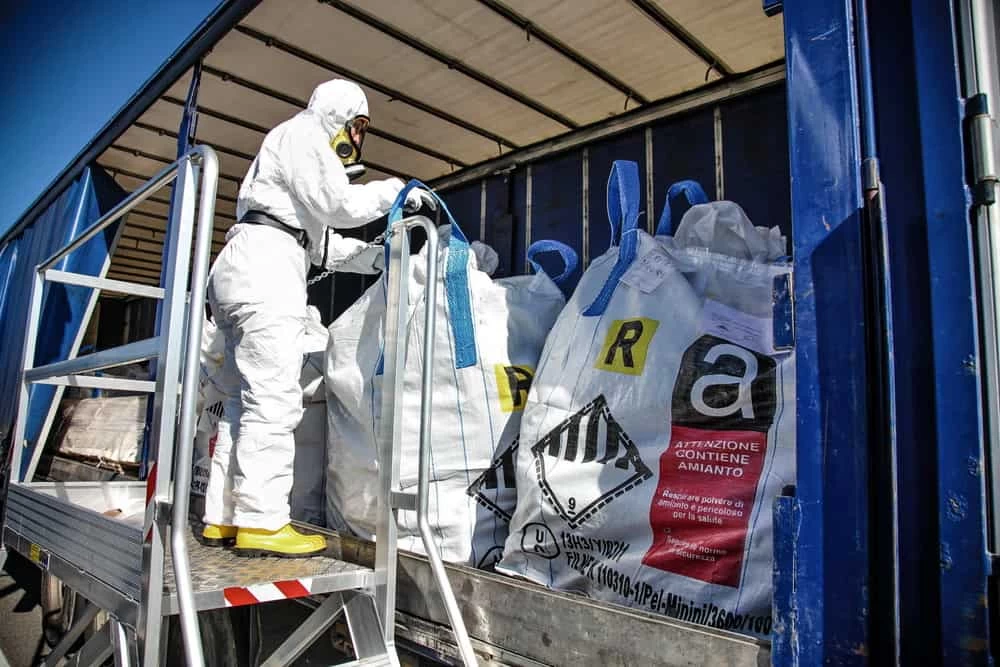
We handle asbestos abatement and structural demolition under one roof. If hazardous materials turn up during your teardown and in pre-1980 Water Mill structures, they often do work doesn’t stop. We handle it in-house, documented and compliant, and keep your schedule moving.
The stakes here are different than most of Long Island. A construction delay on a $5M+ property in Water Mill can mean missed rental income, pushed contractor start dates, and a summer season lost. Getting the demolition right the first time with the right permits, the right environmental clearances, and the right crew is what protects that investment from the start.
5,000 Projects Across Suffolk County. Zero Guesswork on Your Water Mill Property.
We’ve been operating across Suffolk County for over 12 years, with deep roots in Water Mill and the surrounding East End. We’re not a carting company that does demolition on the side, and we’re not a general contractor who subcontracts the hazmat work out. Demolition and environmental remediation are what we do every project, every time.
We know the Town of Southampton’s permit process inside out. The Hold Harmless form, the PSEG and National Grid disconnect letters from the Riverhead office, the pre-1941 historic structure review that can add 45 days to your timeline if it catches you off guard we manage all of it. You don’t have to learn the process. We already know it because we’ve done it hundreds of times for Water Mill property owners.
With 5,000+ completed projects and active NYS Department of Labor asbestos certifications, we bring the credentials and the experience that a Water Mill teardown actually demands. One call covers the whole scope.
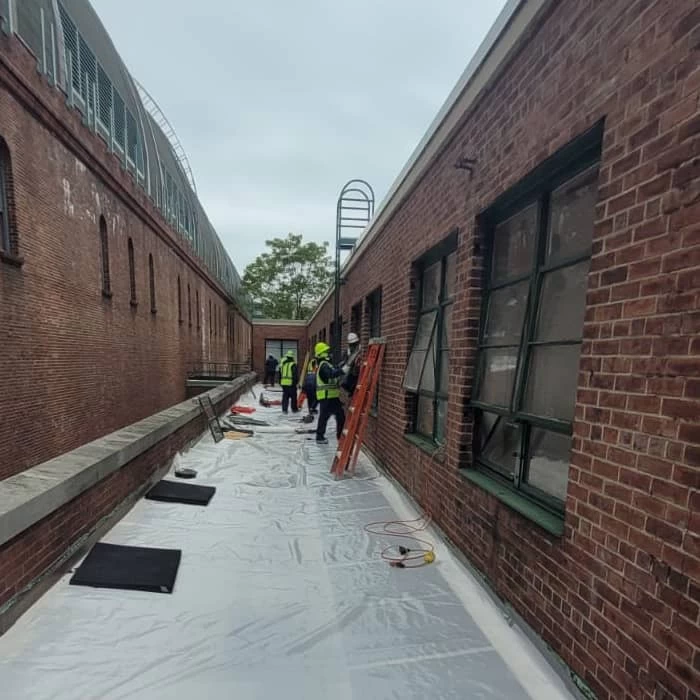
It starts with a site assessment. We come out, look at the structure, identify any materials that require environmental testing before work begins, and give you a clear picture of what the full project involves. For older structures especially anything built before 1980, which covers a meaningful portion of Water Mill’s housing stock that assessment includes evaluating for asbestos-containing materials in insulation, floor tiles, plaster, and roofing.
From there, we handle permits. The Town of Southampton requires a licensed contractor, a notarized Hold Harmless form signed by every party on the deed, utility disconnect letters from PSEG and National Grid, copies of all Certificates of Occupancy, and specific Workers’ Compensation and Disability forms not the standard ACORD versions. If your structure predates 1941, we manage the Historical Landmark Committee referral so that 45-day review window doesn’t blindside your timeline. If your property sits near Mecox Bay or another water body on the Town’s wetlands inventory, we coordinate the environmental division review as well.
Once permits are in hand, we mobilize. Structural demolition, hazardous material removal, debris hauling, and site cleanup are all handled by our crew. When we’re done, you have a cleared, compliant lot ready for your builder to break ground.
Full Scope Demolition Built for Water Mill and the East End
Most demolition jobs in Water Mill aren’t simple teardowns. They involve pre-demolition asbestos surveys required under NYS Industrial Code Rule 56, wetlands permits for properties near Mecox Bay or Mill Pond, historic structure reviews for pre-1941 farmhouses and outbuildings, and coordination with the Town of Southampton’s Building and Environment Divisions. We handle all of it residential and commercial without outsourcing the environmental work to a third party.
For residential clients in Water Mill, that means whole-house demolitions, selective interior demolition ahead of major renovations, and teardown-ready site prep for new construction. For commercial clients and developers working in the Water Mill area, we manage the additional Planning Board documentation and site plan requirements the Town requires before a commercial demolition permit is issued.
We also work directly with insurance companies for storm-damaged and flood-affected properties a real consideration for homeowners near Flying Point Road and the Mecox Bay shoreline who’ve dealt with coastal storm damage. If you need documentation for a claim, we provide it. If your insurer needs to be looped in, we handle that conversation. The goal is simple: you shouldn’t have to manage three different contractors and an insurance adjuster at the same time. We keep it consolidated so the project actually moves.
Do I need a permit to demolish a house in Water Mill, NY?
Yes the Town of Southampton requires a demolition permit before any structure can be taken down, and the application process is more involved than most people expect. You’ll need a Hold Harmless form notarized by every party listed on the most recent recorded deed, utility disconnect letters from both PSEG and National Grid (requested through the Riverhead, NY office at 117 Doctors Path), copies of all Certificates of Occupancy for the property, and Workers’ Compensation and Disability forms in the specific state-required format. Standard ACORD forms are not accepted.
The contractor performing the work also needs to be licensed with the Town of Southampton which is a separate licensing requirement from general Suffolk County contractor registration. If your property is near a water body like Mecox Bay or Mill Pond, the Town’s Environment Division may also require a Wetlands Permit or a Letter of Non-Jurisdiction before the demolition permit is issued. In Water Mill specifically, where many properties sit within the Town’s coastal zone, this step is common and can add several weeks to your timeline if you’re not prepared for it.
What happens if my Water Mill property has asbestos before demolition?
Under New York State Industrial Code Rule 56, an asbestos survey by a certified inspector is required before any renovation or demolition that could disturb potential asbestos-containing materials. In Water Mill, this is especially relevant a meaningful portion of the hamlet’s housing stock was built before 1980, and older structures commonly contain asbestos in floor tiles, pipe insulation, plaster coatings, roofing underlayment, and around HVAC systems.
If asbestos is found, it has to be properly abated before structural demolition can continue. The problem with hiring a demolition-only contractor is that when asbestos shows up mid-project, work stops and you’re suddenly sourcing a separate abatement company, paying emergency rates, and watching your construction timeline fall apart. We hold active NYS Department of Labor asbestos contractor certifications and handle abatement in-house. When we find it, we deal with it without stopping your project or bringing in a second crew.
My Water Mill house was built before 1941 does that affect the demolition permit?
It does, and it’s one of the most commonly overlooked steps in the Southampton Town permit process. Any structure built before 1941 must be referred to the Town’s Historical Landmark Committee and Historic District Board before a demolition permit can be issued. The Board has up to 45 days to render a report or recommendation and if you’re not expecting that review window, it can push your entire project timeline back significantly.
This matters a lot in Water Mill, where historic farmhouses, agricultural outbuildings, and early estate structures are still standing on larger parcels throughout the hamlet. If you’re planning a teardown and rebuild on one of these properties, you need a contractor who accounts for that review period upfront not one who submits the permit application and then calls you three weeks later to explain the delay. We build the historic review timeline into your project schedule from the start so there are no surprises.
How long does a full demolition project typically take in Water Mill?
The physical demolition itself taking down a structure, removing debris, and clearing the site typically takes anywhere from a few days to a couple of weeks depending on the size of the structure and whether hazardous materials are involved. What takes longer is the permitting phase, and in the Town of Southampton, that process has more steps than most municipalities on Long Island.
From the time you engage a contractor to the time permits are in hand, you’re generally looking at several weeks under normal circumstances longer if a pre-1941 historic review is required, if a wetlands permit is needed for a property near Mecox Bay, or if there are title issues with the Hold Harmless form. In Water Mill, where many property owners are working against the Hamptons construction calendar and want demolition done in the fall so new construction can start in the spring, understanding that permit timeline upfront is critical. We walk you through a realistic schedule during the initial assessment so you can plan accordingly.
Can you handle demolition and asbestos removal together on the same project?
Yes and that’s actually one of the more important questions to ask any contractor before you hire them for a Water Mill teardown. Many demolition companies in the Hamptons area are primarily sitework or excavation contractors. They can take down a structure, but they’re not certified to handle asbestos or other hazardous materials. When those materials show up and in older Water Mill structures, they frequently do those contractors have to stop work and refer you to someone else.
We are licensed and certified for both. We hold active NYS Department of Labor asbestos contractor certifications, and our crews are trained to manage the full scope from pre-demolition environmental assessment through final site clearance. That means one contract, one schedule, one point of contact and no gap between when the abatement ends and when the structural demolition begins. For a property owner managing a high-value teardown-and-rebuild project in Water Mill, that continuity matters more than most people realize until they’ve experienced the alternative.
Is demolition work in Water Mill more complicated than other parts of Long Island?
Honestly, yes for a few specific reasons. The Town of Southampton has a more detailed permit process than many other Long Island municipalities, including requirements that don’t exist elsewhere, like the pre-1941 historic structure review and the specific utility disconnect letter procedure through the Riverhead office. The coastal geography adds another layer: properties near Mecox Bay, Mill Pond, or other water bodies on the Town’s wetlands inventory require environmental division review before demolition permits are issued.
The property values also raise the stakes. When you’re working on a site worth several million dollars, a permit delay, a stop-work order, or an environmental compliance issue isn’t just an inconvenience it has real financial consequences. Carrying costs on high-value properties add up quickly, and a missed construction window in the Hamptons can mean a full year’s delay before the seasonal calendar lines up again. That’s why the experience of the contractor you hire matters more here than it might in other markets. You need someone who knows Water Mill’s process and has done it enough times to get it right.