West Hills Homes Built in the '50s and '60s Need More Than a Sledgehammer
Most homes in West Hills were built in the 1950s and 60s and what’s inside those walls requires more than a sledgehammer. We handle demolition the right way, from the licensed asbestos survey to the final permit sign-off.
I needed a professional consultation explanation of procedure for safe removal of Asbestos in my apartment complex. Without having an account yet, I was very impressed with the caring, knowledgeable and generous advice offered by Jessica, and will look forward to doing business in the future. Thank you so much! I feel much more informed about a sometimes scary endeavor. Peace. Nancy Silva Mineola, NY.
Mia Munoz
Used this company to clean up some water flood in my house. They were fast and easy to work with.very professional, Would recommend to anyone!
Nini Valle
Great company, had a flood and they responded quickly and efficiently. Billed my insurance company directly. I highly recommend this company!
joe colapietro, jr
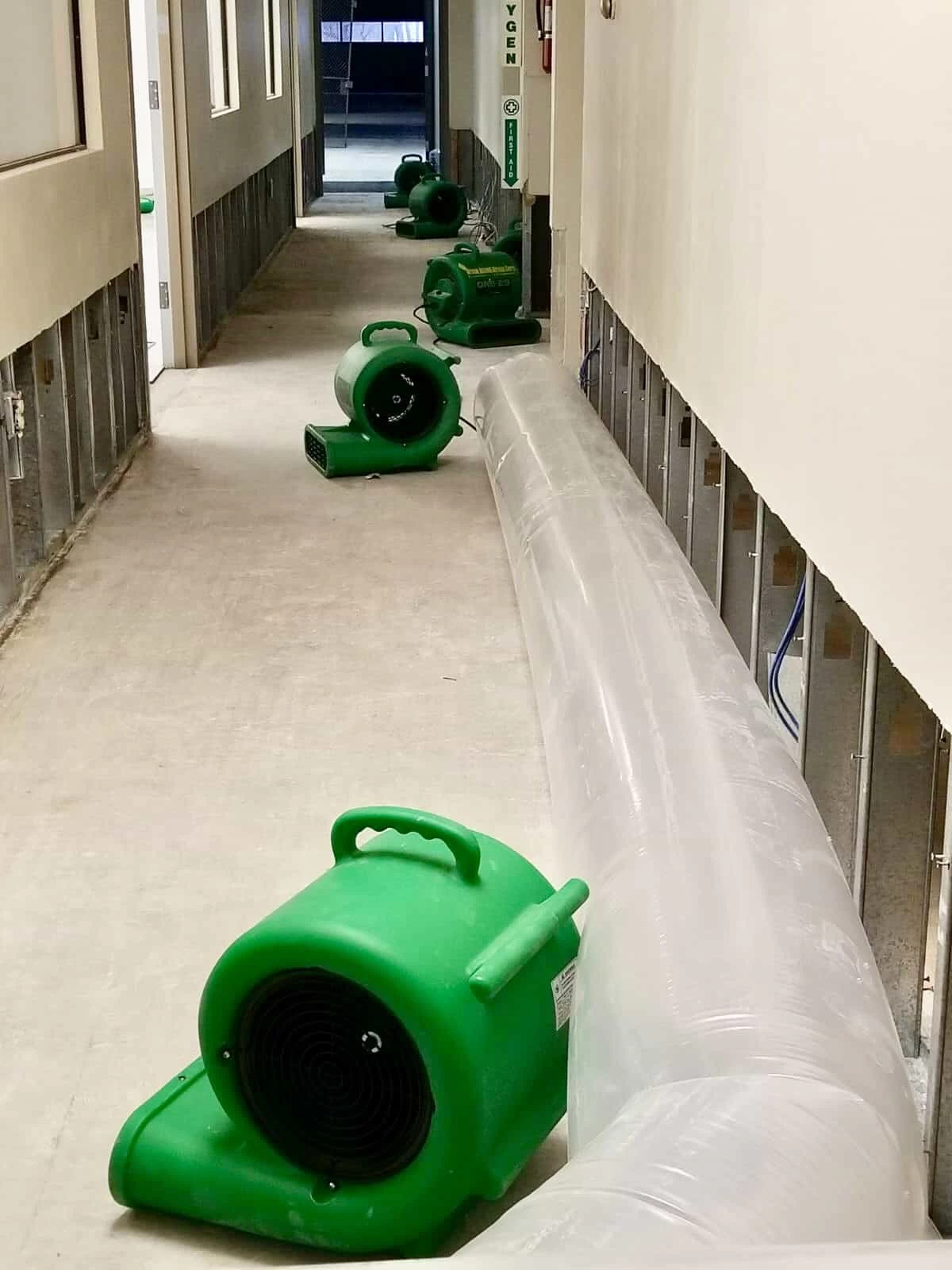
I had pipe freeze in my basement right before a snow storm and they made to within an hour to help start the clean up process. They we by our side throughout the entire process and even helped with the insurance company. They did such a great job with the cleanup, repair, remidiation, I contracted them to perform the repairs and finishes in the basement. They came with enough manpower and material to get the job done. Leo and Jessica were nothing but a pleasure to deal with!!
Cristian Arredondo c
I had some water damage in my home and Green Island was able to take care of my issue quickly and effectively. I am very pleased with the work they did. They responded quickly and were very professional.
Michael M
Outstanding service! From the office to the field crew everyone was friendly, helpful and responsive. I highly recommend Green Island Group.
The biggest risk in any West Hills demolition project isn’t the demo itself it’s what gets discovered once the work starts. Asbestos in floor tiles, pipe wrap, ceiling panels. Lead paint behind the drywall. These aren’t rare finds in a community where most homes were built between 1940 and 1969. They’re the norm. When your contractor isn’t certified to handle them, the job stops cold.
That’s the difference between hiring a demolition-only crew and hiring a contractor who handles abatement in-house. No waiting on a second company to mobilize. No project delays while you coordinate between vendors. No unexpected cost spikes mid-job. The scope stays intact, and the timeline holds.
For homeowners in West Hills where property values sit close to $800,000 and often well above that kind of project control matters. Unpermitted work, incomplete abatement, or a stop-work order from the Town of Huntington’s Building Department doesn’t just delay your renovation. It follows the property. It shows up at closing. Getting it done right the first time isn’t about being cautious it’s about protecting what you’ve built here.
5,000 Projects Across Long Island. We Know West Hills Inside Out.
We’re a Suffolk County-based demolition and environmental contractor with over 12 years of experience and more than 5,000 completed projects across Long Island. Headquartered in Bohemia not a distant company running geo-targeted ads we’ve worked extensively throughout the Town of Huntington, which means we know exactly what the Building & Housing Department at 100 Main Street requires before a single wall comes down in West Hills.
That local familiarity shows up in the details. We know the Town of Huntington’s Form 87-04 process inside and out. We know which utility disconnection letters you need and how to get them from PSEG Long Island and the relevant water and gas providers. We hold active NYS Department of Labor asbestos certifications, carry $2 million in general liability coverage, and manage the entire permit process so you’re not chasing paperwork between agencies.
When West Hills homeowners call with a project, they’re not starting from scratch. We’ve been doing this work in this county long enough to anticipate the complications before they become your problem.
How We Handle Your West Hills Demolition From Start to Finish
It starts with a site assessment. Before anything is quoted or scheduled, we walk the property to understand the full scope what’s coming down, what’s staying, and what materials are likely present given the age and construction type of the structure. For most West Hills homes built before 1980, that assessment includes a preliminary evaluation for asbestos-containing materials, because the Town of Huntington requires a licensed asbestos contractor survey before any demolition permit will be issued.
From there, we handle the permit application directly. That means completing Form 87-04, coordinating the asbestos survey, pulling utility disconnection confirmations from PSEG Long Island and the relevant water and gas providers, and submitting everything to the Town’s Building & Housing Department. You don’t manage that process we do.
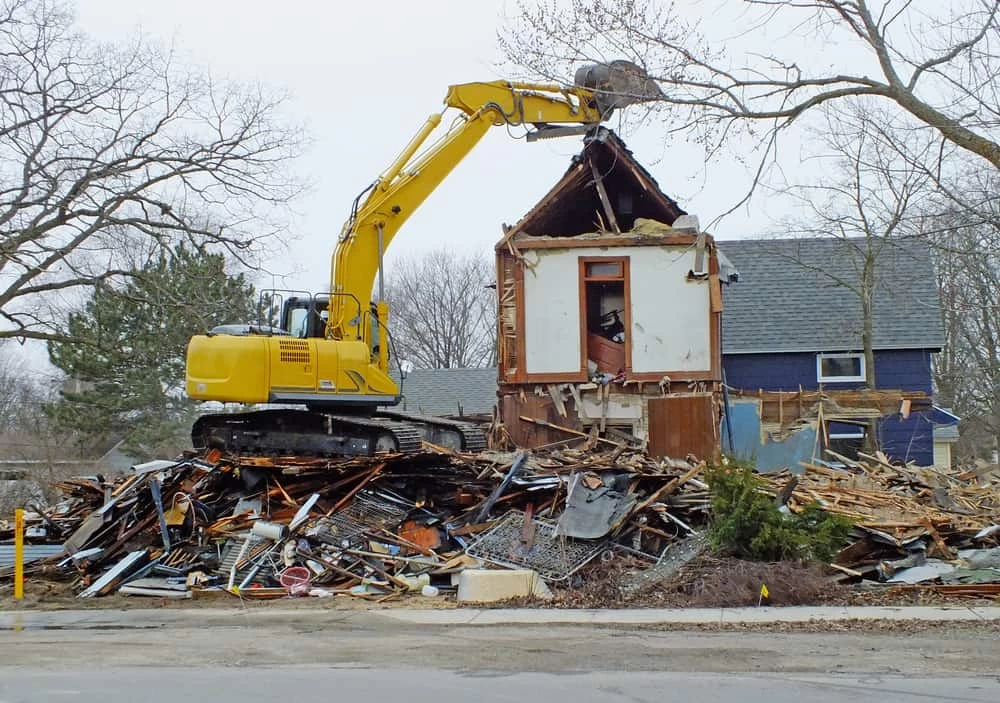
Once permits are in hand, the physical work begins. Demolition is executed in a controlled sequence: hazardous materials are abated first, structural removal follows, and debris is hauled and disposed of responsibly. For homeowners planning additions, gut renovations, or full teardowns near West Hills County Park or anywhere else in the hamlet, the site is left clean, documented, and ready for the next phase of construction. No lingering debris, no open questions on compliance.
Everything Your West Hills Job Needs, Under One Contractor
We handle the full range of demolition work in West Hills residential interior demolition, full structural teardowns, and commercial demo for businesses along the Route 110 corridor in nearby Melville. Whatever the scope, our approach is the same: permitted, documented, and compliant with every requirement the Town of Huntington enforces.
For residential projects in West Hills, that typically means interior demolition ahead of a kitchen or bathroom renovation, a basement gut-out, or a full teardown ahead of a rebuild. Given that the overwhelming majority of West Hills homes fall within the pre-1980 construction window, every residential project is approached with asbestos and lead paint protocols built in from the start not treated as an afterthought if something turns up.
On the commercial side, businesses in the West Hills and Melville area undergoing tenant improvements or office reconfigurations face the same regulatory requirements as residential owners including mandatory asbestos surveys for pre-1980 commercial buildings. We’re licensed for commercial demolition work and understand the timeline pressures that come with commercial construction schedules. Whether it’s a single-family home on a wooded lot near Jayne’s Hill or a commercial interior off Route 110, the work is scoped, permitted, and executed without handing you a list of things to figure out on your own.
Does the Town of Huntington require a permit for demolition in West Hills?
Yes any demolition work in West Hills requires a Demolition Permit from the Town of Huntington’s Building & Housing Department, located at 100 Main Street in Huntington. The application process involves submitting two completed copies of Form 87-04, a licensed survey of the property, a licensed asbestos contractor’s survey, utility disconnection letters from all relevant providers, a Certificate of Workers’ Compensation insurance, and a valid Suffolk County contractor license. That’s not a short list, and it’s easy to miss a requirement that delays your start date.
We manage this process directly for every West Hills project rather than handing you a checklist and wishing you luck. We handle the full permit application, including coordinating the asbestos survey and utility confirmations. You get a start date, not a stack of forms.
Is an asbestos survey actually required before demolition in West Hills, NY?
For virtually every home in West Hills, yes. New York State Labor Law requires a licensed asbestos contractor to survey a building before demolition begins, and the Town of Huntington’s permit process requires documentation of that survey before issuing a demolition permit. The exemption threshold applies to buildings constructed after a specific cutoff date but with West Hills’s median construction year sitting around 1960 and most homes built between 1940 and 1969, the overwhelming majority of residential properties here will trigger the survey requirement.
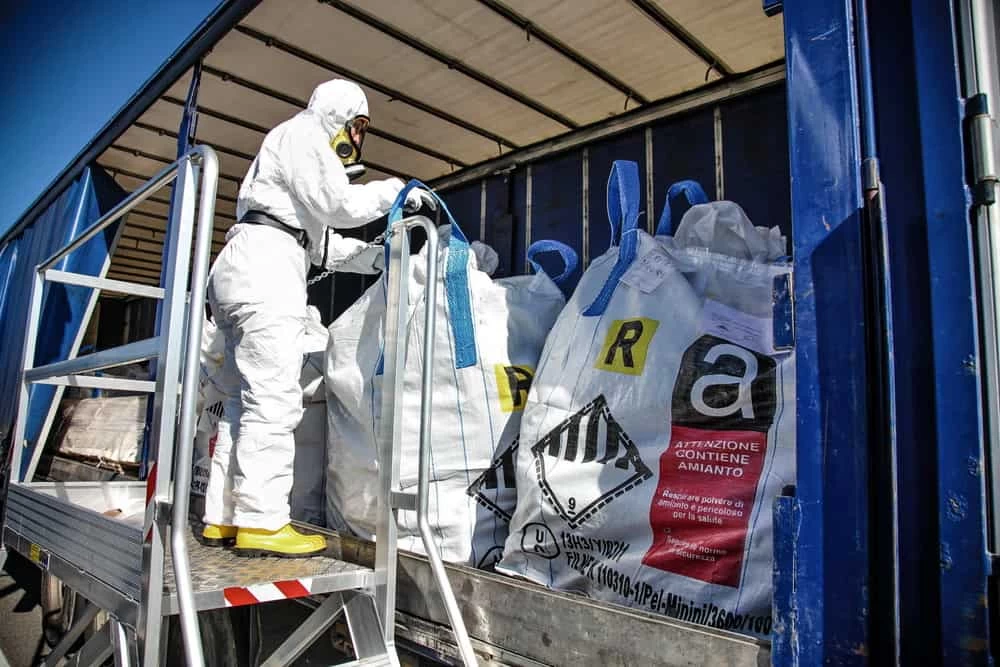
This is worth understanding before you hire anyone. A demolition contractor who doesn’t hold active NYS Department of Labor asbestos certifications cannot legally perform that survey or handle abatement if hazardous materials are found. If asbestos turns up mid-project which it frequently does in homes of this era an uncertified contractor has to stop work entirely. We hold all required certifications and handle the survey and abatement in-house, so your West Hills project doesn’t stall when something is found behind the walls.
What does residential demolition typically cost in West Hills?
The honest answer is that it depends on what you’re demolishing and what’s in it. A straightforward interior demolition gutting a kitchen or bathroom in a 1960s West Hills ranch will run differently than a full structural teardown of a two-story home on a wooded lot. Scope, square footage, material complexity, and the presence of hazardous materials all affect the final number.
What tends to surprise homeowners is that the permit process, asbestos survey, and utility coordination add real cost but they’re not optional, and they’re not negotiable with the Town of Huntington. A quote that doesn’t include those items isn’t a better deal; it’s an incomplete one. When you get a quote from us, everything is itemized: the permit fees, the asbestos survey, the abatement if needed, the demolition itself, and debris removal. No line items appear after the fact. For a community where most homes are worth close to or well above $800,000, that kind of cost transparency matters more than a low number that grows.
Can I do a partial interior demolition without pulling a permit in the Town of Huntington?
It depends on the scope of the work. Cosmetic work removing non-load-bearing drywall in a single room, for example may not require a permit in every situation. But once you’re touching structural elements, altering load-bearing walls, or working in a West Hills home built before 1980 where asbestos or lead paint may be present, the calculation changes quickly. The Town of Huntington takes unpermitted structural work seriously, and the consequences aren’t just a fine they can include a stop-work order, required demolition of completed work, and complications when you go to sell.
For West Hills homeowners, the risk calculus is particularly straightforward. When your property is worth close to a million dollars or more, the downside of unpermitted work far outweighs whatever you might save by skipping the permit process. The smarter move is to get a clear answer before you start, not after. We can walk you through exactly what requires a permit for your specific project and handle the filing if it does.
How does demolition work when there's an active insurance claim involved?
It’s more common than most people expect. Water damage, fire damage, or storm-related structural damage often requires partial or full demolition before any restoration can begin and that work needs to be documented in a way that satisfies your insurance adjuster, not just completed quickly. The two goals don’t always align naturally, especially when you’re dealing with a carrier that wants to limit scope.
We’ve worked alongside insurance adjusters on hundreds of projects across Long Island. We understand what documentation adjusters require, how to communicate the scope of necessary work clearly, and how to advocate for what the property actually needs rather than just what’s easiest to approve. For West Hills homeowners navigating a claim on top of property damage already a stressful situation having a contractor who handles that side of the conversation directly removes one more thing from your plate. You focus on getting your home back. We handle the paperwork and the back-and-forth.
What should I look for when hiring a demolition contractor in West Hills?
Start with the credentials that are non-negotiable in New York. Any demolition contractor working in West Hills should hold a valid Suffolk County Home Improvement License, carry a minimum of $2 million in general liability insurance, and critically for this area hold active NYS Department of Labor asbestos certifications. Given that most homes here were built before 1980, a contractor without asbestos credentials isn’t fully equipped to handle your project. Verify those credentials before anyone sets foot on your property.
Beyond licensing, look at how the contractor handles the permit process. The Town of Huntington’s demolition permit requirements are specific and multi-step. A contractor who hands you a list of things to gather and submit yourself is adding work to your plate. A contractor who manages the full application including the asbestos survey, utility disconnection letters, and Form 87-04 is actually doing the job. Finally, check reviews for specifics: named staff, described situations, and honest accounts of how complications were handled. Generic five-star reviews don’t tell you much. Detailed ones do.