Woodsburgh Homes Are Old. We Know What That Means.
Most homes in Woodsburgh were built decades before modern safety standards — and demo without the right licenses isn’t just risky, it’s illegal. We handle it the right way.
I needed a professional consultation explanation of procedure for safe removal of Asbestos in my apartment complex. Without having an account yet, I was very impressed with the caring, knowledgeable and generous advice offered by Jessica, and will look forward to doing business in the future. Thank you so much! I feel much more informed about a sometimes scary endeavor. Peace. Nancy Silva Mineola, NY.
Mia Munoz
Used this company to clean up some water flood in my house. They were fast and easy to work with.very professional, Would recommend to anyone!
Nini Valle
Great company, had a flood and they responded quickly and efficiently. Billed my insurance company directly. I highly recommend this company!
joe colapietro, jr
I had pipe freeze in my basement right before a snow storm and they made to within an hour to help start the clean up process. They we by our side throughout the entire process and even helped with the insurance company. They did such a great job with the cleanup, repair, remidiation, I contracted them to perform the repairs and finishes in the basement. They came with enough manpower and material to get the job done. Leo and Jessica were nothing but a pleasure to deal with!!
Cristian Arredondo c
I had some water damage in my home and Green Island was able to take care of my issue quickly and effectively. I am very pleased with the work they did. They responded quickly and were very professional.
Michael M
Outstanding service! From the office to the field crew everyone was friendly, helpful and responsive. I highly recommend Green Island Group.
When you’re renovating a home in Woodsburgh, you’re almost certainly dealing with a structure that’s several decades old. That means asbestos in the floor tiles, pipe insulation, or ceiling texture. It means lead paint behind the walls. And it means a demolition job that requires more than a crew with sledgehammers — it requires licensed professionals who know exactly what they’re pulling out and how to handle it legally.
The Village of Woodsburgh requires a permit for all demolition work, interior or exterior, no exceptions. That’s not a surprise to us — it’s something we handle before the first piece of material comes down. We pull the permit, coordinate with the Building Department, and manage the process so you don’t have to learn it from scratch.
What you end up with isn’t just a cleared space. It’s a documented, tested, fully compliant space — with disposal records, clearance testing, and a paper trail that protects the value of a property worth well over a million dollars. In a village this small and this close-knit, that kind of accountability matters.
One License Covers What Most Contractors Can't Touch
We’re a Long Island environmental contracting firm operating out of Bohemia, NY, and we’ve been serving Woodsburgh and the South Shore communities long enough to know that this village is its own thing. Your permit goes through Woodsburgh’s own Building Department, not the Town of Hempstead. Your housing stock is older than most. Your neighbors are close, and they notice everything.
We hold the NYS Department of Labor Asbestos Handling Contractor License — which is the specific state credential required to legally remove asbestos in New York. Most general contractors don’t have it. We also carry EPA RRP certification for lead paint work in pre-1978 homes, and we’re fully licensed for Nassau County residential work. That combination under one roof is what makes a real difference when something unexpected turns up mid-project — and in a Woodsburgh home built before 1970, something usually does.
Here's What Actually Happens Before Anything Gets Torn Out
Before any demolition starts, we assess. In Woodsburgh, where the vast majority of homes were built during the early-to-mid 20th century, that assessment isn’t optional — New York State requires an asbestos survey before demolition begins in any pre-1974 structure. We conduct that survey, identify what’s present, and give you a clear picture of what the project actually involves. No surprises once the walls are open.
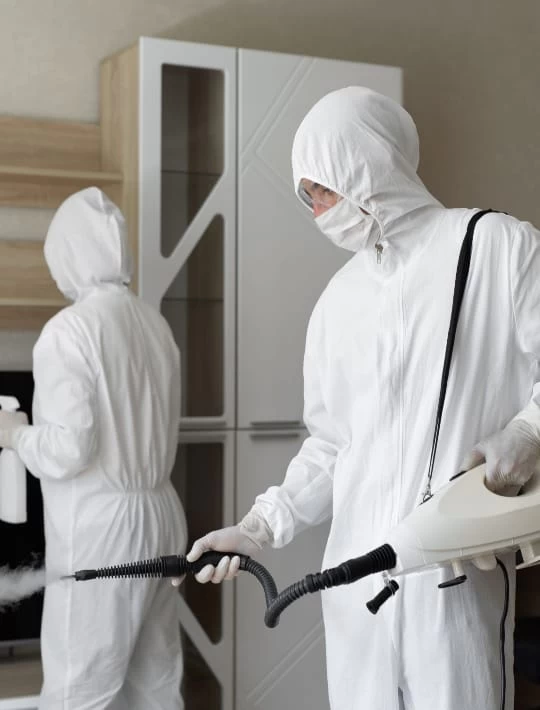
If hazardous materials are found, we abate them first. That means proper containment, licensed removal, and documented disposal — all handled by the same team, under the same contract. We then pull the required demolition permit from the Village of Woodsburgh’s Building Department and proceed with the physical demolition work. Because we’re managing both the abatement and the demo, there’s no waiting on a second contractor, no scheduling gap, and no finger-pointing if something comes up.
When the work is done, you get post-project clearance documentation — air quality testing results, disposal manifests, permit records. That’s the full package. Whether you’re handing the space off to a renovation contractor or filing the records with your property, you’ll have everything you need.
What's Included When You Hire a Contractor Who Holds Every License
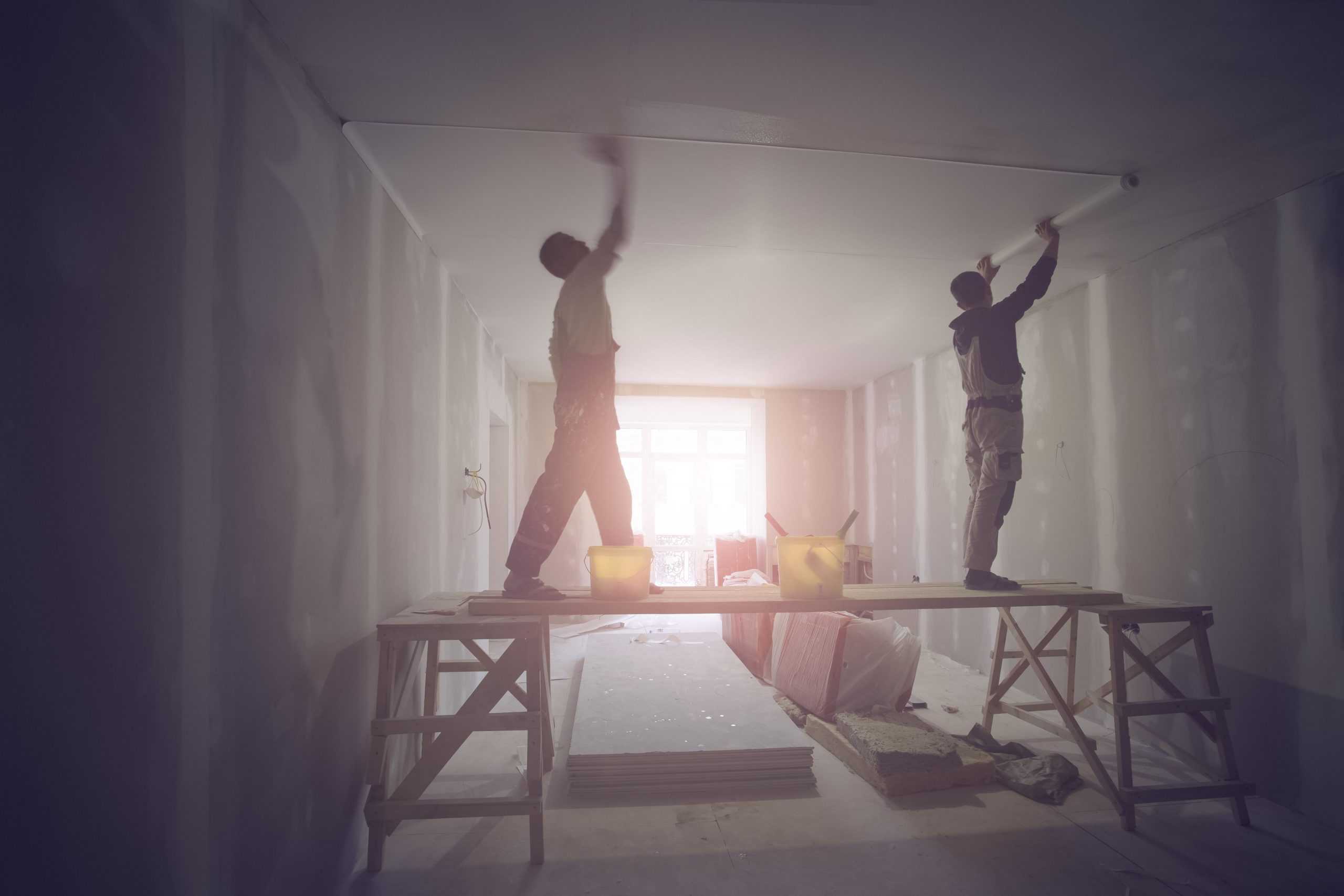
We provide full-scope residential demolition services for Woodsburgh homeowners — from selective interior demolition ahead of a kitchen or bathroom renovation, to full-floor gut work on estate properties being rebuilt from the inside out. We also handle structural demolition of flood- or storm-damaged materials, which matters in a village that sits along Brosewere Bay and has seen what South Shore weather can do to a finished basement or a ground-floor living space.
Every project starts with a hazardous materials assessment. If asbestos is present — and in a pre-1980 Woodsburgh home, there’s a real chance it is — we abate it under our NYS DOL Asbestos Handling Contractor License before demolition proceeds. If the home predates 1978, we apply EPA RRP protocols for lead paint disturbance. These aren’t add-ons. They’re built into how we work on every project in this area.
We handle the Village of Woodsburgh permit process directly. We coordinate with the Building Department, manage the required inspections, and provide complete project documentation at closeout — disposal manifests, clearance testing results, and permit records. For a home in the $1–7 million range, that documentation isn’t a formality. It’s part of protecting the asset.
Does the Village of Woodsburgh require a permit for interior demolition work?
Yes — the Village of Woodsburgh requires a permit for all demolition work, including interior demolition. That means if you’re gutting a kitchen, removing a wall, or tearing out a bathroom, a permit needs to be in place before any work begins. This is administered through Woodsburgh’s own Building Department — not the Town of Hempstead — which means the process runs through the village office directly.
A lot of homeowners assume interior demo doesn’t need a permit, especially for what seems like a simple renovation. In Woodsburgh, that assumption creates real risk — unpermitted work can complicate a future sale, trigger issues with your homeowner’s insurance, or result in a stop-work order mid-project. When you work with us, we pull the permit in our name as the licensed contractor of record and handle the coordination with the Building Department from start to finish.
Do I need asbestos testing before starting a demolition project in Woodsburgh?
If your home was built before 1980 — which describes the majority of properties in Woodsburgh — then yes, asbestos testing before demolition is both legally required and genuinely important. New York State requires an asbestos survey before demolition begins in any pre-1974 structure, and Nassau County follows that standard. Asbestos-containing materials were used extensively in floor tiles, pipe insulation, ceiling texture, joint compound, and roofing materials throughout the mid-20th century. You can’t identify them visually — testing is the only way to know what’s there.
If asbestos is found, it has to be abated by a contractor holding a NYS Department of Labor Asbestos Handling Contractor License before demolition can legally proceed. We hold that license. We conduct the survey, perform the abatement if needed, and then move into demolition — all under one contract. That matters because it eliminates the gap between finding asbestos and being able to actually proceed with your renovation.
What's the difference between a general contractor and a licensed demolition contractor in New York?
A general contractor license in New York does not authorize a contractor to disturb, remove, or dispose of asbestos-containing materials. That requires a separate NYS Department of Labor Asbestos Handling Contractor License — and without it, a contractor is legally prohibited from performing asbestos abatement, regardless of how experienced they are otherwise. This is a meaningful distinction in Woodsburgh, where the housing stock is predominantly pre-1980 and asbestos is a realistic finding on almost any demolition project.
Beyond asbestos, a licensed demolition contractor in Nassau County is also required to hold a Nassau County Home Improvement Contractor license for residential work, and any contractor working in pre-1978 homes must carry EPA RRP certification for lead paint disturbance. These aren’t technicalities — they’re the legal framework that governs how demolition is done safely and compliantly. Hiring a contractor who holds all of these credentials means the work is covered from every angle, and you’re not exposed to liability if something is found mid-project.
How much does residential demolition typically cost for a Woodsburgh home renovation?
Demolition cost in Woodsburgh depends on the scope of the project, the age of the home, and what’s found during the hazardous materials assessment. A selective interior demolition — gutting a kitchen or bathroom — will run differently than a full-floor gut or a structural demolition involving flood-damaged materials. For most interior demo projects in older Nassau County homes, you should expect the base demolition work to be one component of a larger cost picture that includes asbestos testing, abatement if needed, permit fees, and disposal of hazardous materials.
What matters most is understanding what you’re actually paying for. A quote that seems low often excludes the asbestos survey, the abatement, or the permit — costs that don’t disappear just because they weren’t in the original number. In a home worth over a million dollars, the risk of cutting corners on any of those line items isn’t worth the short-term savings. We provide transparent, itemized estimates so you know exactly what’s included before work begins.
Can a demolition contractor in Woodsburgh also handle mold or water damage from storm flooding?
Yes — and in Woodsburgh specifically, this comes up more than people expect. The village’s southern boundary runs along Brosewere Bay, and the South Shore of Nassau County has seen serious storm surge and flooding from major weather events. Hurricane Sandy caused widespread structural water damage across the Five Towns area, and nor’easters and coastal storms continue to affect properties in this zone. When water gets into a structure, mold can begin growing within 24 to 48 hours — and once it’s behind walls or under flooring, it requires professional assessment and remediation before demolition of the affected materials can safely proceed.
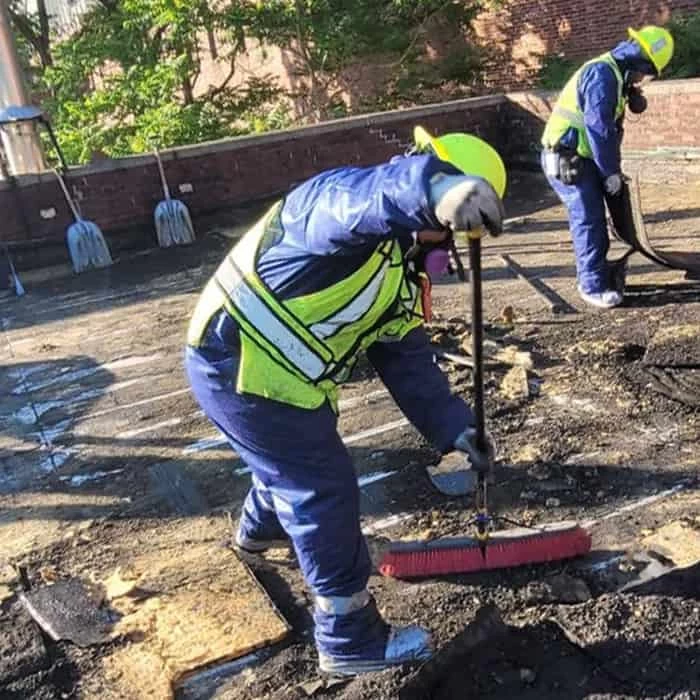
We handle mold assessment, remediation, and the structural demolition of water-damaged materials as part of the same scope of work. You’re not coordinating between a mold remediation company and a separate demo contractor — it’s one team managing the full process. For a bayfront community with real coastal weather exposure, having that capability under one roof is genuinely useful.
How long does a typical interior demolition project take in a Woodsburgh home?
The timeline for interior demolition in Woodsburgh depends on a few factors: the size of the scope, whether hazardous materials are found during the initial assessment, and how quickly the village Building Department processes the permit. For a straightforward interior gut — a kitchen or bathroom — the physical demolition work itself can often be completed in one to three days once permits are in place and any abatement is finished. If asbestos is present and needs to be abated first, that adds time to the front end of the project, but it’s not an indefinite delay when you’re working with a contractor who holds the right license and can move directly from abatement into demo.
The permit process through the Village of Woodsburgh’s Building Department is the variable most homeowners don’t account for. Because Woodsburgh operates its own Building Department — separate from the Town of Hempstead — the timeline for permit approval runs through the village office. We submit permit applications promptly and follow up with the Building Department to keep the project moving. We’ll give you a realistic timeline at the start of the project based on current permit processing and the specific scope of your job.