Woodside's Pre-War Buildings Need More Than a Wrecking Crew
When your building was built before 1987 and most in Woodside were demolition isn’t just a physical job. We handle the asbestos survey, the abatement, the permits, and the demolition itself, so nothing falls through the cracks.
I needed a professional consultation explanation of procedure for safe removal of Asbestos in my apartment complex. Without having an account yet, I was very impressed with the caring, knowledgeable and generous advice offered by Jessica, and will look forward to doing business in the future. Thank you so much! I feel much more informed about a sometimes scary endeavor. Peace. Nancy Silva Mineola, NY.
Mia Munoz
Used this company to clean up some water flood in my house. They were fast and easy to work with.very professional, Would recommend to anyone!
Nini Valle
Great company, had a flood and they responded quickly and efficiently. Billed my insurance company directly. I highly recommend this company!
joe colapietro, jr
I had pipe freeze in my basement right before a snow storm and they made to within an hour to help start the clean up process. They we by our side throughout the entire process and even helped with the insurance company. They did such a great job with the cleanup, repair, remidiation, I contracted them to perform the repairs and finishes in the basement. They came with enough manpower and material to get the job done. Leo and Jessica were nothing but a pleasure to deal with!!
Cristian Arredondo c
I had some water damage in my home and Green Island was able to take care of my issue quickly and effectively. I am very pleased with the work they did. They responded quickly and were very professional.
Michael M
Outstanding service! From the office to the field crew everyone was friendly, helpful and responsive. I highly recommend Green Island Group.
One Contractor. No Gaps. No Surprises Mid-Project.
Here’s what most Woodside property owners don’t find out until it’s too late: the demolition contractor they hired doesn’t handle asbestos. So the project stops. They scramble to find a certified abatement company. Permits stall. Weeks go by. That’s just how it goes when you hire a demo-only crew in a neighborhood where virtually every building triggers mandatory asbestos investigation under NYC Local Law 76.
Woodside’s housing stock tells the story. The rowhouses on the side streets off Roosevelt Avenue, the brick apartment buildings near the 61st Street station, the co-op towers like Big Six most of this neighborhood was built between 1900 and 1965. That means lead paint, asbestos-wrapped pipes, floor tiles with regulated materials, and insulation that can’t legally be touched without a certified investigator on file before the NYC Department of Buildings will even issue a demolition permit.
When you work with us, the survey happens first, the abatement gets handled under full NYS DOL and NYC DEP certification, and the demolition follows all under one contract. You’re not managing three separate companies or waiting on one to hand off to the next. The job moves forward on a real timeline, and when the crew leaves, the site is cleared, prepped, and ready for whatever comes next.
340+ Projects In Woodside and Across Queens. Zero Guesswork Left.
We’ve been doing demolition and environmental work across New York City and the metro area for over 12 years, with deep roots in Woodside and the surrounding Queens neighborhoods. That’s not a number to impress you it’s context for what it means when we say we’ve seen this before. Pre-war co-op in western Queens with a shared foundation wall and a co-op board that needs documentation before anyone sets foot on the property? We’ve handled it. Gut renovation on a two-family rowhouse where the basement flooded and the subfloor needs to come out before mold sets in? That too.
We hold NYC Department of Buildings licensing, NYS DOL certification under Industrial Code Rule 56, and NYC DEP certification for asbestos abatement the full regulatory stack that applies to demolition work in Woodside and every other borough. With a 4.7-star rating across 33 reviews and 24/7 availability including direct insurance billing, we’re built for the kind of work that doesn’t wait for business hours.
What Actually Happens Before, During, and After Demo
It starts with a site assessment. Before any work begins before permits are pulled, before a crew is scheduled we evaluate the scope of the project and the age of the building. In Woodside, where the building stock is almost entirely pre-1987, that assessment almost always includes a pre-demolition asbestos investigation. A certified investigator surveys the materials in the affected areas and issues the ACP-5 form that NYC DOB requires before it will process a demolition permit. This step is not optional, and it’s not something you want to coordinate separately.
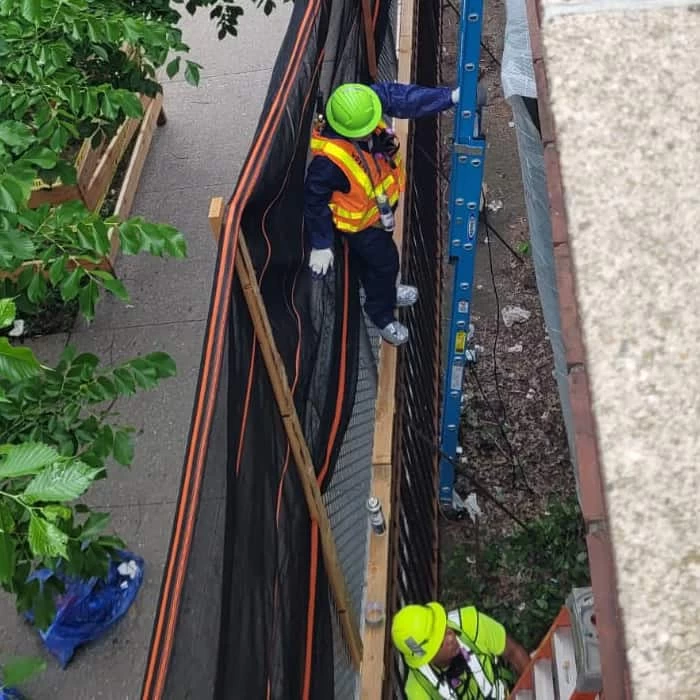
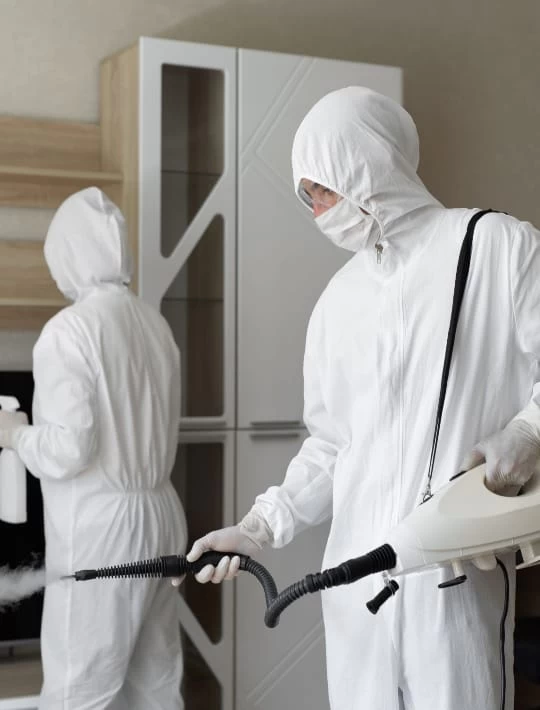
Once the asbestos survey is complete and any regulated materials are identified, the abatement phase begins. Asbestos-containing materials are removed under controlled conditions containment barriers, negative air pressure, licensed workers and disposed of properly in labeled 6-mil poly bags through a licensed hazardous waste carrier. Independent air clearance testing confirms the space is clean before demolition proceeds. The DOB permit is filed, inspections are scheduled, and structural work begins only after every regulatory box is checked.
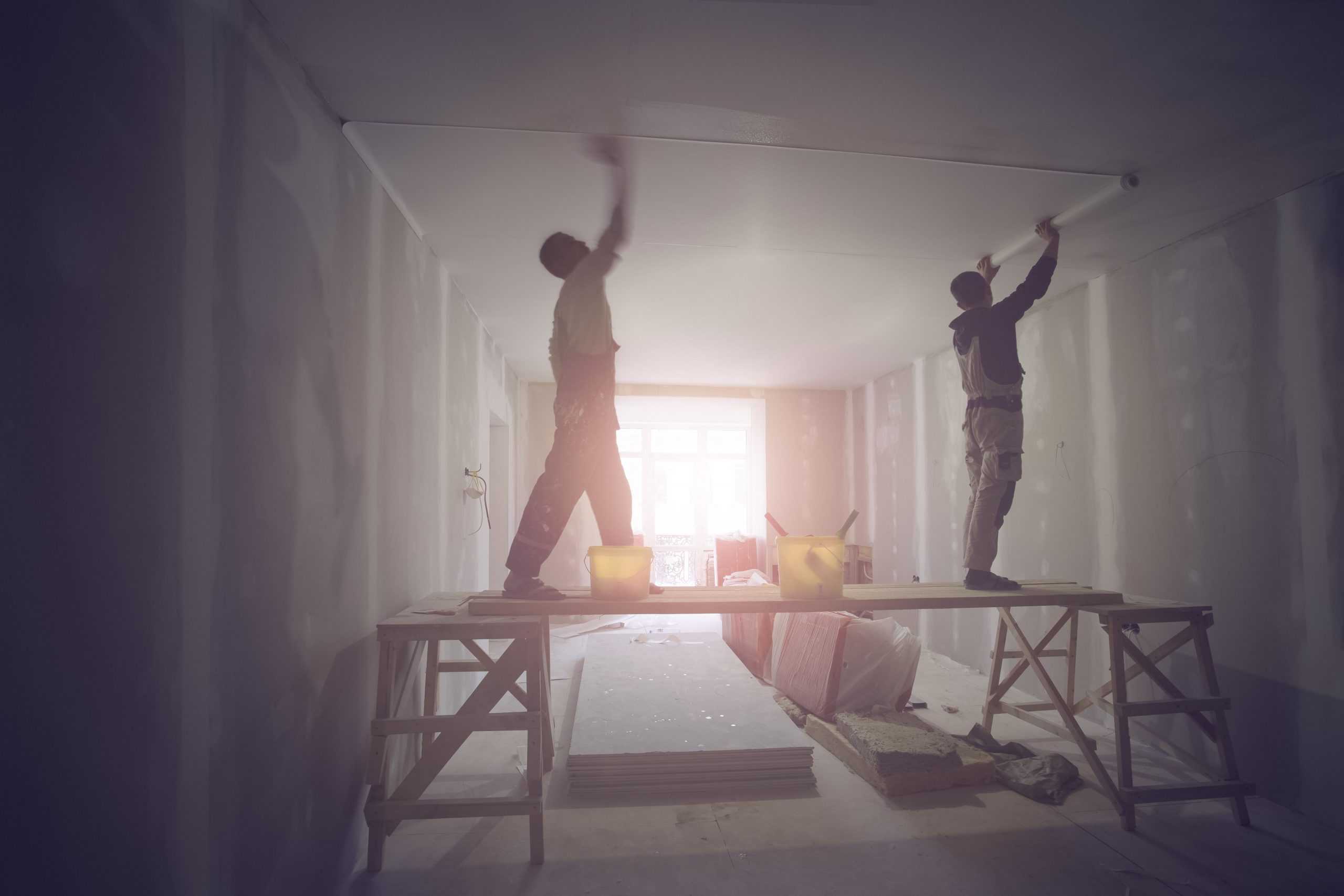
The demolition itself is executed with the precision that urban work in Woodside demands. Attached rowhouses, shared walls, occupied adjacent units, and tight lot access are the norm here not the exception. Debris is sorted, recycled where possible, and removed from the site entirely. When the job is done, you have a clean, cleared space and documentation that covers every step of the process.
Every Scope Covered From Gut Renovation to Full Teardown
We handle the full range of demolition work that Woodside property owners actually need. Interior demolition for gut renovations kitchens, bathrooms, full floor-through gut-outs in pre-war apartments is the most common project type in this neighborhood. We also handle selective structural demolition, partial teardowns, and full building demolition for the development projects that are actively reshaping the Queens Boulevard corridor, including the wave of new residential construction following Long Island City’s growth.
For commercial property owners along Roosevelt Avenue or Queens Boulevard, we work within the logistics of an active commercial corridor tight access, neighboring occupied businesses, and timelines that account for the cost of downtime. For landlords dealing with fire damage, basement flooding, or sewage backup, we respond 24/7 and bill insurance carriers directly, which removes one of the biggest headaches from an already stressful situation.
Every project includes the pre-demolition asbestos survey, licensed abatement if regulated materials are found, permit management through NYC DOB, independent air clearance testing, debris removal, and site prep. Nothing is handed off to you to coordinate. The scope is comprehensive because in Woodside’s building environment, anything less creates gaps and gaps in demolition work in New York City create liability.
Do I need an asbestos test before demolition on my Woodside property?
If your building was constructed before April 1, 1987 which covers the overwhelming majority of residential and commercial buildings in Woodside then yes, an asbestos investigation is legally required before NYC DOB will issue a demolition permit. This isn’t a recommendation; it’s a hard regulatory requirement under NYC Local Law 76. A certified asbestos investigator must survey the affected areas and issue an ACP-5 form confirming either that no regulated materials are present or that abatement has been completed. Without that form, the permit process doesn’t move forward.
The practical reality in Woodside is that most buildings the 1920s rowhouses, the Art Deco apartment buildings, the mid-century co-ops will have at least some materials that need to be assessed. Floor tiles, pipe insulation, joint compound, roofing materials, and ceiling tiles from that era commonly contain asbestos. The survey tells you exactly what’s there and what needs to come out before demolition can begin. We handle this as part of the project, so you’re not tracking down a separate investigator while your timeline sits still.
How long does a demolition permit take to get approved in Queens, NY?
Permit timelines through the NYC Department of Buildings vary depending on the scope of work, the completeness of the application, and how backed up the Queens DOB borough office is at the time of filing. For a standard interior demolition with a clean ACP-5 on file, you’re typically looking at one to three weeks for permit approval. Full building demolitions or projects that require additional sign-offs structural engineer review, utility disconnections, or community board notification can take longer.
The biggest source of delay isn’t the DOB itself it’s incomplete applications. Missing the ACP-5, submitting without proper insurance documentation, or filing without the required contractor license numbers will kick your application back and add weeks to the timeline. We manage the permit process from start to finish, which means the application goes in correctly the first time. We know what the Queens DOB office needs and how to avoid the back-and-forth that stalls projects before they even begin.
What's the difference between interior demolition and a full building teardown?
Interior demolition sometimes called a gut renovation or selective demo involves removing non-structural elements inside a building: walls, ceilings, flooring, fixtures, and finishes, while keeping the exterior shell and structural framework intact. This is the most common type of demolition work in Woodside, where property owners are renovating aging rowhouses, gutting apartment units between tenants, or clearing out commercial spaces along Roosevelt Avenue for a new buildout.
A full building teardown means the entire structure comes down to the foundation and sometimes the foundation as well, depending on what’s being built next. This type of work is more common on the Queens Boulevard development corridor, where older low-rise structures are being cleared to make way for new residential or mixed-use buildings. Both project types require asbestos surveys, permits, and utility disconnections before work begins. The regulatory process is the same; the physical scope and timeline are different. During your initial assessment, we’ll walk through exactly what your project requires so there are no surprises once work starts.
Does Green Island Group handle emergency demolition after flooding in Woodside?
Yes and in Woodside, this comes up more than people expect. The neighborhood’s aging sewer infrastructure and high water table make basement flooding a real and recurring issue, especially during heavy rain events. When water gets into the structure soaking subfloor framing, saturating wall cavities, or backing up through basement drains the affected materials often need to come out before any remediation or reconstruction can happen. Leaving wet structural components in place leads to mold growth within 24 to 48 hours, which turns a water damage job into a significantly larger and more expensive project.
We operate 24/7 and target a one-hour response window throughout Woodside and the surrounding Queens area. For insurance-related work, we bill carriers directly, which means you’re not fronting costs and waiting for reimbursement while your property sits damaged. If you’re dealing with an active flooding situation or the aftermath of a storm, call us directly the faster the response, the more contained the damage.
How much does interior demolition typically cost in Queens, NY?
Interior demolition costs in Queens vary based on the size of the space, the scope of what’s being removed, and what the pre-demolition asbestos survey finds. A single-room gut-out in a Woodside rowhouse will cost significantly less than a full floor-through gut renovation in a pre-war apartment building where multiple regulated materials are identified and need to be abated before structural work begins.
What’s important to understand is that national pricing guides don’t reflect what demolition actually costs in New York City. The mandatory regulatory overhead the ACP-5 survey, licensed abatement if needed, independent air clearance testing (which runs $600 to $1,200 per day and is legally required after abatement), licensed hazardous waste disposal, and NYC DOB permit fees is built into every legitimate quote for work in Woodside. A low bid that leaves those items out isn’t saving you money; it’s setting you up for a stop-work order or a compliance violation mid-project. When you get a quote from us, everything legally required is included. What you see is what the job actually costs.
Can a demolition contractor in Woodside work inside a co-op building?
Yes, but there are additional steps involved that don’t apply to single-family homes or rental properties. Co-op buildings in Woodside including larger complexes like Big Six Towers require contractors to meet the building’s specific insurance minimums, submit documentation to the co-op board or management company before work begins, and often comply with restricted work hours and noise ordinances that go beyond the standard NYC DOB requirements. Some buildings also require a pre-construction survey of adjacent units to document existing conditions before any demolition starts.
We have experience working within co-op building protocols in western Queens and understand what boards and management companies need to see before they’ll approve a contractor. That means the right certificates of insurance, the right license documentation, and a clear scope of work that the board can review. If you’re planning a renovation or gut-out inside a Woodside co-op and aren’t sure what the building will require of your contractor, that’s a good question to bring to your initial consultation it’s easier to get ahead of those requirements before the project is scheduled than to find out mid-process that something is missing.