Wyandanch Is Being Rebuilt Here's Who Handles the Hard Part
From aging ranch homes off Straight Path to commercial teardowns near the LIRR station, we manage the full scope of demolition work in Wyandanch demolition, hazmat, permits, and cleanup so nothing stops your project mid-track.
I needed a professional consultation explanation of procedure for safe removal of Asbestos in my apartment complex. Without having an account yet, I was very impressed with the caring, knowledgeable and generous advice offered by Jessica, and will look forward to doing business in the future. Thank you so much! I feel much more informed about a sometimes scary endeavor. Peace. Nancy Silva Mineola, NY.
Mia Munoz
Used this company to clean up some water flood in my house. They were fast and easy to work with.very professional, Would recommend to anyone!
Nini Valle
Great company, had a flood and they responded quickly and efficiently. Billed my insurance company directly. I highly recommend this company!
joe colapietro, jr
I had pipe freeze in my basement right before a snow storm and they made to within an hour to help start the clean up process. They we by our side throughout the entire process and even helped with the insurance company. They did such a great job with the cleanup, repair, remidiation, I contracted them to perform the repairs and finishes in the basement. They came with enough manpower and material to get the job done. Leo and Jessica were nothing but a pleasure to deal with!!
Cristian Arredondo c
I had some water damage in my home and Green Island was able to take care of my issue quickly and effectively. I am very pleased with the work they did. They responded quickly and were very professional.
Michael M
Outstanding service! From the office to the field crew everyone was friendly, helpful and responsive. I highly recommend Green Island Group.
What Actually Changes When the Right Contractor Shows Up
Most demolition jobs in Wyandanch don’t stall because of the structure itself. They stall because someone discovers asbestos behind the drywall, or a permit gets held up waiting on Letters of Compliance from LIPA and the Suffolk County Water Authority, or the contractor who showed up wasn’t equipped to handle what they found.
Wyandanch’s housing stock is predominantly post-WWII construction homes built in the 1940s, 1950s, and 1960s when asbestos was standard in floor tiles, pipe insulation, ceiling materials, and roofing. When you work with a contractor who handles asbestos abatement and demolition under the same license, you don’t get a phone call telling you the job is on hold. The work continues safely and legally, on your timeline.
The same goes for permitting. The Town of Babylon has specific requirements for demolition work in Wyandanch notarized applications, utility compliance documentation, and sign-off from multiple agencies before a single wall comes down. When that process is managed for you from day one, your project moves.
12 Years In, 5,000 Projects Deep This Isn't Our First Rodeo
We’re based in Bohemia, NY right in the heart of Suffolk County and have been handling demolition, asbestos abatement, environmental remediation, and site preparation across Long Island for over 12 years. More than 5,000 completed projects. More than 340 commercial demolition jobs in the New York metro area. That experience means we’ve worked through every scenario that tends to surprise other contractors in Wyandanch and the surrounding communities.
We know the Town of Babylon Building Department’s permit process inside and out. We know what the Suffolk County Water Authority requires for compliance letters. We know what asbestos inspectors look for in homes built during the suburban boom that shaped Wyandanch in the 1940s and 1950s. We hold the active NYS Department of Labor asbestos certifications, the $2 million-plus in general liability insurance, and the MWBE certification that makes us eligible for the type of publicly funded work happening right now through the Wyandanch Rising redevelopment initiative.
No Surprises Here's Exactly How the Process Runs in Wyandanch
It starts with a site assessment. Before anything is scheduled or quoted, we walk the property and evaluate what’s there structure type, materials, age, and any environmental factors that need to be addressed before demolition begins. For homes built in the 1940s through 1960s, which covers a large portion of Wyandanch’s residential inventory, that assessment includes evaluating the likelihood of asbestos-containing materials and lead-based paint. If testing is warranted, we coordinate it. If abatement is required, we handle it no subcontracting, no handoffs, no waiting on a separate company to clear the site.
Once the scope is confirmed, we manage the permit process with the Town of Babylon Building Department. That means pulling the demolition permit, gathering the required Letters of Compliance from LIPA, the Suffolk County Water Authority, and the Suffolk County Sewer District, and making sure every utility is properly disconnected before work begins. This is the step that bogs down most projects when contractors aren’t familiar with the local requirements.
Then the physical work begins. Demolition is executed cleanly, debris is removed from the site, and the area is left prepared for whatever comes next whether that’s new construction, a foundation pour, or a clean handoff to your builder. If your project involves an insurance claim, we work directly with your carrier throughout the process so you’re not stuck in the middle.
Full-Scope Demo Built for What Wyandanch Properties Actually Need
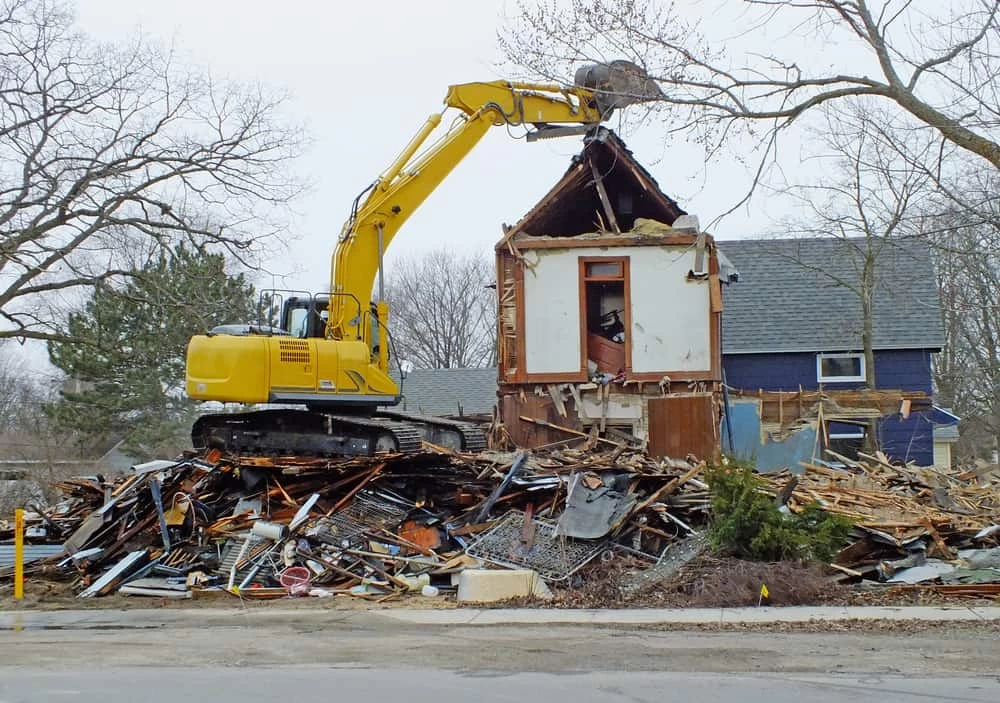
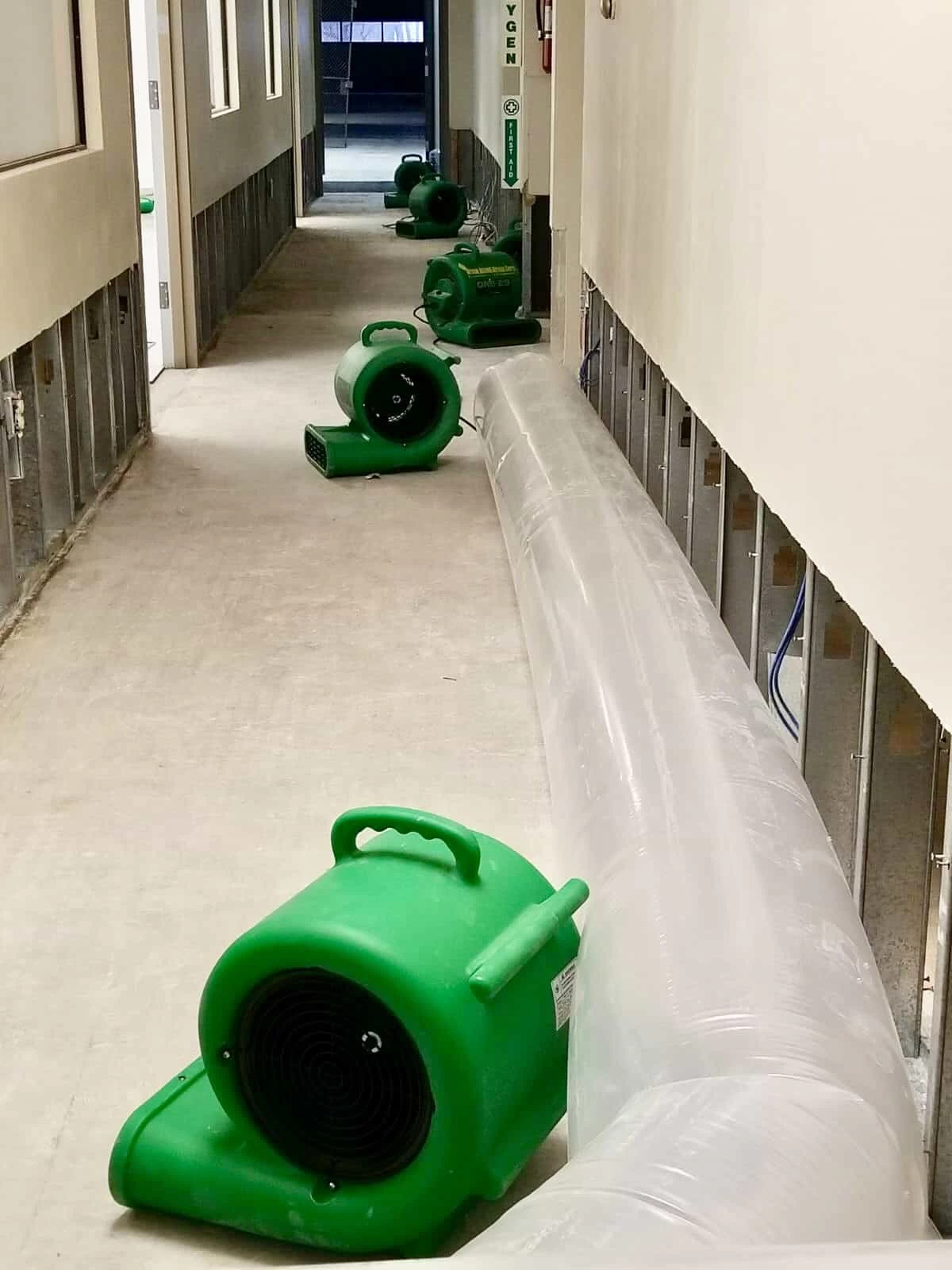
We handle residential demolition, commercial demolition, interior selective demo, and full structural teardowns along with every environmental and remediation service that tends to come with them. Asbestos abatement, lead paint removal, mold remediation, water damage demo, fire damage teardown, and debris removal are all part of what we do in-house. For Wyandanch homeowners dealing with an older property, that integration matters more than it might in a newer community because the odds of running into at least one hazmat issue in a pre-1980 home are not small.
For property owners and developers working within or near the Wyandanch Rising redevelopment corridor the 40-acre, transit-oriented development zone centered on the LIRR station along Straight Path we bring commercial demolition capability, brownfield site preparation, and MWBE certification that qualifies us for state and municipally funded contracts. The Alegria North project at 309 Merritt Avenue required the demolition of an existing commercial structure before construction could begin. That’s the kind of work we’re built for.
Whether you’re a long-term homeowner on Patton Avenue planning a gut renovation, a landlord managing a multi-family property, or an investor working in the redevelopment zone, the scope of service is the same: everything handled, nothing left for you to chase down.
Do I need a demolition permit in Wyandanch, NY before any work starts?
Yes a demolition permit is required for any structure being demolished in Wyandanch, which falls under the jurisdiction of the Town of Babylon Building Department. There are no exceptions for small structures or partial teardowns. The permit application must be signed and notarized by the property owner, and it requires documentation of contractor insurance, including workers’ compensation, disability, and general liability coverage.
Beyond the application itself, you’ll need Letters of Compliance from the Suffolk County Water Authority, LIPA, the Suffolk County Sewer District, and any underground utility providers before the permit can be issued. We handle the full permit process on your behalf, including all agency coordination, so your timeline doesn’t get lost in paperwork.
What happens if asbestos is found during demolition in my Wyandanch home?
In most cases, finding asbestos during demolition isn’t a crisis it’s a step in the process, as long as your contractor is equipped to handle it. The problem arises when the demolition contractor and the abatement contractor are two different companies. That’s when projects stop, timelines collapse, and costs spike while you wait for a separate crew to mobilize.
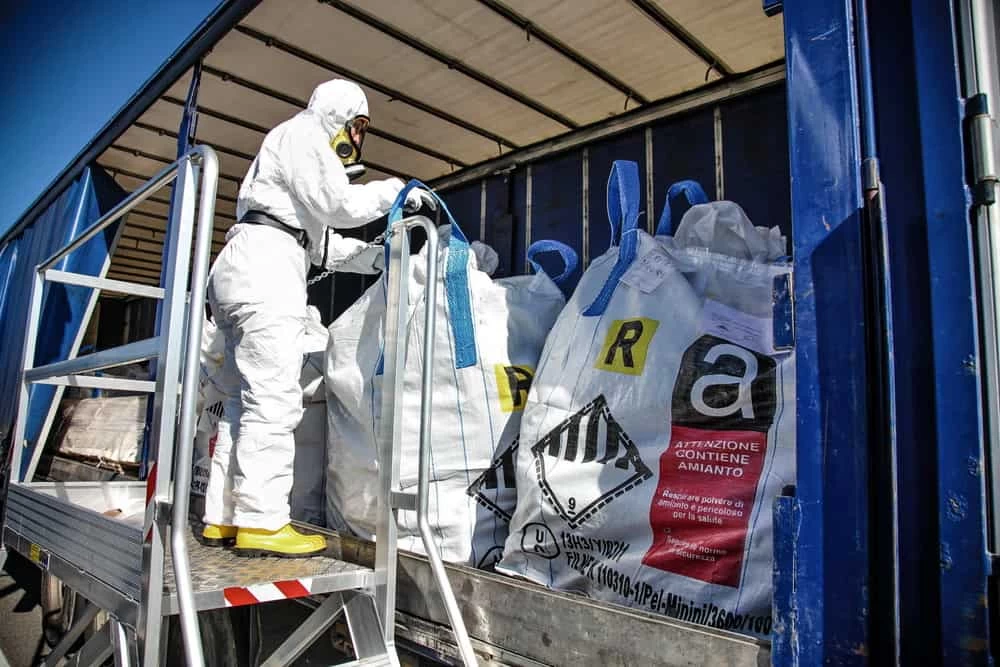
Because Wyandanch’s housing stock is heavily concentrated in the post-WWII construction era the 1940s through 1960s asbestos-containing materials are genuinely common. Floor tiles, pipe insulation, ceiling textures, roofing materials, and certain types of siding from that era frequently contain asbestos. We hold active NYS Department of Labor asbestos certifications and handle abatement in-house, meaning if asbestos is found during your project, the work doesn’t stop. We assess, abate, and continue all under the same license, the same crew, and the same project timeline.
How much does a demolition contractor typically cost in Wyandanch, NY?
Demolition costs vary based on the size of the structure, the type of demolition full teardown versus interior selective demo and what environmental conditions are present on the property. For a standard residential teardown in western Suffolk County, costs generally range from a few thousand dollars for interior selective work up to $15,000 or more for a full structural demolition with debris removal and site preparation. Asbestos abatement, if required, adds to that figure depending on the scope and material type.
What matters more than the starting number is what’s included. A low quote that doesn’t account for permit fees, utility compliance, asbestos testing, or debris hauling isn’t actually a low quote it’s a low starting point that grows. When you get a quote from us, we scope the full project from the beginning: permits, environmental assessment, physical demolition, and cleanup. The Town of Babylon also calculates permit fees based on the size of the demolition rather than a flat rate, so we factor that in upfront as well. No surprises mid-project.
Can a demolition contractor in Wyandanch help with an insurance claim after fire or water damage?
Yes, and this is one of the most practical things to look for when hiring a demolition contractor after a damage event. A lot of demolition jobs in Wyandanch are triggered not by planned renovations, but by pipe failures, basement flooding during nor’easters or summer storms, or fire damage especially in older homes where aging infrastructure and original building materials are more vulnerable.
When that happens, you’re already dealing with a stressful situation. We work directly with insurance companies on behalf of homeowners handling documentation, adjuster communication, and claim coordination alongside the physical demolition and remediation work. Our customers have specifically cited this as one of the most useful things we did throughout their project. If your situation started with an insurance event, let us know upfront and we’ll build that into how we manage the job.
What is the difference between full demolition and selective interior demolition?
Full demolition means the entire structure comes down foundation to roofline and the site is cleared for new construction or a clean handoff to a builder. Selective interior demolition, sometimes called a gut renovation demo, means removing specific elements inside an existing structure: walls, ceilings, flooring, fixtures, or systems while leaving the outer shell and foundation intact. Both require permits in the Town of Babylon, and both carry the same environmental considerations when the structure was built before 1980.
For Wyandanch homeowners renovating an older ranch home or bungalow, selective interior demo is often the starting point clearing out original materials to make way for updated systems and finishes. This is also where asbestos risk is most commonly encountered, since original floor tiles, ceiling materials, and pipe insulation are frequently disturbed during interior work. Understanding which type of demolition your project requires affects the permit process, the timeline, and the total cost and it’s something we walk through with you before any work is scheduled.
Is Green Island Group able to handle commercial demolition near the Wyandanch Rising development area?
Yes and it’s a type of work we’re specifically set up for. The Wyandanch Rising initiative is a $500 million, 40-acre redevelopment project centered on the LIRR station along Straight Path, and it has already required the demolition of multiple commercial structures to make way for new mixed-use construction. The 2023 Alegria North project at 309 Merritt Avenue is a recent example an existing commercial building had to come down before the new 81-unit development could break ground.
We hold MWBE certification, which qualifies us for state and municipally funded contracts a real consideration for developers and property owners working within or adjacent to the Wyandanch Rising corridor, where public funding sources often carry MWBE participation requirements. We handle commercial demolition, brownfield site preparation, environmental remediation, and debris removal at scale. If you’re a developer, investor, or property owner with a commercial project in or around the redevelopment zone, we’re familiar with the scope of work that area demands and the regulatory requirements that come with it.