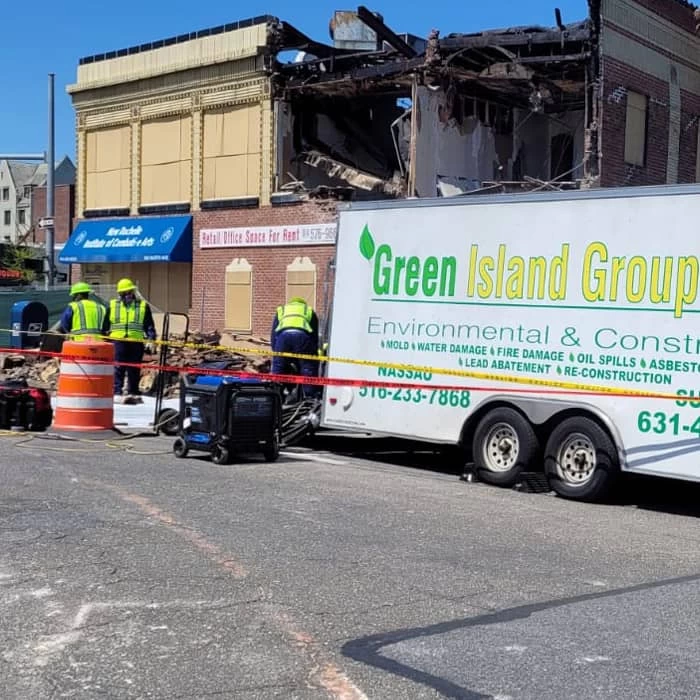
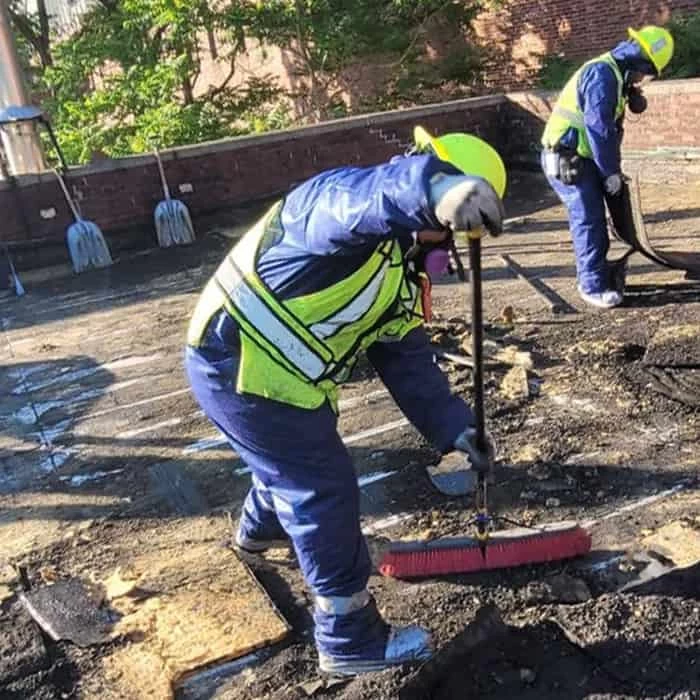
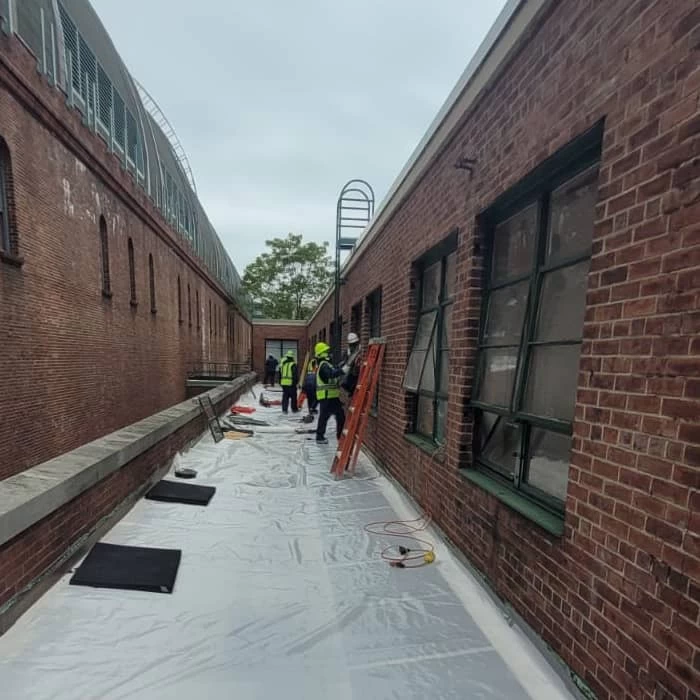
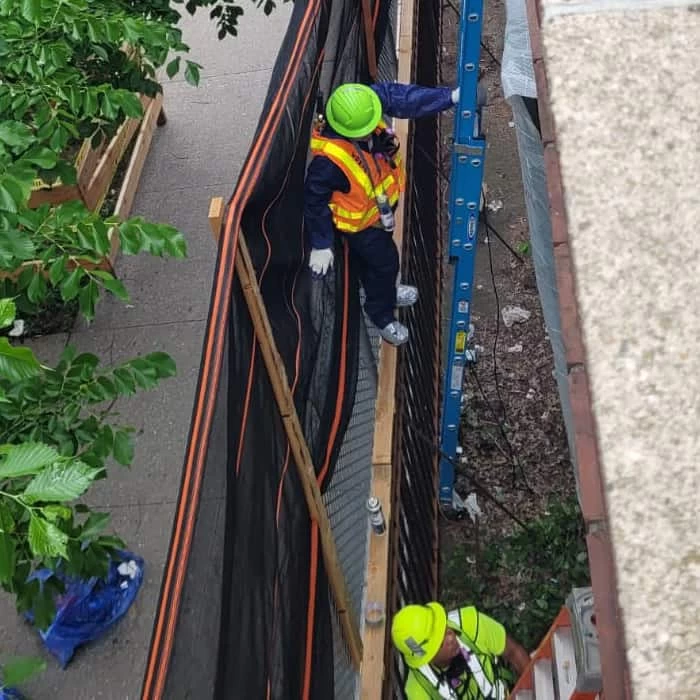
When fire hits a home on the Asharoken peninsula, the last thing you need is three different contractors trying to find their way down Asharoken Avenue. We handle fire damage restoration from the first emergency call to the final walkthrough so you’re not managing the chaos alone.
I needed a professional consultation explanation of procedure for safe removal of Asbestos in my apartment complex. Without having an account yet, I was very impressed with the caring, knowledgeable and generous advice offered by Jessica, and will look forward to doing business in the future. Thank you so much! I feel much more informed about a sometimes scary endeavor. Peace. Nancy Silva Mineola, NY.
Mia Munoz
Used this company to clean up some water flood in my house. They were fast and easy to work with.very professional, Would recommend to anyone!
Nini Valle
Great company, had a flood and they responded quickly and efficiently. Billed my insurance company directly. I highly recommend this company!
joe colapietro, jr
I had pipe freeze in my basement right before a snow storm and they made to within an hour to help start the clean up process. They we by our side throughout the entire process and even helped with the insurance company. They did such a great job with the cleanup, repair, remidiation, I contracted them to perform the repairs and finishes in the basement. They came with enough manpower and material to get the job done. Leo and Jessica were nothing but a pleasure to deal with!!
Cristian Arredondo c
I had some water damage in my home and Green Island was able to take care of my issue quickly and effectively. I am very pleased with the work they did. They responded quickly and were very professional.
Michael M
Outstanding service! From the office to the field crew everyone was friendly, helpful and responsive. I highly recommend Green Island Group.
What Full Recovery Actually Looks Like in Asharoken
Most homeowners are surprised by how far the damage really goes. The fire might have started in one room, but smoke moves fast through your HVAC system, into wall cavities, through closets and ceiling spaces you never thought to check. Soot starts bonding to surfaces within hours. By the time the fire trucks leave Asharoken Avenue, the clock is already running.
That’s especially true in Asharoken. The majority of homes here were built around 1962, which means insulation, floor tiles, and pipe wrapping may contain asbestos-containing materials. A fire in a home like that doesn’t just create smoke and soot it can disturb materials that require certified handling under New York State law. A company that only does fire cleanup can’t legally finish that job. We can.
There’s also the water. Firefighting suppression can push hundreds of gallons into your floors, walls, and ceilings. On a property surrounded by Northport Bay and Long Island Sound where salt air has already been working on your building materials for decades water left untreated moves fast toward mold. Getting fire and water handled by one team, under one scope of work, is how you avoid a second disaster inside the first one.
Local to the North Shore. Full Scope. No Handoffs.
We’re a locally owned Long Island restoration company not a national franchise, not a call center routing your job to whoever’s available. When you call, you reach real people. Customers specifically name Leo and Jessica in their reviews, because those are the people who actually guide you through the process from the first call to the final sign-off.
We serve Suffolk County’s North Shore, including the Northport and Huntington area, which means our crews know the roads, the housing stock, and the local permitting environment. Asharoken is an incorporated village with its own building authority, separate from the Town of Huntington. Restoration work that involves structural repairs requires permits issued by the village’s own Superintendent of Buildings. That’s a detail a lot of out-of-area companies miss, and it’s the kind of thing that causes costly delays when you’re already displaced from your home.
We handle the full scope: emergency response, smoke and soot removal, water extraction, asbestos abatement, demolition, reconstruction, and final finishes. One company. One point of contact. Complete recovery.
From Emergency Call to Finished Home Here's the Sequence
It starts with a call. We respond to emergency fire damage situations around the clock, and documented customer reviews confirm crews arriving within an hour. For a property in Asharoken where Asharoken Avenue is the only land route in that response speed matters. The sooner we’re on site, the less permanent damage your home absorbs.
Once on site, our first priority is assessment and stabilization. That means identifying the full extent of smoke and soot travel, locating water intrusion from suppression efforts, and flagging any environmental concerns including potential asbestos disturbance in pre-1978 construction, which applies to the majority of homes in Asharoken. If asbestos is present, certified abatement happens before any other work continues. New York State Department of Labor regulations require it, and skipping that step creates serious liability.
From there, the process moves through smoke and odor remediation, structural drying, demolition of unsalvageable materials, and reconstruction. Throughout the entire job, we help you navigate your insurance claim documenting scope, communicating with adjusters, and making sure your policy actually covers what it should. For a home worth over a million dollars on a waterfront peninsula, that part of the process is just as important as the physical work.
Everything Your Home Needs After a Fire, Under One Roof
Fire damage restoration isn’t one service it’s a sequence of them. Smoke and soot removal, odor neutralization, water extraction, structural drying, environmental remediation, demolition, and full reconstruction all have to happen in the right order to actually work. When you hire separate companies for each phase, things fall through the gaps. We cover the entire sequence, which means nothing gets missed and no one is pointing fingers at someone else’s scope of work.
For Asharoken homeowners specifically, the environmental piece is non-negotiable. Homes built before 1978 which describes most of the roughly 335 housing units in this village may contain asbestos in flooring, insulation, ceiling materials, or pipe wrapping. Fire disturbs those materials. We hold the certifications required by the New York State Department of Labor to handle asbestos abatement legally and safely, which means you don’t have to find a separate environmental contractor mid-project.
The insurance side of this is handled too. High-value properties in coastal Suffolk County communities like Asharoken often come with complex claims. We help you document everything properly, work alongside your adjuster, and make sure the full scope of your loss is captured not just the obvious damage. The goal isn’t to get the job done fast. It’s to get it done right, completely, and in a way your home actually deserves.
What should I do immediately after a house fire in Asharoken, NY?
The first thing to do is make sure everyone is safe and let the fire department clear the property before you re-enter. Once they’ve given the all-clear, your next call should be to a restoration company not to wait and see how bad it is. Soot begins bonding permanently to surfaces within 24 to 72 hours, and water from suppression efforts can start growing mold in as little as 24 to 48 hours. Every hour of delay adds to the final cost and the scope of permanent damage.
In Asharoken specifically, there’s an added layer to think about. If your home was built before 1978 which is likely, given the village’s median build year of 1962 you should not attempt any cleanup or demo yourself until the area has been assessed for asbestos-containing materials. Disturbing those materials without certified handling is a health hazard and a legal issue. Call a restoration company that can assess and handle the full scope, including environmental concerns, from the start.
Does fire damage restoration also cover the water left behind by firefighters?
Yes, and this is one of the most overlooked parts of fire damage recovery. Firefighting suppression can push hundreds of gallons of water into floors, walls, ceilings, and structural cavities often in rooms that weren’t even directly affected by the fire. If that water isn’t extracted and dried properly, it creates a secondary damage event: mold growth, structural deterioration, and long-term air quality problems.
For homes in Asharoken, this is a particularly serious concern. Decades of salt air exposure from Northport Bay and Long Island Sound affect how building materials absorb and hold moisture. Wood framing and insulation in coastal homes can retain water differently than inland properties, which means drying timelines and methods need to account for those conditions. We handle both fire and water damage as part of a single, coordinated restoration scope so you’re not managing two separate contractors trying to work around each other.
How do I know if my Asharoken home has asbestos that could be disturbed by fire damage?
If your home was built before 1978, there’s a real possibility that asbestos-containing materials are present somewhere in the structure. Common locations include floor tiles, ceiling tiles, pipe insulation, attic insulation, and roofing materials. You can’t identify asbestos by looking at it it requires testing by a certified professional. The important thing to know is that fire, water, and demolition activity can all disturb those materials, which triggers specific handling requirements under New York State Department of Labor regulations.
The majority of homes in Asharoken were built around 1962, which means this isn’t a rare edge case it’s a realistic scenario for most properties in the village. Before any cleanup, demo, or reconstruction work begins, a proper assessment should be done. If asbestos is found, certified abatement has to happen first, before other restoration work continues. We hold the NYSDOL certifications required for this work, so you don’t have to pause the project and find a separate environmental contractor mid-stream.
How does the insurance claim process work when hiring a fire restoration company?
Most homeowners haven’t filed a major fire damage claim before, and the process is more involved than most people expect especially on a high-value property. Your insurance company will send an adjuster to assess the damage, but their job is to determine what the policy covers, not necessarily to capture the full scope of what needs to be done. That’s where having a restoration company that understands the claims process becomes genuinely valuable.
We have a documented track record of helping homeowners navigate this process customers have specifically called this out in their reviews. We help document the full scope of damage, communicate directly with adjusters, and make sure nothing is overlooked or undervalued. For a home in Asharoken worth over a million dollars, the difference between a well-documented claim and a poorly documented one can be significant. You want someone in your corner who knows how to present the full picture, not just the surface damage.
Can a fire restoration company still reach Asharoken during or after a major storm?
This is a real and fair concern. Asharoken Avenue is the only land route into the village, and it’s documented to flood during major storm surge events. Hurricane Sandy brought a nine-foot surge over the beach berm in 2012, and the village’s seawall which protects the road from Long Island Sound has been described by local officials as being in serious need of replacement as of 2024. During an active storm that closes the road, land access is temporarily cut off for everyone, including emergency and restoration crews.
That said, the majority of fire damage restoration work happens after the immediate emergency once the fire is out and the property is stabilized. In most scenarios, access via Asharoken Avenue is possible, and having a restoration company already familiar with North Shore Long Island logistics means there’s no time lost figuring out the route. We serve the Northport and Huntington area directly, so our crews aren’t navigating this for the first time when they show up for your job.
How long does fire damage restoration typically take for a home in Asharoken?
The honest answer is that it depends on the scope, and scope in Asharoken homes can be more complex than average. A fire that appears contained to one room can involve smoke damage throughout the entire house, water intrusion in multiple structural cavities, and in pre-1978 construction asbestos abatement that has to happen before anything else moves forward. Each of those phases adds time, and they have to happen in the right sequence to be done correctly.
A smaller fire with limited smoke travel and no environmental concerns might be resolved in a few weeks. A more significant event involving full structural damage, environmental remediation, and reconstruction can take several months. The permitting process in Asharoken adds a layer here too the village has its own building permit authority, separate from the Town of Huntington, and structural restoration work requires permits issued by the village’s Superintendent of Buildings. We’re familiar with that process, which keeps the project moving rather than stalling while paperwork catches up.