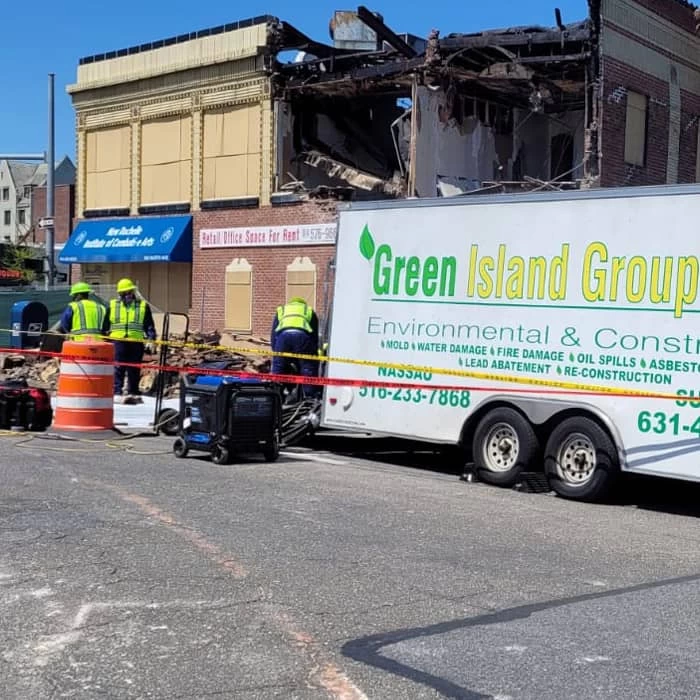
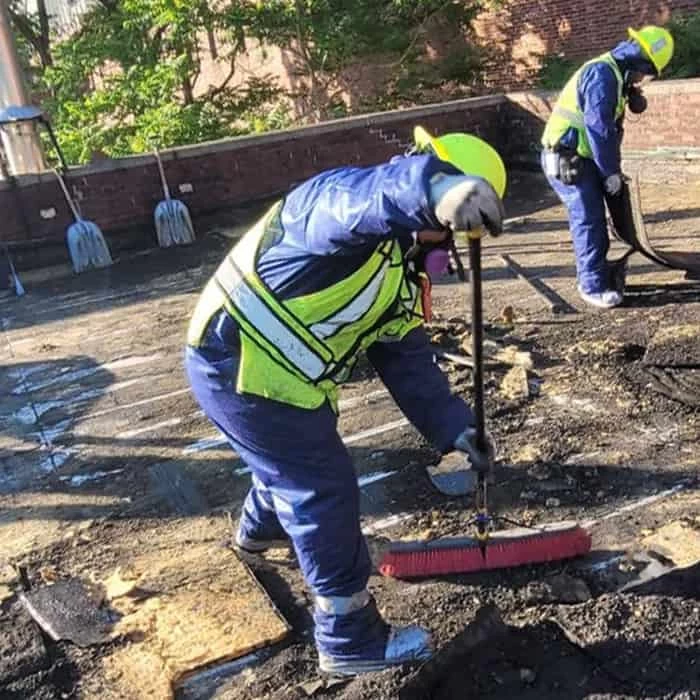
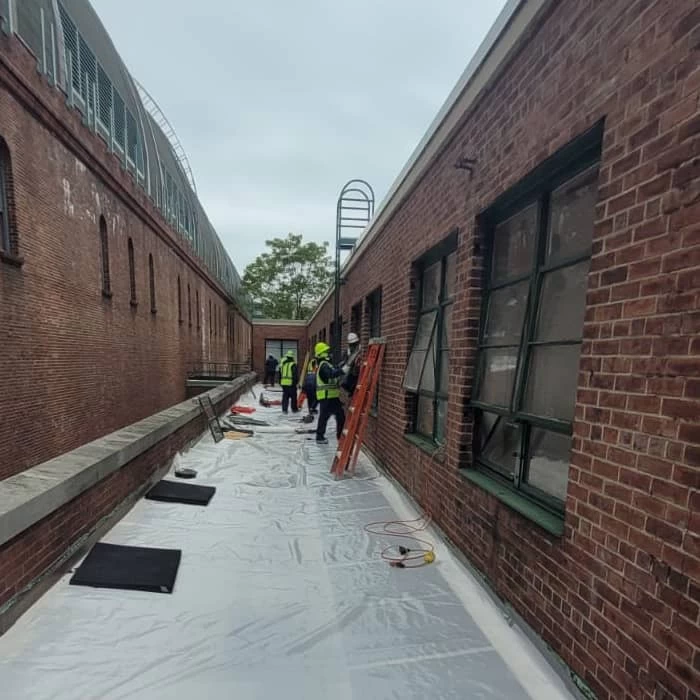
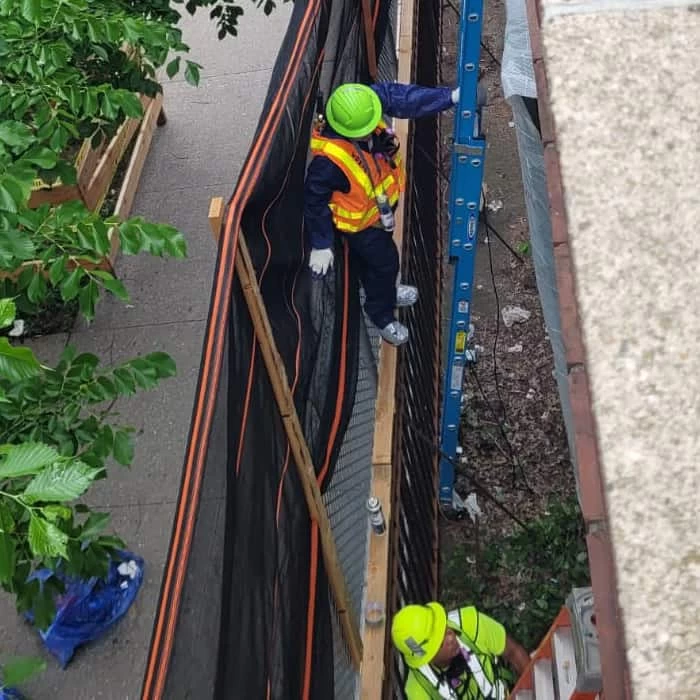
Fire damage in Baiting Hollow doesn’t stop at the burn line smoke travels, water soaks in, and the clock starts the moment the trucks leave. We respond fast and handle everything, so you’re not left managing this alone.
I needed a professional consultation explanation of procedure for safe removal of Asbestos in my apartment complex. Without having an account yet, I was very impressed with the caring, knowledgeable and generous advice offered by Jessica, and will look forward to doing business in the future. Thank you so much! I feel much more informed about a sometimes scary endeavor. Peace. Nancy Silva Mineola, NY.
Mia Munoz
Used this company to clean up some water flood in my house. They were fast and easy to work with.very professional, Would recommend to anyone!
Nini Valle
Great company, had a flood and they responded quickly and efficiently. Billed my insurance company directly. I highly recommend this company!
joe colapietro, jr
I had pipe freeze in my basement right before a snow storm and they made to within an hour to help start the clean up process. They we by our side throughout the entire process and even helped with the insurance company. They did such a great job with the cleanup, repair, remidiation, I contracted them to perform the repairs and finishes in the basement. They came with enough manpower and material to get the job done. Leo and Jessica were nothing but a pleasure to deal with!!
Cristian Arredondo c
I had some water damage in my home and Green Island was able to take care of my issue quickly and effectively. I am very pleased with the work they did. They responded quickly and were very professional.
Michael M
Outstanding service! From the office to the field crew everyone was friendly, helpful and responsive. I highly recommend Green Island Group.
Your Baiting Hollow Home Restored Not Just Cleaned Up
A fire doesn’t just damage what it touches. Smoke moves through wall cavities and HVAC systems, soot starts etching surfaces within 72 hours, and the water used to put the fire out creates its own mold risk within 24 to 48 hours. By the time you’re standing in the driveway watching the last truck pull away, the damage is already spreading into parts of the house you can’t see yet.
That’s the part most homeowners don’t realize and it’s exactly where the difference between a real restoration and a surface-level cleanup becomes clear. When the job is done right, you’re not just looking at a house that smells better. You’re walking back into a home that’s been fully assessed, properly dried, treated for air quality, and rebuilt to match what was there before.
For Baiting Hollow specifically, this matters more than most people expect. The older cottages and ranch-style homes throughout the hamlet many built during the mid-20th century when the area was still primarily a summer destination often contain asbestos-containing materials that get disturbed the moment fire or water hits them. And for the waterfront properties along the Sound, post-fire moisture doesn’t dry evenly in a coastal climate. Salt air, wind exposure, and humidity create conditions where mold can take hold fast if the drying process isn’t handled by someone who actually knows what they’re doing.
We’re a locally owned Long Island restoration company not a franchise, not a call center, not a crew dispatched from three towns over by someone who’s never seen your property. When you call, you reach the people who actually show up. Our customers have called out Leo and Jessica by name in their reviews, not because of a marketing campaign, but because they were the ones who answered, communicated clearly, and stayed on the job.
We serve Nassau County, Suffolk County, Queens, and the broader North Fork corridor including Baiting Hollow, Riverhead, and the surrounding communities. Whether you’re a year-round resident off Sound Avenue or managing a seasonal property in the Fox Hill communities near the bluffs, we handle the full scope: emergency response, smoke and soot remediation, water extraction, asbestos abatement, mold prevention, structural repair, and final reconstruction.
The satisfaction guarantee “We’re not done until you’re happy” isn’t a tagline. It’s the standard every job is held to.
The first call triggers an emergency response. We mobilize quickly documented by customers as arriving within the hour because in fire damage restoration, speed isn’t just a convenience. Every hour of delay widens the scope of what needs to be fixed and increases what it costs to fix it. For Baiting Hollow homeowners, where the nearest major restoration resources may be miles west in Riverhead or further, having a team that can actually move fast is the difference between saving your materials and replacing them.
Once on-site, we do a thorough assessment not just the visible burn area, but the rooms smoke traveled through, the HVAC system, the wall cavities, and anywhere firefighting water may have pooled or soaked in. Moisture mapping, air quality checks, and thermal imaging are part of how hidden damage gets found before it becomes a bigger problem. If the property is older and many homes in Baiting Hollow are we check for asbestos-containing materials before any demolition or debris removal begins. This is required under New York State Department of Labor certification standards, and it’s a step that unlicensed operators skip at your expense.
From there, the process moves through water extraction, structural drying, smoke and soot remediation, and then reconstruction. The Town of Riverhead requires building permits for structural restoration work, and we navigate that process so you don’t have to. One company, one point of contact, from the emergency call to the finished room.
Fire Smoke Damage Restoration Services in Baiting Hollow
Full-Scope Restoration Built for North Fork Properties
Fire damage restoration in Baiting Hollow isn’t a single service it’s a sequence of specialized work that has to happen in the right order, by people who are certified to do each part of it. We offer full-service restoration covering emergency stabilization, water extraction and structural drying, smoke and soot remediation, HVAC decontamination, asbestos abatement (New York State DOL certified), mold prevention and remediation, structural repair, and complete reconstruction with final finishes.
The asbestos piece is worth calling out specifically. A significant portion of Baiting Hollow’s housing stock dates from the 1940s through the 1970s, when the hamlet was transitioning from a summer home community to a year-round neighborhood. These properties commonly contain asbestos in floor tiles, insulation, pipe wrap, and ceiling materials. When fire or water disturbs those materials, you’re legally required to have a certified abatement contractor handle them before any other restoration work proceeds. We carry that certification most competitors in this market do not.
For the premium properties in the Fox Hill communities, Baiting Hollow Estates, and Oak Hills, the reconstruction phase is handled to match the original quality of the home. Custom millwork, high-end flooring, premium fixtures the rebuild reflects what was there, not a generic replacement. And for out-of-area property owners managing a seasonal or vacation home from a distance, we document damage thoroughly, coordinate directly with your insurer, and keep you informed without requiring you to be on-site every day.
What should I do immediately after a house fire in Baiting Hollow?
The most important thing you can do in the first hour is call a restoration company not wait for your insurance adjuster to tell you what to do next. Adjusters work on their own timeline. Soot and smoke damage don’t. Within 24 to 72 hours, soot starts permanently etching metal fixtures, countertops, and appliances. Within 24 to 48 hours, firefighting water creates the conditions for mold growth inside walls and under flooring.
Don’t try to clean anything yourself before a professional assessment. Wiping soot incorrectly can grind it deeper into surfaces and make restoration harder and more expensive. Don’t run your HVAC system smoke travels through ductwork and can spread contamination to rooms that weren’t directly affected. Document what you can with photos if it’s safe to do so, then get a restoration team on-site. The Riverhead Fire Department the primary responding agency for Baiting Hollow structure fires will clear the scene when it’s safe to enter. From that point, every hour matters.
Does homeowners insurance cover fire damage restoration in Suffolk County?
In most cases, yes standard homeowners insurance policies cover fire damage restoration, including smoke and soot cleanup, water damage from firefighting suppression, and structural repairs. But the details matter. Your policy’s coverage limits, your deductible, and how the damage is documented all affect what you actually receive from the claim.
This is where having a restoration company that actively works with your insurer makes a real difference. We’ve been specifically noted in customer reviews for guiding homeowners through the insurance process not just doing the restoration work, but helping document the full scope of damage in formats that insurers recognize, and staying involved through the claims process. Insurance companies have their own adjusters and their own financial incentives. Having someone in your corner who understands how restoration claims work in Suffolk County and who can speak to the full scope of damage, including hidden smoke infiltration and water damage typically results in a more complete settlement than if you’re navigating it alone.
Can a brush fire near my home cause smoke damage even if my house didn't catch fire?
Yes and this is a real risk for Baiting Hollow homeowners, not a hypothetical one. The Long Island Sound bluffs north of Sound Avenue have been the site of significant brush fires, including a documented 20-acre fire near Friar’s Head Golf Course that required 18 East End fire departments to contain. During that kind of event, smoke infiltrates homes in the surrounding area through gaps in windows, doors, and HVAC intake vents even homes that never had direct flame exposure.
Wildland and brush fire smoke behaves differently than smoke from a structure fire. It tends to be finer, travels further, and can coat interior surfaces and ductwork with a layer of particulate matter that isn’t always visible but affects indoor air quality significantly. If your home was near a brush fire event on Sound Avenue or in the Calverton area especially during the dry autumn conditions that the North Fork experiences regularly it’s worth having an air quality assessment done. You may have smoke infiltration in your HVAC system or wall cavities that isn’t obvious until it starts affecting your health or creating persistent odor.
How long does fire damage restoration take in Baiting Hollow, NY?
The timeline depends heavily on the scope of the damage, the size of the property, and whether any hazardous materials like asbestos are involved. For a contained kitchen fire with limited smoke spread, restoration can take anywhere from one to three weeks. For a more significant structure fire that affects multiple rooms, involves water damage from suppression, and requires structural repair and reconstruction, the timeline can extend to several months.
For properties in Baiting Hollow specifically, a few factors can affect the timeline. Older homes that require asbestos testing and abatement before demolition can add time to the front end of the project that testing and remediation has to be completed before other work proceeds, per New York State requirements. The Town of Riverhead’s building permit process also adds time to the structural repair and reconstruction phase, since permits are required for electrical, plumbing, HVAC, and structural work. We manage the permitting process directly, which avoids the delays that come from homeowners trying to navigate Town of Riverhead requirements on their own while also managing a restoration project.
My Baiting Hollow home is older do I need to worry about asbestos after a fire?
If your home was built before 1980, asbestos is a real consideration not a formality. Baiting Hollow’s housing stock includes a significant number of homes built during the mid-20th century, when the hamlet was still largely a summer home community. Asbestos was commonly used in floor tiles, ceiling tiles, pipe insulation, joint compound, and roofing materials during that era. When fire or water damages these materials, asbestos fibers can become airborne and at that point, you’re dealing with a regulated hazardous material that requires state-certified handling.
Under New York State Department of Labor regulations, asbestos abatement must be performed by a certified contractor before any demolition or debris removal proceeds. This is not optional, and it’s not something a general restoration crew can handle without the proper certification. We hold the required New York State DOL asbestos abatement certification, which means we can assess for asbestos, handle the abatement if it’s needed, and proceed with the full restoration without requiring you to bring in a separate environmental contractor. For homeowners in older Baiting Hollow properties, this is one of the most important questions to ask any restoration company before you hire them.
How does Green Island Group handle fire restoration for seasonal or vacation properties in Baiting Hollow?
Baiting Hollow has a meaningful number of seasonal and vacation properties the hamlet evolved from a summer home destination, and that history shows in the housing stock. If your North Fork property experienced a fire while it was vacant or unoccupied, or if you’re managing the situation from out of the area, the restoration process looks a little different than it does for a primary residence.
We document the damage thoroughly from the start photos, moisture mapping, air quality data, and a written scope of loss that your insurer can work from directly. We coordinate with your insurance adjuster on your behalf and provide regular updates so you’re not dependent on being physically present to know what’s happening. For properties in the Fox Hill communities or Baiting Hollow Estates where the home may sit vacant for part of the year, we also flag secondary issues like mold developing in areas where firefighting water wasn’t fully dried that can go undetected in a property that isn’t being checked regularly. The goal is to manage the project the way you would if you could be there every day, because most out-of-area owners simply can’t be.