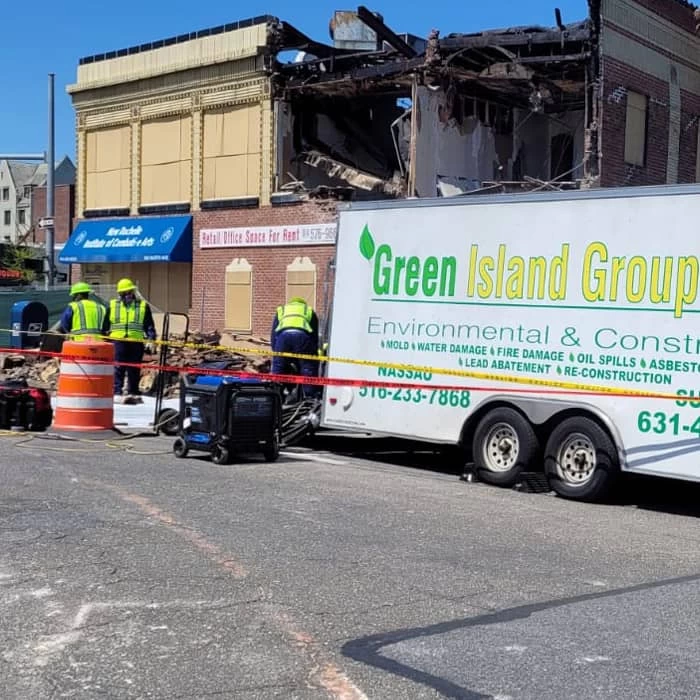
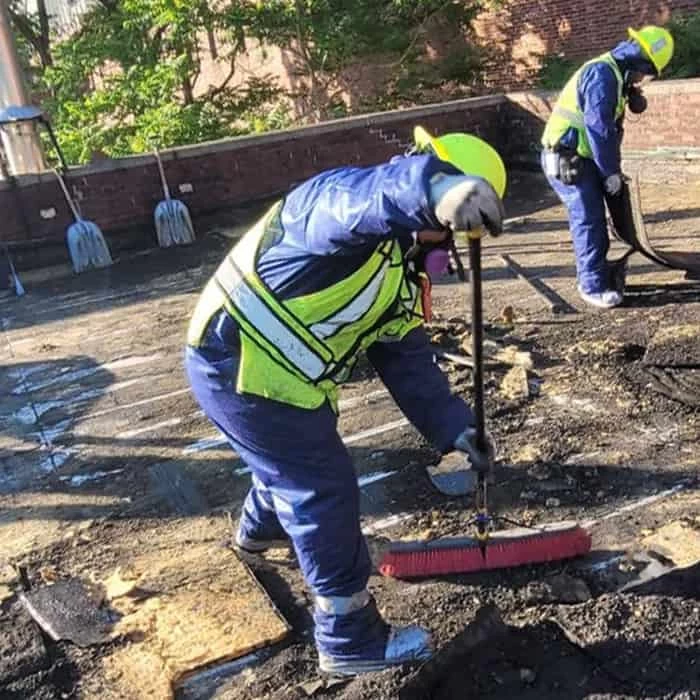
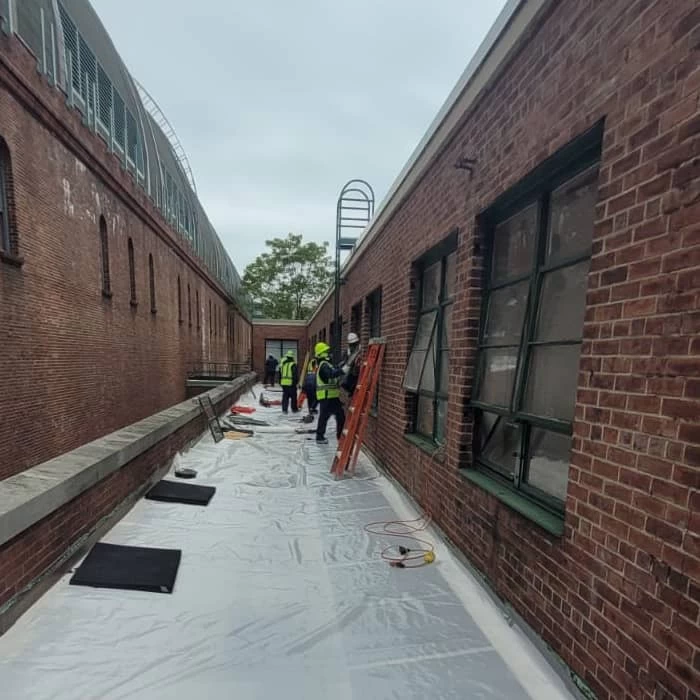
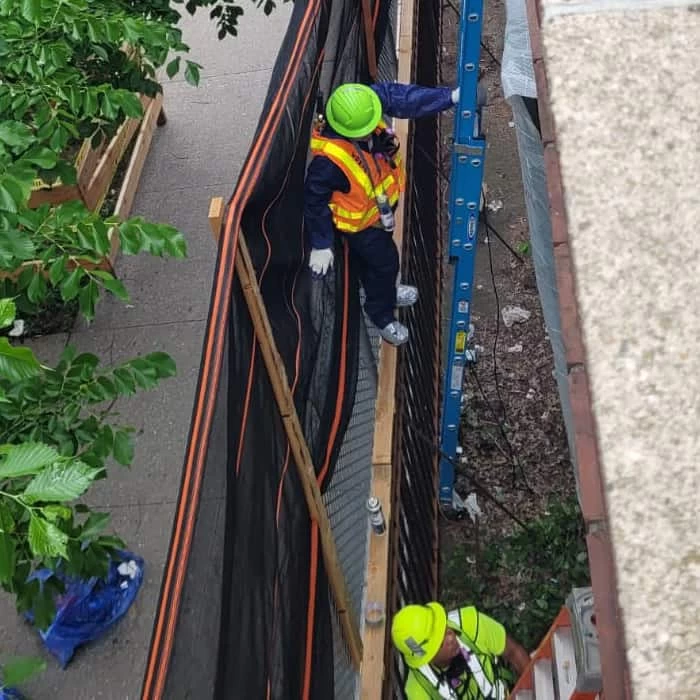
When fire hits a Bay Shore home, the damage runs deeper than what you can see. We handle fire damage restoration from the first emergency call to the finished room no handoffs, no guesswork.
I needed a professional consultation explanation of procedure for safe removal of Asbestos in my apartment complex. Without having an account yet, I was very impressed with the caring, knowledgeable and generous advice offered by Jessica, and will look forward to doing business in the future. Thank you so much! I feel much more informed about a sometimes scary endeavor. Peace. Nancy Silva Mineola, NY.
Mia Munoz
Used this company to clean up some water flood in my house. They were fast and easy to work with.very professional, Would recommend to anyone!
Nini Valle
Great company, had a flood and they responded quickly and efficiently. Billed my insurance company directly. I highly recommend this company!
joe colapietro, jr
I had pipe freeze in my basement right before a snow storm and they made to within an hour to help start the clean up process. They we by our side throughout the entire process and even helped with the insurance company. They did such a great job with the cleanup, repair, remidiation, I contracted them to perform the repairs and finishes in the basement. They came with enough manpower and material to get the job done. Leo and Jessica were nothing but a pleasure to deal with!!
Cristian Arredondo c
I had some water damage in my home and Green Island was able to take care of my issue quickly and effectively. I am very pleased with the work they did. They responded quickly and were very professional.
Michael M
Outstanding service! From the office to the field crew everyone was friendly, helpful and responsive. I highly recommend Green Island Group.
What Full Restoration Actually Looks Like for Bay Shore Homeowners
A fire in your Bay Shore home doesn’t stay in the room where it started. Smoke moves through walls, travels into HVAC ductwork, and settles into every porous surface in the house including rooms that never saw a flame. In the older homes throughout Baywood and Baywood East, where most of the housing stock was built between the 1940s and 1960s, that smoke doesn’t just sit on the surface. It absorbs into real wood framing, plaster walls, and aging insulation in a way that standard cleaning simply can’t reach.
Then there’s the water. The Bay Shore Fire Department does their job, and they do it well but the water used to put out the fire soaks into your floors, walls, and structural cavities. Within 24 to 48 hours, those wet materials become a mold problem on top of a fire problem. Soot starts permanently etching surfaces in as little as 24 hours. Every hour that passes without a professional response is damage that compounds.
What full restoration looks like when it’s done right: the smoke smell is gone not masked, actually gone. The hidden moisture is gone. The compromised materials are removed and rebuilt to code. And if your home’s age means asbestos-containing materials were disturbed during the fire, those are handled by licensed professionals before any reconstruction begins. That’s what a complete fire restoration looks like for a Bay Shore homeowner. Not just cleaned up genuinely restored.
We’re a locally owned and operated restoration company based on Long Island not a franchise, not a call center, not a crew that rotates in and out with no continuity. When you hire us, you get named people who are accountable to you for the entire project. Jessica guides clients through the insurance process and is specifically mentioned by name in customer reviews for making a complicated claim feel manageable. Leo leads field operations. You’ll know who’s working on your home, and you’ll have a direct line to them throughout.
Bay Shore sits in the heart of our service area. We know the housing stock in this part of Suffolk County the mid-century Capes and ranches in Baywood, the waterfront properties near Penataquit, the older homes in the neighborhoods south of Sunrise Highway. We understand what fires do to homes built in this era, and we know how to restore them completely. Our satisfaction guarantee isn’t a slogan it means we stay engaged until the job is genuinely done to your standard, not just ours.
No Surprises Here's Exactly How We Handle Your Bay Shore Restoration
The first step is getting there fast. When you call, we respond quickly because in Bay Shore’s densely built residential neighborhoods, where coastal winds off the Great South Bay can push fire from one property to the next, time genuinely matters. On arrival, we assess the full scope of damage: not just the burn zone, but smoke penetration through the HVAC system, moisture levels in every affected area, and whether any hazardous materials like asbestos in pre-1970 construction were disturbed by the fire.
From there, we handle emergency stabilization and board-up if the structure needs it, then move into the remediation phase. That means soot and smoke cleanup, water extraction from firefighting efforts, odor elimination at the source using professional-grade methods, and environmental remediation where required. For Bay Shore homes built before 1978, that often includes licensed asbestos abatement and lead paint compliance under EPA RRP rules work that has to happen before any reconstruction can begin.
Once the structure is clean, safe, and cleared, we move into the rebuild. We pull the required permits through the Town of Islip Building Division, coordinate all structural, electrical, and finish work, and take the project through to completion. One company handles every phase. You don’t manage handoffs between a cleanup crew, an environmental contractor, and a general contractor that’s our job, not yours.
Fire damage restoration in Bay Shore isn’t a single service it’s a sequence of overlapping needs that have to be handled in the right order by people who understand what they’re doing. Our scope covers every phase: emergency response and structural stabilization, soot and smoke remediation, water damage extraction, mold prevention and remediation, environmental hazard removal, full demolition of unsalvageable materials, structural rebuilding, and final finishes. If your home needs it after a fire, it’s within our scope.
For homeowners in Baywood, West Bay Shore, and the older residential streets throughout central Bay Shore, the environmental piece is often where other contractors fall short. Homes built in the 1950s and 1960s routinely contain asbestos in floor tiles, ceiling materials, and pipe insulation. A fire that penetrates wall cavities or attic spaces almost certainly disturbs those materials. New York State law requires licensed abatement before restoration work can proceed and we handle that in-house, so your project doesn’t stall waiting for a separate environmental contractor.
The insurance side of this process is also part of what we do. We help document damage, work alongside your adjuster, and make sure the full scope including hidden smoke damage, water intrusion, and environmental remediation costs is captured in your claim. For most Bay Shore homeowners, this is the first major claim they’ve ever filed. Having someone in your corner who understands how that process works makes a real difference in the outcome.
What should I do immediately after a house fire in Bay Shore, NY?
The most important thing you can do in the first hour is call a restoration company and avoid re-entering the structure until it’s been assessed for safety. Smoke and soot exposure is a serious health risk, and structural integrity isn’t always obvious from the outside. The Bay Shore Fire Department will clear the scene, but they aren’t responsible for what happens to the structure after they leave.
Once you’ve made that call, contact your homeowners insurance carrier to open a claim. Document everything you can with photos before any cleanup begins your insurance adjuster will need that documentation. Don’t throw anything away yet, even items that look unsalvageable. In Bay Shore’s older housing stock, a professional assessment often reveals damage that isn’t visible on the surface, including smoke that has traveled through ductwork into unaffected rooms and moisture that has soaked into wall cavities from firefighting water. Getting a full assessment done quickly within the first 24 hours if possible limits how far that secondary damage spreads.
How long does fire damage restoration typically take for a Bay Shore home?
There’s no single answer, because the timeline depends heavily on the size of the fire, the age of your home, and what the assessment reveals once the remediation process begins. A contained kitchen fire with limited smoke spread might be fully restored in two to four weeks. A fire that penetrates wall cavities, triggers asbestos abatement requirements, and causes significant structural damage can take two to four months or longer.
For homes in Bay Shore’s older neighborhoods particularly in Baywood and the residential areas south of Sunrise Highway the environmental remediation phase often adds time that homeowners don’t anticipate. Licensed asbestos abatement in New York State has specific procedural requirements that can’t be rushed, and that work has to be completed and cleared before reconstruction begins. The permitting process through the Town of Islip Building Division also adds time for structural work. A realistic timeline from a restoration company you can trust will account for all of these phases upfront, not surprise you with them mid-project.
Does smoke damage spread to rooms that didn't catch fire in my home?
Yes and this is one of the most commonly underestimated aspects of fire damage. Smoke doesn’t follow the same path the fire did. It travels through any available opening: HVAC ducts, gaps in walls, spaces around electrical outlets, and the natural air movement within a structure. In a matter of minutes, smoke can penetrate rooms that are physically separated from the fire by multiple walls.
In Bay Shore’s older homes, this is a particularly significant issue. Homes built in the 1940s through 1960s often have plaster walls and real wood framing materials that are more porous than modern drywall and absorb smoke molecules deeply. Standard surface cleaning won’t remove odor or contamination that has penetrated into the material itself. A professional assessment should include air quality testing and a room-by-room evaluation of smoke penetration, not just a visual inspection of the burn zone. Skipping this step is one of the most common reasons homeowners end up with persistent odor and health concerns months after the restoration is supposedly complete.
Will my homeowners insurance cover fire damage restoration costs in New York?
In most cases, yes homeowners insurance policies in New York cover fire damage restoration, including smoke remediation, water damage from firefighting efforts, and structural repairs. The more important question is whether your claim will capture the full scope of what needs to be done, because insurance adjusters assess damage based on what’s documented, not necessarily what’s there.
This is where working with a restoration company that understands the claims process makes a real difference. We help document the complete scope of damage including hidden smoke penetration, moisture in wall cavities, and environmental remediation costs that are easy to miss in an initial assessment. In Bay Shore, where many homeowners are filing their first major claim, that documentation support can be the difference between a claim that covers the full restoration and one that comes up short. Keep in mind that asbestos abatement, which is frequently required in pre-1970 homes throughout Bay Shore, is a legitimate and coverable line item in most fire damage claims but it has to be properly documented and submitted.
My Bay Shore home was built in the 1950s do I need asbestos testing after a fire?
If your home was built before 1980 which describes the vast majority of homes in Baywood, Baywood East, and many of the residential streets throughout Bay Shore you should assume asbestos-containing materials are present until a licensed inspector confirms otherwise. Floor tiles, ceiling tiles, pipe insulation, attic insulation, and certain types of exterior siding from that era commonly contain asbestos. A fire that penetrates wall cavities, damages the attic, or disturbs flooring almost certainly disturbs those materials.
Under New York State Department of Labor regulations, any asbestos abatement work must be performed by a licensed contractor. This isn’t optional, and it isn’t something a general restoration crew can handle without the appropriate licensing. Attempting to proceed with reconstruction before abatement is completed puts your household at risk and creates significant legal and insurance liability. We handle licensed asbestos abatement as part of the restoration process, so this phase doesn’t stall your project or require you to find a separate contractor. It’s built into the scope from the beginning.
How do I choose the right fire restoration company in Bay Shore, NY?
The most important thing to look for is a company that handles the full scope not just the cleanup phase, but environmental remediation, structural repair, and the rebuild. A lot of companies in the Bay Shore market handle one piece of the process and hand you off to someone else for the rest. That means you’re managing multiple contractors, multiple timelines, and multiple points where things can fall through the cracks during an already stressful situation.
Beyond scope, look for a company that is genuinely local and accountable by name not a national franchise routing your call through a corporate dispatch center. Ask who will be your point of contact throughout the project, and whether that person will still be there in week six of a two-month restoration. In Bay Shore specifically, where a significant portion of the housing stock is older and environmental issues are a real part of most fire restoration projects, you want a company that is licensed for asbestos abatement and experienced with the Town of Islip’s permitting process. Reviews that mention specific staff by name, specific outcomes, and insurance navigation support are a strong indicator that you’re looking at a company that treats the project as a long-term commitment, not a quick cleanup job.