When the Smoke Clears on the Peninsula, You Need One Call That Covers Everything
Fire damage doesn’t wait, and neither should we. Green Island Group responds 24/7 and handles every step of fire damage restoration in Bayswater from emergency stabilization to full rebuild.
I needed a professional consultation explanation of procedure for safe removal of Asbestos in my apartment complex. Without having an account yet, I was very impressed with the caring, knowledgeable and generous advice offered by Jessica, and will look forward to doing business in the future. Thank you so much! I feel much more informed about a sometimes scary endeavor. Peace. Nancy Silva Mineola, NY.
Mia Munoz
Used this company to clean up some water flood in my house. They were fast and easy to work with.very professional, Would recommend to anyone!
Nini Valle
Great company, had a flood and they responded quickly and efficiently. Billed my insurance company directly. I highly recommend this company!
joe colapietro, jr
I had pipe freeze in my basement right before a snow storm and they made to within an hour to help start the clean up process. They we by our side throughout the entire process and even helped with the insurance company. They did such a great job with the cleanup, repair, remidiation, I contracted them to perform the repairs and finishes in the basement. They came with enough manpower and material to get the job done. Leo and Jessica were nothing but a pleasure to deal with!!
Cristian Arredondo c
I had some water damage in my home and Green Island was able to take care of my issue quickly and effectively. I am very pleased with the work they did. They responded quickly and were very professional.
Michael M
Outstanding service! From the office to the field crew everyone was friendly, helpful and responsive. I highly recommend Green Island Group.
A fire leaves behind more than char marks. There’s smoke embedded in walls, water soaked into floors from the hose lines, and in a neighborhood like Bayswater where most homes were built before 1970 materials like plaster, original hardwood, and older insulation hold onto soot and odor in ways that modern construction simply doesn’t. The longer that sits, the harder it becomes to reverse.
Bayswater’s location on Jamaica Bay adds another layer. Salt air and persistent coastal humidity accelerate the bonding of smoke particles to surfaces and speed up mold growth in anything that got wet during firefighting. What might take weeks to become a serious problem in a drier inland neighborhood can turn critical here in days.
When the restoration is done right, you’re not just patching walls. You’re walking back into a home that smells clean, looks whole, and is structurally sound. That’s the outcome. Getting there requires someone who understands both the fire restoration process and what it means to work in an older, coastal home where the conditions don’t forgive shortcuts.
We’re a Queens and Long Island restoration contractor that handles the full scope of fire damage recovery not just the cleanup phase, but everything through final reconstruction. That matters because most homeowners don’t want to manage three separate vendors while they’re displaced from their home on Bay 25th Street or Nameoke Avenue. One contractor, start to finish, is a simpler and faster path back to normal.
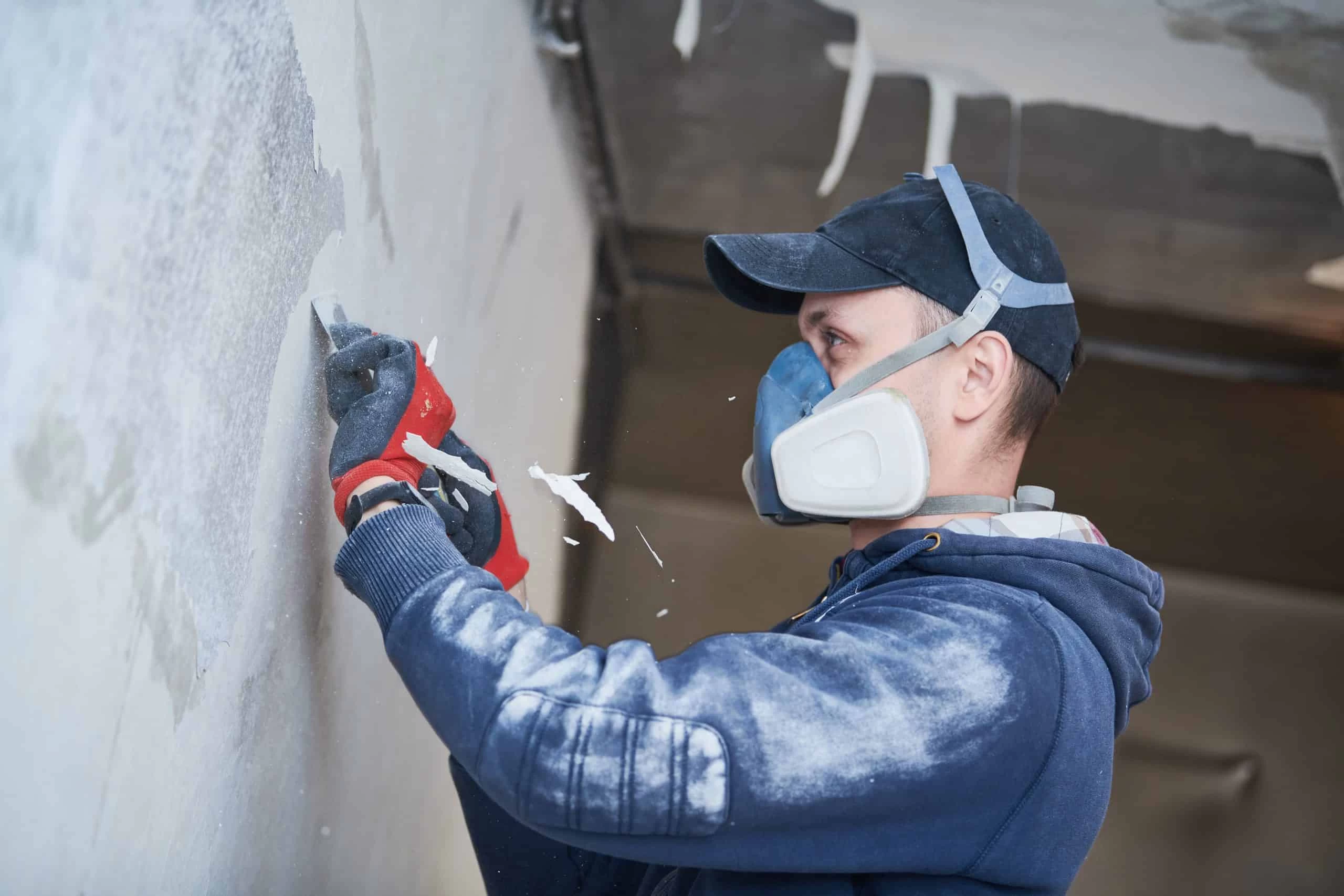
Our team is licensed for asbestos abatement, which comes up more often than people expect in Bayswater’s older housing stock. Pre-1980 construction which covers the majority of homes here frequently contains asbestos in floor tiles, pipe insulation, and joint compound. When fire damage exposes those materials, you need a contractor who can legally and safely handle them, not one who has to stop mid-project and bring in someone else.
We work directly with insurance companies and provide thorough damage documentation from the first day on site. In a community where every dollar of coverage counts, that’s not a minor detail.
From Emergency Call to Move-Back-In Day Here's the Honest Walkthrough
The first step is stabilization. That means boarding up openings, securing the structure, and making sure the property is safe to enter and assess. In Bayswater, where homes sit close together along the Bay streets and many have older wood-frame construction, containing the damage quickly matters both for your property and for what’s next to it.
Once the site is secure, we do a full damage assessment. That includes documenting everything for your insurance claim structural damage, smoke penetration, water saturation from firefighting, and any hazardous materials like asbestos or lead paint that were disturbed. This documentation phase is where a lot of homeowners lose money when they work with contractors who don’t know how to build a proper insurance file. We handle that from day one.
From there, the work moves through smoke and soot remediation, structural drying, odor elimination, debris removal, and reconstruction. In older Bayswater homes, reconstruction often involves matching original materials plaster finishes, hardwood floors, period-appropriate trim because a patchwork repair on a 70-year-old home shows. NYC DOB permits are pulled for all structural work, and if asbestos abatement is required, we handle that in compliance with NYC regulations before any demolition begins. You don’t have to manage any of that paperwork that’s on us.
Fire damage restoration in Bayswater isn’t a single service it’s a sequence of connected work that has to be done in the right order by people who understand how each phase affects the next. We cover emergency board-up and site stabilization, smoke and soot remediation, water extraction and structural drying, odor elimination, asbestos and lead paint abatement where required, full debris removal, and reconstruction back to pre-fire condition.
For homes in the 11691 ZIP code, the abatement piece is particularly relevant. The vast majority of Bayswater’s housing stock predates 1980, and NYC requires licensed abatement before any demolition work disturbs asbestos-containing materials. Skipping that step isn’t just a code violation it’s a health risk. We’re licensed to handle it, which means the project doesn’t stall waiting for a separate subcontractor to come in.
Insurance documentation runs through every phase of the job. From the initial assessment to final reconstruction, everything is recorded in a format that supports your claim with your adjuster. Bayswater homeowners have dealt with enough Hurricane Sandy made that clear when 175 homes on the Rockaway Peninsula were destroyed by fire in a single night from storm surge flooding. When disaster hits this neighborhood, it hits hard. The last thing you need is a contractor who leaves gaps in your claim file.
How quickly can fire damage restoration begin for a Bayswater home?
We offer 24/7 emergency response, which means the call you make at 2 a.m. gets answered not sent to voicemail. For Bayswater specifically, response time matters more than it does in most neighborhoods. The Rockaway Peninsula has limited access routes, and if you’re dealing with a post-storm situation where Beach Channel Drive or Mott Avenue is congested or compromised, a contractor who doesn’t know the area can lose hours just getting to you.
The first hours after a fire are the most critical window for limiting damage. Smoke particles begin bonding to walls and ceilings almost immediately, and in Bayswater’s coastal humidity, that process accelerates faster than it would in a drier environment. The sooner the stabilization and remediation work begins, the smaller the overall scope of restoration and the lower your out-of-pocket costs after insurance.
Does fire damage restoration also cover water damage from firefighting?
Yes, and this is one of the most misunderstood parts of the process. When firefighters extinguish a house fire, they’re putting significant volumes of water into your home into walls, floors, subfloors, and building cavities that weren’t designed to hold standing water. That water doesn’t dry on its own in any reasonable timeframe, and in a coastal neighborhood like Bayswater where ambient humidity stays elevated year-round, it creates ideal conditions for mold growth within 24 to 48 hours.
We handle both fire and water damage as part of a single, integrated restoration process. That means water extraction, structural drying with industrial equipment, and moisture monitoring to confirm the building envelope is dry before reconstruction begins. You won’t be handed off to a separate water damage company mid-project. The entire job stays under one contractor, which keeps the timeline tighter and eliminates the coordination gaps that cost homeowners time and money.
My Bayswater home is older does that affect how fire restoration is handled?
It does, and it’s important to work with a contractor who understands that before they start tearing things out. Homes in Bayswater built before 1980 which is the majority of the neighborhood’s housing stock frequently contain asbestos in floor tiles, pipe insulation, ceiling materials, and joint compound. They may also have lead paint on walls and trim. Both of these materials require specific handling protocols under NYC law, and neither can be disturbed during fire damage demolition without a licensed abatement contractor on site.
Beyond the hazardous materials question, older homes also have construction characteristics that affect how smoke and soot move through the building. Plaster walls, balloon-frame construction, and older HVAC systems create pathways for smoke penetration that are different from modern drywall construction. A restoration approach designed for a newer home won’t fully address what’s happening inside the walls of a 1950s Bayswater colonial. We have the abatement licenses and the experience with older construction to handle both.
How does the insurance claim process work during fire damage restoration?
The insurance process starts on day one, not after the cleanup is done. We document damage thoroughly from the initial site assessment photographs, written reports, material inventories, and scope-of-loss documentation that gives your insurance adjuster a complete picture of what the fire affected. This matters because incomplete documentation is one of the most common reasons homeowners receive less than they’re entitled to under their policy.
In Bayswater, where the median household income is modest and most residents are long-term owner-occupants who have been paying premiums for years, getting the full value of your coverage isn’t optional it’s essential. We work directly with insurance companies throughout the project and can help you understand what your policy covers, what documentation is required, and how to avoid the gaps that reduce claim payouts. You don’t need to navigate that process alone while you’re also dealing with temporary housing and everything else a fire brings with it.
Can fire damage and flood damage be restored at the same time?
Yes, and for Bayswater homeowners, this is a real scenario worth understanding. Hurricane Sandy in 2012 destroyed 175 homes on the Rockaway Peninsula in a single night not from the storm surge itself, but from fires ignited when floodwater inundated electrical systems. That’s a compound disaster: fire damage and flood damage occurring simultaneously in the same structure. It’s not a hypothetical for this neighborhood. It happened here.
We handle both fire damage restoration and water damage remediation as integrated services. When a home has experienced both, the restoration sequence matters you can’t reconstruct over wet materials, and you can’t fully dry a structure that still has fire-damaged components creating air infiltration. We manage that sequencing correctly, which prevents secondary problems like mold from developing behind newly rebuilt walls. If your home is in a FEMA flood zone and much of Bayswater is reconstruction may also need to meet NYC floodplain management requirements, which we account for in the project scope.
How long does fire damage restoration typically take for a home in Bayswater?
The honest answer is that it depends on the scope of damage, but most residential fire restoration projects fall somewhere between two weeks and three months from initial stabilization to completed reconstruction. A contained kitchen fire with smoke damage to adjacent rooms is a very different job than a fire that compromised structural framing or spread through multiple floors of a large older home.
In Bayswater, a few factors can affect the timeline specifically. If asbestos abatement is required which is common in pre-1980 homes that work has to be completed and cleared before demolition can proceed, which adds time to the front end of the project. NYC DOB permits for structural work also have a processing timeline that factors in. We pull all required permits and manage the abatement sequencing so those steps don’t create avoidable delays. From the first call, you’ll get a realistic project timeline based on what’s actually in front of the crew not an optimistic number designed to win the job.