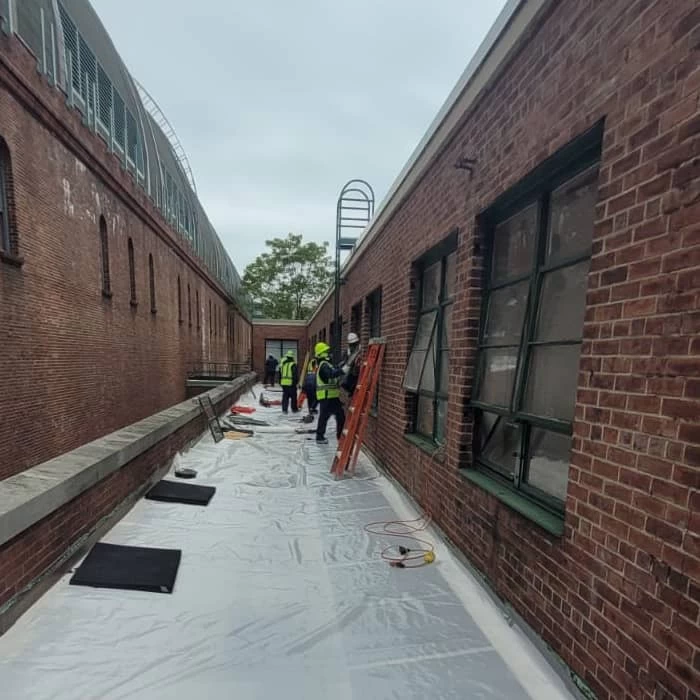
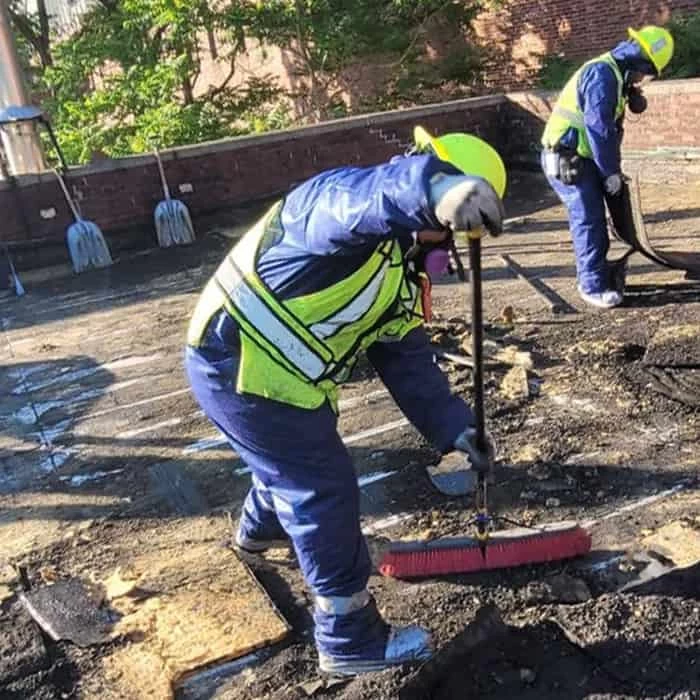
In Beechhurst’s coastal environment, fire damage compounds fast smoke, water, humidity, and older building materials all working against you. We respond quickly and handle everything under one roof, from emergency stabilization through complete reconstruction.
I needed a professional consultation explanation of procedure for safe removal of Asbestos in my apartment complex. Without having an account yet, I was very impressed with the caring, knowledgeable and generous advice offered by Jessica, and will look forward to doing business in the future. Thank you so much! I feel much more informed about a sometimes scary endeavor. Peace. Nancy Silva Mineola, NY.
Mia Munoz
Used this company to clean up some water flood in my house. They were fast and easy to work with.very professional, Would recommend to anyone!
Nini Valle
Great company, had a flood and they responded quickly and efficiently. Billed my insurance company directly. I highly recommend this company!
joe colapietro, jr
I had pipe freeze in my basement right before a snow storm and they made to within an hour to help start the clean up process. They we by our side throughout the entire process and even helped with the insurance company. They did such a great job with the cleanup, repair, remidiation, I contracted them to perform the repairs and finishes in the basement. They came with enough manpower and material to get the job done. Leo and Jessica were nothing but a pleasure to deal with!!
Cristian Arredondo c
I had some water damage in my home and Green Island was able to take care of my issue quickly and effectively. I am very pleased with the work they did. They responded quickly and were very professional.
Michael M
Outstanding service! From the office to the field crew everyone was friendly, helpful and responsive. I highly recommend Green Island Group.
The moment a fire is out, a different kind of damage starts. Smoke penetrates walls, soot settles into finishes, and the moisture left behind by suppression water starts working on everything it touches. In Beechhurst, that process moves faster than it does in most places. You’re sitting on the East River and Long Island Sound and that coastal humidity doesn’t pause while you figure out your next move.
For homes in the Shore Acres area or the older single-family streets near Powells Cove Boulevard, this matters more than most homeowners realize. A lot of the housing stock here was built in the 1940s through 1960s, which means fire damage doesn’t just mean charred walls it often means disturbed pipe insulation, old floor tiles, and materials that require a licensed eye before anyone starts tearing things out. Waiting on a contractor who has to subcontract that piece out adds days you don’t have.
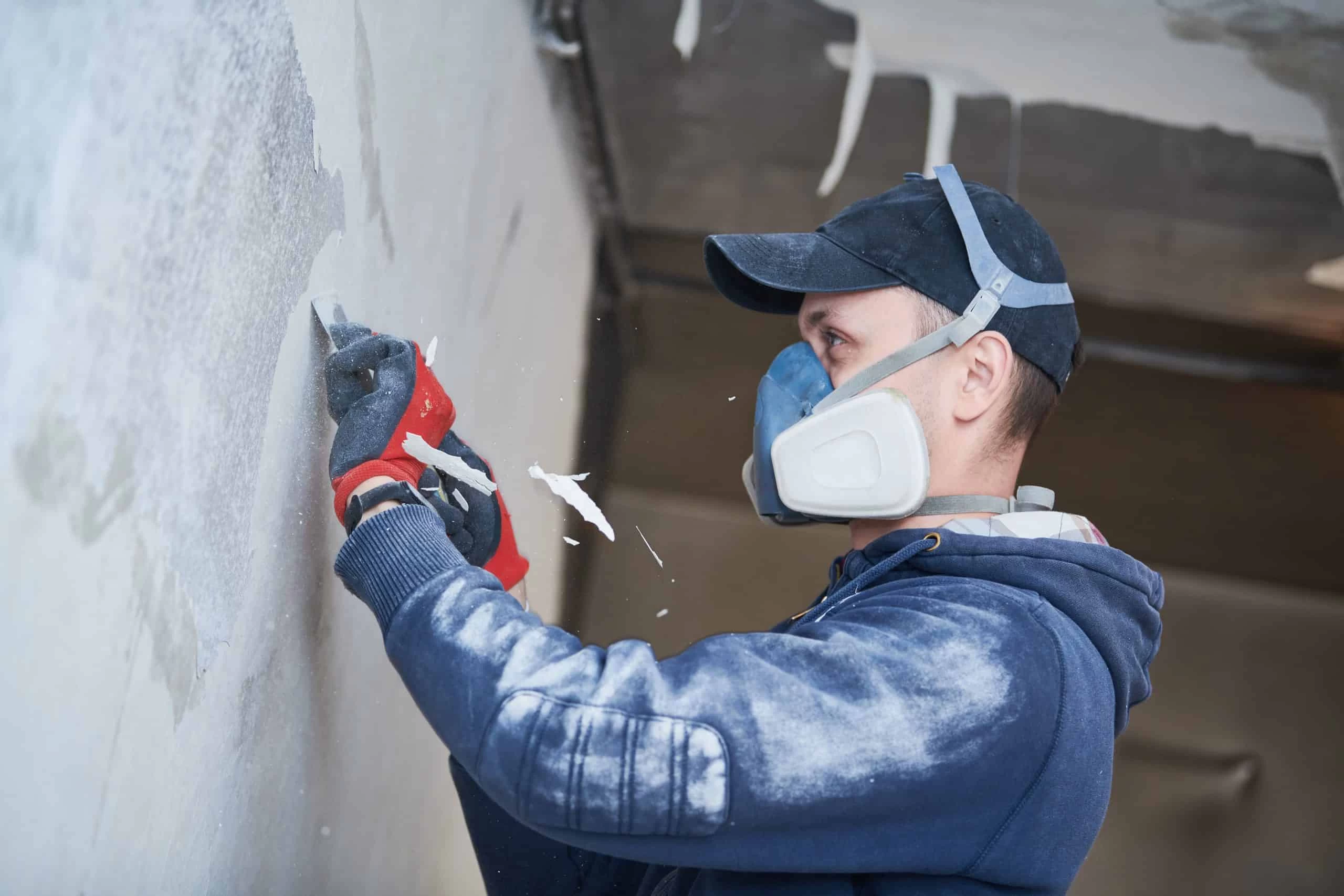
When the first call you make is to a team that handles fire restoration, water damage, mold, and asbestos abatement together, you’re not managing a relay race between separate companies. You’re moving in one direction, on one timeline, with one point of contact and your home gets back to where it was without the chaos that usually comes with it.
We’re a Queens and Long Island-based restoration contractor serving Beechhurst and surrounding communities. We handle fire damage, water damage, mold remediation, asbestos abatement, lead abatement, and more not as add-ons, but as core services we’re licensed and equipped to do in-house. That matters in a neighborhood like Beechhurst, where a single fire event can expose three or four separate damage categories at once.
This isn’t a franchise with a call center routing your job to whoever’s available. We’re a local team that knows northeastern Queens the waterfront co-ops, the older building stock, the NYC DOB permit process, and what it actually takes to restore a home here to the condition it was in before the fire. Whether you’re in a pre-war single-family home or a co-op unit at Le Havre or Cryder House, we handle the process with the same attention to detail and the same understanding of what’s at stake.
Reachable at 631-613-8945 and available around the clock for emergencies.
The first step is an emergency assessment. We come out, document the full scope of damage fire, smoke, soot, water from suppression, and any structural concerns and give you a clear picture of what you’re dealing with before anything else happens. In Beechhurst’s older homes, that assessment also flags whether asbestos-containing materials or lead paint may have been disturbed, because under NYC and EPA regulations, those areas require a certified survey before any demolition or restoration work begins. Skipping that step isn’t just dangerous it can create legal and insurance complications that slow everything down.
From there, we move into emergency stabilization: boarding up openings, extracting standing water, and setting up drying equipment to stop secondary damage from spreading. Smoke and soot removal comes next, using professional-grade techniques that protect hardwood floors, original millwork, and the kind of high-value interior finishes common in Beechhurst’s upscale homes. Structural repairs and reconstruction follow once the environment is clean and safe.
Throughout the entire process, we document everything for your insurance claim detailed photos, written scope, direct communication with your adjuster. For co-op shareholders at buildings like The Towers or Cryder Point, we also coordinate with managing agents and building staff to move through the co-op approval process without unnecessary delays. Our goal is a complete restoration, not a patch job.
Everything a Beechhurst Home Actually Needs After a Fire
Fire damage restoration in Beechhurst isn’t a single-service job. The physical fire is usually just the starting point. What follows smoke odor embedded in walls, water damage from sprinkler systems or firefighting, potential asbestos exposure in pre-1980 building materials, and mold that can begin growing within 48 hours in a humid coastal environment requires a team that’s equipped for all of it, not just the visible surface cleanup.
We offer emergency board-up and stabilization, full soot and smoke removal, water extraction and structural drying, odor neutralization, asbestos and lead abatement where required, mold remediation, and complete structural reconstruction back to pre-loss condition. For properties near the East River waterfront or in Beechhurst’s large co-op complexes, we also handle the specific documentation and coordination that NYC DOB permits, FDNY notification requirements, and co-op board approvals demand. If your property carries a landmark designation as two properties in Beechhurst do work that affects the exterior requires NYC Landmarks Preservation Commission review, and that process is something we’re familiar with navigating.
With average home values in Beechhurst approaching $790,000, a complete and properly documented restoration isn’t just about the physical structure it’s about protecting an asset that’s genuinely worth protecting.
Does fire damage restoration in a Beechhurst co-op work differently than a house?
Yes, and it’s worth understanding before you start making calls. In a co-op whether you’re at Le Havre, Cryder House, The Towers, or Cryder Point the restoration process involves a layer of coordination that doesn’t exist in a single-family home. Your co-op board and managing agent typically need to approve the contractor before work begins, and the building’s proprietary lease governs which parts of the unit are your responsibility versus the co-op corporation’s. Common areas, building systems, and shared infrastructure are the building’s problem; your interior unit is yours.
A contractor who isn’t familiar with this process will slow everything down waiting on board approvals, unclear on scope boundaries, unfamiliar with building staff protocols. We’ve worked in NYC co-op buildings and understand how to move through that process without creating friction. The faster the approval process goes, the sooner work starts and the sooner you’re back in your home.
How quickly does mold become a problem after fire damage in Beechhurst?
Faster than most people expect and Beechhurst’s location makes it faster than average. The neighborhood sits on the East River and Long Island Sound, which means ambient humidity levels are consistently elevated compared to inland Queens communities. After a fire, when a structure’s envelope is compromised and suppression water has soaked into walls, floors, and ceilings, mold can begin establishing itself within 24 to 48 hours under those conditions.
This is one of the strongest reasons to prioritize speed in your first call. Emergency stabilization extracting standing water, setting up commercial drying equipment, getting air moving through the structure directly limits how far mold spreads before the full restoration begins. If mold does take hold before that work starts, it adds a remediation phase to the project that takes more time and costs more money. Getting us on-site quickly isn’t about urgency for its own sake; it’s about keeping the scope of damage from growing while you’re still dealing with the fire itself.
Does fire damage in an older Beechhurst home mean I have to worry about asbestos?
Potentially, yes and it’s something you should ask about directly with any contractor you’re considering. Most of Beechhurst’s residential buildings were constructed between the 1940s and 1960s, a period when asbestos-containing materials were standard in pipe insulation, floor tiles, ceiling tiles, and joint compound. When a fire damages those areas, or when restoration work disturbs them, you’re dealing with a regulated material that requires a certified asbestos investigator to survey the work area before any demolition or cleanup proceeds. That’s not optional it’s required under NYC Local Law and EPA NESHAP regulations.
The practical issue is that many fire restoration contractors aren’t licensed for asbestos abatement and have to subcontract it out. That handoff adds days to your timeline and creates a coordination gap between two separate companies. We handle asbestos abatement in-house, which means the survey, the abatement, and the restoration work are all managed on one schedule without waiting on an outside contractor to clear the site before the real work can begin.
Will my homeowner's insurance cover the full cost of fire damage restoration in Beechhurst, NY?
Most standard homeowner’s insurance policies cover fire damage restoration, including smoke cleanup, water damage from suppression, and structural repairs but the coverage you actually receive depends heavily on how well the damage is documented and how thoroughly the scope of work is presented to your adjuster. This is where a lot of homeowners leave money on the table. An adjuster who sees a quick walkthrough and a surface-level estimate may not capture everything especially in an older Beechhurst home where fire damage can expose secondary issues like asbestos abatement costs or mold remediation that are legitimately part of the claim.
We document damage comprehensively from the start detailed photographs, written scope reports, and direct communication with your insurance company throughout the process. With home values in Beechhurst averaging close to $790,000, you have a significant asset and likely a substantial policy. Working with a contractor who advocates for a complete restoration scope rather than a minimal patchwork is worth the conversation before you sign anything.
How long does fire damage restoration typically take for a home in Beechhurst?
It depends on the extent of the damage, but a realistic range for most residential fire restoration projects is two to six weeks from initial assessment to completed reconstruction. Smaller fires contained to one room with limited smoke spread can move faster. Larger fires that affect multiple areas, trigger suppression systems, or involve structural damage take longer especially when asbestos abatement or mold remediation is part of the scope, as it frequently is in Beechhurst’s older housing stock.
In a co-op building, the timeline also depends on how quickly the board approval process moves. That’s a variable that’s largely outside our control, but we’re familiar with the process and can help facilitate it rather than wait passively for clearance. Emergency stabilization work boarding up, water extraction, drying can typically begin within hours of the initial call and runs concurrently with the permitting and approval process, so the overall timeline doesn’t stall while paperwork is in motion.
Do I need permits for fire damage restoration work in Queens, NY?
Yes, in most cases. New York City requires Department of Buildings permits for any structural repair, electrical work, plumbing, HVAC, or sprinkler system modifications that result from fire damage. These are handled through the NYC DOB Queens Borough Office, and the permit process needs to be factored into your restoration timeline from the beginning not treated as an afterthought once work is already underway.
For Beechhurst specifically, there are two additional regulatory layers worth knowing about. If your property is a NYC-designated landmark The Towers at Beechhurst and the Arthur Hammerstein House both carry that designation any exterior restoration work requires review and approval from the NYC Landmarks Preservation Commission before it can proceed. And if FDNY-regulated systems like sprinklers or standpipes were affected by the fire, FDNY notification and approval is required before those systems are modified or repaired. We’re familiar with all three of these processes and handle the permit coordination as part of the restoration project, so you’re not navigating city agencies on your own while also managing displacement and an insurance claim.