Bellaire's Older Homes Need More Than a Basic Cleanup
When fire hits a pre-war Queens home in Bellaire, the damage goes well beyond what you can see. We respond fast, handle the insurance process, and restore your home the right way from the walls in.
I needed a professional consultation explanation of procedure for safe removal of Asbestos in my apartment complex. Without having an account yet, I was very impressed with the caring, knowledgeable and generous advice offered by Jessica, and will look forward to doing business in the future. Thank you so much! I feel much more informed about a sometimes scary endeavor. Peace. Nancy Silva Mineola, NY.
Mia Munoz
Used this company to clean up some water flood in my house. They were fast and easy to work with.very professional, Would recommend to anyone!
Nini Valle
Great company, had a flood and they responded quickly and efficiently. Billed my insurance company directly. I highly recommend this company!
joe colapietro, jr
I had pipe freeze in my basement right before a snow storm and they made to within an hour to help start the clean up process. They we by our side throughout the entire process and even helped with the insurance company. They did such a great job with the cleanup, repair, remidiation, I contracted them to perform the repairs and finishes in the basement. They came with enough manpower and material to get the job done. Leo and Jessica were nothing but a pleasure to deal with!!
Cristian Arredondo c
I had some water damage in my home and Green Island was able to take care of my issue quickly and effectively. I am very pleased with the work they did. They responded quickly and were very professional.
Michael M
Outstanding service! From the office to the field crew everyone was friendly, helpful and responsive. I highly recommend Green Island Group.
What Full Restoration Actually Looks Like in Bellaire
The visible burn zone is rarely the whole story. In Bellaire’s pre-war homes most of them built before 1940 using balloon-frame construction and plaster-and-lath walls smoke doesn’t stay in the room where the fire started. It moves. It travels through wall cavities, settles into the attic, coats the inside of ductwork, and works its way into closets and cabinets several rooms away. By the time you’re standing in a cleaned-up kitchen, the rest of the house may still be saturated with soot and odor that no amount of surface wiping will fix.
What full restoration looks like is a home where the air is clean, the smell is gone, the structure is sound, and every material that couldn’t be saved has been properly removed and replaced. It means your HVAC isn’t recirculating smoke particles every time it kicks on. It means your walls aren’t slowly releasing odor into a room you thought was fine.
For Bellaire homeowners specifically, there’s another layer to this. With home values in this neighborhood ranging from $646,000 to over $777,000, incomplete restoration isn’t just a comfort issue it’s a financial one. A home that still smells like smoke six months later, or one where a future inspector finds evidence of improper fire repair, takes a real hit in value. Done right the first time, your home comes back fully not just presentable.
We’ve been serving homeowners across Queens County and Long Island for years, and Bellaire is part of our regular service area not a market we’re trying to break into. We know the housing stock here. We know what it means to work in a pre-war brick colonial on a tight lot off Jamaica Avenue, or a frame house a few blocks from Bellaire School on 211th Street. These aren’t generic properties, and they don’t respond to generic restoration.
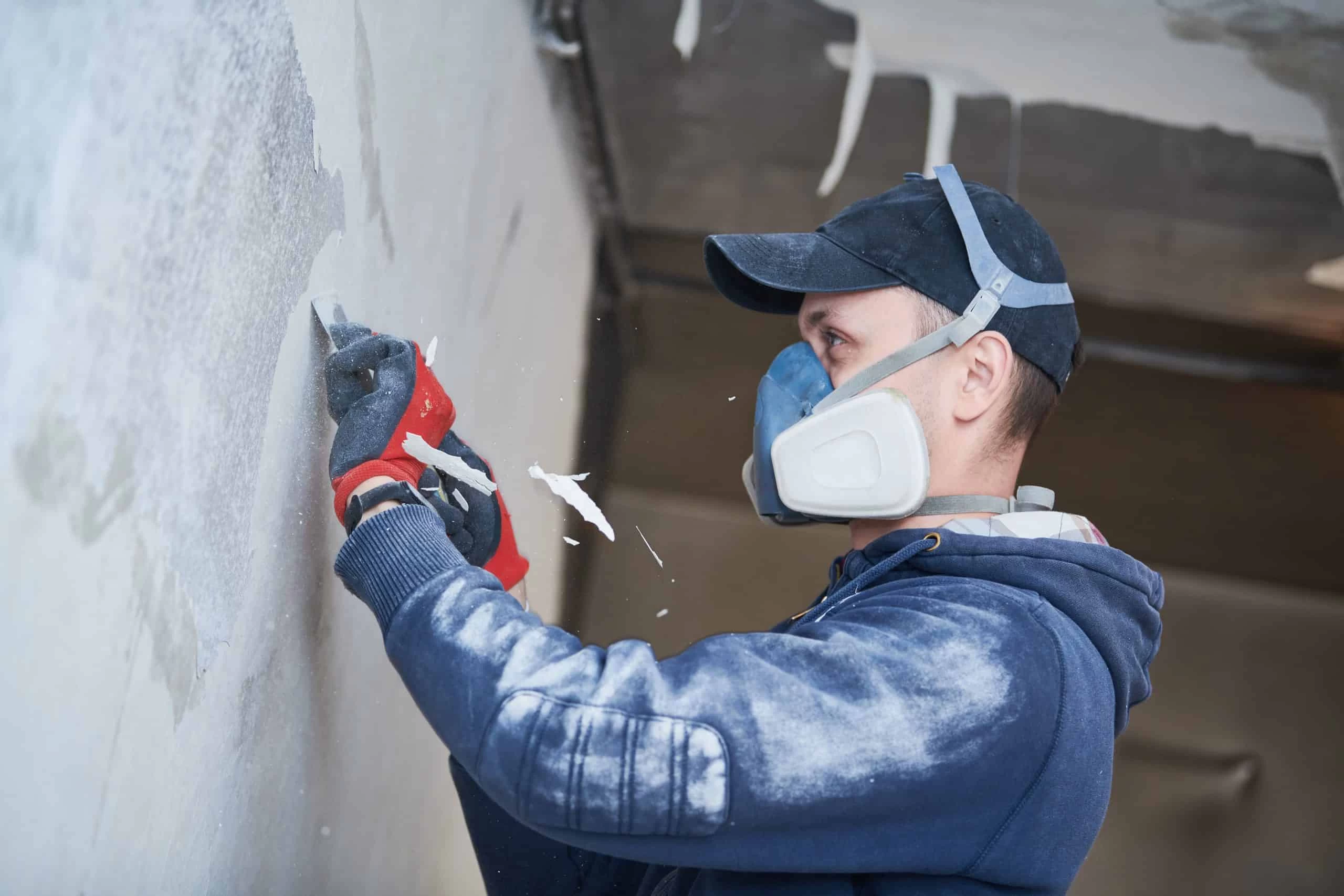
Our team handles fire damage restoration, smoke and soot remediation, asbestos abatement, demolition, and full reconstruction all under one roof. That matters in a neighborhood like Bellaire, where a fire in a home built in the 1930s can expose asbestos in the floor tiles or pipe insulation the moment demolition starts. You shouldn’t have to coordinate three separate contractors while you’re already dealing with the hardest week of your life.
We work directly with your insurance carrier, handle documentation, and stay on the job from the first emergency call through the final inspection.
From the First Call to a Home You Can Live In Again
It starts with a call and we pick up. From there, we get to your Bellaire property fast, because the first 24 to 48 hours after a fire are when secondary damage accelerates. Smoke odor embeds deeper into plaster. Soot oxidizes and becomes harder to remove. Water left behind by firefighting operations starts moving toward mold. The sooner we’re on site, the better the outcome.
Once we’re there, we assess the full scope not just the burn origin, but every area smoke could have reached. In Bellaire’s older homes, that often means checking the attic, the wall cavities, and the HVAC system before we do anything else. If the assessment turns up materials that may contain asbestos which is common in homes built before 1980 we test before we touch. Any confirmed hazardous material gets abated by our licensed team before restoration work begins, in full compliance with NYC Department of Buildings requirements and EPA standards.
From there, we move through demolition of unsalvageable materials, comprehensive smoke and soot remediation using HEPA filtration, thermal fogging, and hydroxyl treatment, then structural repair and full reconstruction. We document everything along the way and communicate directly with your insurance adjuster so the claim reflects the actual scope of the damage not just what’s easiest to see.
Built for Bellaire's Housing Stock, Not a Generic Checklist
Fire damage restoration in a Bellaire home covers a lot of ground, and what’s included in the job reflects the realities of this specific neighborhood not a one-size-fits-all service menu. Emergency stabilization comes first: board-up, tarping, and securing the structure so the property is protected while the full scope is assessed. In a densely packed residential block like those off Hollis Avenue or Francis Lewis Boulevard, that also means evaluating whether adjacent properties were affected by smoke infiltration or water from firefighting something that matters a great deal when homes sit close together on narrow lots.
Smoke and soot remediation goes room by room, surface by surface, and into the mechanical systems. We use HEPA air filtration, thermal fogging, and hydroxyl generators to eliminate odor at the source not mask it. For Bellaire’s plaster walls and older construction, this process is more involved than it would be in a newer home, and we approach it accordingly.
Because most homes in this neighborhood predate 1980, asbestos and lead paint testing are part of our standard protocol before any demolition begins. This isn’t optional it’s required under NYC DOB regulations and EPA lead-safe work practice rules, and it protects your family and our crew. All structural repairs are properly permitted through the NYC Department of Buildings, inspected, and completed by licensed contractors. When the job is done, your home meets code and your insurance claim is fully supported.
How quickly can we respond to a fire in Bellaire, NY?
We serve Bellaire as part of our active Queens County service area, so response time is fast typically within a few hours of your call. That matters more than most people realize. The first 24 to 48 hours after a fire are when smoke odor penetrates deepest into plaster walls and porous materials, soot begins oxidizing and bonding to surfaces, and any water left behind by FDNY firefighting operations starts creating conditions for mold growth. The longer a Bellaire home sits unaddressed after a fire, the more extensive and expensive the restoration becomes.
When you call, you’ll speak to someone who can actually help, not a call center routing your job to an unknown subcontractor. We’ll get eyes on your property fast, give you an honest assessment of what you’re dealing with, and start the stabilization process immediately.
Does homeowner's insurance cover fire and smoke damage restoration in Bellaire?
In most cases, yes standard homeowner’s insurance policies cover fire and smoke damage, including cleanup, remediation, and structural repairs. But the coverage you actually receive depends heavily on how well the damage is documented and how the scope of loss is presented to your adjuster. Insurance companies don’t automatically account for everything a fire affects, especially in older Bellaire homes where smoke travels through wall cavities and mechanical systems far beyond the visible burn zone.
We handle direct insurance billing and work with your carrier throughout the process. We document the full scope including areas that aren’t immediately visible and communicate with your adjuster so the claim reflects what actually happened to your home. For Bellaire homeowners who’ve never filed a major property damage claim before, this is one of the most valuable things we do. You shouldn’t have to figure out the insurance process while also trying to figure out where your family is sleeping.
Should I be concerned about asbestos during fire damage repair in my Bellaire home?
If your home was built before 1980 which describes the majority of Bellaire’s housing stock then yes, asbestos is a real consideration before any demolition or structural work begins. Asbestos was commonly used in floor tiles, pipe insulation, ceiling texture, and joint compound in homes built through the late 1970s. A fire that damages these materials, or restoration work that disturbs them without proper testing first, can release asbestos fibers into the air and create a serious health hazard for your family.
Under NYC Department of Buildings regulations and EPA guidelines, any renovation or demolition work in a pre-1980 structure requires asbestos testing before work proceeds. We offer licensed asbestos abatement as an in-house service meaning we test, abate if necessary, and then continue with restoration without handing your project off to a third party. For a neighborhood like Bellaire, where pre-war construction is the norm rather than the exception, this isn’t a niche add-on. It’s a standard part of how we approach every job.
How long does fire damage restoration typically take for a home in Bellaire?
The honest answer is that it depends on the scope and in Bellaire’s older homes, the scope is often larger than it initially appears. A contained kitchen fire in a pre-war home can still result in smoke contamination throughout the entire structure once you account for wall cavities, the attic, and the HVAC system. A job that looks like a two-week project on day one sometimes reveals additional damage during demolition that extends the timeline.
That said, here’s a realistic general range: emergency stabilization and initial assessment happen within the first day or two. Smoke and soot remediation, including mechanical systems, typically takes several days to a week depending on the size of the home. Structural repairs and reconstruction vary based on what was damaged, but most residential fire restoration projects in this area run anywhere from two to six weeks from start to finish. If asbestos abatement is required which is common in Bellaire given the age of the housing stock that adds time before demolition can begin. We’ll give you a clear timeline after the initial assessment so you’re never guessing.
Can smoke smell be fully eliminated from an older Bellaire home after a fire?
Yes but only if the remediation goes deep enough. This is where a lot of homeowners get burned a second time, so to speak. Surface cleaning removes visible soot, but smoke odor in a pre-war Bellaire home lives inside the plaster, inside wall cavities, in the wood framing, in the insulation, and in the ductwork. If those areas aren’t treated properly, the smell comes back especially in humid summer months when materials expand and release trapped odors.
We use a combination of HEPA air filtration, thermal fogging, and hydroxyl generators to eliminate smoke odor at the molecular level, not just at the surface. Thermal fogging works by penetrating the same porous materials that smoke entered, neutralizing odor compounds where they actually live. Hydroxyl treatment is safe for occupied or partially occupied spaces and continues working over time. When we’re done, the goal is a home that smells like nothing not a home that smells like cleaning products covering up smoke.
Do I need a permit to repair fire damage to my home in Bellaire, NY?
Yes. Because Bellaire is within New York City limits, structural repairs following fire damage fall under NYC Department of Buildings jurisdiction. Any work involving changes to electrical systems, plumbing, load-bearing elements, or the building envelope requires a DOB permit, licensed contractors, and city inspection before the work is considered complete. This applies whether you’re repairing a single room or rebuilding a significant portion of the structure.
This matters for your insurance claim as well. Unpermitted repair work can complicate or jeopardize your settlement insurers and future buyers both want documentation that the restoration was done to code. We operate fully within NYC’s permitting and licensing framework. We pull the required permits, coordinate inspections, and make sure every phase of the restoration is documented properly. For Bellaire homeowners navigating this process for the first time, having a contractor who handles the city paperwork alongside the physical work removes one more thing from your plate during an already difficult time.