When Fire Hits a Bellport Home, You Need More Than a Generic Crew
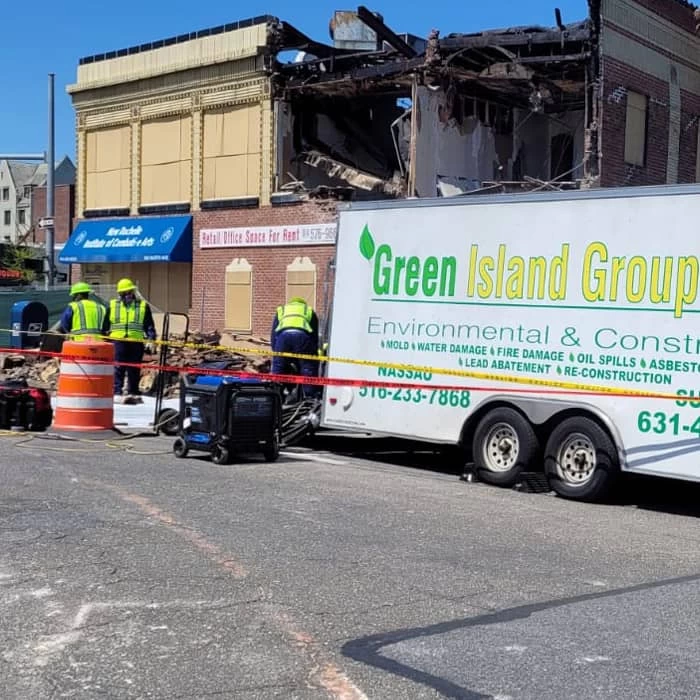
When fire hits a historic South Shore home in Bellport, the clock starts immediately Green Island Group responds fast and handles everything, start to finish.
I needed a professional consultation explanation of procedure for safe removal of Asbestos in my apartment complex. Without having an account yet, I was very impressed with the caring, knowledgeable and generous advice offered by Jessica, and will look forward to doing business in the future. Thank you so much! I feel much more informed about a sometimes scary endeavor. Peace. Nancy Silva Mineola, NY.
Mia Munoz
Used this company to clean up some water flood in my house. They were fast and easy to work with.very professional, Would recommend to anyone!
Nini Valle
Great company, had a flood and they responded quickly and efficiently. Billed my insurance company directly. I highly recommend this company!
joe colapietro, jr
I had pipe freeze in my basement right before a snow storm and they made to within an hour to help start the clean up process. They we by our side throughout the entire process and even helped with the insurance company. They did such a great job with the cleanup, repair, remidiation, I contracted them to perform the repairs and finishes in the basement. They came with enough manpower and material to get the job done. Leo and Jessica were nothing but a pleasure to deal with!!
Cristian Arredondo c
I had some water damage in my home and Green Island was able to take care of my issue quickly and effectively. I am very pleased with the work they did. They responded quickly and were very professional.
Michael M
Outstanding service! From the office to the field crew everyone was friendly, helpful and responsive. I highly recommend Green Island Group.
The fire may be out, but the damage keeps moving. Smoke travels through wall cavities, soot settles into original plaster and cedar millwork, and the water your local fire department used to suppress the fire sometimes hundreds of gallons of it starts soaking into your floors and framing within minutes. If the first call you make isn’t to a restoration company that handles all of that together, you’re likely managing three or four separate contractors while the damage compounds on its own timeline.
For Bellport homeowners specifically, this matters more than most people realize. A significant portion of homes in the village were built before 1978, and many sit within one of the six historic districts along South Country Road and surrounding streets. That means original materials cedar shingles, plaster walls, period woodwork that can’t simply be swapped out with modern equivalents without Historic District Preservation Commission review. A restoration company that doesn’t understand Bellport’s regulatory environment will cut corners that cost you later, either in failed board approvals or in irreplaceable character that’s gone for good.
What you actually get on the other side of a well-run restoration is your home back structurally sound, smoke-free, cleared of any hazardous materials disturbed by the fire, and restored in a way that holds up to both inspection and your own standards. That’s what this process is supposed to deliver. That’s what we’re here to do.
Local Accountability, Not a Franchise Answering Service
Green Island Group is a locally owned restoration company based on Long Island not a SERVPRO franchise, not a corporate chain, not a call center that dispatches whoever’s available. When you reach us, you reach people who know Suffolk County, know the South Shore, and know what fire damage in an older Bellport home actually involves.
Customers in published reviews specifically name Leo and Jessica by name that’s not an accident. It’s how we operate. You get a real point of contact who stays with your project, not a rotating crew and a case number. In a village the size of Bellport, where word travels fast between neighbors on Academy Lane and regulars at the Gateway Playhouse, that kind of accountability isn’t optional it’s everything.
We handle fire, smoke, water, mold, and environmental remediation including asbestos abatement which matters significantly in a community where many homes predate 1978. One company, one call, one team that sees it through.
From Emergency Call to Finished Home Here's the Sequence
The first thing that happens when you call is emergency stabilization. We board up compromised openings, tarp the roof if needed, and stop any ongoing water intrusion from firefighting suppression before it turns into a mold problem. On the South Shore, where humidity off the Great South Bay stays elevated year-round, mold can establish itself within 24 to 48 hours of water intrusion so this step isn’t optional, and it isn’t something to delay.
Once the property is secure, we begin the assessment phase. This is where we document the full scope of damage visible fire and burn areas, smoke and soot infiltration through HVAC systems and wall cavities, water saturation in floors and framing, and any environmental hazards like asbestos or lead paint that may have been disturbed. For homes in Bellport’s historic districts, this documentation also feeds directly into what’s required for Historic District Preservation Commission review before exterior work can begin. We handle that process alongside you, not separately.
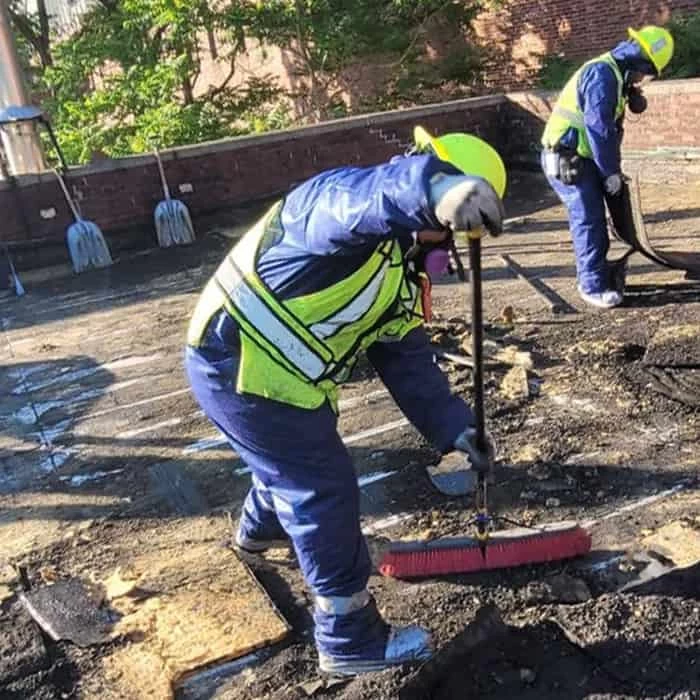
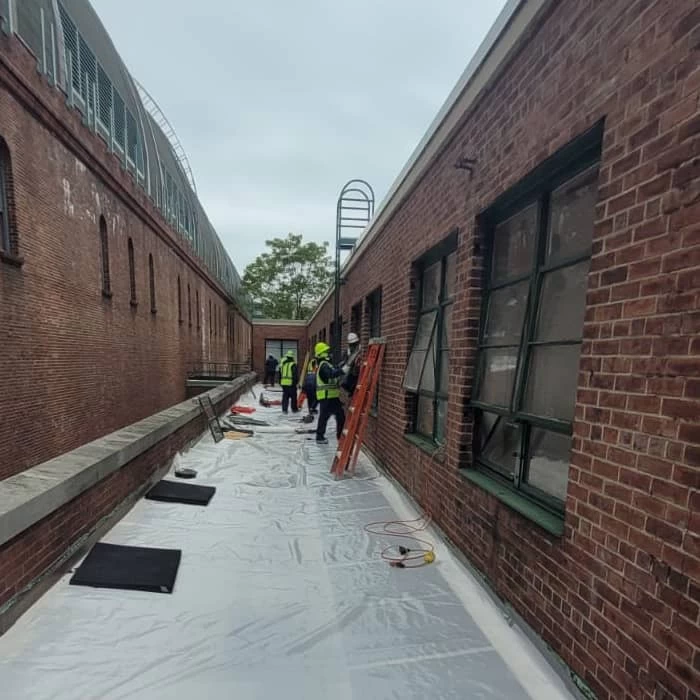
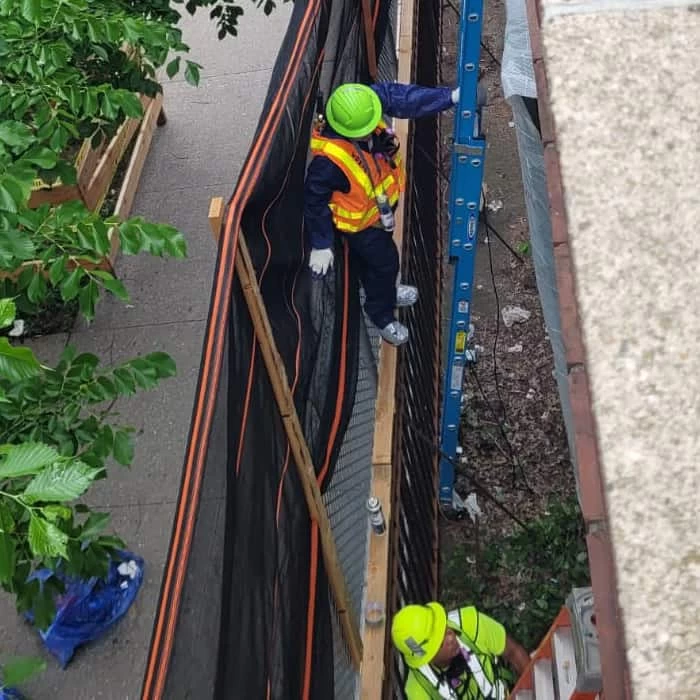
From there, remediation and reconstruction proceed in a coordinated sequence smoke and odor elimination using HEPA air scrubbers and professional-grade treatment, structural drying, hazardous material abatement if required, and then rebuild. We also work directly with your insurance adjuster throughout, helping document the scope so your claim reflects the actual damage. We don’t consider the job done until you’ve walked through the finished space and signed off on it yourself.
Everything a Bellport Fire Restoration Actually Requires
Fire damage restoration in Bellport isn’t a single-trade job. It’s a layered process, and what that process includes depends heavily on the age and character of your specific property. For a pre-1978 home which describes most of the housing stock in the village that means a certified assessment for asbestos-containing materials before any demolition or reconstruction work begins. It means lead paint compliance under the EPA’s RRP Rule. It means building permits through the Town of Brookhaven for any structural repairs. And for properties within the historic district boundaries, it means working within the review process of the Historic District Preservation Commission for any exterior changes.
Beyond the regulatory side, the actual scope of work typically covers emergency board-up and roof tarping, water extraction and structural drying, smoke and soot removal from surfaces and HVAC systems, odor elimination, environmental remediation where applicable, and full reconstruction through final finishes. We’re not a cleanup-only crew that hands you off to a general contractor halfway through. The rebuild is part of what we do.
We also carry New York State Home Improvement Contractor licensing, NYSDOL asbestos handling certification, and full insurance credentials that matter when you’re restoring a high-value historic property in a community like Bellport where the work will be scrutinized by neighbors, boards, and your own high standards. If you want to know what’s involved for your specific property before committing to anything, call us at 631-613-8945 and we’ll walk through it with you.
Is it safe to stay in my Bellport home after a fire?
In most cases, no at least not immediately, and not without a professional assessment first. Even if the fire was contained to one room, smoke infiltrates the entire structure through air gaps, HVAC systems, and wall cavities. The air quality throughout the home is typically compromised, and in older Bellport properties, there’s the additional concern of asbestos or lead paint that may have been disturbed by the heat or structural damage. Breathing that in without knowing what’s present is a real health risk.
The honest answer is that every situation is different. A small kitchen fire with limited smoke spread is a different scenario than a fire that involved the attic or HVAC system. What we can tell you is that before you make that call, you need someone to assess the air quality, the structural integrity, and the potential for hazardous material exposure not just look at the burn area. We can typically get to a Bellport property and begin that assessment quickly. Call 631-613-8945 and we’ll tell you straight what we find.
How quickly does fire and smoke damage get worse if left untreated?
Faster than most people expect. Soot begins permanently etching and staining surfaces within 24 to 72 hours of a fire and that includes original plaster walls, hardwood floors, and period woodwork that are common in Bellport’s older homes. Once soot bonds to a surface, the restoration becomes significantly more involved and expensive. Smoke odor also becomes harder to eliminate the longer it sits in porous materials like insulation, upholstery, and structural wood.
Water damage from firefighting suppression compounds this quickly. Fire hoses can deliver roughly 250 gallons per minute, and even a contained fire can leave thousands of gallons saturating your floors and framing. In Bellport’s coastal climate, with humidity already elevated from proximity to the Great South Bay, mold can begin growing within 24 to 48 hours of that water intrusion. The faster we’re on site, the smaller the total scope of damage and the lower the final cost.
Does fire damage restoration in Bellport require permits or historic district approval?
Yes, and this is one of the areas where Bellport is genuinely different from most other Long Island communities. The village has six formal historic districts, and any exterior work on a property within those districts including repairs and reconstruction following fire damage must be reviewed and approved by the Historic District Preservation Commission before work begins. That includes things like replacing siding, windows, roofing materials, or exterior trim. Using materials that don’t match the historic character of the property can result in a failed review, which means delays and additional cost.
On top of the village-level historic district requirements, structural repair and reconstruction work requires building permits through the Town of Brookhaven. If your home was built before 1978, asbestos abatement must be performed by a contractor holding NYSDOL certification before any demolition or reconstruction proceeds. We hold that certification and are familiar with the Bellport historic district review process so we handle the regulatory side as part of the project, not as a separate headache you’re left to figure out on your own.
Will my homeowners insurance cover the full cost of fire damage restoration?
Your policy likely covers fire damage restoration, but whether the payout reflects the actual cost of restoring your home properly is a different question and for Bellport property owners, this gap can be significant. Mid-village homes commonly list between $1.3 million and $1.9 million, and bay-view properties go higher. When you’re restoring a home of that value, especially one with historic character and original materials that require specialized handling, the difference between a well-documented claim and a poorly documented one can be tens of thousands of dollars.
Insurance adjusters work for the insurance company. Their job is to assess damage and assign a value but they don’t always account for the full scope of what a proper restoration in an older historic home actually involves: asbestos abatement, historic-grade materials, permit costs, and the multi-trade coordination required. We work alongside homeowners throughout the claims process helping document damage accurately, communicating with adjusters, and making sure the scope of your claim reflects what the restoration actually requires. This isn’t a side service. It’s a standard part of how we work.
What does smoke and soot removal actually involve for an older Bellport home?
It’s more involved than most people picture. Smoke doesn’t stay where the fire was it travels through every gap it can find, including wall cavities, ceiling spaces, HVAC ductwork, and the gaps around plumbing and electrical penetrations. In a home with original plaster walls, wood-framed construction, and older duct systems all common in Bellport’s historic housing stock smoke can reach rooms that never saw a flame and leave odor and soot deposits that aren’t visible to the eye but are very much present in the air and materials.
Professional smoke and soot remediation involves HEPA-filtered air scrubbers to pull contaminated air out of the structure, dry and wet cleaning of affected surfaces using professional-grade products that won’t damage original materials, and odor elimination treatments that actually neutralize smoke molecules in porous materials rather than masking them. HVAC systems are cleaned and assessed separately. In homes where the ductwork runs through multiple floors common in larger Bellport properties this step alone can take significant time to do correctly. Cutting it short means the odor comes back, usually when the heat kicks on for the first time.
How long does fire damage restoration typically take for a home in Bellport?
There’s no single honest answer because the timeline depends on the scope of the damage, the age of the home, and the regulatory process involved. A smaller fire with limited smoke spread and no structural damage might be fully remediated and restored in two to four weeks. A more significant fire in a pre-1978 home that requires asbestos abatement, full structural drying, and reconstruction could run two to four months or longer especially if the property sits within one of Bellport’s historic districts, where the Historic District Preservation Commission review process adds time before exterior reconstruction can begin.
What we can tell you is that delays almost always come from two places: incomplete initial assessments that miss damage and require scope changes mid-project, and insurance documentation that’s insufficient and slows claim approval. We address both upfront thorough assessment on day one and active insurance coordination throughout so the project moves on a realistic, predictable timeline rather than getting stalled by things that should have been handled at the start. We give you a clear picture of the timeline before work begins, and we keep you updated throughout.