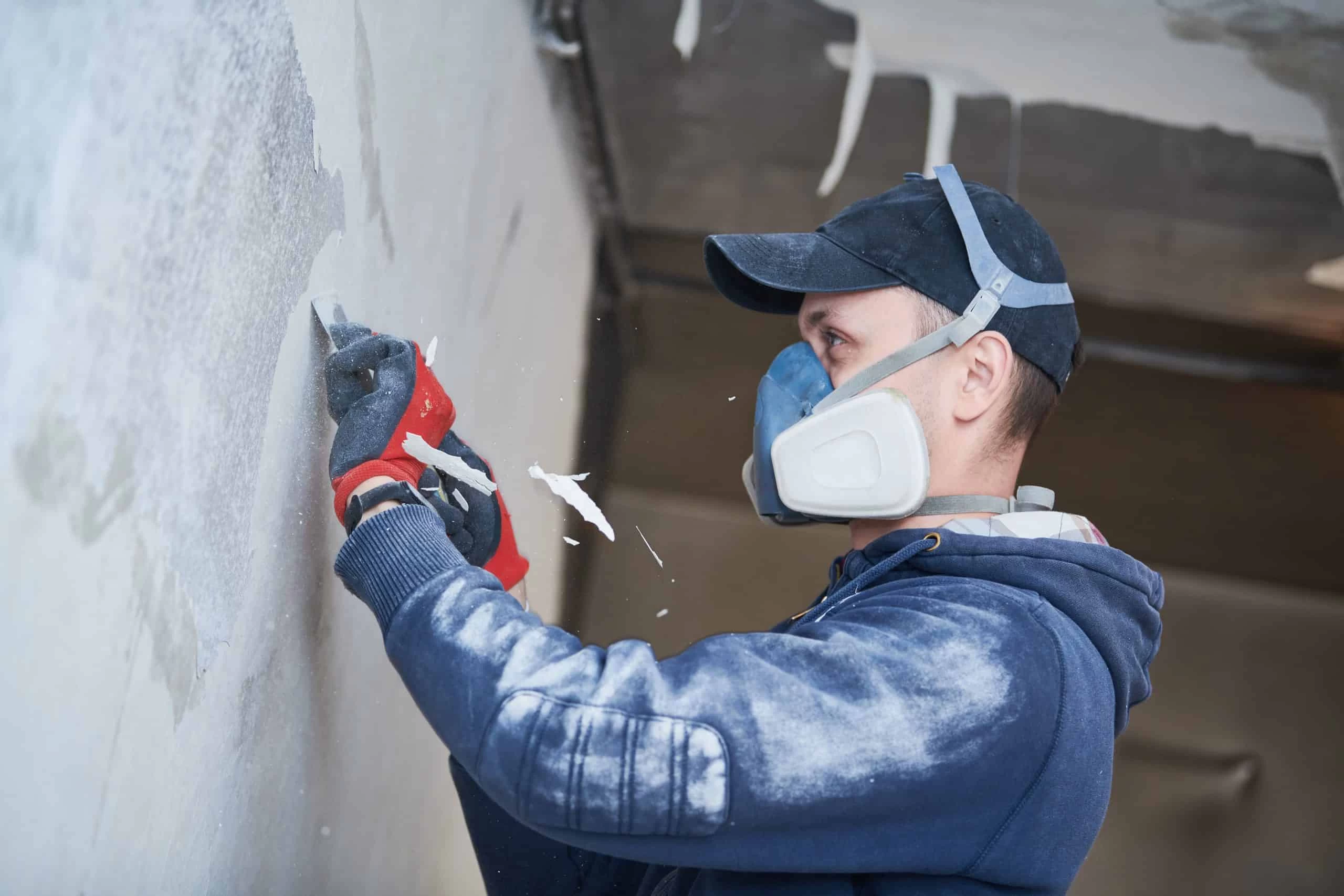
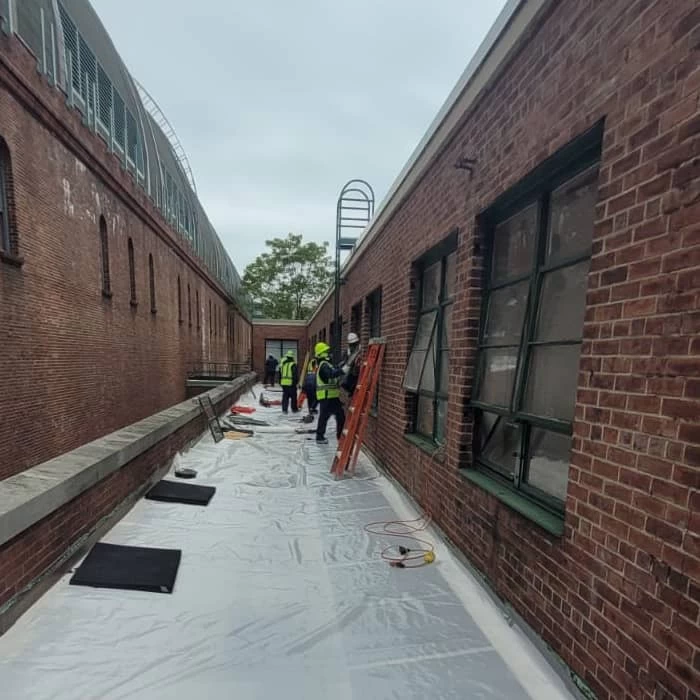
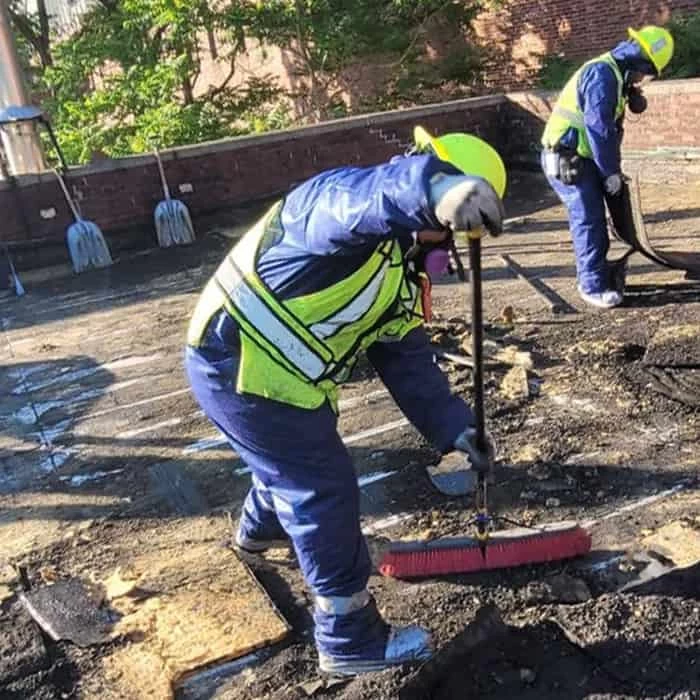
I needed a professional consultation explanation of procedure for safe removal of Asbestos in my apartment complex. Without having an account yet, I was very impressed with the caring, knowledgeable and generous advice offered by Jessica, and will look forward to doing business in the future. Thank you so much! I feel much more informed about a sometimes scary endeavor. Peace. Nancy Silva Mineola, NY.
Mia Munoz
Used this company to clean up some water flood in my house. They were fast and easy to work with.very professional, Would recommend to anyone!
Nini Valle
Great company, had a flood and they responded quickly and efficiently. Billed my insurance company directly. I highly recommend this company!
joe colapietro, jr
I had pipe freeze in my basement right before a snow storm and they made to within an hour to help start the clean up process. They we by our side throughout the entire process and even helped with the insurance company. They did such a great job with the cleanup, repair, remidiation, I contracted them to perform the repairs and finishes in the basement. They came with enough manpower and material to get the job done. Leo and Jessica were nothing but a pleasure to deal with!!
Cristian Arredondo c
I had some water damage in my home and Green Island was able to take care of my issue quickly and effectively. I am very pleased with the work they did. They responded quickly and were very professional.
Michael M
Outstanding service! From the office to the field crew everyone was friendly, helpful and responsive. I highly recommend Green Island Group.
A fire doesn’t have to take everything. Even a contained kitchen fire or an electrical incident in one room can push smoke and soot through an entire unit into walls, ventilation, and every fabric surface it can reach. The smell alone can make a space unlivable. What you need isn’t just a cleanup crew. You need someone who understands the full scope of what fire actually does to a building.
In Briarwood’s older housing stock the pre-war co-ops, the 1930s Colonials in the Briarwood Estates section, the mid-century garden apartments aging electrical systems and original building materials don’t just burn differently, they hold smoke differently too. Soot embeds into plaster walls and original hardwood floors in ways that generic surface cleaning won’t fix. Getting it right means understanding what these buildings are made of, not just what they look like after the fire.
When the job is done, you should be able to walk back into your home and not feel the fire anymore. No smell, no visible damage, no lingering anxiety about what was missed. That’s the outcome. Everything we do on a fire restoration job is pointed at that result not just making it look okay, but making it right.
We’ve been doing restoration work in Queens long enough to know that Briarwood isn’t Jamaica, and it isn’t Forest Hills either. It’s its own neighborhood tucked between the Van Wyck Expressway and Parsons Boulevard, full of working families, longtime co-op owners, and homeowners who have invested real money into properties they intend to keep. That context matters when you’re deciding who to trust with your home after a fire.
The buildings here have specific needs. Co-op units in the mid-rises along Queens Boulevard involve more than just the unit owner there’s the building’s master insurance policy, the co-op board, and often neighbors whose units were affected by smoke through shared ventilation. We understand how to work within that structure, not around it.
You get a team that pulls NYC Department of Buildings permits, communicates directly with insurance adjusters, and knows how to restore a 1940s Colonial without gutting what makes it worth restoring in the first place.
The first call triggers an emergency response. Depending on the scope, that means board-up and tarping to secure the property, followed by a full damage assessment not just the burn zone, but everywhere smoke and water from fire suppression traveled. In a multi-unit Briarwood co-op building, that assessment often covers more than one unit, and we document all of it for insurance purposes from the start.
From there, the remediation phase begins: debris removal, soot and smoke cleaning on all affected surfaces, and professional odor treatment using air scrubbers and hydroxyl generators. This isn’t a deodorizer spray situation smoke odor in a Queens apartment building can move through shared HVAC systems and affect neighbors. The treatment has to work at the source, not just mask it.
Structural repairs come next. Because Briarwood falls under NYC jurisdiction, any structural work requires permits through the NYC Department of Buildings we handle that process on your behalf. Drywall, flooring, windows, doors, and final finishes are all part of the scope. The job isn’t closed until the property is fully restored and you’ve signed off on the result.
Everything Covered, Nothing Left for You to Chase Down
Fire damage restoration with us is a complete service not a hand-off at the cleanup phase. Emergency board-up and securing, full smoke and soot remediation, water damage mitigation from FDNY suppression efforts, odor elimination, structural repair, and final cosmetic restoration are all handled under one roof. For Briarwood residents, that matters because coordinating multiple contractors in a co-op building where the board has to approve access and work schedules is its own full-time job.
Insurance coordination is built into every job. We document damage with the level of detail that insurance adjusters require, provide itemized estimates, and work directly with your carrier. If you’re a co-op unit owner navigating the overlap between your personal policy and the building’s master policy, that’s a conversation we’ve had many times in Queens Community Board 8 neighborhoods and can help you work through clearly.
The scope always reflects the actual building. Restoring original hardwood floors in a 1930s Briarwood Estates Colonial requires a different approach than replacing water-damaged drywall in a post-WWII apartment near Parsons Boulevard. We assess the specific materials and construction of your property and restore accordingly not with a one-size-fits-all template, but with what the building actually needs.
Does fire damage restoration in Briarwood co-op apartments work differently than houses?
Yes, and the difference is significant. In a co-op building which describes a large portion of Briarwood’s residential stock along Queens Boulevard and in complexes like Parkway Village fire damage restoration involves more than just the affected unit. Smoke travels through shared ventilation systems, under doors, and into common hallways, which means neighboring units and building management are often part of the conversation whether you want them to be or not.
From a practical standpoint, any structural work in a co-op requires co-op board approval in addition to NYC Department of Buildings permits. We handle the DOB permit process and can communicate directly with building management to ensure the scope of work is documented and approved properly. If the building’s master insurance policy is involved alongside your personal policy, we help clarify what each covers and document damage in a way that satisfies both carriers. It’s a more layered process than a standalone house, but it’s one we’ve navigated many times in Briarwood and across Queens.
How quickly does smoke damage need to be treated before it becomes permanent?
The honest answer is: faster than most people expect. Smoke and soot are acidic. Within the first 24 to 72 hours after a fire, soot begins to permanently stain porous surfaces walls, ceilings, grout, and especially the plaster construction common in Briarwood’s older pre-war and mid-century buildings. Once that bonding happens, surface cleaning isn’t enough. You’re looking at full replacement of materials that could have been salvaged with faster action.
Odor follows the same timeline. Smoke particles embed into soft materials furniture, carpeting, clothing and into HVAC systems. The longer they sit, the deeper they penetrate. In a co-op building with shared ventilation, delayed treatment can mean the smell migrates to neighboring units, which creates both a neighborly problem and a co-op board problem. Calling for an emergency assessment within the first few hours of a fire even if the fire itself seemed minor is almost always the decision that saves the most money and the most materials in the long run.
Will my insurance cover fire damage restoration in Briarwood, NY?
In most cases, yes standard homeowners and co-op unit owner insurance policies cover fire damage restoration, including smoke damage, soot cleanup, and structural repairs caused by the fire or by water used to suppress it. But the specifics depend on your policy, and in a co-op situation, there’s an additional layer: the building’s master policy may cover certain structural elements while your personal policy covers your unit’s interior and belongings.
What matters most in the claims process is documentation. Insurance adjusters need a clear, itemized picture of every affected surface, system, and material not just the obvious burn damage, but the smoke migration, the water intrusion from suppression, and any secondary structural issues. We provide that documentation as part of the job, formatted in a way that adjusters can work with directly. We’ve worked with insurance carriers on Briarwood and Queens restoration jobs enough times to know what gets claims approved and what creates delays. If you’re unsure what your policy covers before you call, that’s a conversation we can help you start.
What's the difference between smoke cleanup and full fire damage restoration?
Smoke cleanup refers to the surface-level work: wiping down soot, treating odors, cleaning affected materials. It’s a real and necessary part of the process, but it’s only one piece. Full fire damage restoration covers everything from that initial cleanup through structural repairs, material replacement, and final cosmetic finishing so the property is returned to its pre-fire condition, not just made presentable.
The distinction matters in Briarwood because the neighborhood’s housing stock tends to be older, which means fire damage often reveals underlying issues that need to be addressed as part of the restoration: compromised framing, damaged insulation, aged wiring that was already borderline before the fire. A company doing smoke cleanup alone won’t assess or address those issues. Our approach is to assess the full scope on day one not just what’s visibly damaged, but what the fire exposed and restore the entire affected area to a condition that passes NYC DOB inspection and gives you a genuinely safe, livable home.
How long does fire damage restoration typically take for a Queens apartment or home?
It depends on the scope, but here’s a realistic range: a contained kitchen fire with smoke damage limited to one or two rooms typically takes one to two weeks from initial assessment to final restoration. A larger fire involving structural damage, multiple rooms, or multiple units in a co-op building can run four to eight weeks or more, especially when NYC DOB permits are part of the process.
The permit timeline is worth understanding. In New York City, structural repair permits through the Department of Buildings add time to any restoration job typically one to three weeks depending on the complexity of the work and current DOB processing volumes. We file permits as early in the process as possible to minimize the wait, but it’s something Briarwood homeowners and co-op owners should factor into their planning. Emergency stabilization and non-structural remediation work board-up, debris removal, smoke cleaning, odor treatment can begin immediately while permits are pending, so the job is moving forward even during the approval process.
Does fire damage restoration also cover water damage from the FDNY response?
Yes, and this is one of the most commonly overlooked parts of fire damage in Queens residential buildings. When the FDNY responds to a fire whether it’s a single-unit incident or a building-wide emergency the water used to suppress the fire can cause significant damage on its own. In a multi-story co-op, water from a fire on one floor can travel down through the building and affect units on lower floors that had no direct fire exposure at all.
We treat fire and water damage as a single, integrated restoration scope not two separate jobs. That means moisture mapping to find hidden water intrusion, drying and dehumidification to prevent mold growth, and addressing any water-damaged materials alongside the fire-damaged ones. In Briarwood’s older building stock, where walls and floors may have absorbed significant water before the FDNY packed up, skipping the water remediation step creates a mold problem within weeks. Catching it as part of the original restoration is always less expensive and less disruptive than coming back to address it later.