When a Hamptons Property Burns, the Clock Starts Immediately
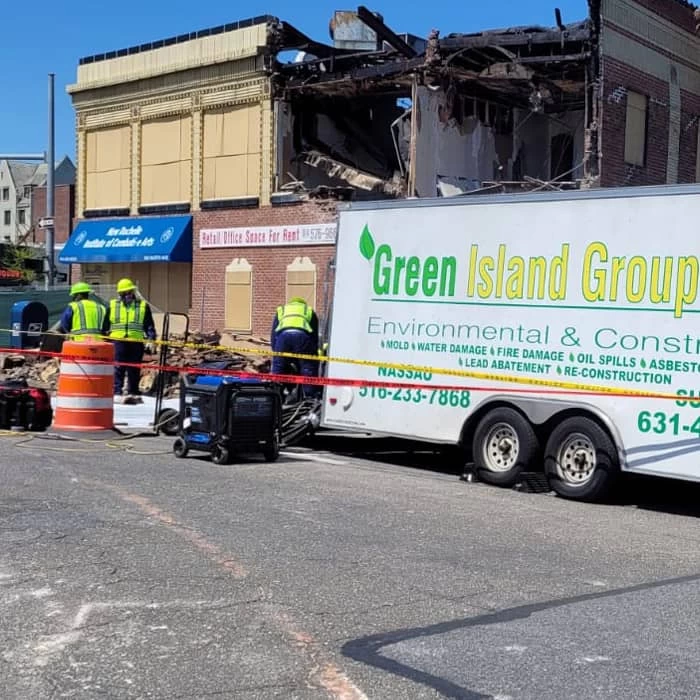
Soot etches. Smoke spreads. Water from the fire hose soaks into walls you can’t see. We respond fast to fire damage restoration in Bridgehampton and stay with you through every phase, from the first call to the final finish.
I needed a professional consultation explanation of procedure for safe removal of Asbestos in my apartment complex. Without having an account yet, I was very impressed with the caring, knowledgeable and generous advice offered by Jessica, and will look forward to doing business in the future. Thank you so much! I feel much more informed about a sometimes scary endeavor. Peace. Nancy Silva Mineola, NY.
Mia Munoz
Used this company to clean up some water flood in my house. They were fast and easy to work with.very professional, Would recommend to anyone!
Nini Valle
Great company, had a flood and they responded quickly and efficiently. Billed my insurance company directly. I highly recommend this company!
joe colapietro, jr
I had pipe freeze in my basement right before a snow storm and they made to within an hour to help start the clean up process. They we by our side throughout the entire process and even helped with the insurance company. They did such a great job with the cleanup, repair, remidiation, I contracted them to perform the repairs and finishes in the basement. They came with enough manpower and material to get the job done. Leo and Jessica were nothing but a pleasure to deal with!!
Cristian Arredondo c
I had some water damage in my home and Green Island was able to take care of my issue quickly and effectively. I am very pleased with the work they did. They responded quickly and were very professional.
Michael M
Outstanding service! From the office to the field crew everyone was friendly, helpful and responsive. I highly recommend Green Island Group.
What Gets Fixed and What Gets Missed Without the Right Team
A lot of Bridgehampton homeowners don’t realize the full picture until days later. The room that burned is obvious. What isn’t obvious is the smoke that traveled through the HVAC system into your second-floor bedrooms, the soot settling on surfaces in rooms that never saw a flame, and the moisture trapped inside your walls after firefighters ran their hoses for an hour. Left alone, that moisture feeds mold within 24 to 48 hours.
For properties south of the highway oceanfront and bay-facing homes that already deal with salt air, coastal humidity, and seasonal weather stress fire damage compounds fast. Materials that are already working harder in that environment don’t respond well to delayed cleanup. The same goes for older farmhouses and equestrian estates north of Montauk Highway, where pre-1980 construction often means asbestos-containing insulation or floor tile that gets disturbed in a fire and creates a hazardous situation on top of everything else.
When the restoration is done right, you get your property back not just cleaned up, but genuinely restored. No lingering smoke odor. No hidden moisture pockets. No unresolved structural damage waiting to become a bigger problem six months from now.
We’re a locally owned, independent restoration company not a franchise, not a call center, not a rotating crew that hands your project off every two weeks. When you call us, you’re working with real people who are accountable to you by name, from the first walkthrough to the final inspection.
We serve Bridgehampton and the surrounding East End communities, including Water Mill, Sagaponack, and Wainscott. We understand what restoration work actually looks like in this part of Suffolk County navigating Southampton Town building permits, working on high-value and historic properties, and handling the environmental complications that older Hamptons structures often present.
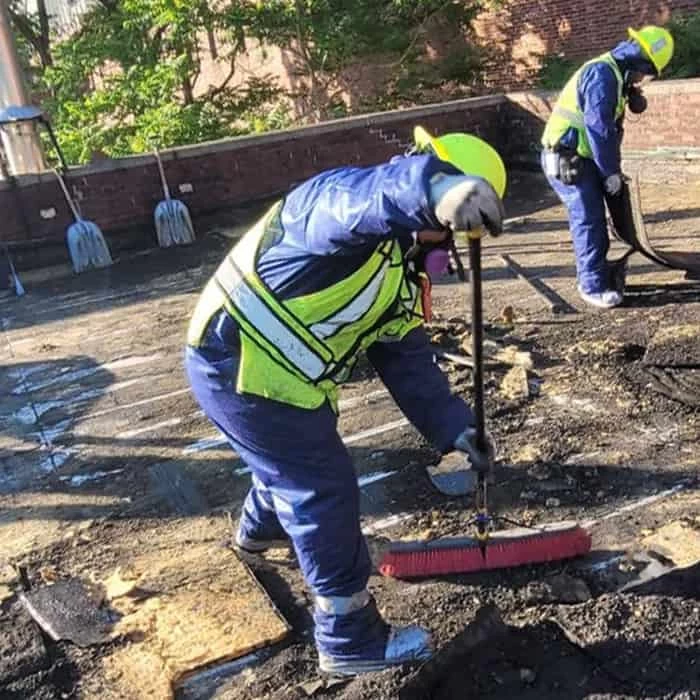
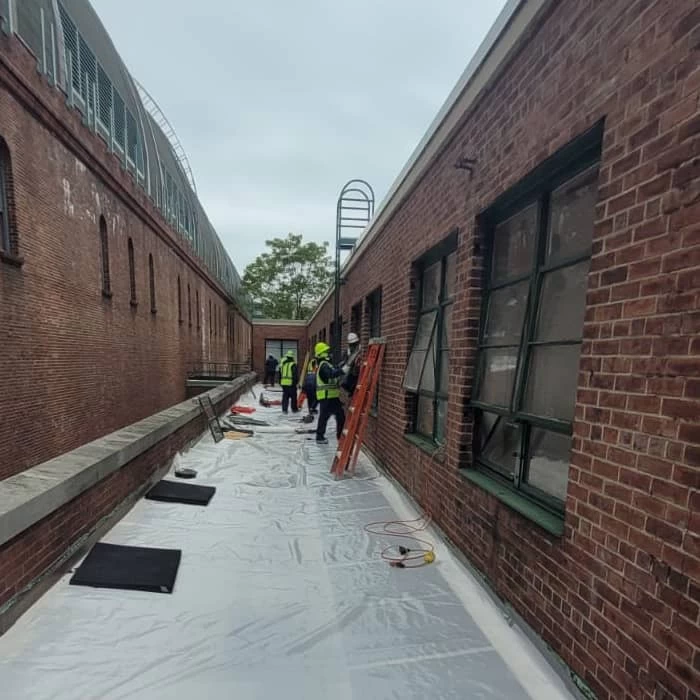
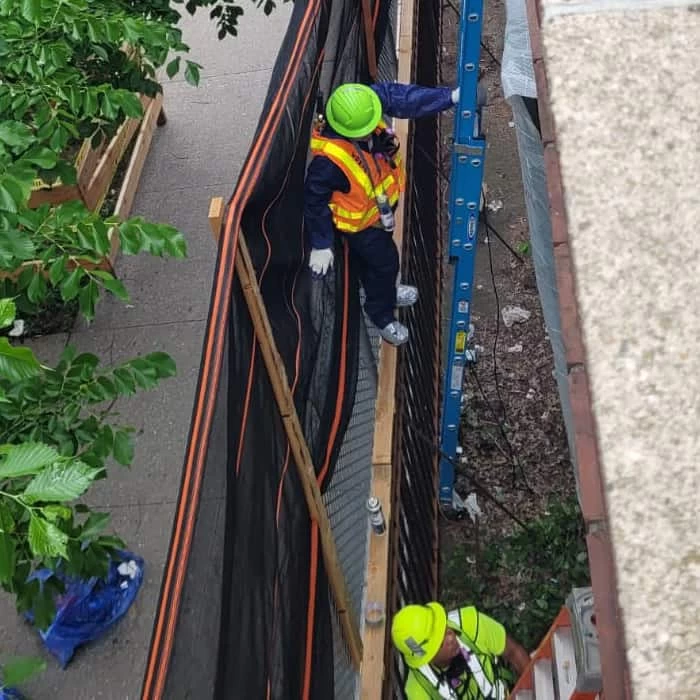
Our team covers every phase in-house: emergency stabilization, smoke and soot remediation, water extraction, environmental abatement, demolition, and full reconstruction through final finishes. You don’t need to find a separate contractor for the rebuild. We handle it, and we don’t consider the job done until you say it is.
Here's Exactly What Happens From First Call to Final Walkthrough
The first thing we do is get there. If you’re a year-round resident in Bridgehampton, we’re on our way immediately. If you’re managing a property remotely from the city, or finding out from a caretaker that something happened while the house was closed for the season we’ll be on-site and documenting before you even land at MacArthur or make it out on Route 27.
Once we’re there, we do a full assessment: visible fire and burn damage, smoke penetration, water intrusion from firefighting, and any environmental concerns like asbestos in older materials. We document everything thoroughly not just for the work order, but because your insurance adjuster is going to need it. Thorough documentation at the start protects you significantly when the claim is being reviewed.
From there, we move through remediation, abatement if needed, structural drying, demolition of unsalvageable materials, and then reconstruction. Every phase requires a Southampton Town building permit for structural work, and we handle that process filing with the Town’s Building and Zoning Division, scheduling inspections, and keeping the project moving without putting that administrative burden on you. The last step is always a walkthrough with you. If anything isn’t right, we address it before we close the job.
Every Phase Covered From Smoke Cleanup to Full Rebuild
Fire damage restoration isn’t one service it’s a sequence of connected services that have to be handled in the right order by people who understand each phase. We cover all of it: emergency board-up and stabilization, soot and smoke remediation, odor elimination, water extraction and structural drying, environmental hazard abatement (including asbestos, which is a real concern in Bridgehampton’s older building stock), selective demolition, framing and structural repair, and full interior reconstruction through final finishes.
For Bridgehampton properties specifically, we’re experienced working on high-value homes estates, historic farmhouses, waterfront properties near Mecox Bay, and large agricultural or equestrian structures north of Montauk Highway. These aren’t standard residential jobs, and we don’t treat them that way. The finish standards are higher, the documentation requirements are more complex, and the insurance process often involves specialty coverage and commercial-grade adjusters who know exactly what to look for.
If your property is near wetlands or carries a historic designation through Southampton Town, there may be additional review requirements that affect the scope and timeline of reconstruction. We factor that in from the beginning not as an afterthought when work is already underway. The goal is a clean, complete, fully permitted restoration that holds up to inspection and gives you your property back the way it should be.
How quickly can you respond to fire damage in Bridgehampton, NY?
We move fast and in Bridgehampton, that matters more than it does almost anywhere else on Long Island. Route 27 in summer can turn a 45-minute drive into two hours, which is why having a restoration team that understands East End geography and can respond with urgency is critical. Our documented response times put us on-site within the hour in most cases.
The reason speed matters so much here isn’t just about getting started it’s about limiting the damage that compounds on its own. Soot begins permanently etching and staining surfaces within 24 to 72 hours. Smoke infiltrates wall cavities and HVAC systems quickly. Water from firefighting soaks into structural materials and can trigger mold growth within 24 to 48 hours. Every hour between the fire and the start of remediation is an hour the damage is spreading.
Does fire damage restoration include smoke and soot cleanup, or is that separate?
It’s all part of the same process and honestly, smoke and soot cleanup is often the most involved part of a fire restoration job. Soot doesn’t stay in the room where the fire happened. It travels through air returns, settles on surfaces throughout the home, and embeds itself into porous materials like drywall, wood, and fabric. Smoke odor can persist for months if the source isn’t fully addressed at the structural level.
Fire smoke damage restoration covers the full scope: surface cleaning, HVAC decontamination, odor neutralization, and in many cases, removal and replacement of materials that have absorbed smoke beyond what cleaning can resolve. For Bridgehampton properties especially older homes with original wood framing, plaster walls, or historic millwork this phase requires real care. The materials themselves have to be assessed, and the approach has to match what’s actually there.
What permits are needed for fire damage repairs in Bridgehampton?
Any structural repair work in Bridgehampton requires a building permit from the Southampton Town Building and Zoning Division. That includes framing repairs, drywall replacement, electrical work, plumbing, and HVAC modifications essentially anything that touches the structure of the home. The Town enforces the New York State Uniform Fire Prevention and Building Code, and inspections are required at key stages of the work.
For properties near wetlands like those close to Mecox Bay, Sagg Pond, or other protected areas there may be additional environmental review requirements under Southampton Town’s wetlands regulations before reconstruction can begin. Historic properties or those with landmark designations may face further review to ensure the restoration is consistent with preservation standards. We handle the permit applications, coordinate the inspections, and keep the project on track through the regulatory process.
My Bridgehampton home was vacant when the fire happened what should I do first?
This is a situation we see regularly in Bridgehampton, where a large share of properties are seasonally occupied or managed by caretakers on behalf of absentee owners. If you’re finding out about the damage from a distance through a property manager, a neighbor, or an alarm notification the most important thing you can do is call a restoration company immediately and contact your insurance carrier to open a claim.
We can be on-site, fully assessing and documenting the damage, before you arrive. That matters because the insurance documentation process starts from the moment we walk in and the condition of the property in those first hours is what establishes the baseline for your claim. We’ll communicate with you directly throughout the assessment, give you a clear picture of what we’re dealing with, and begin emergency stabilization to stop the damage from spreading while the full restoration plan is developed. Remote management of a fire restoration project is something we’ve done many times for Bridgehampton property owners, and it works when the right team is handling it.
Will my homeowners insurance cover fire damage restoration in Bridgehampton?
In most cases, yes fire damage is one of the most commonly covered perils under standard homeowners insurance policies. But the process of actually getting a claim paid in full is where things get complicated, especially for high-value properties in Bridgehampton where the numbers are significant and insurance adjusters are thorough.
The key is documentation. Your adjuster is going to assess the damage and determine the scope of covered work, and if the documentation from the restoration company is incomplete or inconsistent, that scope can come back narrower than it should be. We document everything from the moment we arrive photos, moisture readings, material assessments, environmental findings and we communicate directly with your adjuster throughout the process. Many Bridgehampton properties also carry specialty or high-value homeowners policies rather than standard coverage, which means the claims process involves different requirements and more detailed review. We’ve worked through that process enough times to know how to support your claim effectively and make sure the full extent of the damage is properly represented.
Does older construction in Bridgehampton create asbestos risk during fire restoration?
Yes, and it’s one of the most important things to assess before any demolition or structural work begins. Bridgehampton has a significant amount of pre-1980 construction historic farmhouses, older estates, and structures that predate modern building materials standards. Asbestos-containing materials were commonly used in insulation, floor tiles, ceiling tiles, pipe wrap, and joint compound in homes built before 1980. A fire event that disturbs those materials creates a hazardous situation that goes beyond standard fire restoration.
New York State requires separate NYSDOL certification for asbestos abatement work, and that work has to be completed before reconstruction can proceed in affected areas. We handle environmental remediation including asbestos abatement in-house, as part of the same project. You don’t need to find a separate licensed abatement contractor, coordinate separate scheduling, or manage two companies through the same job. We assess for hazardous materials during the initial walkthrough, and if abatement is required, we build it into the project timeline from the start so it doesn’t become a surprise delay midway through your restoration.