When Fire Hits a Brooklyn Manor Semi-Detached Home, It Doesn't Stop at Your Walls
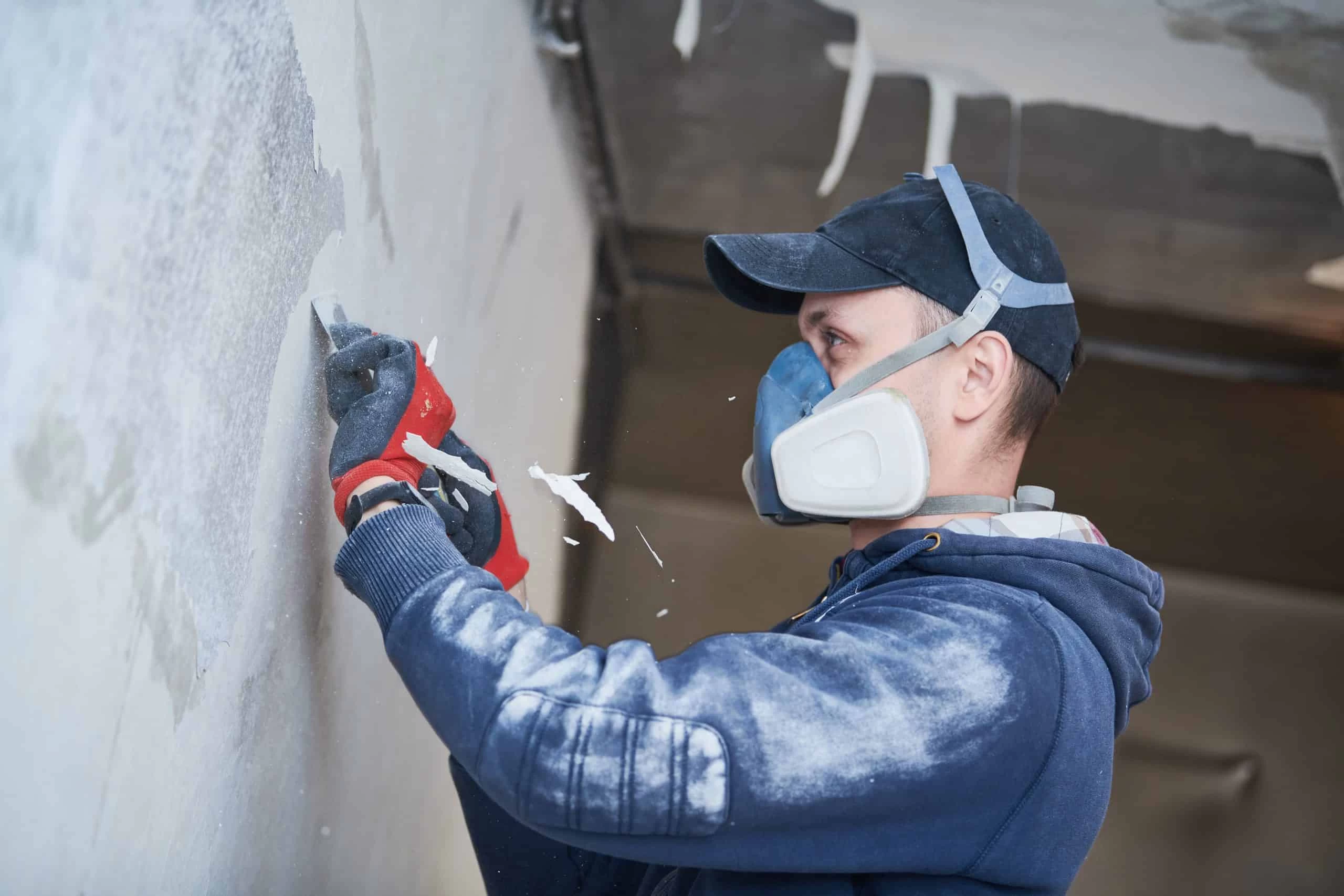
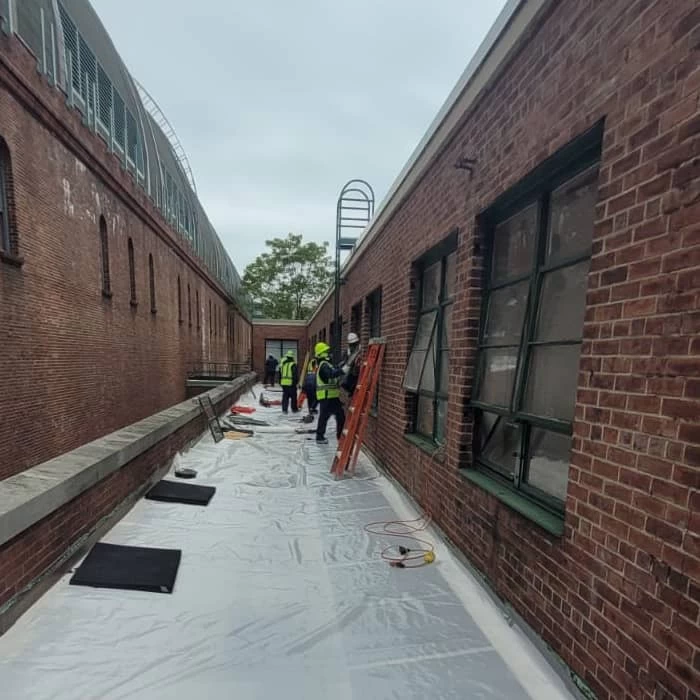
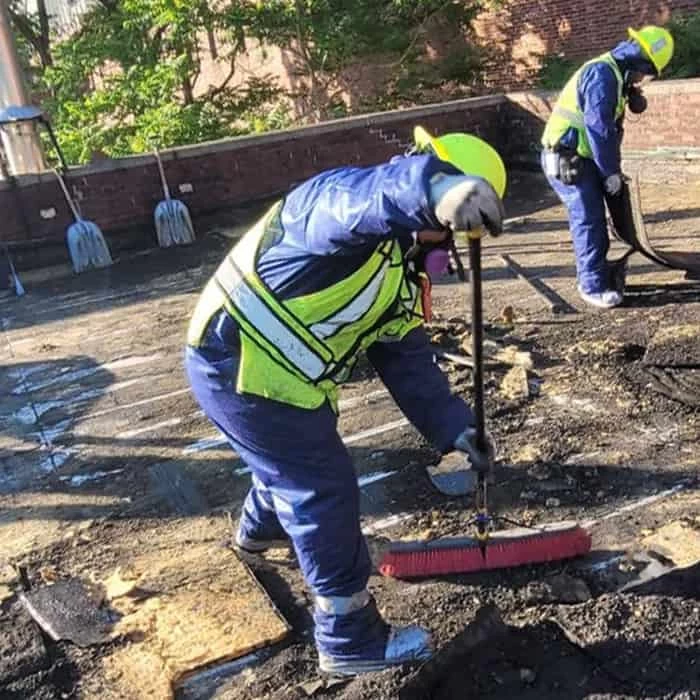
When fire moves through a 1920s semi-detached home in Brooklyn Manor, it doesn’t stop at the walls and neither do we. We handle the full restoration, from emergency stabilization to the final walkthrough.
I needed a professional consultation explanation of procedure for safe removal of Asbestos in my apartment complex. Without having an account yet, I was very impressed with the caring, knowledgeable and generous advice offered by Jessica, and will look forward to doing business in the future. Thank you so much! I feel much more informed about a sometimes scary endeavor. Peace. Nancy Silva Mineola, NY.
Mia Munoz
Used this company to clean up some water flood in my house. They were fast and easy to work with.very professional, Would recommend to anyone!
Nini Valle
Great company, had a flood and they responded quickly and efficiently. Billed my insurance company directly. I highly recommend this company!
joe colapietro, jr
I had pipe freeze in my basement right before a snow storm and they made to within an hour to help start the clean up process. They we by our side throughout the entire process and even helped with the insurance company. They did such a great job with the cleanup, repair, remidiation, I contracted them to perform the repairs and finishes in the basement. They came with enough manpower and material to get the job done. Leo and Jessica were nothing but a pleasure to deal with!!
Cristian Arredondo c
I had some water damage in my home and Green Island was able to take care of my issue quickly and effectively. I am very pleased with the work they did. They responded quickly and were very professional.
Michael M
Outstanding service! From the office to the field crew everyone was friendly, helpful and responsive. I highly recommend Green Island Group.
What Full Restoration Actually Looks Like in Brooklyn Manor
A fire in Brooklyn Manor isn’t just a single-property problem. The original 603-lot development that defines this neighborhood was built block by block in the early 1900s semi-detached homes, shared walls, and in many cases, a common attic running across multiple units. When a fire starts in one home, smoke, soot, and structural heat don’t respect property lines. A real restoration addresses all of it, not just what’s visibly charred.
There’s also what the FDNY leaves behind. Putting out a fire in a dense urban block like Brooklyn Manor takes serious water and that water saturates walls, floors, and structural framing long after the trucks are gone. If that moisture isn’t extracted and dried properly, you’re looking at mold growth within days. Restoration that only handles the fire damage and ignores the water damage isn’t restoration it’s a half-job.
What you actually get when this is done right: a structurally sound home, air that’s been tested and cleared of smoke contamination, walls and cavities that have been properly treated, and documentation your insurance company can work with. That’s the outcome. Everything else is just cleanup.
Queens-Based, and We Know Brooklyn Manor's Streets
We’re based in Queens. That matters here because Brooklyn Manor isn’t a generic job site it’s a specific neighborhood with a specific type of housing stock, a specific permitting process through the NYC Department of Buildings, and a community where over half the households speak Spanish as their primary language. You need a company that can actually communicate with you in a high-stress situation, pull the right permits, and understand what we’re working with when we walk into a pre-war home off Woodhaven Boulevard.
We’ve worked in Woodhaven, Richmond Hill, and the surrounding neighborhoods long enough to know the difference between a house built in 1935 and one built in 1995 and why that difference changes everything about how a fire restoration job gets done. The aging electrical systems, the balloon-frame construction, the original plaster walls these aren’t surprises to us. They’re the norm here, and we work accordingly.
From the Night of the Fire to Moving Back Into Your Brooklyn Manor Home
The first thing that needs to happen after a fire is stabilization boarding up openings, securing the structure, and making sure the property is safe before any assessment begins. In a neighborhood as densely packed as Brooklyn Manor, an unsecured structure after a fire is a liability for you and your neighbors. We respond 24/7 because that first window matters.
Once the property is secured, we do a full damage assessment and that means going beyond the obvious. In homes with shared attics and attached walls, smoke travels further than most people expect. We check wall cavities, ductwork, attic spaces, and adjacent areas to map the actual scope of damage before any work begins. That assessment also becomes the foundation of your insurance documentation, which is something adjusters need done thoroughly and in a specific format to process your claim correctly.
From there, the work moves through water extraction and structural drying, smoke and soot remediation using professional-grade air scrubbers and thermal fogging, structural repairs, and finally reconstruction. In Brooklyn Manor, that also means coordinating with the NYC Department of Buildings pulling permits for electrical, structural, and plumbing work, scheduling inspections, and making sure the restored property meets current NYC Building Code before we consider the job complete. You don’t have to figure out City bureaucracy on top of everything else. That’s part of what we handle.
Every Scope Built Around How Fires Actually Burn in Brooklyn Manor's Older Homes
Fire damage restoration in Brooklyn Manor covers more ground than it does in newer, detached suburban construction and the scope of work reflects that. Smoke infiltration in a 1920s balloon-frame home can reach structural cavities that wouldn’t exist in modern construction. Knob-and-tube wiring, where it’s still present, has to be addressed as part of any electrical restoration. Original plaster walls require different treatment than drywall. These aren’t edge cases here they’re standard conditions in this neighborhood.
The full scope of what we handle includes emergency board-up and site stabilization, complete water extraction and structural drying from firefighting operations, smoke and soot removal throughout the entire structure (not just the burn zone), odor elimination using thermal fogging and HEPA air scrubbing, structural assessment and repair, and full reconstruction through final inspection. We also manage the insurance claim process from initial documentation through adjuster communication which matters especially in Brooklyn Manor, where many homeowners are navigating a large loss claim for the first time, sometimes in a second language.
Because Brooklyn Manor falls under NYC jurisdiction, every job we do here includes proper NYC DOB permit coordination. That means no shortcuts, no unpermitted work, and no surprises when it comes time to sell or refinance. The job isn’t done until the paperwork is clean and the building passes inspection.
Can a house fire in Brooklyn Manor spread to my neighbor's home?
Yes and it’s more likely here than in most neighborhoods. The homes in Brooklyn Manor were built as part of a dense, early 1900s residential development where semi-detached and attached construction is the norm. Many of these homes share a common attic that runs across multiple units, which is a documented fire spread pathway. A fire that starts in one home can move laterally through that shared attic space before it’s even visible from the outside of the neighboring property.
This is why a thorough fire damage assessment in Brooklyn Manor always has to account for adjacent structures, not just the property of origin. Smoke and soot travel through shared attic spaces, party walls, and connected framing. If your neighbor’s home caught fire, your home may have smoke infiltration even if there’s no visible damage. And if your home was the one that burned, our restoration team should be evaluating the adjacent properties as part of the full scope because your insurance claim and your neighbor’s potential claim may overlap in ways that need to be documented carefully from the start.
How long does fire damage restoration typically take for a Queens home?
The honest answer is that it depends on the scope, and in Brooklyn Manor’s older housing stock, the scope is often larger than it first appears. A minor fire with limited structural damage might be resolved in two to four weeks. A more significant fire in a pre-war home where smoke has infiltrated wall cavities, water damage from firefighting needs to be fully dried before reconstruction can begin, and NYC DOB permits need to be pulled and inspected can take anywhere from six weeks to several months.
The permit process through the NYC Department of Buildings adds time that wouldn’t exist in a suburban Long Island restoration. Electrical, structural, and plumbing work all require separate permits and inspections in New York City, and those inspections have to be scheduled and passed before work can be covered up or finalized. A restoration company that skips that step to move faster is creating a problem for you down the road. The right timeline is the one that ends with a properly permitted, fully inspected, occupancy-ready home not just a home that looks finished.
Will my homeowner's insurance cover the full cost of fire restoration in Brooklyn Manor?
Most standard homeowner’s insurance policies cover fire damage restoration, including structural repair, smoke remediation, and additional living expenses if you’re displaced. But the coverage you actually receive depends heavily on how the damage is documented and how the claim is submitted. Insurance adjusters work from the documentation they’re given and a claim that’s vague, incomplete, or missing key line items will result in a settlement that doesn’t reflect the true scope of the loss.
In Brooklyn Manor’s older homes, the full scope of damage often extends well beyond what’s visible at first inspection. Smoke in wall cavities, water damage from FDNY suppression, and secondary damage in adjacent units all need to be documented thoroughly and in the format adjusters require. We handle that documentation as part of every job mapping the full damage, itemizing the scope, and communicating directly with your adjuster so nothing gets left out of the settlement. If there’s a dispute about scope or cost, we can advocate on your behalf. You shouldn’t have to fight that battle alone while you’re also dealing with displacement.
What's the difference between smoke damage and fire damage restoration?
Fire damage refers to what the flames physically destroyed burned framing, charred materials, structural compromise. Smoke damage is a separate category, and in many cases it’s the more widespread problem. Smoke moves fast, travels far, and penetrates surfaces that fire never touched. In a Brooklyn Manor home with original plaster walls, older HVAC ductwork, and the kind of attic spaces common in 1920s and 1930s construction, smoke can infiltrate areas of the home that are far from the burn zone.
Smoke damage also isn’t just cosmetic. Soot is acidic and will continue to degrade surfaces walls, ceilings, metal fixtures, fabrics if it isn’t removed properly and promptly. Smoke odor that isn’t fully treated at the source will return, even after painting and cleaning. Proper smoke damage restoration involves more than wiping surfaces. It requires thermal fogging, HEPA air scrubbing, and in some cases, treating or replacing materials inside wall cavities and ductwork that you can’t see from the room. Any restoration that skips those steps is leaving the problem partially in place.
Do I need NYC permits for fire damage repairs in Brooklyn Manor?
Yes. Any structural, electrical, or plumbing work done as part of a fire restoration in Brooklyn Manor requires permits through the NYC Department of Buildings. This includes work that might not require permits in suburban jurisdictions in New York City, the threshold for what triggers a permit is lower, and the inspection process is more involved. Unpermitted work after a fire creates serious problems: it can void your insurance coverage, complicate a future sale or refinance, and in some cases require you to redo work that wasn’t properly inspected.
The DOB process adds steps that a restoration company unfamiliar with New York City may not be equipped to handle. Permits need to be applied for correctly, work needs to be done by licensed contractors, and inspections need to be scheduled and passed at the right stages of the project. We manage all of that coordination as part of our restoration process in Brooklyn Manor so the job ends with a properly closed permit and a home that’s fully compliant with current NYC Building Code, not just one that looks finished from the outside.
How do I communicate with a restoration company if English isn't my first language?
This is a real and practical concern in Brooklyn Manor, where more than half of households speak Spanish as their primary language, and significant Urdu and Tagalog-speaking communities also call this neighborhood home. After a fire, you’re making decisions about your home, your insurance claim, and your family’s living situation often under significant stress and time pressure. Miscommunication in that context isn’t just frustrating, it can lead to decisions that don’t reflect what you actually want or need.
We are committed to clear communication with every homeowner we work with in this neighborhood. If language access is a concern, let us know when you call we will make sure you have someone who can communicate with you in a way that actually works, whether that’s in Spanish or through patient, plain-English explanation that doesn’t assume familiarity with restoration industry terminology. You should fully understand every step of the process, every line item in the scope of work, and every decision being made about your home. That’s not a courtesy it’s how the job gets done right.