When Your Calverton Home Burns, the Cleanup Can't Wait
Smoke moves fast, soot sets in within hours, and every minute you wait makes the restoration harder. We respond quickly to fires in Calverton and across Suffolk County, handle everything from emergency stabilization to full reconstruction, and help you navigate the insurance process from the first call.
I needed a professional consultation explanation of procedure for safe removal of Asbestos in my apartment complex. Without having an account yet, I was very impressed with the caring, knowledgeable and generous advice offered by Jessica, and will look forward to doing business in the future. Thank you so much! I feel much more informed about a sometimes scary endeavor. Peace. Nancy Silva Mineola, NY.
Mia Munoz
Used this company to clean up some water flood in my house. They were fast and easy to work with.very professional, Would recommend to anyone!
Nini Valle
Great company, had a flood and they responded quickly and efficiently. Billed my insurance company directly. I highly recommend this company!
joe colapietro, jr
I had pipe freeze in my basement right before a snow storm and they made to within an hour to help start the clean up process. They we by our side throughout the entire process and even helped with the insurance company. They did such a great job with the cleanup, repair, remidiation, I contracted them to perform the repairs and finishes in the basement. They came with enough manpower and material to get the job done. Leo and Jessica were nothing but a pleasure to deal with!!
Cristian Arredondo c
I had some water damage in my home and Green Island was able to take care of my issue quickly and effectively. I am very pleased with the work they did. They responded quickly and were very professional.
Michael M
Outstanding service! From the office to the field crew everyone was friendly, helpful and responsive. I highly recommend Green Island Group.
Most people don’t realize how far fire damage actually travels. The room that burned is obvious. What’s not obvious is the soot coating the inside of your ductwork, the smoke odor embedded in the insulation two rooms over, and the water damage left behind by the fire hose. That’s what a real restoration looks like not just wiping down walls, but addressing everything the fire touched, including the things you can’t see.
For Calverton homeowners, that scope matters more than most people realize. A lot of the housing stock here especially in established neighborhoods like Calverton Hills was built in the mid-20th century. That means there’s a real chance your home contains asbestos in the insulation, floor tiles, or pipe wrap. A fire disturbs those materials. Cleaning them up without the right environmental certifications isn’t just cutting corners it’s illegal and genuinely dangerous. We carry the credentials to handle that in-house, without subcontracting it out or leaving you to figure out who’s responsible.
Calverton also sits at the edge of the Long Island Central Pine Barrens. The dry, sandy conditions that define that landscape don’t stop at the tree line they extend into residential areas and can accelerate how fast a fire spreads before suppression arrives. The more a fire spreads, the deeper the smoke penetrates. The deeper the smoke penetrates, the more complex the restoration. Getting a qualified team on-site fast is the single biggest factor in limiting how far that damage reaches.
Local Ownership Means Real Accountability on Every Calverton Job
We’re a locally owned and operated restoration company based on Long Island, serving homeowners across Suffolk County including Calverton and the surrounding Riverhead area. This isn’t a franchise routing your call to a regional dispatch center. When you call us, you reach people who know Calverton, know the local building departments, and are personally accountable for the outcome of your project.
Customers consistently name Leo and Jessica by name in their reviews not because it’s a talking point, but because those are the actual people who show up, communicate clearly, and see the job through. That kind of continuity doesn’t happen at a franchise operation. It happens when a company is small enough to care and experienced enough to handle the complexity.
For Calverton specifically, we understand the dual-town structure that governs this hamlet. Most of Calverton falls under the Town of Riverhead, but properties south of the Peconic River fall under Brookhaven. Pulling permits from the wrong building department adds weeks to a restoration timeline. We know the difference and handle it correctly from day one.
From the First Call to the Final Walkthrough Here's What Happens
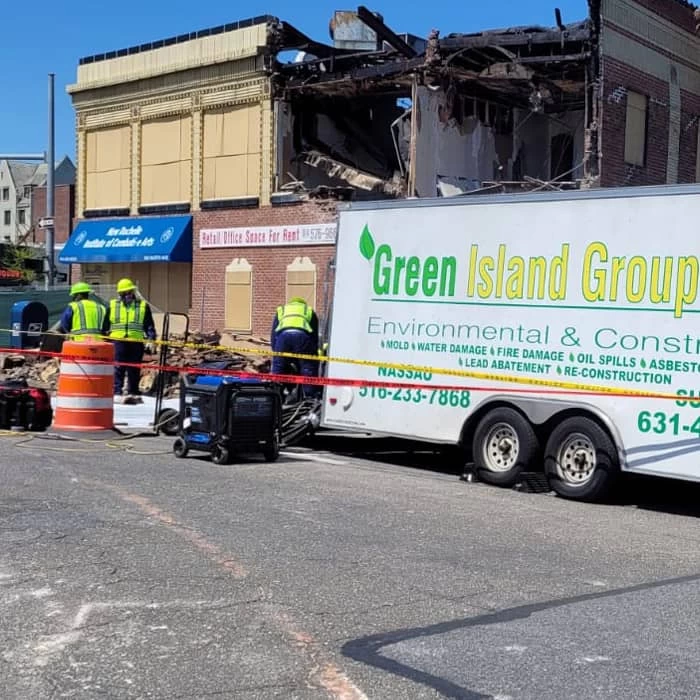
The first step is stabilization. Before any cleanup begins, the structure needs to be secured board-up, tarping, and emergency containment to prevent further exposure to the elements or unauthorized entry. This happens fast, because an unsecured structure after a fire isn’t just a liability it’s an invitation for additional damage.
Once the site is stabilized, the assessment begins. This is where the full picture comes into focus: what burned, what the smoke reached, what the suppression water soaked into, and critically for many Calverton homes whether any environmental hazards like asbestos were disturbed. That assessment drives the scope of work and the insurance documentation. We handle the documentation process alongside you, which means the adjuster gets what they need and you’re not left piecing together paperwork on your own during one of the most stressful experiences of your life.
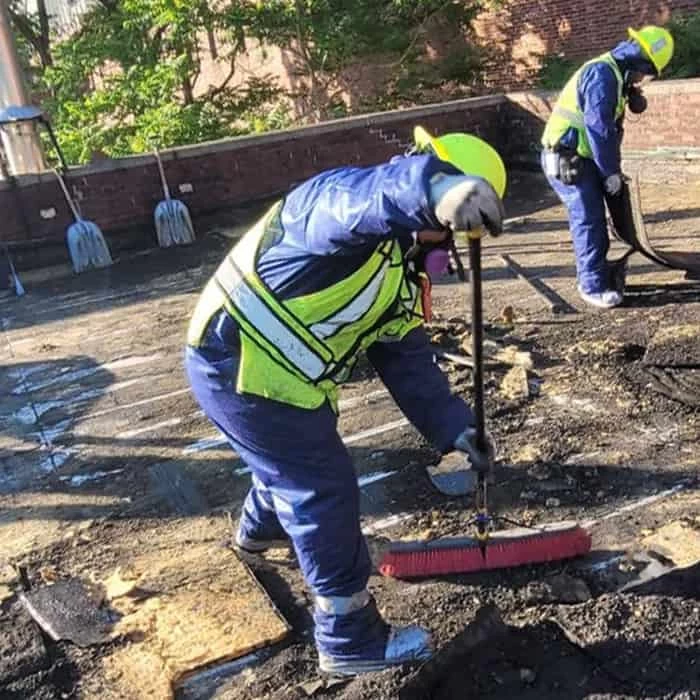
From there, remediation and reconstruction happen in sequence: water extraction and drying, soot and smoke removal, odor treatment, environmental abatement where required, and then full structural and finish reconstruction. Because we handle all of this under one roof, there’s no gap between the remediation phase and the rebuild no waiting for a separate contractor to pick up where the cleanup crew left off. The process ends with a final walkthrough, and the job isn’t considered done until you’re satisfied with the result.
End-to-End Fire Restoration Built for Older Long Island Homes
Fire damage restoration isn’t one service it’s a sequence of connected services that have to be done in the right order by the right people. We cover the full sequence: emergency board-up and stabilization, water extraction from fire suppression, soot and smoke remediation, odor removal, asbestos and environmental abatement, mold remediation, and complete structural reconstruction through final finishes.
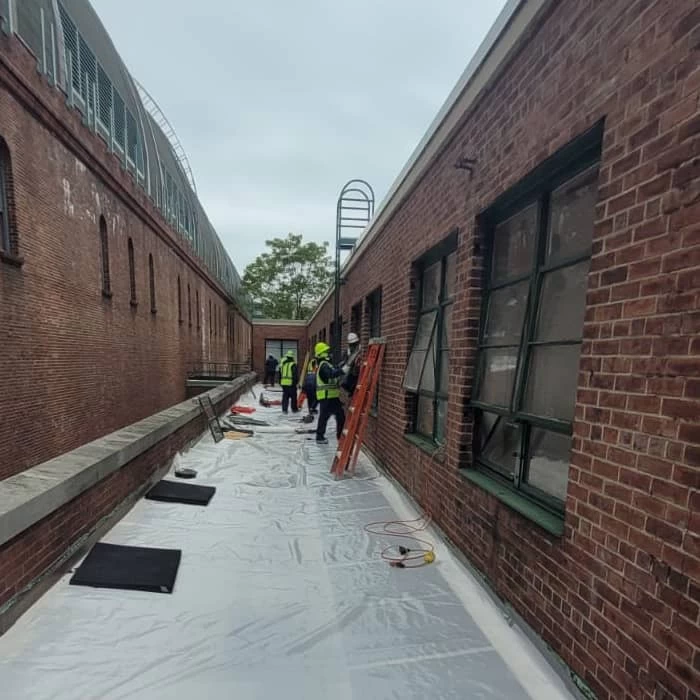
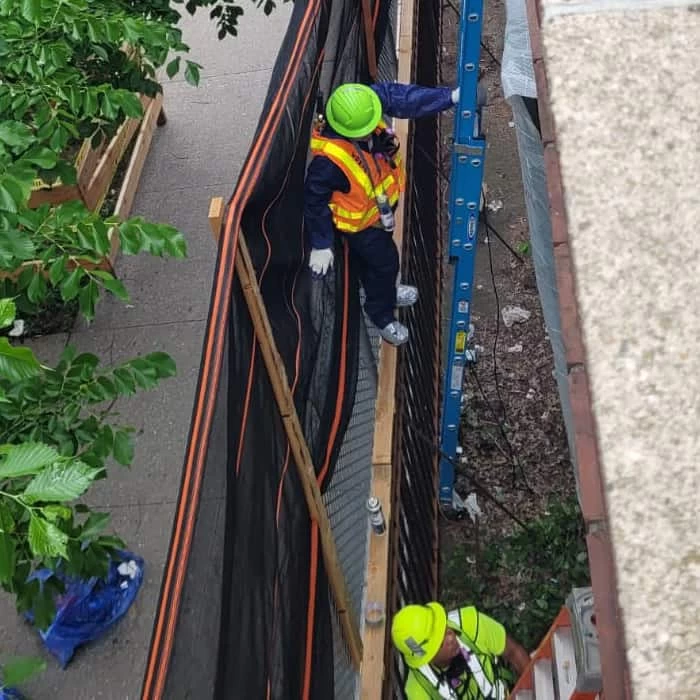
That environmental piece is particularly relevant in Calverton. Homes built before 1980 and there are many in this community frequently contain asbestos-containing materials that become a hazard the moment a fire disturbs them. New York State requires licensed abatement contractors to handle this work. We hold those certifications, which means the remediation is done legally, documented properly, and won’t create problems for your insurance claim or your home’s future resale value.
The insurance navigation support is built into the process, not offered as an add-on. From the initial damage documentation through adjuster coordination and scope-of-work review, we stay in the conversation with you. Homeowners in Calverton who have never filed a major claim before and that’s most people consistently say this is what made the difference between feeling overwhelmed and feeling like they had someone in their corner. That’s the standard here, not the exception.
How quickly should I call a fire restoration company after a house fire in Calverton?
As soon as the fire department clears the scene ideally within the same day. Soot begins permanently bonding to surfaces within hours of a fire. Smoke odor embeds itself into insulation, drywall, and soft materials quickly, and the longer it sits, the harder and more expensive it is to remove. The water left behind by fire suppression which can be hundreds of gallons starts promoting mold growth within 24 to 48 hours if it isn’t extracted and dried properly.
In Calverton specifically, the rural spacing of some neighborhoods means fires can spread further before suppression arrives compared to more densely developed communities. That often translates to deeper smoke penetration throughout the home. The faster a qualified restoration team gets on-site after suppression, the more of that secondary damage can be prevented. Calling the same day isn’t being hasty it’s protecting the scope and cost of your recovery.
Does homeowners insurance cover fire damage restoration costs in New York?
In most cases, yes fire damage is one of the most commonly covered events under standard homeowners insurance policies in New York. That typically includes the cost of cleanup, remediation, and reconstruction, as well as temporary housing if your home is uninhabitable during the restoration. However, the coverage you actually receive depends heavily on how the claim is documented and how the scope of work is communicated to your adjuster.
This is where a lot of homeowners run into trouble. Insurance companies work from the documentation they’re given. If the initial assessment misses hidden smoke damage in the ductwork or doesn’t account for environmental abatement costs which are real and required by New York State law for homes with asbestos-containing materials those costs can get disputed or underpaid. We document the full scope from the start and stay involved in the adjuster conversation, so the claim reflects the actual work required, not just the visible damage.
My Calverton home was built in the 1960s does that affect the fire restoration process?
Yes, and it’s important to understand this before any cleanup work begins. Homes built before 1980 which includes a significant portion of the housing stock in established Calverton neighborhoods like Calverton Hills commonly contain asbestos-containing materials. These include pipe insulation, floor tiles, ceiling tiles, and certain types of exterior siding. Under normal conditions, these materials are stable and not an immediate health risk. A fire changes that.
When fire or even aggressive cleanup disturbs asbestos-containing materials, it releases fibers into the air. Breathing those fibers is a serious health risk, and cleaning them up without a licensed abatement contractor is a violation of New York State Department of Labor regulations. It can also create significant problems with your insurance claim and the future sale of your home. We hold the environmental credentials to handle asbestos abatement in-house, which means the work is done legally, documented properly, and doesn’t require you to coordinate a separate contractor in the middle of an already stressful situation.
What's the difference between fire cleanup and actual fire damage restoration?
Cleanup is removing visible debris, wiping down surfaces, and airing out the space. Restoration is returning the property to its pre-loss condition structurally, environmentally, and cosmetically. Those are very different scopes of work, and confusing the two is one of the most common and costly mistakes homeowners make after a fire.
A cleanup crew can remove the charred material and scrub the soot off the walls. What they typically can’t do is extract the water from the subfloor, test for asbestos disturbance, remediate smoke odor from inside the wall cavities and ductwork, or rebuild the structural elements that were compromised. If you hire a cleanup crew and then discover six months later that your HVAC system is still circulating smoke odor or that mold has developed in the walls where suppression water was never properly dried, you’re starting over often without insurance coverage for the secondary damage. True restoration addresses all of it the first time.
How long does fire damage restoration typically take for a home in Calverton, NY?
It depends on the scope of the damage, but here’s a realistic framework: minor fire damage with limited smoke spread might be resolved in one to three weeks. Moderate damage involving multiple rooms, ductwork contamination, and water extraction typically runs four to eight weeks. Significant structural damage requiring reconstruction can extend to several months.
For Calverton homeowners, a few local factors can affect that timeline. If your home requires asbestos abatement which is common in older properties here that adds a required step with its own regulatory timeline before reconstruction can begin. Permitting through the Town of Riverhead building department adds another layer, and if your property happens to sit south of the Peconic River in the Brookhaven portion of Calverton, the applicable building department is different. We navigate both, which prevents the kind of permitting delays that can add weeks to a project when a contractor files with the wrong municipality.
Can smoke damage spread to rooms that didn't catch fire and how is that treated?
Yes and this surprises most homeowners. Smoke doesn’t stay in the room where the fire started. It travels through HVAC systems, migrates through wall cavities, and infiltrates adjacent spaces within minutes of a fire. In older Calverton homes with aging ductwork and less airtight construction, that spread can be extensive. Rooms that look completely untouched can have soot coating the inside of the vents, smoke odor embedded in the insulation, and surface contamination that isn’t visible to the naked eye but is absolutely present.
Treating smoke damage in unaffected rooms requires a different approach than treating the burn area. It involves HVAC cleaning, air scrubbing, thermal fogging or ozone treatment for odor, and in some cases removing and replacing insulation that has absorbed smoke. Skipping this step or assuming that because a room looks clean it is clean is how families end up living with a persistent smoke odor months after the visible restoration is complete. A thorough assessment of the entire home, not just the damaged area, is the only way to confirm the full scope and address it completely.