In lower Manhattan’s converted towers and pre-war lofts along Church Street, fire damage doesn’t stay in one room and getting back home fast matters more than anywhere else. We handle fire damage restoration near Church Street, NY from the first emergency call to the final walkthrough.
I needed a professional consultation explanation of procedure for safe removal of Asbestos in my apartment complex. Without having an account yet, I was very impressed with the caring, knowledgeable and generous advice offered by Jessica, and will look forward to doing business in the future. Thank you so much! I feel much more informed about a sometimes scary endeavor. Peace. Nancy Silva Mineola, NY.
Mia Munoz
Used this company to clean up some water flood in my house. They were fast and easy to work with.very professional, Would recommend to anyone!
Nini Valle
Great company, had a flood and they responded quickly and efficiently. Billed my insurance company directly. I highly recommend this company!
joe colapietro, jr
I had pipe freeze in my basement right before a snow storm and they made to within an hour to help start the clean up process. They we by our side throughout the entire process and even helped with the insurance company. They did such a great job with the cleanup, repair, remidiation, I contracted them to perform the repairs and finishes in the basement. They came with enough manpower and material to get the job done. Leo and Jessica were nothing but a pleasure to deal with!!
Cristian Arredondo c
I had some water damage in my home and Green Island was able to take care of my issue quickly and effectively. I am very pleased with the work they did. They responded quickly and were very professional.
Michael M
Outstanding service! From the office to the field crew everyone was friendly, helpful and responsive. I highly recommend Green Island Group.
Your Unit Restored Before the Hotel Bill Gets Out of Hand
Hotel rates near the World Trade Center don’t wait for your restoration to finish. At $300 to $600 a night in this part of Manhattan, every extra day out of your unit is a real financial hit not just an inconvenience. The faster the restoration moves, the sooner you’re back where you belong.
Smoke in a high-rise doesn’t stay put. In the converted office towers and cast-iron loft buildings that line Church Street and the surrounding corridor, shared HVAC systems can carry soot from one unit into the floors above and below it within hours of a fire. That’s not a problem surface cleaning solves. It takes real equipment air scrubbers, HEPA filtration, thermal fogging to clear it out completely, not just mask it until the smell comes back three weeks later.
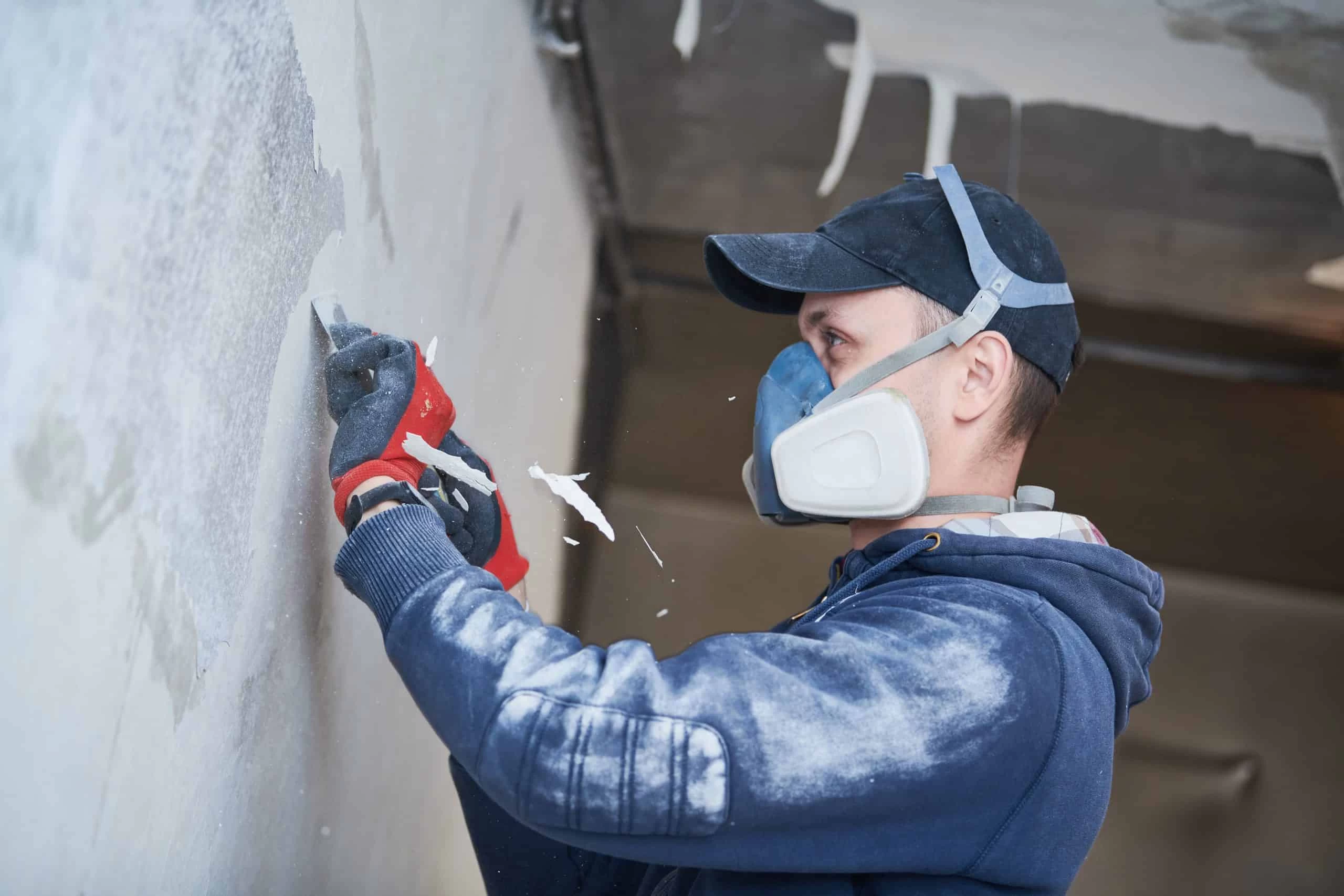
The buildings in this neighborhood also carry a specific risk that most restoration companies aren’t equipped to handle. Many structures along Church Street and into Tribeca were built before 1980, which means fire damage can disturb asbestos-containing materials or lead-based paint. When that happens, you need a contractor who handles hazardous abatement in-house not one who stops work and hands you a referral. We cover fire restoration, water damage, mold prevention, asbestos abatement, and full reconstruction under one roof, so nothing falls through the cracks between contractors.
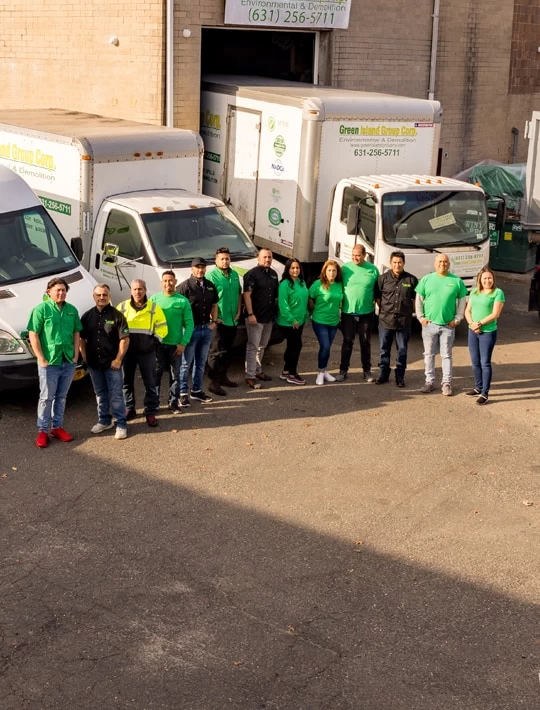
We are a locally owned environmental, remediation, and restoration company serving New York County and the broader New York metro area. We work with residential property owners, co-op boards, building managers, and commercial tenants the full range of stakeholders you actually encounter in a lower Manhattan building after a fire.
We already serve the Church Street corridor and understand what it means to work in a building where the Landmarks Preservation Commission may have a say in how restoration happens, where NYC DOB permits are required before structural work begins, and where the NYC Fire Code not the general state code governs every phase of the job. That’s not a detail most restoration companies think about until it becomes a problem.
What sets us apart is straightforward: we don’t subcontract the hard parts. From emergency board-up the night of the fire to the final coat of paint during reconstruction, one team owns the entire process. We bill insurance directly something real customers have specifically called out in reviews so you’re not stuck managing paperwork while you’re living out of a suitcase near Fulton Street.
The first step is getting someone on-site fast. We’re available 24/7, and in a building where smoke can migrate through shared systems overnight, response time matters. When our team arrives, we assess the full scope of damage not just the room where the fire started, but the HVAC pathways, adjacent spaces, and any structural areas where soot or water may have traveled. In older buildings along Church Street, that assessment also includes identifying whether fire damage has disturbed any asbestos or lead-containing materials, which requires a different protocol before restoration work begins.
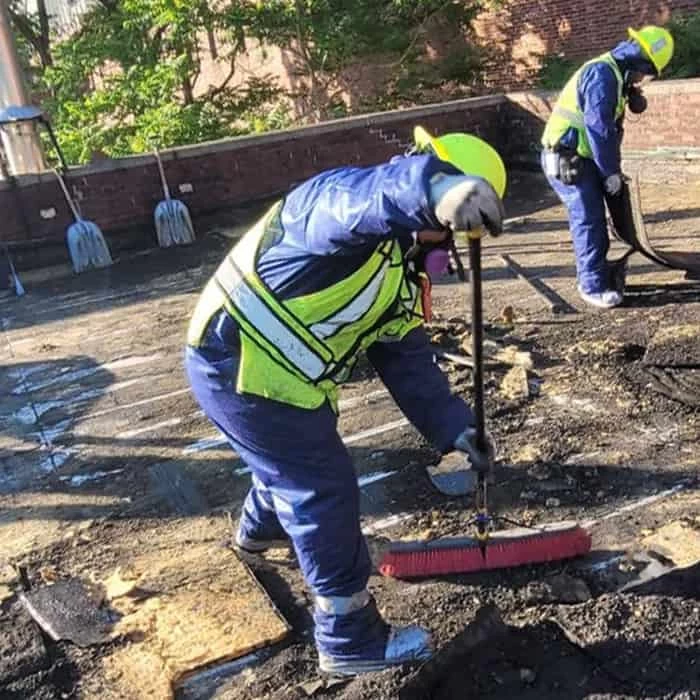
Once the scope is clear, emergency stabilization comes first board-up, tarping, and any immediate steps needed to secure the unit and prevent further damage. From there, the remediation phase begins: smoke and soot removal, odor neutralization using thermal fogging and hydroxyl generators, and water extraction if firefighting suppression saturated floors or walls. This is where the work gets technical, and where cutting corners shows up weeks later as recurring odor or hidden mold.
After remediation is complete and verified, reconstruction begins. In New York City, that means pulling the right NYC Department of Buildings permits, coordinating with building management on elevator access and work hour restrictions, and in landmarked buildings near the Tribeca Historic District accounting for any Landmarks Preservation Commission requirements. When everything is done, you get a fully restored unit and documentation your insurance carrier can use to close the claim.
Fire and Smoke Damage Restoration, New York County
Built for the Complexity of Lower Manhattan's Building Stock
Fire damage restoration near Church Street, NY isn’t a one-size job. The mix of pre-war commercial conversions, modern luxury condominiums, and historic loft buildings in this corridor creates restoration scenarios that require genuine multi-discipline capability not a cleanup crew with a shop vac and an air freshener.
We offer emergency board-up and tarping, full smoke and soot removal, odor elimination at the source, water damage repair from firefighting suppression, mold prevention and remediation, asbestos and lead abatement where required, structural repairs, and complete unit reconstruction. Every phase is handled in-house. That matters in a building where co-op boards need a single accountable contractor, not a chain of subcontractors pointing at each other when timelines slip.
We also work directly with your insurance carrier from day one. In New York City, where a single fire can involve your individual unit policy, your building’s master policy, and potentially a neighbor’s claim all at once having a restoration team that knows how to document scope, communicate with adjusters, and handle billing directly removes one of the most stressful parts of an already difficult situation. If your building is in or near the Tribeca South or Tribeca East Historic Districts, we’re also familiar with the additional review steps that can affect how and when certain restoration work is completed.
Does fire damage restoration near Church Street, NY require a city permit?
Yes, in most cases. Any structural repair or reconstruction work following fire damage in New York City requires permits from the NYC Department of Buildings. This applies whether you’re repairing drywall, replacing flooring, or doing anything that touches the structural elements of the unit or building. It’s not optional, and skipping it creates problems when you go to sell the property or when your insurance carrier requests documentation.
What makes the Church Street area specifically more involved is that some buildings along the corridor fall within or near the Tribeca South or Tribeca East Historic Districts. If your building is a contributing structure within one of those districts, certain exterior restoration work may also require review by the Landmarks Preservation Commission before it can proceed. We’re familiar with both the DOB permit process and the LPC review requirements, so these steps get handled correctly from the start rather than becoming a delay midway through the job.
Can smoke from a fire in one unit affect other apartments in my building?
It can, and in the building types common to the Church Street corridor, it happens more often than people expect. Many of the converted office towers and pre-war loft buildings in lower Manhattan have shared HVAC systems, open plumbing chases, and structural gaps that allow smoke and soot to migrate between floors and units after a fire. A kitchen fire on one floor can deposit soot residue in neighboring units through the building’s air handling system sometimes without any visible sign until the smell becomes noticeable days later.
This is why a thorough assessment covers more than just the unit where the fire originated. We evaluate HVAC pathways and adjacent spaces as part of the initial inspection. If neighboring units have been affected, that scope gets documented and addressed which matters both for the health of other residents and for the building management company trying to close out the incident cleanly. Incomplete smoke remediation in one unit becomes a building-wide complaint within weeks.
What should I do in the first hour after a fire in my Manhattan apartment?
The most important thing you can do in that first hour is get a professional restoration team moving toward your building. Soot begins permanently bonding to surfaces within minutes of a fire being extinguished, and water from FDNY suppression starts creating mold conditions within 24 to 48 hours. The longer the window between the fire and the start of remediation, the larger the scope of restoration becomes and in lower Manhattan, where hotel stays during displacement run $300 to $600 a night, a wider scope means a longer time out of your unit.
While you’re waiting for the team to arrive, don’t attempt to clean anything yourself. Wiping soot with a dry cloth spreads it deeper into porous surfaces. Don’t run the HVAC system either if smoke has entered the ductwork, running the system pushes contaminated air into more of the building. Call your building management or super to make them aware of the situation, and then call your insurance carrier to open a claim. We can coordinate directly with your carrier from that point forward, so you’re not managing that process alone while also trying to find somewhere to sleep.
Does fire damage in an older lower Manhattan building create asbestos or lead risks?
It can, and it’s a legitimate concern in this part of the city. Buildings constructed before 1980 which includes a significant portion of the residential and converted commercial stock along Church Street and into Tribeca may contain asbestos in insulation, floor tiles, ceiling materials, or pipe wrapping. Buildings built before 1978 may have lead-based paint. When a fire damages these materials or when restoration work disturbs them, that creates a hazardous exposure risk that requires specific handling under NYC DEP regulations.
This is one of the most important reasons to work with a contractor who handles environmental abatement in-house. If a restoration company discovers disturbed asbestos mid-job and has to stop work to bring in a separate abatement contractor, you’re looking at scheduling gaps, coordination delays, and a longer displacement. Our team includes asbestos and lead abatement capability alongside fire and smoke restoration, so if hazardous materials are identified during the initial assessment, the response is immediate and the project keeps moving.
How does an e-bike battery fire differ from a regular apartment fire for restoration purposes?
Significantly. Lithium-ion battery fires which the FDNY reported 277 of in New York City in 2024, most caused by e-bikes and e-scooters burn at much higher temperatures than typical kitchen or electrical fires and generate a chemically distinct smoke. That smoke penetrates building materials faster and more deeply than wood or cooking smoke, and it doesn’t respond the same way to standard odor neutralization methods.
In the lower Manhattan delivery economy, e-bikes are stored in lobbies, bike rooms, and individual apartments throughout buildings in the Church Street area. A single battery fire in a ground-floor bike storage room can drive toxic smoke up through a building’s stairwells and elevator shafts, affecting multiple floors. Restoration after a lithium-ion battery fire requires specialized air filtration equipment and deodorization techniques that address the specific chemical composition of that smoke not the same approach used for a grease fire. If your building has experienced this type of fire, it’s worth asking any restoration company directly how they handle it before you hire them.
How does Green Island Group handle insurance claims for fire damage near Church Street, NY?
We bill your insurance carrier directly and handle the documentation and communication with your adjuster throughout the process. In a straightforward single-family home claim, that’s already a significant relief. In a lower Manhattan building where your individual unit policy, the building’s master policy, and potentially a neighboring unit’s claim can all be active simultaneously having a restoration team that knows how to navigate multi-party insurance situations is genuinely valuable.
From the initial assessment, we document the full scope of damage in the format insurance carriers need to process the claim. We communicate with adjusters directly, provide itemized scope-of-work documentation, and flag any scope changes that affect the claim as the project progresses. Customers have specifically noted in reviews that direct insurance billing removed one of the most stressful parts of the recovery process. In a neighborhood where displacement costs add up fast and the pressure to get back home is real, that kind of coordination isn’t a bonus it’s part of what makes the restoration actually work.