When Tenement Walls Burn, You Need More Than a Cleanup Crew
A fire in Cooper Square doesn’t forgive shortcuts. We handle fire damage restoration in Cooper, NY from emergency response through full reconstruction with the permits, licenses, and environmental credentials to do it right the first time.
I needed a professional consultation explanation of procedure for safe removal of Asbestos in my apartment complex. Without having an account yet, I was very impressed with the caring, knowledgeable and generous advice offered by Jessica, and will look forward to doing business in the future. Thank you so much! I feel much more informed about a sometimes scary endeavor. Peace. Nancy Silva Mineola, NY.
Mia Munoz
Used this company to clean up some water flood in my house. They were fast and easy to work with.very professional, Would recommend to anyone!
Nini Valle
Great company, had a flood and they responded quickly and efficiently. Billed my insurance company directly. I highly recommend this company!
joe colapietro, jr
I had pipe freeze in my basement right before a snow storm and they made to within an hour to help start the clean up process. They we by our side throughout the entire process and even helped with the insurance company. They did such a great job with the cleanup, repair, remidiation, I contracted them to perform the repairs and finishes in the basement. They came with enough manpower and material to get the job done. Leo and Jessica were nothing but a pleasure to deal with!!
Cristian Arredondo c
I had some water damage in my home and Green Island was able to take care of my issue quickly and effectively. I am very pleased with the work they did. They responded quickly and were very professional.
Michael M
Outstanding service! From the office to the field crew everyone was friendly, helpful and responsive. I highly recommend Green Island Group.
Your Building Back Safe, Legal, and Fully Documented
A fire in a Cooper Square tenement doesn’t just damage one apartment. Smoke travels through shared stairwells and air shafts. Firefighting water soaks into floors and wall cavities shared between units. Soot gets pulled into the building’s HVAC system and settles in spaces that never saw a flame. By the time the FDNY clears the scene, the damage has already spread well beyond the unit of origin.
What you need after that isn’t just a cleanup it’s a coordinated restoration that addresses the whole building, not just the most visible damage. That means smoke and soot remediation in every affected space, water extraction before mold takes hold, and structural repairs that meet NYC Department of Buildings requirements so the building can be legally re-occupied.
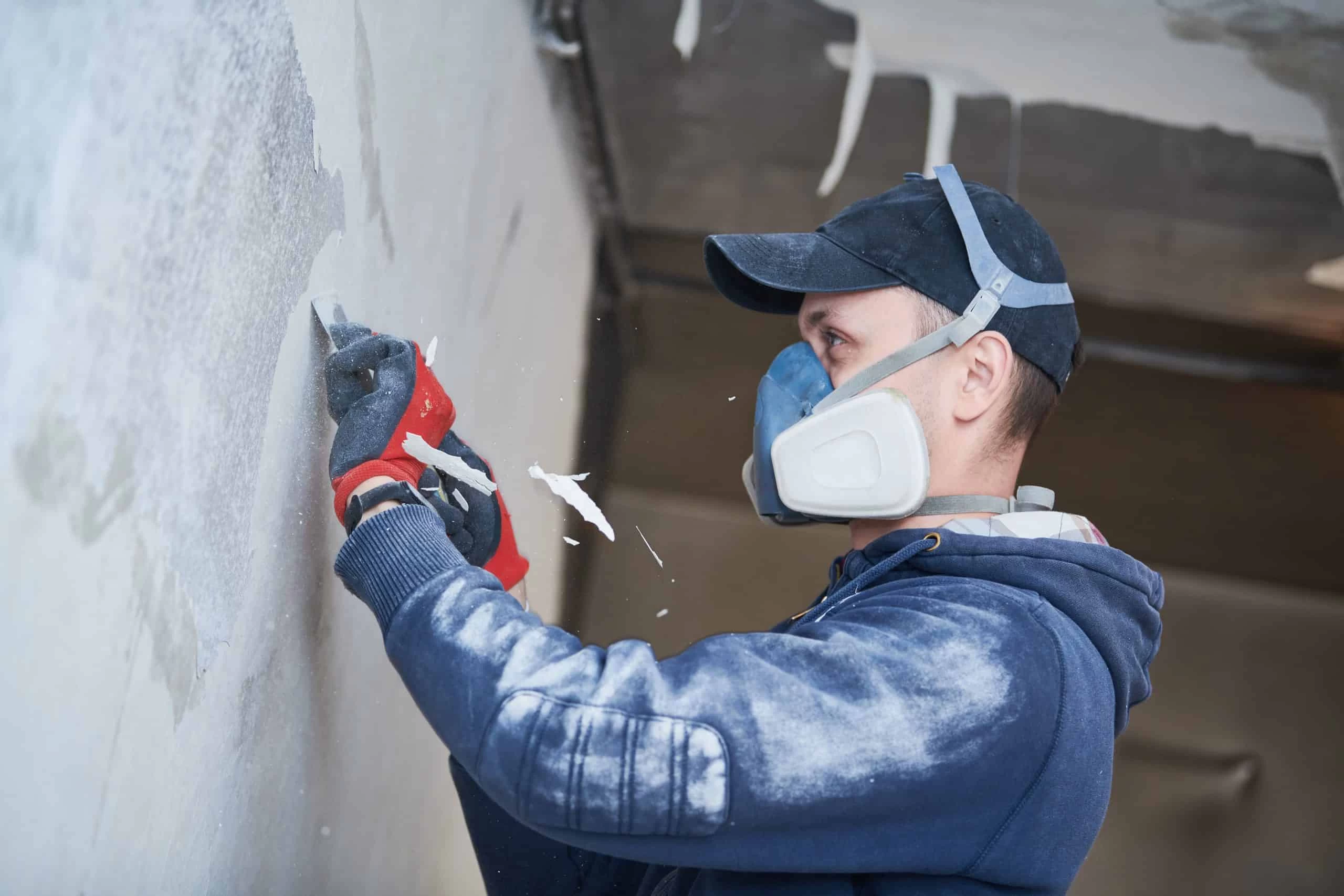
In Cooper, where buildings were constructed as far back as the 1880s, there’s another layer that most restoration companies aren’t equipped to handle: lead paint and asbestos. Both are common in Cooper Square’s old-law tenements, and both become a regulated hazard the moment fire or water disturbs them. We hold the environmental remediation credentials to assess and abate those materials as part of the same project no handoffs, no gaps, no stop-work orders while you wait for a second contractor.
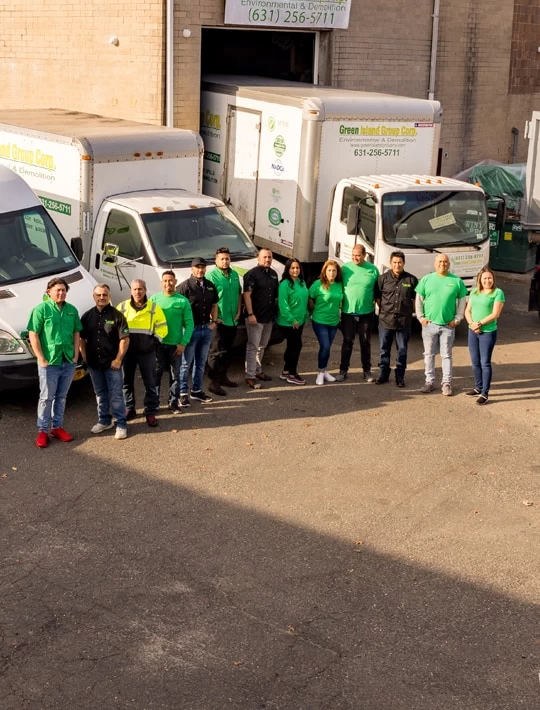
We are a full-service environmental remediation, restoration, and demolition contractor based in New York. We’ve been doing this work in Manhattan’s most complex buildings pre-war walk-ups, old-law tenements, co-ops long enough to know that no two fire jobs are the same, and that cutting corners in a building this old creates problems that outlast the restoration.
We work directly with insurance carriers, pull our own NYC DOB permits, and handle asbestos abatement, mold remediation, and structural reconstruction under one contract. For building owners and property managers in Cooper and the surrounding East Village where displaced tenants, active insurance adjusters, and DOB inspectors can all be on-site simultaneously that single point of accountability matters more than almost anything else.
We answer the phone at 3am. We show up documented, licensed, and ready. And we don’t leave until the job is signed off.
From Emergency Call to DOB Sign-Off Here's the Process
The first call triggers an emergency response. We secure the affected areas board-up, tarping, whatever the building needs to prevent further damage or unauthorized access. In a multi-unit Cooper Square building, that often means securing a stairwell, an elevator shaft, or a shared mechanical room, not just a single apartment door.
Once the scene is safe, we conduct a full damage assessment. That includes visible fire and smoke damage, water intrusion from firefighting, and an environmental evaluation for asbestos and lead both of which are common in the pre-1978 building stock throughout Cooper and the surrounding East Village. This assessment drives the scope of work and the documentation your insurance adjuster will need to process the claim.
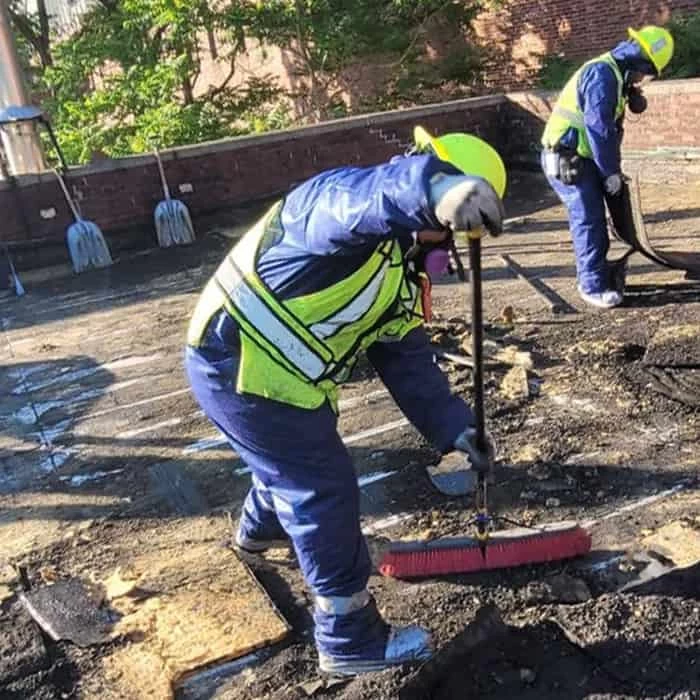
From there, remediation and restoration happen in the right sequence: hazardous materials abatement first if required, then smoke and soot removal, water extraction, mold prevention, and structural repair. Every step that touches the building’s structure requires a NYC DOB permit we pull those permits, schedule the required inspections, and manage the process through final sign-off. You don’t have to navigate the DOB on top of everything else you’re already dealing with.
Fire damage restoration in a Cooper Square building covers more ground than most people expect going in. The fire itself is only part of the damage picture. Smoke penetrates walls and travels through shared systems. Water from suppression soaks structural materials and creates a mold window that opens within 24 to 48 hours. In buildings with original plaster walls, wood-lath construction, and aging electrical systems which describes most of the residential stock between Astor Place and Houston Street restoration requires a different level of care than standard drywall replacement.
Our scope includes emergency board-up and site securing, full smoke and soot remediation, HEPA air scrubbing, thermal fogging for odor neutralization, water extraction and drying, mold prevention treatment, asbestos and lead abatement where required under NYS DEC and NYC DEP regulations, structural repair, and full reconstruction to pre-loss condition. We also handle all DOB permitting and coordinate directly with your insurance carrier throughout the process.
For building owners managing multiple displaced tenants, we provide thorough damage documentation photographs, written scope, and a clear record of what was damaged and what was restored. In Cooper, where tenant rights history runs deep, that documentation protects everyone involved and leaves no ambiguity about the habitability of the restored space.
Who is responsible for fire damage restoration in a Cooper Square rental apartment?
In New York City, the building owner is generally responsible for restoring the structure and common areas after a fire that includes walls, ceilings, floors, electrical systems, plumbing, and HVAC. Tenants are typically responsible for their personal belongings, which is where renter’s insurance comes in. That said, the lines can get complicated fast, especially in a multi-unit Cooper Square building where the fire may have originated in one unit and spread damage to several others.
If you’re a tenant, document everything before any cleanup begins photographs, video, written descriptions. If you’re a building owner or property manager in Cooper, the NYC Department of Buildings will require permits for virtually all structural repair work before the space can be legally re-occupied. Starting repairs without those permits creates liability and can result in stop-work orders that extend displacement significantly. Getting a licensed, permitted contractor on-site quickly is the fastest path to getting your tenants back in their homes.
How quickly can mold develop after a fire in a Manhattan apartment building?
Mold can begin growing in water-saturated building materials within 24 to 48 hours and in a dense pre-war building like the ones that make up most of Cooper Square’s residential stock, that window closes fast. The FDNY uses thousands of gallons of water to fight a structural fire. That water doesn’t stay in the unit of origin. It soaks through floors, runs down shared wall cavities, and pools in spaces that may not be immediately visible during a walkthrough.
Old-law tenements the kind built between 1879 and 1901 that are still occupied throughout Cooper and the East Village have minimal ventilation and dense construction that holds moisture longer than modern buildings. That combination makes mold remediation a near-certain part of any serious fire restoration in this area. The right move is to treat water damage and mold prevention as part of the same project, not a separate job you schedule weeks later when the problem is already established.
Does fire damage restoration in NYC require a Department of Buildings permit?
Yes and this is one of the most important things to understand before any restoration work begins in Manhattan. The NYC Department of Buildings requires permits for all structural repair work following a fire. That includes work on walls, ceilings, floors, electrical systems, plumbing, and HVAC. In Cooper and the surrounding East Village, where most buildings are pre-war construction with original materials, almost every fire restoration project will trigger permit requirements.
Working with a contractor who isn’t licensed to pull NYC DOB permits or who skips the permit process to move faster creates serious problems. Unpermitted work can result in stop-work orders, fines, and a requirement to undo completed repairs. More importantly, the building cannot be legally re-occupied until the DOB signs off on the restoration. If you’re a building owner with displaced tenants, that delay is costly in every sense. Make sure whoever you hire is a licensed NYC general contractor who handles permitting as a standard part of the job.
What happens if my Cooper Square apartment building has asbestos and there's a fire?
Buildings constructed before 1980 which covers the overwhelming majority of residential buildings in Cooper and the East Village may contain asbestos in pipe insulation, floor tiles, ceiling tiles, and joint compound. Buildings built before 1978 almost certainly contain lead-based paint. When fire or firefighting water disturbs those materials, they become a regulated hazardous waste situation that requires licensed abatement before standard restoration work can proceed.
Under NYS DEC and NYC DEP regulations, asbestos abatement must be performed by a licensed abatement contractor following specific protocols it cannot be done as part of general construction or cleanup. If your restoration contractor isn’t licensed for asbestos and lead abatement, they are legally required to stop work and bring in a separate contractor, which creates delays, coordination gaps, and liability exposure. We hold the environmental remediation credentials to handle abatement and restoration under one scope of work, which keeps the project moving and eliminates the handoff problem entirely.
Are e-bike and lithium-ion battery fires different to restore than regular apartment fires?
They are and it’s worth understanding why. Lithium-ion battery fires go from no visible problem to a fully involved fire in a matter of seconds, generating intense heat and thick, chemically complex smoke before most people in the building even know something is wrong. New York City recorded 277 lithium-ion battery fires in 2024, and they’re concentrated in exactly the kind of dense residential buildings that define Cooper Square and the surrounding East Village buildings where food delivery workers store and charge e-bikes in apartments, hallways, and basements.
The damage profile from a lithium battery fire tends to be more severe than a typical cooking or electrical fire of comparable size. The smoke contains different chemical compounds, the heat damage is more concentrated, and the speed of the fire often means the FDNY response arrives after significant structural damage has already occurred. Restoration after a lithium battery fire requires thorough air quality testing, specialized filtration, and careful assessment of materials that may look intact but have been compromised by the heat and chemical exposure. It’s not a standard cleanup job, and it shouldn’t be treated like one.
How does fire damage restoration work when multiple units in a building are affected?
In a Cooper Square apartment building, a fire rarely stays contained to one unit. Smoke travels through shared stairwells, elevator shafts, and air shafts the same dumbbell air shaft design that made old-law tenements notorious fire hazards when they were built in the late 1800s. Firefighting water runs down through floors. HVAC systems pull contaminated air through the entire building. By the time the scene is cleared, you may have significant damage across multiple floors and units, plus the building’s common areas and mechanical systems.
Coordinating restoration across a multi-unit building requires a single contractor who can manage the full scope not separate crews hired unit by unit. You need one assessment, one insurance documentation package, one permit application, and one timeline that accounts for all affected spaces simultaneously. Trying to manage five different contractors across five different units while keeping displaced tenants informed and an insurance adjuster updated is a situation that almost always results in delays, disputes, and gaps in the restoration. One contractor, one scope, one point of contact is the only approach that actually works in a building like this.