When Fire Hits a Coram Home, You Need More Than a Cleanup Crew
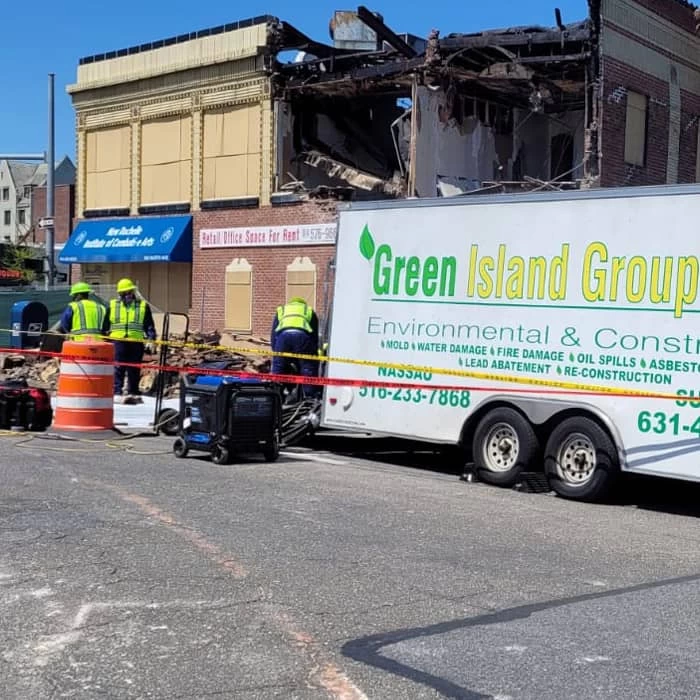
When a fire hits your home on Middle Country Road or anywhere else in Coram, you don’t need a franchise dispatcher. You need someone on-site fast, with the credentials to handle everything smoke, soot, water, and whatever’s hiding behind the walls. We respond in under an hour, and we handle the entire restoration in-house. No handoffs. No waiting for a second contractor to show up three weeks later.
I needed a professional consultation explanation of procedure for safe removal of Asbestos in my apartment complex. Without having an account yet, I was very impressed with the caring, knowledgeable and generous advice offered by Jessica, and will look forward to doing business in the future. Thank you so much! I feel much more informed about a sometimes scary endeavor. Peace. Nancy Silva Mineola, NY.
Mia Munoz
Used this company to clean up some water flood in my house. They were fast and easy to work with.very professional, Would recommend to anyone!
Nini Valle
Great company, had a flood and they responded quickly and efficiently. Billed my insurance company directly. I highly recommend this company!
joe colapietro, jr
I had pipe freeze in my basement right before a snow storm and they made to within an hour to help start the clean up process. They we by our side throughout the entire process and even helped with the insurance company. They did such a great job with the cleanup, repair, remidiation, I contracted them to perform the repairs and finishes in the basement. They came with enough manpower and material to get the job done. Leo and Jessica were nothing but a pleasure to deal with!!
Cristian Arredondo c
I had some water damage in my home and Green Island was able to take care of my issue quickly and effectively. I am very pleased with the work they did. They responded quickly and were very professional.
Michael M
Outstanding service! From the office to the field crew everyone was friendly, helpful and responsive. I highly recommend Green Island Group.
What Changes When the Right Team Shows Up First in Coram
The visible damage is only part of what a fire leaves behind. Smoke travels through ductwork, soaks into wall cavities, and locks into porous materials in rooms that never saw a flame. In Coram’s older housing stock a lot of it built in the 1950s, 60s, and 70s that problem runs deeper than it does in newer construction. Less airtight framing, older HVAC systems, and more absorbent building materials mean smoke doesn’t stay contained. If the remediation only addresses what you can see, the smell comes back, and so does the damage.
There’s also the water. Every minute a suppression hose runs, more water is pushing into your subfloor, your insulation, your drywall. Mold can start within 24 to 48 hours of that kind of saturation. Soot begins permanently etching surfaces in as little as 72 hours. The clock isn’t a figure of speech it’s the actual difference between saving your home’s structure and replacing it.
What changes when the response is fast and the scope is complete is simple: you get your home back. Not a version of it that smells fine for a few months and then doesn’t. Not a structure that passes a visual inspection but fails you six months later. A restored home, handled start to finish, with someone who knows what Brookhaven Town requires to get the permits pulled and the work done right.
We’re a Long Island-based, independently owned restoration company not a franchise, not a call center, not a crew assigned by a regional dispatcher. When you call us about fire damage in Coram, you’re talking to the people who will actually show up. Customers name Leo and Jessica by name in their reviews, not because it’s a talking point, but because that’s what working with a real local team actually feels like.
We serve Coram and the surrounding Suffolk County area, which means we know the Brookhaven Town permit process, the Suffolk County licensing requirements, and the specific character of homes throughout central Long Island. That’s not a small thing when you’re dealing with a fire in a pre-1980 home near Prosser Pines or anywhere else in Coram where asbestos-containing materials are a real possibility. We hold the New York State asbestos handling certification to address that in-house no separate contractor, no additional coordination on your end.
From the first emergency call through final reconstruction, one team handles it. That’s the whole point.
From Emergency Call to Finished Home Here's How We Work in Coram
It starts with a call and a fast response. Our documented response time is under an hour, which matters in Coram where the fire department runs on 120 volunteers. Once the scene is cleared and you’re able to bring a restoration team in, every hour of delay is working against you. The first priority on arrival is assessment understanding the full scope of damage, not just what’s visible, including smoke penetration, water intrusion from suppression, and any environmental hazards like disturbed asbestos in older materials.
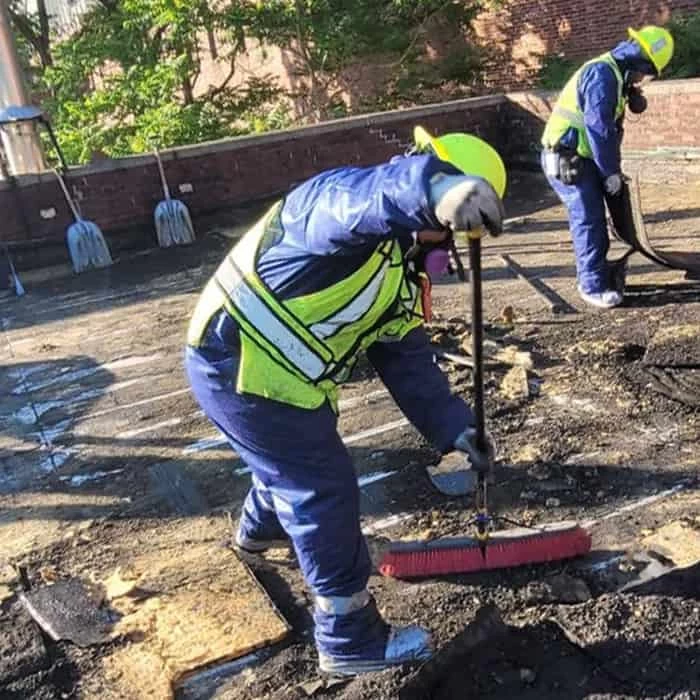
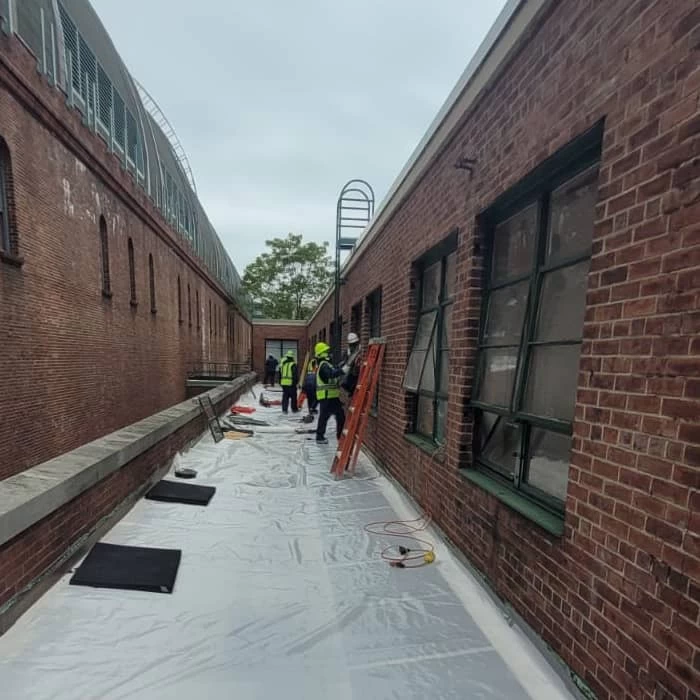
From there, the work moves in a logical sequence: water extraction and drying first to stop mold before it starts, then smoke and soot remediation that goes beyond surface cleaning thermal fogging, hydroxyl treatment, and duct cleaning to address what traveled through the HVAC system. If asbestos-containing materials were disturbed, we handle that in-house under New York State certification before any reconstruction begins. We pull Brookhaven Town building permits for the structural work, and the rebuild proceeds from framing through finishes.
Throughout the process, we work directly with your insurance company. We document the damage, communicate with your adjuster, and make sure the scope of work is properly supported. Most Coram homeowners haven’t been through a major claim before. Having someone who handles that side of it not just mentions it makes a real difference in what you ultimately recover.
Fire damage restoration in Coram means dealing with more than burn marks. It means water damage from suppression, smoke in places you wouldn’t think to look, potential environmental hazards in older construction, and a Brookhaven Town permit process that has to be navigated correctly before any structural work can begin. Our service covers all of it emergency response, water extraction, structural drying, smoke and soot remediation, odor elimination, asbestos assessment and abatement if needed, mold remediation, demolition of unsalvageable materials, structural reconstruction, and final finishes.
For Coram homeowners living near the Long Island Pine Barrens interface particularly in the eastern and northern parts of the hamlet brush fire and wildfire exposure is a real and specific risk that most restoration companies on Long Island don’t address with any depth. We do. Whether the source is a kitchen fire, an electrical failure after a nor’easter, a heating system issue in the middle of a cold Suffolk County winter, or a brush fire that reached a structure near the pine barrens, the response and the process are the same: complete, documented, and covered under one team.
The satisfaction guarantee is straightforward the work isn’t done until you’re satisfied with it. That’s not a tagline. It’s the standard every job is held to, and it’s backed by a track record of reviews from Long Island homeowners who went through exactly what you’re dealing with now.
Does fire damage restoration in Coram, NY cover smoke and water damage too?
Yes and in most cases, smoke and water damage end up being a larger part of the job than the fire damage itself. When suppression hoses run at a residential fire, water pushes into subfloors, insulation, wall cavities, and anywhere else it can travel. That water has to be extracted and the structure fully dried before any reconstruction begins, otherwise mold follows within 24 to 48 hours. Smoke is a similar story it doesn’t stay in the room where the fire occurred. It moves through ductwork, penetrates drywall, and saturates porous materials throughout the home.
In Coram specifically, the older housing stock amplifies both problems. Pre-1980 construction tends to be less airtight, which means smoke travels further and faster through the structure. Our restoration scope covers water extraction, structural drying, full smoke and soot remediation including HVAC cleaning, and mold remediation if needed all under one team, not separate contractors.
How quickly can we reach a Coram home after a fire?
Our emergency response time is documented at under one hour. That speed is particularly important in Coram, where the fire department operates entirely on volunteers 120 of them across three stations on Middle Country Road and surrounding areas. Volunteer response times can vary depending on time of day and availability, which means the professional restoration window often opens later than it would in communities with career fire departments.
Once the scene is cleared and you’re able to bring a team in, every hour matters. Soot begins permanently etching and staining surfaces within 72 hours. Mold can start growing in saturated materials within 24 to 48 hours. A fast restoration response doesn’t just feel better it directly affects how much of your home’s structure and contents can be saved versus replaced.
My Coram home was built in the 1960s could a fire have disturbed asbestos?
It’s a real and legitimate concern. Homes built before 1980 which covers a large portion of Coram’s residential stock commonly contain asbestos in floor tiles, pipe insulation, ceiling tiles, joint compound, and roofing materials. When a fire damages those materials, asbestos fibers can become airborne, and at that point you’re dealing with a regulated environmental hazard, not just a cleanup job. A standard fire restoration contractor is not legally equipped to handle it.
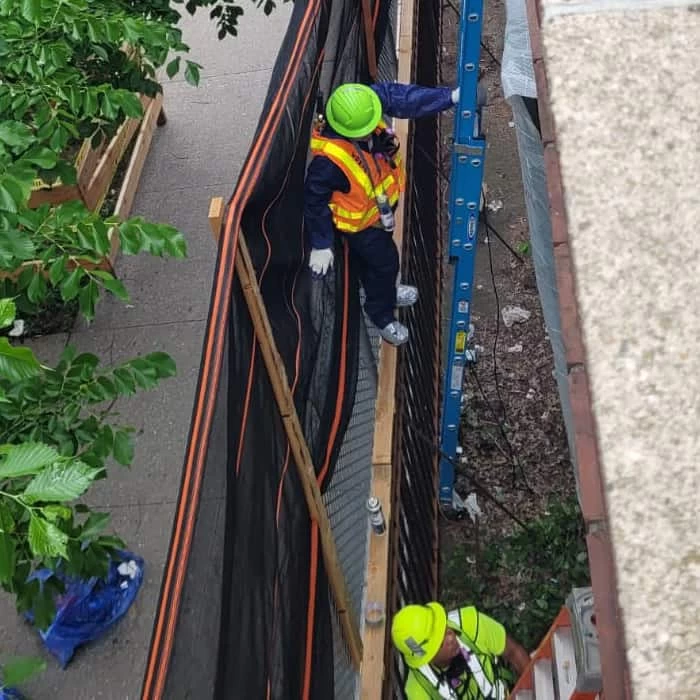
We hold New York State Department of Labor asbestos handling certification, which means we can assess, contain, and abate asbestos in-house as part of the restoration process. You don’t have to locate a separate environmental contractor, vet them, coordinate their schedule with the restoration timeline, or manage two separate scopes of work. It’s handled by one team, which keeps the project moving and removes one more thing you have to manage during an already overwhelming situation.
How does the insurance claims process work for fire damage restoration in Suffolk County?
Most homeowners in Coram have never filed a major insurance claim, and the process is more involved than most people expect. Your insurer will send an adjuster to assess the damage, and what that adjuster documents and approves directly determines how much of the restoration cost your policy covers. If the scope of damage isn’t fully documented, or if the claim doesn’t clearly justify the full extent of the work needed, you can end up with a settlement that doesn’t cover what the job actually requires.
We work directly with your insurance company throughout the process. We document the damage thoroughly, communicate with the adjuster, and make sure the full scope of work is properly supported in the claim. This isn’t a passive service it’s active involvement that makes a measurable difference in outcomes. Suffolk County homeowner policies vary, but having a restoration company that knows how to speak the adjuster’s language is one of the most practical advantages you can have in this process.
What's the typical cost of fire damage restoration for a home in Coram, NY?
Cost varies significantly based on the size of the fire, how far smoke and water traveled through the structure, whether environmental hazards like asbestos were disturbed, and how much of the home requires reconstruction versus cleanup. For reference, minor fire incidents in the Coram area typically run in the $5,000 to $20,000 range. Average residential projects where there’s meaningful structural damage, smoke penetration throughout the home, and water intrusion from suppression commonly fall in the $10,000 to $100,000 range or higher depending on scope.
In Coram’s older housing stock, costs can run toward the higher end of that range because pre-1980 construction often requires asbestos assessment and abatement before reconstruction can begin, and smoke tends to penetrate deeper into less airtight framing. The most reliable way to understand your specific cost is a thorough on-site assessment. We provide that assessment and work with your insurance adjuster to make sure the documented scope aligns with what your policy should cover.
Does living near the Long Island Pine Barrens affect fire damage restoration for Coram homes?
It can, and it’s worth understanding why. Coram sits on the western edge of the Long Island Pine Barrens the 100,000-acre protected ecosystem that stretches across central Suffolk County. The Central Pine Barrens Joint Planning and Policy Commission issues daily fire danger ratings for the region, and dry spring and fall conditions can produce rapid wildfire spread through the scrub oak and pine vegetation that borders residential areas on Coram’s eastern and northern edges.
For homes at that interface, a brush fire reaching a structure can produce a different damage pattern than a contained interior fire broader exterior char, smoke infiltration from multiple directions, and potential damage to outbuildings or landscaping that a standard residential restoration scope doesn’t always account for. Our experience with both residential and environmental restoration means we’re equipped for that complexity. If your home sits near the pine barrens and you’ve experienced fire damage, the assessment needs to account for the full perimeter exposure, not just the interior.