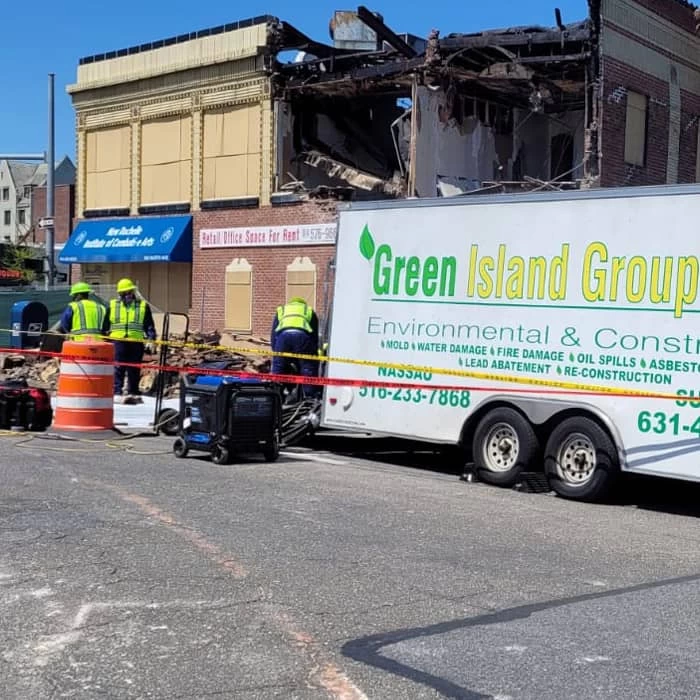
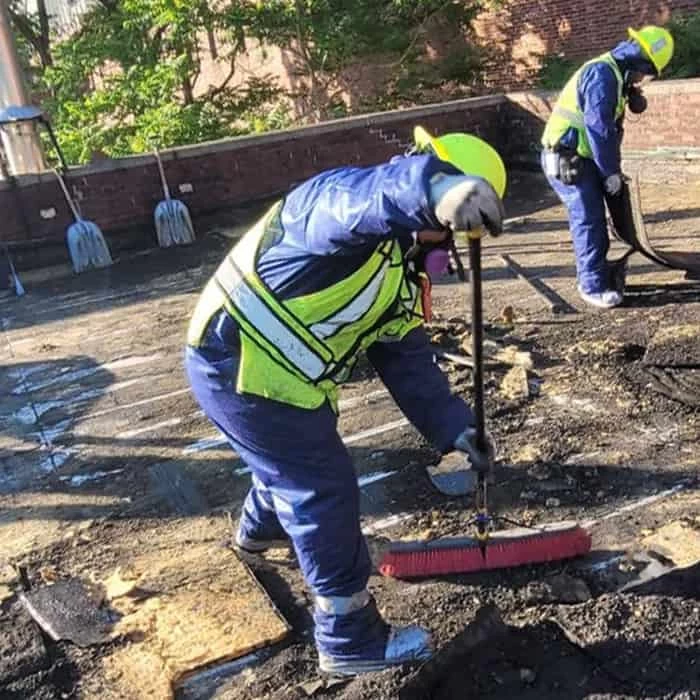
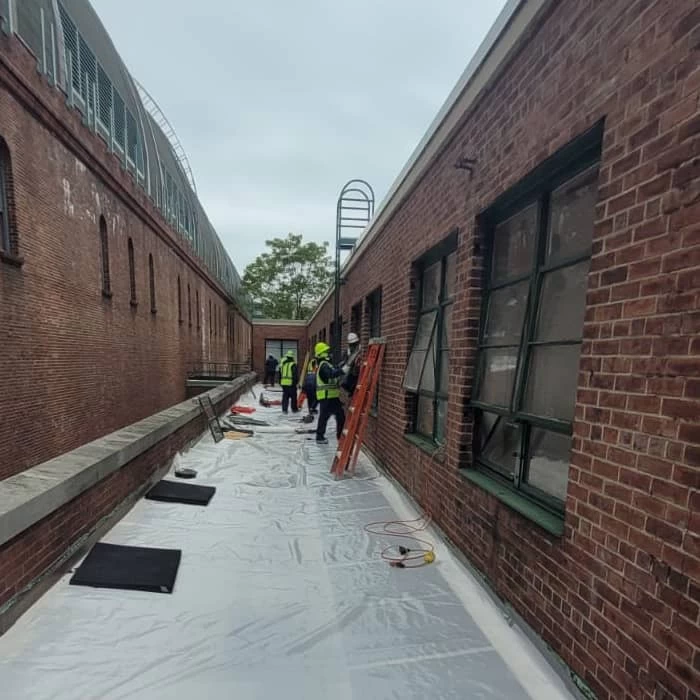
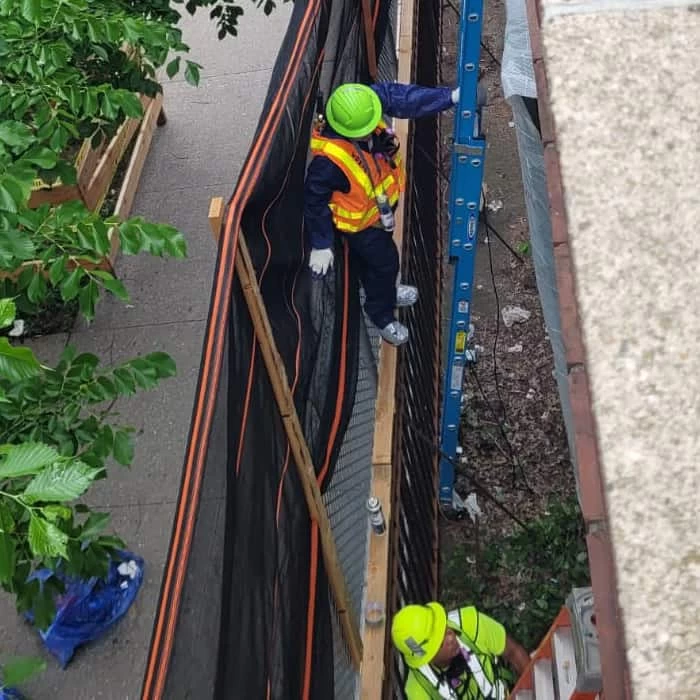
At the far tip of Long Island, your options narrow fast after a fire. We reach East Hampton North quickly and handle everything from emergency response through to a finished home.
I needed a professional consultation explanation of procedure for safe removal of Asbestos in my apartment complex. Without having an account yet, I was very impressed with the caring, knowledgeable and generous advice offered by Jessica, and will look forward to doing business in the future. Thank you so much! I feel much more informed about a sometimes scary endeavor. Peace. Nancy Silva Mineola, NY.
Mia Munoz
Used this company to clean up some water flood in my house. They were fast and easy to work with.very professional, Would recommend to anyone!
Nini Valle
Great company, had a flood and they responded quickly and efficiently. Billed my insurance company directly. I highly recommend this company!
joe colapietro, jr
I had pipe freeze in my basement right before a snow storm and they made to within an hour to help start the clean up process. They we by our side throughout the entire process and even helped with the insurance company. They did such a great job with the cleanup, repair, remidiation, I contracted them to perform the repairs and finishes in the basement. They came with enough manpower and material to get the job done. Leo and Jessica were nothing but a pleasure to deal with!!
Cristian Arredondo c
I had some water damage in my home and Green Island was able to take care of my issue quickly and effectively. I am very pleased with the work they did. They responded quickly and were very professional.
Michael M
Outstanding service! From the office to the field crew everyone was friendly, helpful and responsive. I highly recommend Green Island Group.
The visible damage after a fire is only part of what you’re dealing with. Smoke moves silently through HVAC systems, settles into wall cavities, and embeds itself in materials that look fine on the surface. In homes throughout East Hampton North many built before modern vapor barriers were standard that kind of hidden infiltration is exactly what gets missed when a crew only addresses what they can see.
Water is the other problem nobody talks about enough. The suppression effort that put the fire out may have pushed hundreds of gallons into your floors, subfloor, and wall assemblies. Within 24 to 48 hours, that moisture becomes a mold problem. In East Hampton North’s cooler, damp shoulder seasons when Atlantic air keeps things wet well into spring that window closes fast.
What changes when the right team arrives early is simple: less secondary damage, a cleaner insurance scope, and a restoration timeline that doesn’t drag on for months. You get your home back faster, with fewer surprises along the way.
We’re a locally owned restoration company serving Nassau and Suffolk Counties, including East Hampton North and the surrounding East End. That matters here more than it might elsewhere because East Hampton North is roughly 100 miles from most of the restoration companies that claim to serve it. When response time is the difference between contained damage and a cascading problem, proximity and commitment to this area aren’t small details.
What sets us apart isn’t a single service it’s the fact that we handle everything. Emergency stabilization, smoke and soot remediation, water extraction, environmental hazard removal, and full reconstruction all fall under one roof. No handoffs, no gaps in accountability, no moment where you’re left managing three different contractors through the most stressful event of your life.
Customers name Leo and Jessica by name in their reviews not because it’s a talking point, but because those are the people actually running your job.
The first call triggers an emergency response. We arrive to assess the full scope not just the burn area, but smoke migration, suppression water saturation, and any structural concerns that need to be stabilized before anything else can happen. In older East Hampton North homes where asbestos-containing materials may be present in pipe insulation or flooring, that initial assessment includes identifying whether abatement is required before restoration work can begin. That’s a step a lot of fire-only companies aren’t equipped to take.
Once the emergency phase is handled, the remediation work begins in sequence: soot and smoke removal, water extraction and drying, air quality restoration, and environmental clearance where needed. Every step is documented thoroughly not as a formality, but because your insurance claim depends on a clear, detailed record of what was found and what was done.
From there, reconstruction begins. We handle the rebuild through to finished condition, pulling the required permits through the Town of East Hampton Building Department and keeping the project compliant with the NYS Uniform Fire Prevention and Building Code. You don’t have to manage that process. We do.
Everything the Damage Requires Not Just the Surface
Fire damage restoration in East Hampton North covers more ground than most people expect going in. Our scope includes emergency board-up and stabilization, full smoke and soot remediation, odor elimination at the source, water extraction and structural drying, mold prevention and remediation, asbestos abatement where applicable, contents cleaning and pack-out, and complete structural reconstruction. That last part the rebuild is where a lot of restoration companies stop and hand you off to someone else. We don’t.
The asbestos piece is worth calling out specifically. Some homes in East Hampton North date back to the early 20th century, and fire can disturb ACMs in ways that create real health hazards if not handled by a licensed abatement team. We hold the environmental remediation credentials to manage that legally and safely, so the project doesn’t stall waiting for a subcontractor who may be weeks out.
Insurance documentation runs through every phase of the job. East Hampton North properties carry significant value, and a thorough, well-documented claim scope is often the difference between a settlement that covers the real cost of restoration and one that falls short. We work directly alongside your adjuster to make sure nothing gets left off the table.
How quickly can a restoration crew reach East Hampton North after a fire?
East Hampton North’s location at the far eastern end of Long Island is one of the first things you need to factor in when choosing a restoration company. A lot of providers are headquartered in Nassau County or central Suffolk, and the drive to the East End especially during summer when Route 27 backs up significantly can stretch their “fast response” promise well past what the marketing suggests.
We serve East Hampton North as an established part of our Suffolk County coverage area, not as an afterthought. Our documented response times, confirmed by real customer reviews, reflect a genuine commitment to reaching this area quickly. In fire restoration, the first few hours determine how much of the secondary damage soot etching, mold from suppression water, smoke migration through HVAC systems can actually be prevented. Speed here isn’t a selling point. It’s a practical necessity.
Does homeowners insurance cover fire damage restoration costs in New York?
In most cases, yes standard homeowners insurance policies in New York cover fire damage restoration, including smoke and soot remediation, water damage from firefighting suppression, and structural repairs. The more important question is whether the full scope of damage gets properly documented and submitted to your insurer, because adjusters work from what’s in front of them, and incomplete documentation leads to underpaid claims.
For East Hampton North homeowners, this matters more than it might in other markets. Properties here carry significant value, and the gap between a thorough claim scope and a rushed one can be substantial. We assist with the entire insurance process documenting damage room by room, communicating directly with your adjuster, and making sure the approved scope reflects the real cost of restoring your home to pre-loss condition. That advocacy is something customers have specifically called out in their reviews, and it’s a genuine part of how we operate.
Can smoke damage spread to rooms that weren't directly affected by the fire?
Yes, and this is one of the most commonly underestimated aspects of fire damage. Smoke doesn’t stay where the fire was. It travels through HVAC ductwork, migrates into wall cavities, and deposits soot on surfaces in rooms that never saw a flame. The odor that homeowners notice weeks or months after a “small” kitchen or utility fire is almost always evidence of smoke penetration that surface cleaning alone can’t resolve.
In East Hampton North homes with central forced-air heating systems common in the post-1970 construction that makes up most of the housing stock here that ductwork becomes a direct highway for smoke distribution throughout the entire house. Remediation has to address the full system, not just the room of origin. Our approach includes HVAC inspection and decontamination as part of the fire restoration scope, which is why the results hold up rather than leaving you with a smell that keeps coming back.
Are there specific permits required for fire damage restoration in East Hampton Town?
Yes. The Town of East Hampton Building Department enforces the New York State Uniform Fire Prevention and Building Code, and restoration work that involves structural repairs, electrical, plumbing, or mechanical systems will require permits before work can begin. The permit process runs through the town’s online portal, and inspections are required at specific stages of the rebuild.
There’s also a local zoning provision worth knowing: East Hampton’s zoning code requires that restoration of a fire-damaged property be completed within 12 months of the fire event, provided the damage is less than 50% of the structure’s sound value. That’s a real deadline with real legal implications for your property’s zoning status, and it’s one of the reasons starting the restoration process quickly rather than waiting weeks for an insurance settlement to fully resolve is genuinely important here. We manage the permitting process as part of the job, so you’re not navigating the Building Department on your own while also dealing with everything else.
Is wildfire or brush fire damage covered under a standard restoration scope in East Hampton?
It is, and it’s a more relevant question for East Hampton North than it would be for most Long Island communities. In March 2025, Governor Hochul declared a state of emergency for wildfire conditions on Long Island’s East End, with active fires near the Hamptons and persistent dry, windy conditions keeping risk levels elevated. The pine barrens and scrub oak vegetation across eastern Suffolk County create a wildfire interface risk that’s essentially absent from the western and central parts of the island.
Wildfire and brush fire damage has a different profile than a contained interior house fire. Exterior char, smoke infiltration through siding and ventilation systems, and debris contamination that requires environmental handling are all part of the picture. Our full-spectrum remediation capabilities including environmental hazard removal and air quality restoration are equipped to handle that specific damage pattern, not just the standard kitchen or electrical fire scenario. If your East Hampton North property sustained damage from a brush fire event, the scope of work is something worth discussing in detail from the first assessment.
How long does the full fire damage restoration process typically take in East Hampton North?
The honest answer is that it depends on the scope of damage, but most residential fire restoration projects in East Hampton North move through a predictable sequence. Emergency stabilization and initial remediation typically take several days to a couple of weeks. Structural drying after suppression water intrusion can add time depending on how saturated the materials are. If asbestos abatement is required which is a real possibility in East Hampton North’s older housing stock that phase has to be completed and cleared before reconstruction can begin.
Full reconstruction timelines vary based on how much of the structure was affected, but a project that involves significant structural work, finishes, and systems repairs can run anywhere from several weeks to a few months. The most important thing you can do to keep the timeline moving is start early, document thoroughly, and avoid the gap that happens when homeowners wait for the insurance process to fully resolve before authorizing work to begin. East Hampton’s 12-month zoning restoration requirement is another reason not to let that gap stretch. We can begin the process while the claim is still in progress, keeping your project on track from day one.