When Your East Hampton Home Takes a Hit, Here's What Happens Next
Fire damage doesn’t wait and neither should we. We respond fast to East Hampton properties, handle everything from smoke and soot to full reconstruction, and walk you through every step of the insurance process.
I needed a professional consultation explanation of procedure for safe removal of Asbestos in my apartment complex. Without having an account yet, I was very impressed with the caring, knowledgeable and generous advice offered by Jessica, and will look forward to doing business in the future. Thank you so much! I feel much more informed about a sometimes scary endeavor. Peace. Nancy Silva Mineola, NY.
Mia Munoz
Used this company to clean up some water flood in my house. They were fast and easy to work with.very professional, Would recommend to anyone!
Nini Valle
Great company, had a flood and they responded quickly and efficiently. Billed my insurance company directly. I highly recommend this company!
joe colapietro, jr
I had pipe freeze in my basement right before a snow storm and they made to within an hour to help start the clean up process. They we by our side throughout the entire process and even helped with the insurance company. They did such a great job with the cleanup, repair, remidiation, I contracted them to perform the repairs and finishes in the basement. They came with enough manpower and material to get the job done. Leo and Jessica were nothing but a pleasure to deal with!!
Cristian Arredondo c
I had some water damage in my home and Green Island was able to take care of my issue quickly and effectively. I am very pleased with the work they did. They responded quickly and were very professional.
Michael M
Outstanding service! From the office to the field crew everyone was friendly, helpful and responsive. I highly recommend Green Island Group.
What Getting Your Property Back Actually Looks Like
A fire doesn’t just burn what it touches. Smoke travels through HVAC systems, seeps into wall cavities, and settles into every porous surface in the home rooms that never saw a flame can smell like the fire happened yesterday. In East Hampton’s larger estate homes and historic cottages with extensive duct systems, that spread can be significant. If it’s not addressed completely, you’ll notice it for months.
Then there’s the water. Firefighting efforts soak floors, walls, and insulation and in East Hampton’s coastal humidity, that moisture doesn’t dry on its own. Within 24 to 48 hours, mold can begin forming behind walls where no one can see it. Speed matters as much as skill, which is why we move fast.
For seasonal homeowners managing a property on Route 27 from a Manhattan apartment, the scenario gets more complicated. A fire or smoke event that goes undiscovered for even a few days dramatically raises the scope of what needs to be done. When we get there fast, assess the full picture visible and invisible and start the process immediately, you’re protecting not just the structure, but the value of a property that may be worth well over a million dollars.
Long Island-Based, Not a Franchise There's a Real Difference
Green Island Group is an independently owned Long Island restoration company. No national call center, no franchise structure, no handoff to a crew you’ve never met. When you call, you’re reaching the people who will actually be on your property and we stay accountable from the first emergency call to the final walkthrough.
That matters everywhere, but it matters especially in East Hampton. This isn’t a market where you want an anonymous crew showing up at a high-value historic property and figuring things out as they go. East Hampton’s housing stock spans centuries from timber-frame Village landmarks to mid-century homes in Springs to modern waterfront estates near Three Mile Harbor and each one presents its own set of challenges. We’ve seen them all across Suffolk County’s East End.
The work doesn’t end when it looks done. It ends when you’re satisfied. That’s not a tagline it’s how we handle every job.
From the First Call to a Fully Restored Home No Gaps
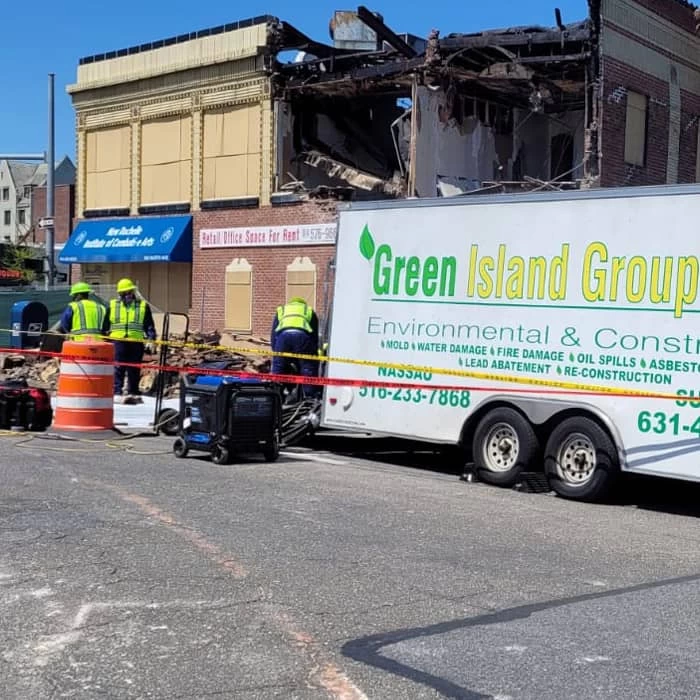
The first step is getting there. East Hampton sits at the far eastern end of Long Island’s South Fork there’s no interstate access, and Route 27 is the primary road in. We commit to fast response to the East End, because the first hours after a fire determine how much of the property can actually be saved. Our crew secures the structure, boards up openings if needed, and begins a full assessment of the damage not just what’s visible, but what the smoke and water have reached behind walls and through ductwork.
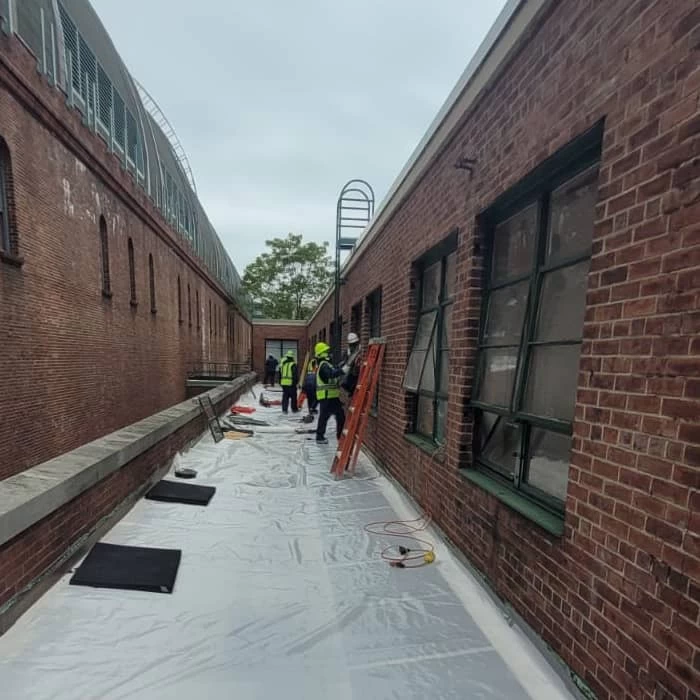
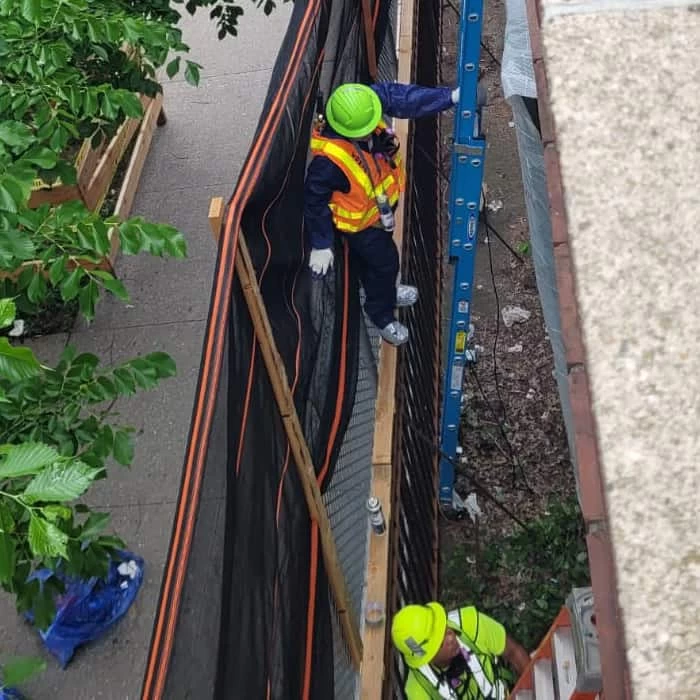
From there, the work moves in a logical sequence: soot and smoke remediation, water extraction and drying, environmental testing and removal where needed (including asbestos abatement in East Hampton’s older housing stock, which is required by New York State law before reconstruction can begin), and then demolition of what can’t be saved. Every step is documented not just for the work record, but because that documentation is what drives a fair insurance claim.
Reconstruction follows. We handle the full rebuild, including final finishes, so you’re not coordinating three separate contractors across a 100-mile distance. The East Hampton Town Building Department requires permits for restoration work, and the Village’s historic preservation code adds an additional layer for designated properties we navigate both. When the job is done, the home is livable, finished, and up to the standard you expect.
Fire damage restoration isn’t a single service it’s a sequence of connected work that has to be done in the right order by people qualified to handle each part. We cover the full scope: emergency response and property securing, soot and smoke remediation, water extraction from firefighting efforts, mold remediation, asbestos abatement, demolition, full reconstruction, and final finishes. That last part matters more than it sounds. A lot of restoration companies stop at remediation and hand you off to a general contractor. We take it all the way.
In East Hampton specifically, the environmental piece carries extra weight. The town has an unusually large concentration of pre-WWII architecture the Village alone has timber-frame landmark structures dating back to the 1700s. When fire damages these homes, it frequently disturbs asbestos-containing materials and lead paint that require state-certified handling before any reconstruction can begin. New York State law is clear on this, and a contractor without those certifications cannot legally complete the job. We hold the required environmental credentials to handle what a fire uncovers in East Hampton’s complex, multi-era housing stock.
For seasonal homeowners and East Hampton has a significant number of them the insurance navigation piece is equally important. We actively assist with documentation, adjuster communication, and claim scope, so you’re not trying to manage a large, complicated claim from out of town on your own.
Is it safe to stay in my East Hampton home after a fire?
In most cases, no at least not immediately, and not until a proper assessment has been done. Even if the fire was contained to one room, smoke and soot travel fast. They move through HVAC systems, penetrate wall cavities, and coat surfaces throughout the home with fine particulate matter that is genuinely harmful to breathe. Carbon monoxide and other combustion byproducts can linger in the air long after the visible smoke clears.
For East Hampton homeowners, there’s an added layer to consider. Many homes here particularly in the Village and older sections of Springs contain pre-1978 construction materials. When fire disturbs those materials, lead particles and asbestos fibers can become airborne. You won’t be able to see them, but they’re there. A qualified restoration team needs to assess the full scope before anyone spends time in the home. We can do that assessment quickly and tell you exactly what you’re dealing with before you make any decisions about occupancy.
How does the insurance claim process work for fire damage restoration?
The short version: your insurer will send an adjuster to assess the damage and determine what the policy covers. The longer version is that the adjuster’s scope and your actual scope of damage are not always the same thing and the difference can be significant, especially on a high-value East Hampton property where a kitchen fire can easily generate a six-figure restoration claim.
We actively assist with the documentation and claim process. That means thorough photo and written documentation of all damage visible and hidden before anything is touched, and clear communication with your adjuster about the full scope of what needs to be done. We’ve worked through enough Suffolk County claims to understand how the process moves and where homeowners tend to get shortchanged. If you’re managing this from out of town, having someone on-site who can speak directly to the adjuster and advocate for the full scope of the claim makes a real difference in what your claim actually covers.
How long does fire damage restoration take for a home in East Hampton?
It depends on the scope, but most residential fire restoration projects run anywhere from a few weeks for a contained, single-room incident to several months for a more extensive structural fire. The variables that affect timeline most are the severity of the smoke and water damage, whether environmental hazards like asbestos need to be abated before reconstruction can begin, and the permitting process through the East Hampton Town Building Department.
In East Hampton, the permitting layer can add time particularly for properties in the Village’s historic district, where changes to designated structures require review under the Village’s preservation code. We factor all of that into the project timeline upfront so there are no surprises mid-job. The goal is always to move as fast as the work allows without cutting corners on the steps like environmental testing and proper drying that protect the long-term integrity of the home.
What happens to smoke damage in rooms that weren't directly on fire?
Smoke doesn’t stay where the fire was. It moves through the air, travels through HVAC ductwork, and settles into every porous surface it reaches upholstery, insulation, drywall, wood framing, clothing, even the inside of cabinets. In a larger East Hampton estate home with an extensive duct system, smoke from a kitchen or garage fire can contaminate rooms on the opposite end of the house within hours.
The reason this matters is that incomplete remediation is one of the most common reasons a restored home still smells like smoke six months later. If the HVAC system isn’t properly cleaned and the affected materials aren’t either treated or removed, the odor comes back especially in East Hampton’s humid coastal climate, where moisture reactivates smoke compounds in wall materials and insulation. Our remediation process addresses the full path the smoke traveled, not just the room where the fire started. That’s what actually solves the problem.
Does fire damage restoration in East Hampton require special permits or approvals?
Yes, and it’s worth understanding this before work begins. The East Hampton Town Building Department requires permits for restoration and reconstruction work, and fees were updated as recently as May 2024. For properties within the Village of East Hampton’s historic district, there’s an additional layer Chapter 176 of the Village Code governs changes to designated historic structures, and exterior alterations or material changes may require review by the Village Board of Trustees.
For environmental work, New York State adds its own requirements. Asbestos abatement requires NYSDOL certification. Mold remediation contractors must hold a NYS Mold Remediation Contractor License. Lead paint work in pre-1978 homes requires EPA RRP certification. East Hampton’s housing stock which includes structures dating back to the 1700s means these requirements come up regularly, not occasionally. A restoration contractor who isn’t credentialed for this work can’t legally complete a full restoration on many East Hampton properties. We hold the necessary credentials and handle permitting as part of the job, not as something you have to manage separately.
My East Hampton vacation home had a fire while it was vacant is the damage worse?
Almost always, yes. The timeline between when a fire occurs and when remediation begins is one of the biggest factors in determining the total scope of damage and a vacant seasonal home can go days or even weeks before the owner is notified. By that point, soot has had time to permanently etch and stain surfaces, smoke odor has fully saturated porous materials, and the water introduced by fire suppression has likely begun producing mold behind walls and under floors.
East Hampton has a large number of seasonal and part-time properties it’s one of the defining characteristics of the community. A home that sits empty from September through May while the owners are in the city is genuinely more vulnerable to this scenario than a year-round occupied residence. When we arrive at a property that’s been sitting, our assessment process accounts for the extended exposure window meaning we look harder for secondary damage that a shorter timeline might not have produced. The sooner the call comes in after discovery, the better, but even a delayed start can be managed effectively when the full scope is properly identified and addressed from the beginning.